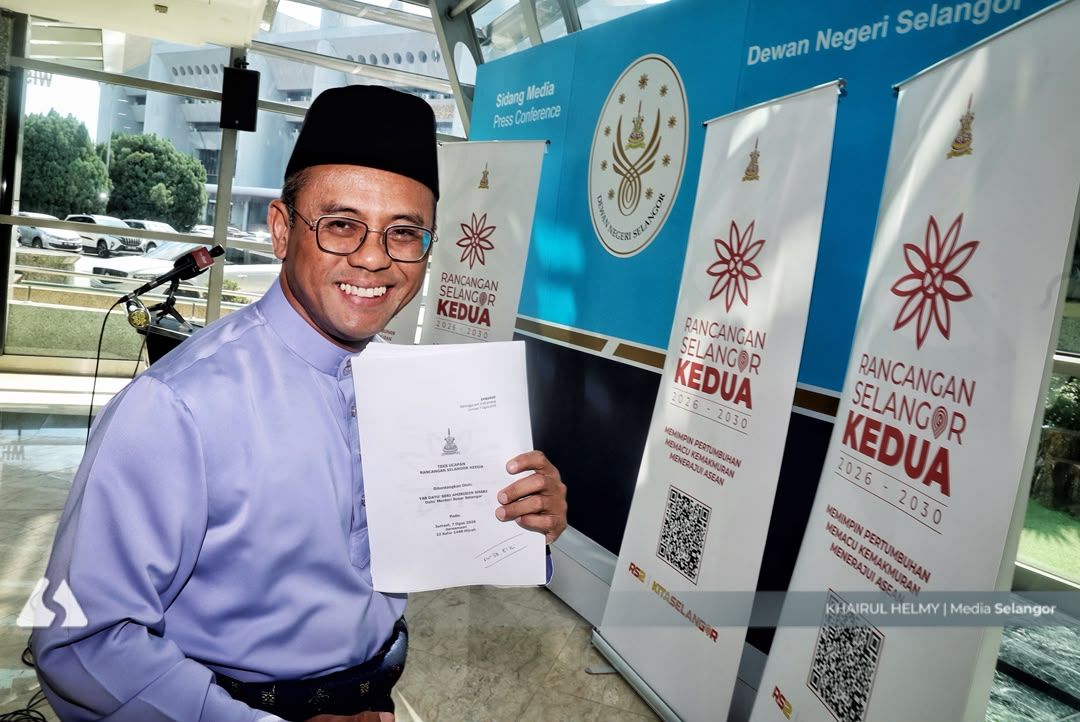

SHAH ALAM, Aug 10 — The Second Selangor Plan (RS-2) can achieve its ambitious economic and development targets with strong implementation and a carefully structured financing model that leverages public and private sector resources.
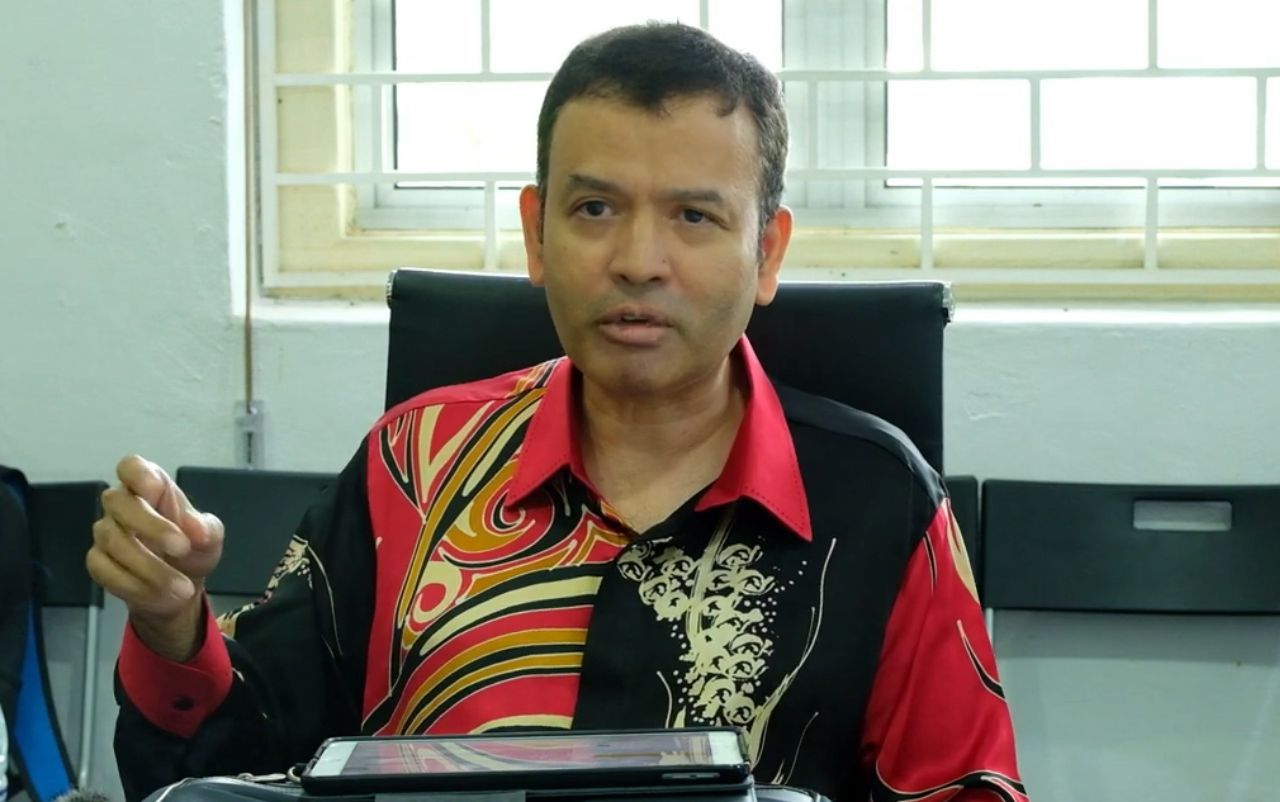
University Teknologi Petronas adjunct lecturer Samirul Ariff Othman said the plan’s estimated RM33.31 billion implementation requirement over five years should be viewed as a blended-finance development programme involving the state government,the federal government, state subsidiaries, and the private sector.
Such an approach would enable Selangor to mobilise resources beyond its ordinary state revenue while ensuring that development projects remained financially sustainable and delivered long-term economic returns.
“That distinction is crucial. Selangor's projected revenue for 2026 is only RM2.8 billion, against expenditure of RM3.23 billion, producing a planned RM430 million deficit financed through accumulated balances,” he told Media Selangor when contacted.
Samirul added that the financing structure is economically sensible provided there is a clear distinction between projects funded through ordinary state revenue, commercially viable projects financed through government-linked companies (GLCs), or private capital, and those requiring federal financing.
“Public-private partnerships must not simply transform today's public expenditure into tomorrow's hidden liabilities,” he said.
Similarly, GLCs should not be required to undertake uneconomic projects merely to keep them off the state balance sheet, while the longer-term focus should be on making state investments increasingly self-financing through economic growth and improved asset productivity.
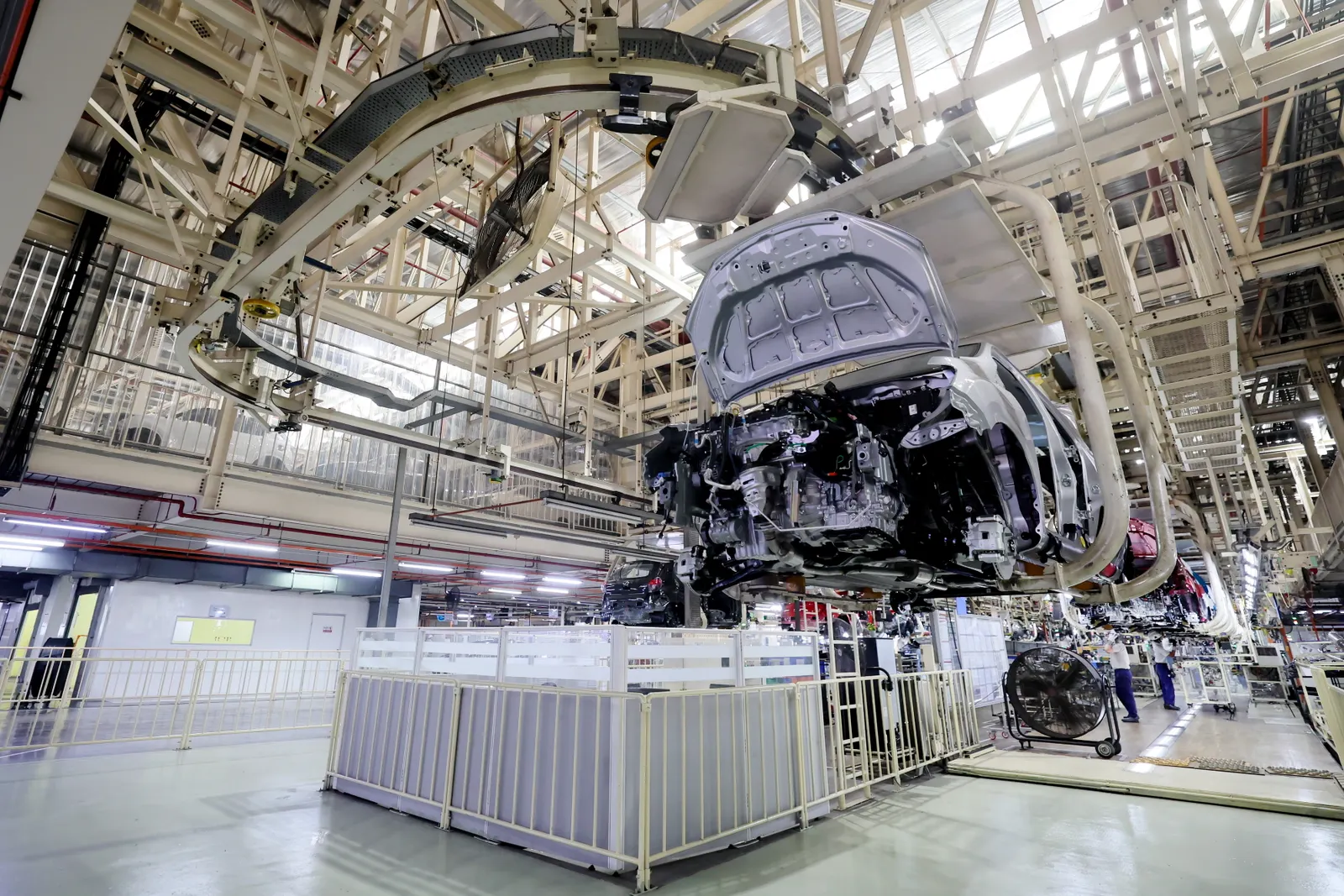
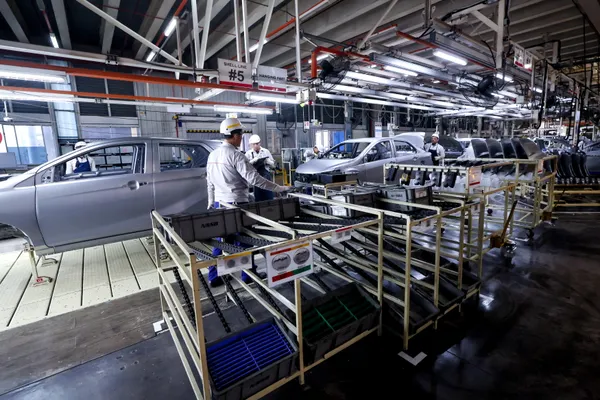
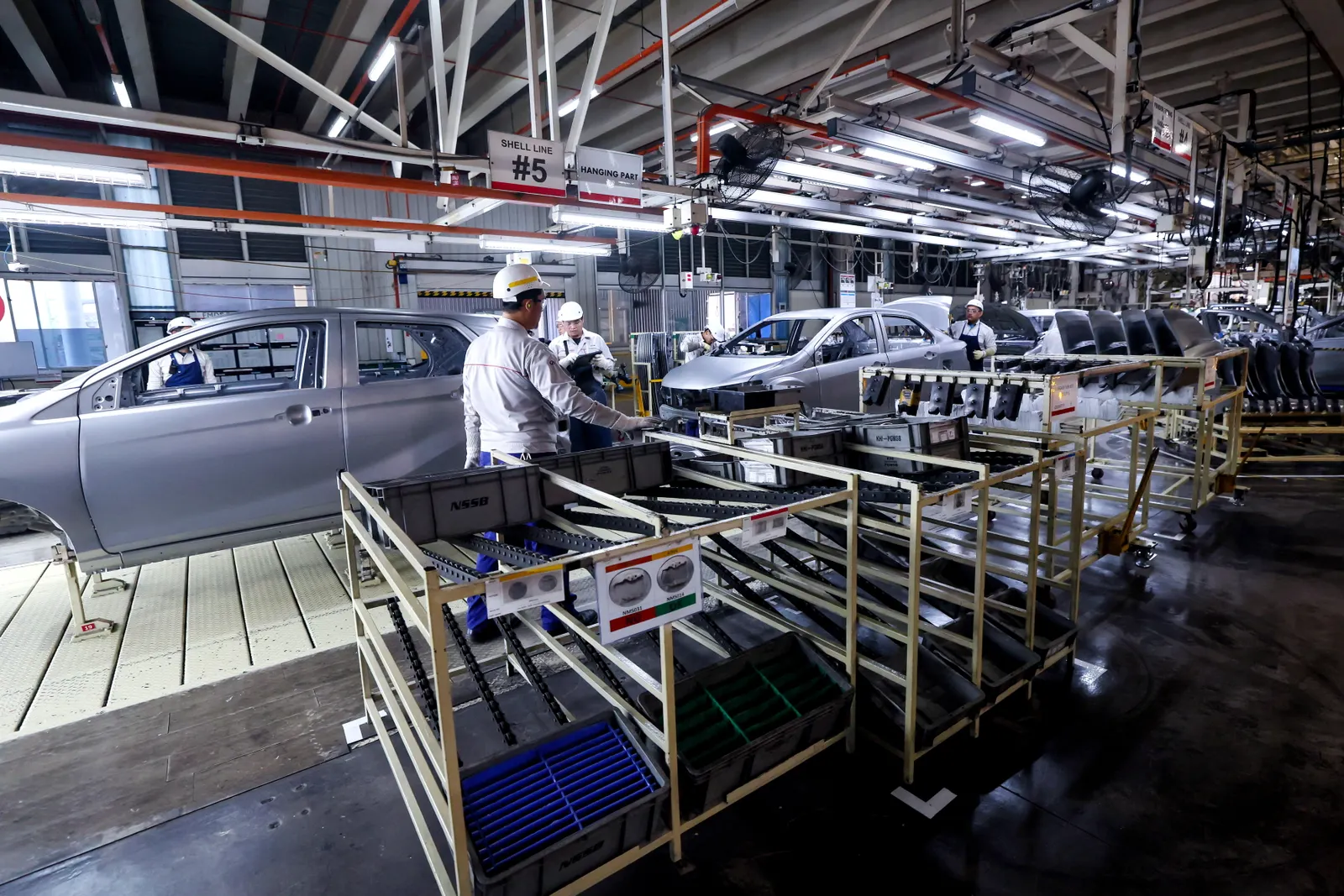
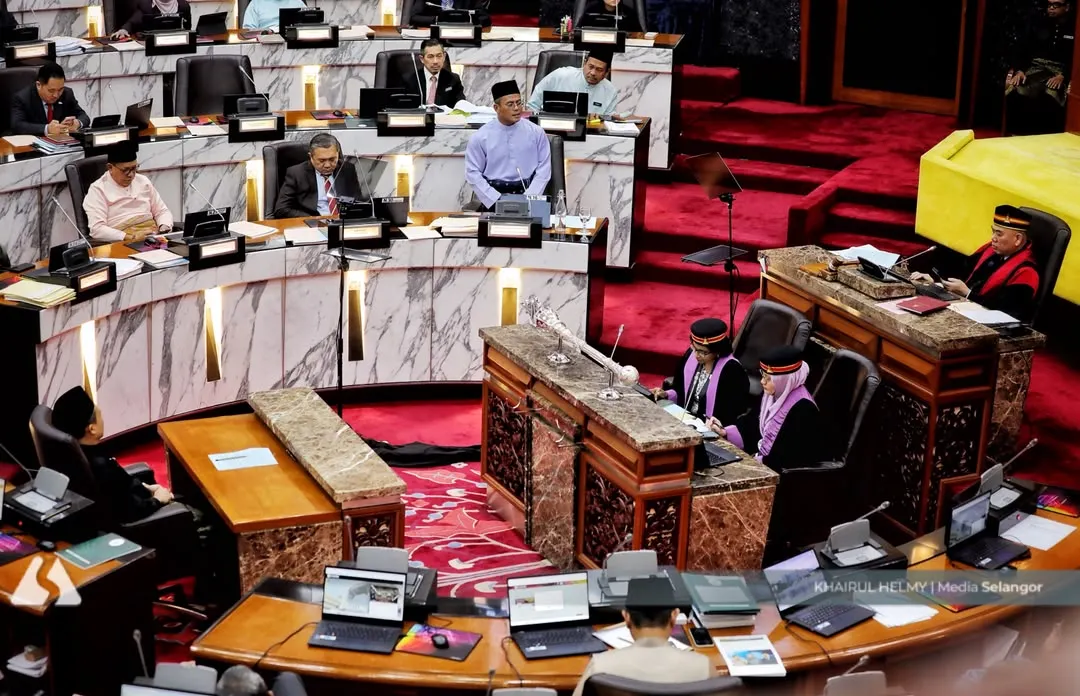
During the tabling of RS-2 at the Selangor State Legislative Assembly sitting on Friday (August 7), Menteri Besar Dato’ Seri Amirudin Shari said the state government has identified five high-growth sectors to drive the plan, as it aims to form a RM600 billion economy by 2030 amid global uncertainties, involving electrical and electronic, aerospace, automotive, digital, and creative economies.
Five high-growth sectors logical choices
On RS-2’s target of growing Selangor’s economy to RM600 billion by 2030, Samirul said the target is ambitious but achievable, with the state requiring compound annual growth of about 5.45 per cent from RM460.1 billion in 2025.
RS-2 itself targets growth of around 6.1 per cent annually, which if sustained over five years, would see the state economy reach approximately RM619 billion by 2030.
“Therefore, mathematically, RM600 billion is not an unrealistic stretch target,” he said.
However, the focus should extend beyond achieving the headline economic figure to ensure that the growth generates greater productivity, better wages, stronger domestic supplier networks, and enhanced technological capabilities.
“The more difficult challenge is ensuring that it becomes a RM600 billion high-productivity economy rather than simply a larger economy,” Samirul said.
The five priority sectors identified under RS-2 are logical choices that align with Selangor’s existing strengths, industrial infrastructure, logistics networks, skilled workforce, and proximity to KLIA and Port Klang.
However, he said the five sectors should complement rather than replace Selangor’s broader economic base, with manufacturing, services, construction, retail, logistics, finance, professional services, property, healthcare, tourism and small and medium enterprises remaining important contributors.
“The priority sectors should consequently be viewed as growth accelerators rather than the entire engine,” he said.
Samirul said the quality of investment would also be important in determining the longer-term impact of RS-2, citing the semiconductor industry as an example.
He said Selangor could maximise the benefits of semiconductor investment by moving beyond assembly and manufacturing towards integrated circuit design, advanced packaging, research and development and engineering services.

RS-2 vs RS-1
When asked about comparison between RS-2 and the previous Selangor Plan (RS-1), Samirul said the new plan appeared to be more economically selective, more geographically focused and placed greater emphasis on human capital and institutional reform.
He said RS-1 had established an important planning framework, although its implementation record showed that economically transformative projects could be more challenging to deliver than designing the programmes themselves.
By the end of 2025, Samirul said out of 184 of 282 projects, programmes and initiatives under RS-1 had been completed, with overall implementation reported at 79.11 per cent.
However, he said the economic theme recorded 58.89 per cent achievement.
“RS-1 was reasonably successful as a broad development framework, but implementation, especially of economically transformative projects, was harder than designing the programmes themselves,” he said.
Samirul explained that RS-2 could build on that experience by placing greater emphasis on measurable outcomes and tracking progress through clear indicators.
“I would therefore recommend a public RS-2 dashboard tracking perhaps 15–20 major indicators: gross domestic product per worker, median wages, investment realised rather than approved, high-skilled employment, district income, public transport accessibility, and project completion.
“That is potentially better than simply measuring government activity,” he said.
The economist also welcomed RS-2’s “No District Left Behind” approach, saying that balanced development should allow districts to build on their respective strengths rather than replicate the same industries statewide.
“The objective should therefore be equal opportunity for development, not identical economic structures,” he said, citing agriculture and agro-technology in Sabak Bernam, aerospace and logistics in Sepang, and maritime and port-related industries in Klang as examples.
During the tabling, Amirudin also said that the state government has pledged that "no district will be left behind" under the plan, expanding its commitment to ensure balanced development across every part of the state.
On revenue diversification, Samirul said reducing Selangor’s reliance on land premiums and land taxes was sensible, with about 75 per cent of current revenue linked to them.
RS-2’s summary document stated that new revenue sources to strengthen Selangor’s fiscal resilience include GLC dividends, special tax rates or charges for selected industries and activities, and higher returns from state-owned assets and properties.
He supported greater returns from GLCs and state assets and innovative financing, but cautioned against sector specific taxes on strategic industries as they could affect investment competitiveness.
“The principle should be: tax economic rents and negative externalities rather than productive investment,” Samirul said.