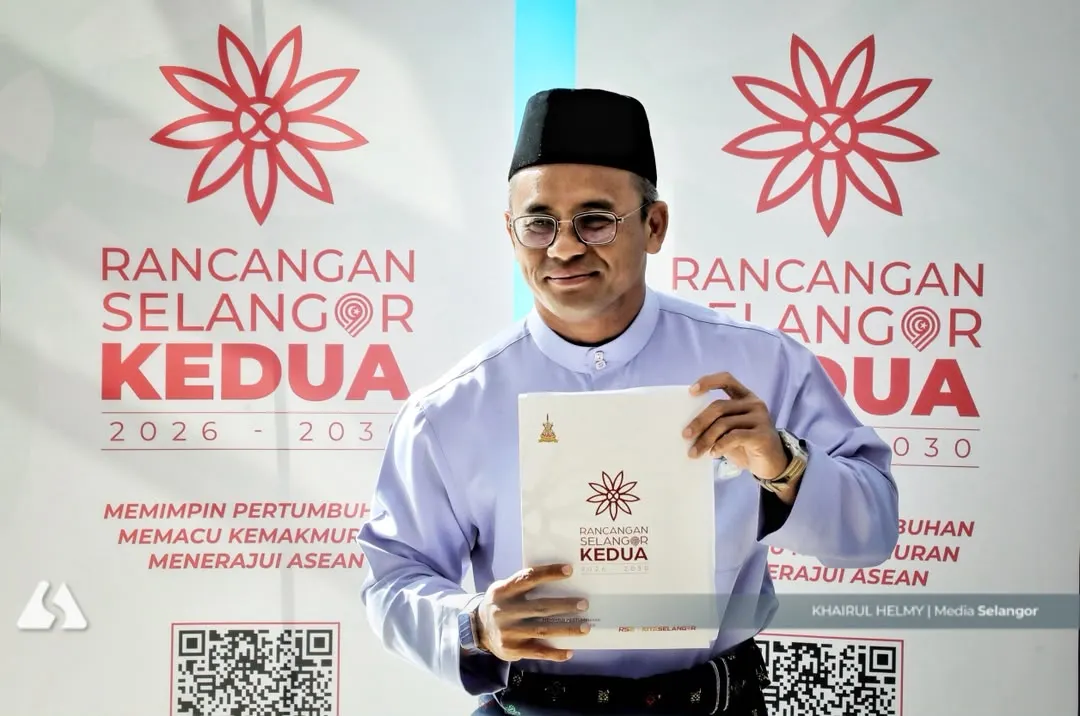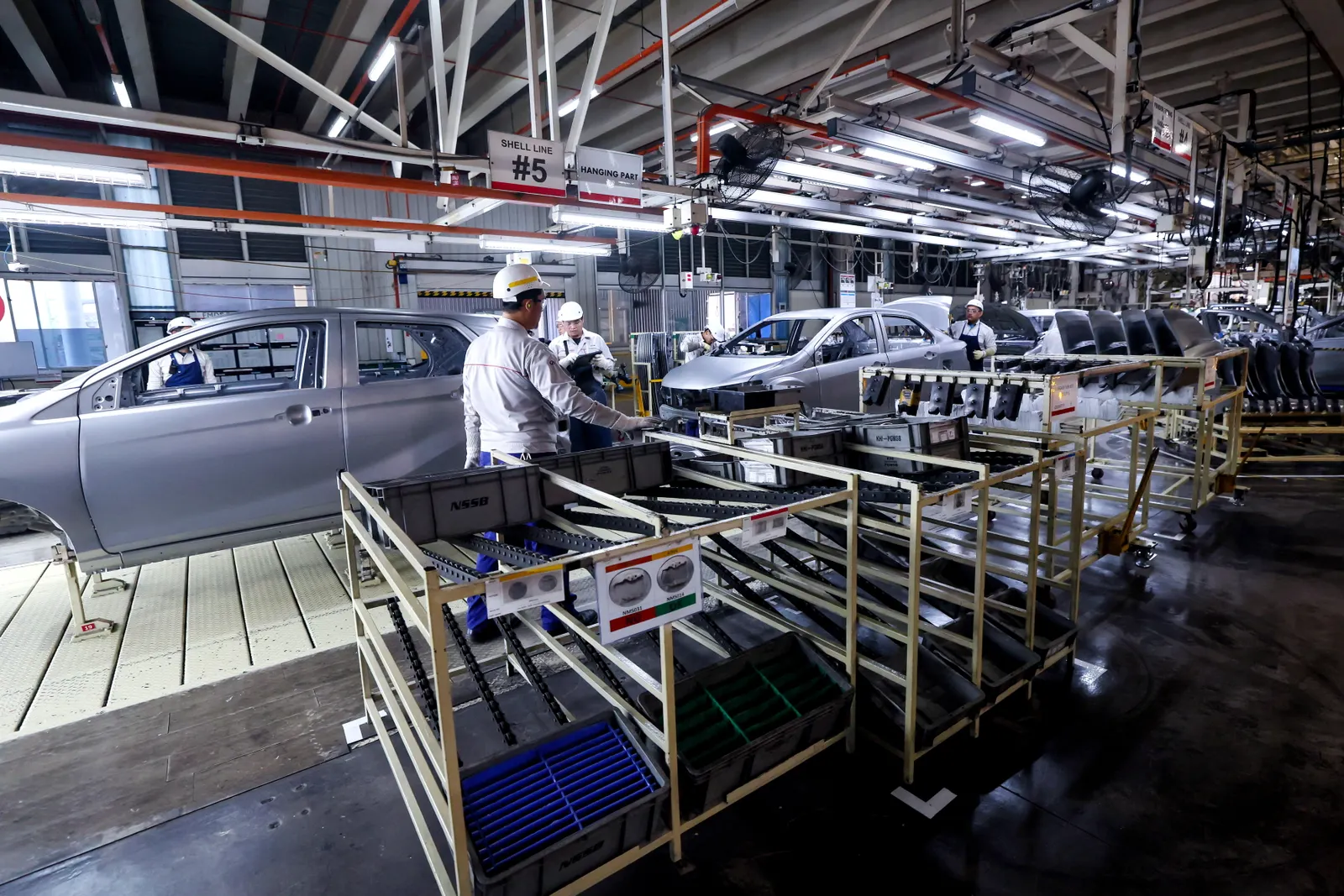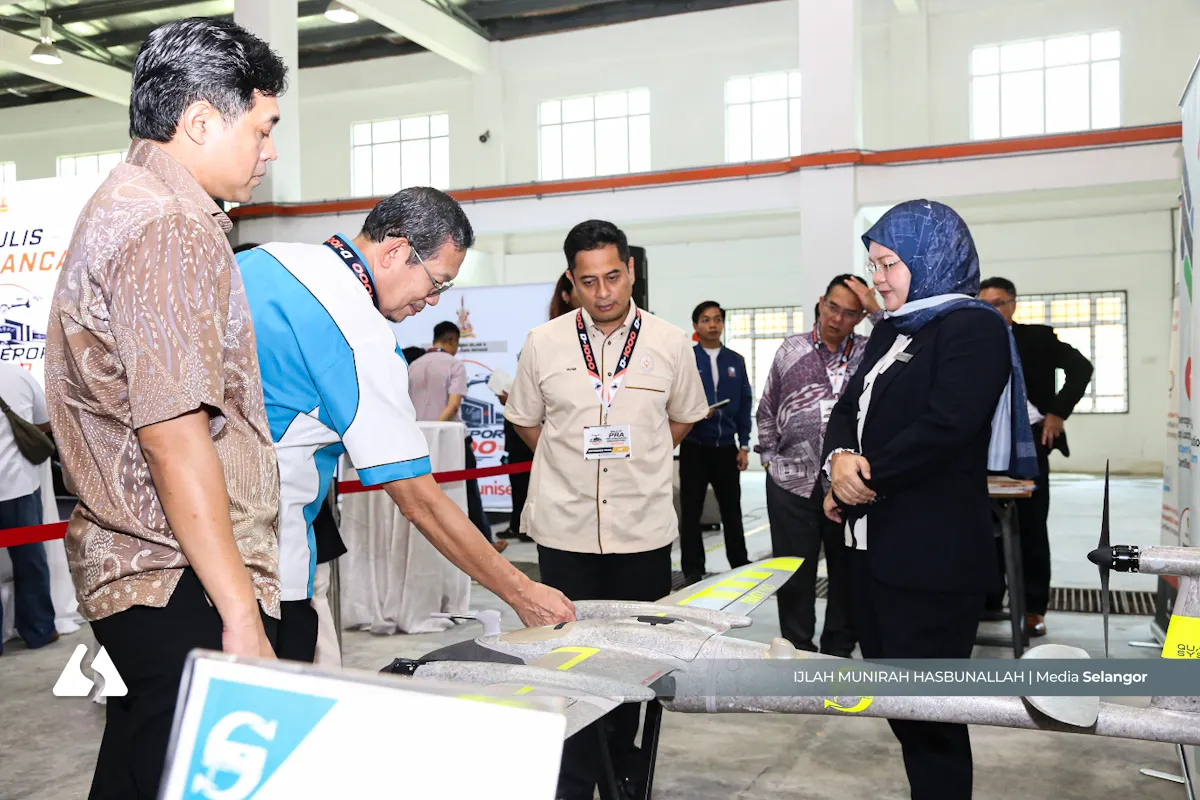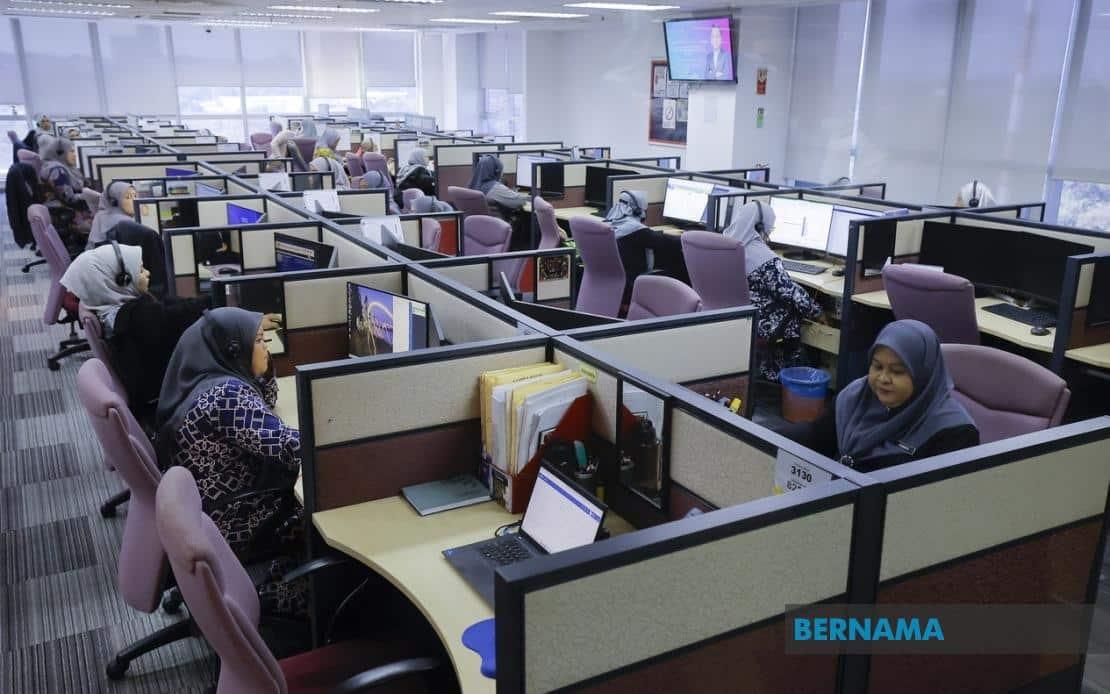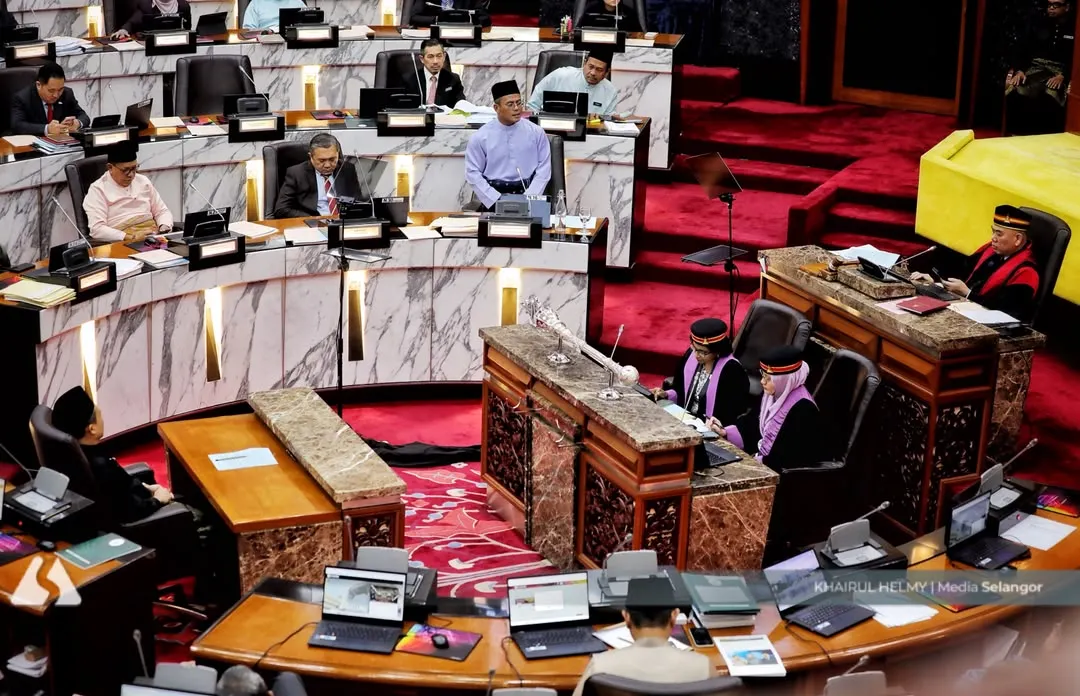
SHAH ALAM, Aug 7 — Selangor will diversify its revenue streams through innovative financing, greater involvement of government-linked companies (GLCs) and the private sector, as well as improved governance of state-owned entities under the Second Selangor Plan (RS-2).
Menteri Besar Dato’ Seri Amirudin Shari said the initiative, under RS-2’s Mission 6: A People-First, Business-Friendly and Effective Government, is aimed at strengthening the state’s long-term fiscal sustainability while reducing its reliance on land-related revenue.
He noted that about 75 per cent of the state’s revenue today depends on land premiums and land taxes, posing a structural risk that must be addressed.
“Mission 6 will diversify the state’s revenue streams through innovative financing mechanisms, increase the involvement of GLCs and the private sector, and optimise the governance of state entities.
“The establishment of a fully integrated State Investment Holding Company will enhance coordination, cost efficiency and returns for the state government,” he said when tabling RS-2 at the Selangor State Legislative Assembly here today.
While Amirudin did not elaborate in his speech, the RS-2 summary document stated that new revenue sources to strengthen Selangor’s fiscal resilience include GLC dividends, special tax rates or charges for selected industries and activities, and higher returns from state-owned assets and properties.
Meanwhile, the menteri besar said the state government has begun aligning the roles and functions of its subsidiaries to improve optimisation and efficiency.
“As an example, the THRIVE28 programme by the Menteri Besar Selangor (Incorporation) has been implemented since 2024, focusing on aligning the functions and roles of the group’s subsidiaries.
“The initiative is aimed at achieving a cumulative revenue target of RM8 billion for the MBI Group by 2028.”
Amirudin said the THRIVE28 model would be expanded to other state-owned companies to create revenue streams and jobs in support of RS-2.
He added that the GLC realignment would ensure subsidiaries no longer have duplicated functions, while enabling them to evolve with new targets that support Selangor’s transition towards a technology and services-based economy.