

SHAH ALAM, Feb 1 — Urban poverty can be tackled more effectively through a single coordinating authority rather than fragmented programmes, said an economist, backing Menteri Besar Dato’ Seri Amirudin Shari’s call for a dedicated Federal portfolio to address the issue comprehensively.
Economist and University Teknologi Petronas (UTP) adjunct lecturer Samirul Ariff Othaman said that centralising the urban poverty agenda could work if it functions as a coordinating body that aligns Federal, state, and local efforts, rather than becoming another programme silo.
Amirudin’s proposal recognises that without a dedicated focus, poverty interventions would only address symptoms rather than root causes, particularly in urban areas where challenges related to housing, education, healthcare, employment, and cost of living persist.
“It can be effective if it functions as a systems integrator, not another programme silo. Amirudin’s argument is that without a dedicated focus, efforts would only treat symptoms, and he explicitly called for Federal-state-local coordination,” he told Media Selangor.
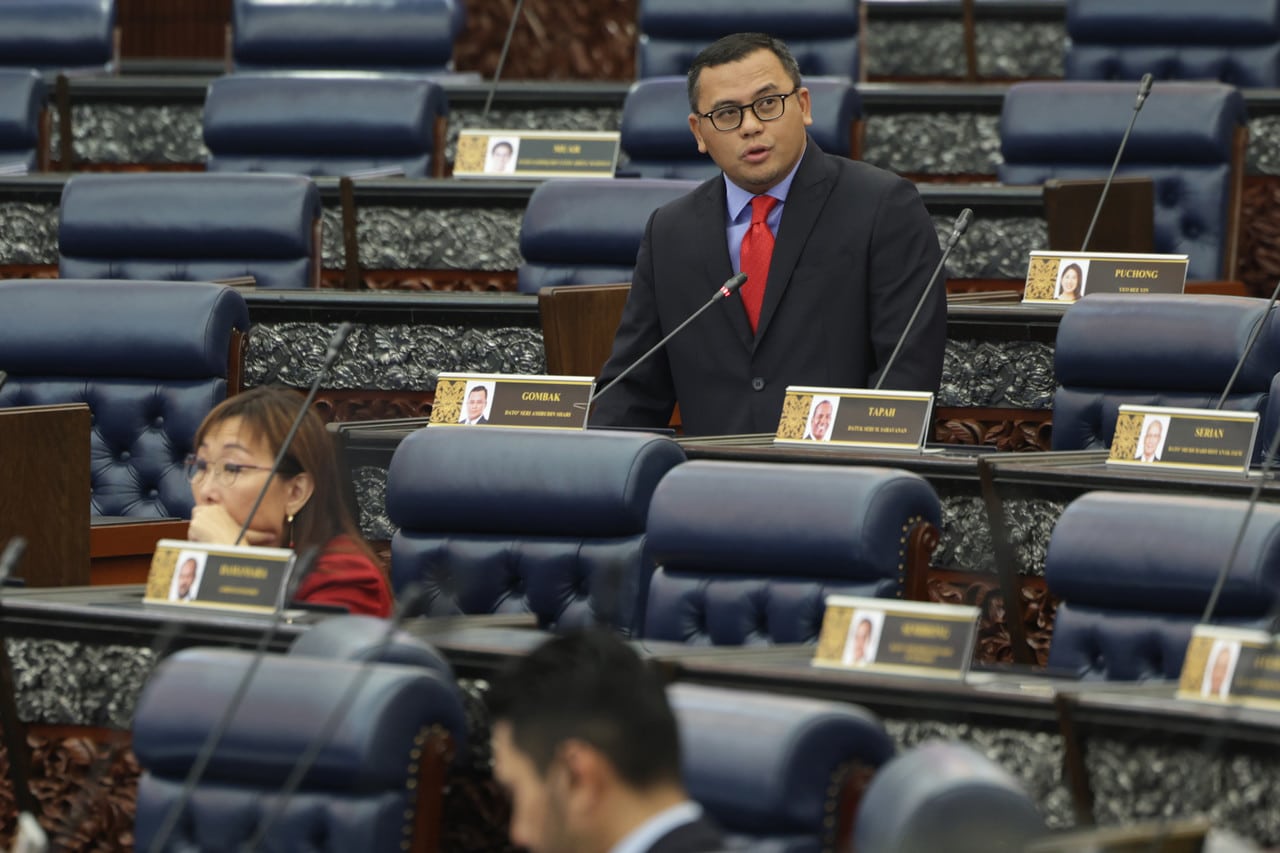
Samirul was commenting on Amirudin’s debate in the Dewan Rakyat on January 28, where the Menteri Besar proposed establishing a dedicated ministry to tackle urban poverty in Malaysia.
He argued that doing so is crucial to address the issue more comprehensively, given its wide-ranging and complex impact on communities, including malnutrition, learning difficulties, and long-term setbacks that leave families struggling.
For the portfolio to be effective, Samirul said it should prioritise delivery and outcomes, with the authority to coordinate budgets, share data across agencies, and set clear performance indicators, while avoiding duplication with existing welfare and cost-of-living programmes.
“Urban poverty should be treated as a household risk stack, not a single ‘income line’.

“What tends to work, in measurable and scalable terms, is targeted child nutrition and maternal health, including school meals, micronutrient programmes, and community health screening in high-risk urban pockets,” he said.
Clear, locality-based outcome tracking is critical to ensure policies deliver measurable impact rather than becoming spending exercises.
Macro gains don’t guarantee wellbeing
Commenting on the national economic performance, Samirul said indicators like the gross domestic product’s (GDP) growth and a stronger ringgit remain important signals of macroeconomic stability, jobs, and fiscal space, although they do not automatically translate into better living conditions for the people.
Instead, households experience the economy through real wages, job security, food prices, housing costs, and access to quality public services.
“You can have good GDP numbers and currency stability while many families still struggle with cost-of-living pressures.
“So yes, macro indicators are necessary foundations, and they create the space for wellbeing. But whether or not wellbeing improves depends on how growth translates into incomes, affordability, and public service delivery.”
Samirul added that growth can be unevenly felt if it is concentrated in capital-intensive or high-productivity sectors, and that currency gains may not ease household pressures if domestic prices remain high due to rents, markups, or supply bottlenecks.
Among ongoing reforms, subsidy restructuring offers the strongest immediate fiscal impact if implemented progressively and credibly, while the New Industrial Master Plan (NIMP) 2030 could raise productivity and create higher-value jobs over the medium term if execution is disciplined.
Meanwhile, he said the National Energy Transition Roadmap (NETR) is important for long-term competitiveness and energy resilience, though its benefits will take longer to materialise.