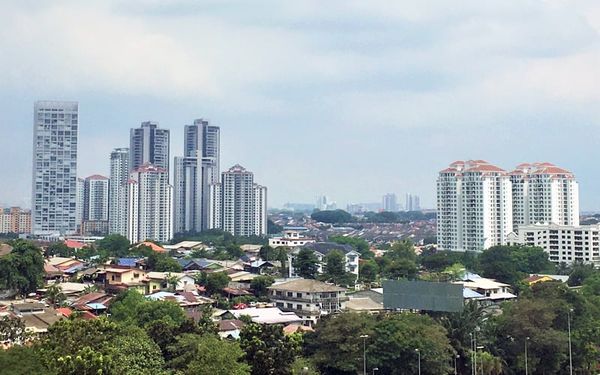
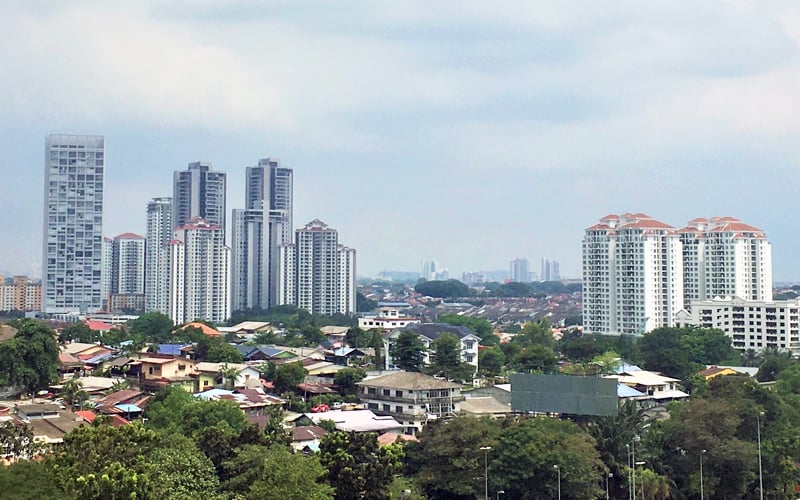


SHAH ALAM, Sept 30 — The state government’s effort to close the development gap between its districts will take into account Selangor’s uneven population distribution, with more than four million of its roughly seven million residents concentrated in Klang, Shah Alam, Subang Jaya, and Petaling Jaya.
The Star reported that Menteri Besar Dato’ Seri Amirudin Shari said the concentration is even greater when areas such as Hulu Langat and Kajang are taken into account, leaving several districts largely serving as feeder areas to the state’s main development centres.
“Now, we want to ensure areas such as Sabak Bernam, Kuala Selangor, and Gombak have their own economic activities.
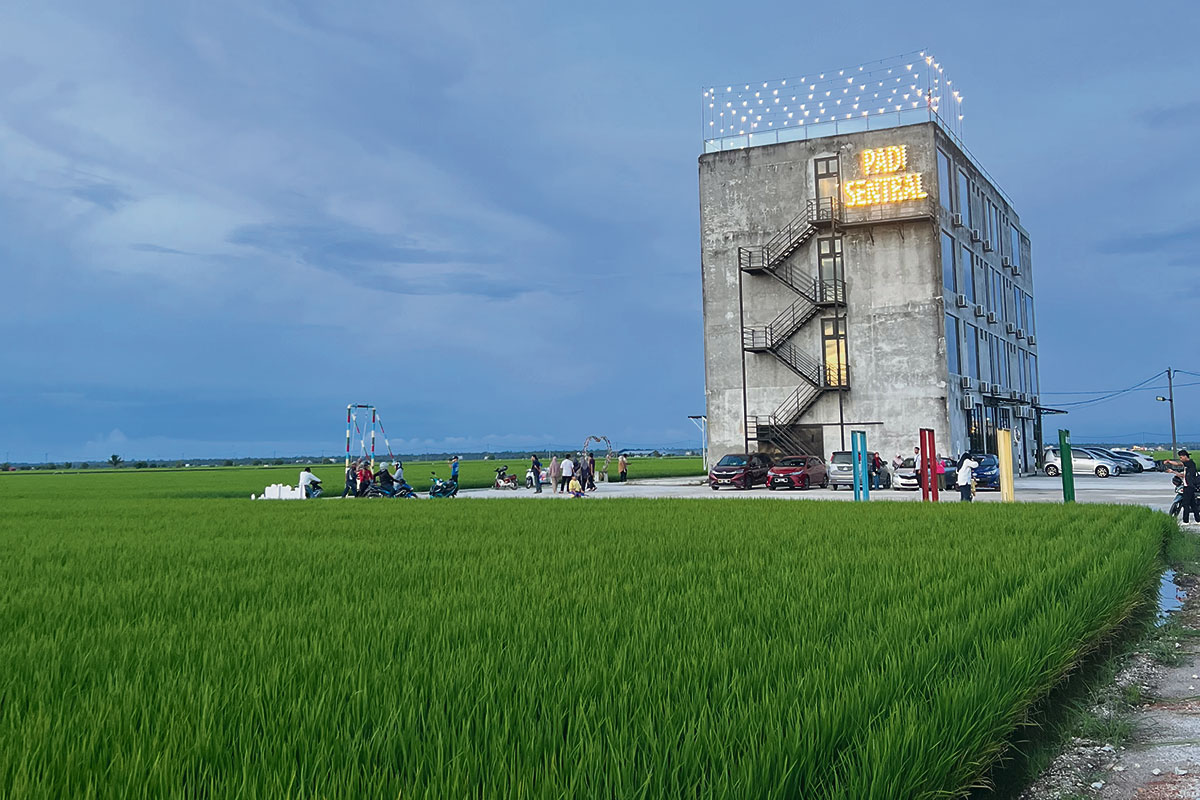
“People should be able to return to their hometowns, live near their families, and have good access to public transport. They can continue working in places such as Petaling Jaya while living in districts such as Sabak Bernam or Tanjong Karang.
“That is the new approach I want to see, and it is how we intend to close the development gap between Selangor’s districts,” he said in an interview.
Amirudin added that Selangor needs to look at how to close the gap between areas such as Sabak Bernam and Petaling Jaya in income, infrastructure quality, and other aspects, while using the potential and assets each area already has.
“Where government intervention is needed, we have to introduce new projects and new elements.
“But we cannot rush development. If we develop an area too quickly before it is ready, it can create a new crisis that we would then have to deal with,” he said.
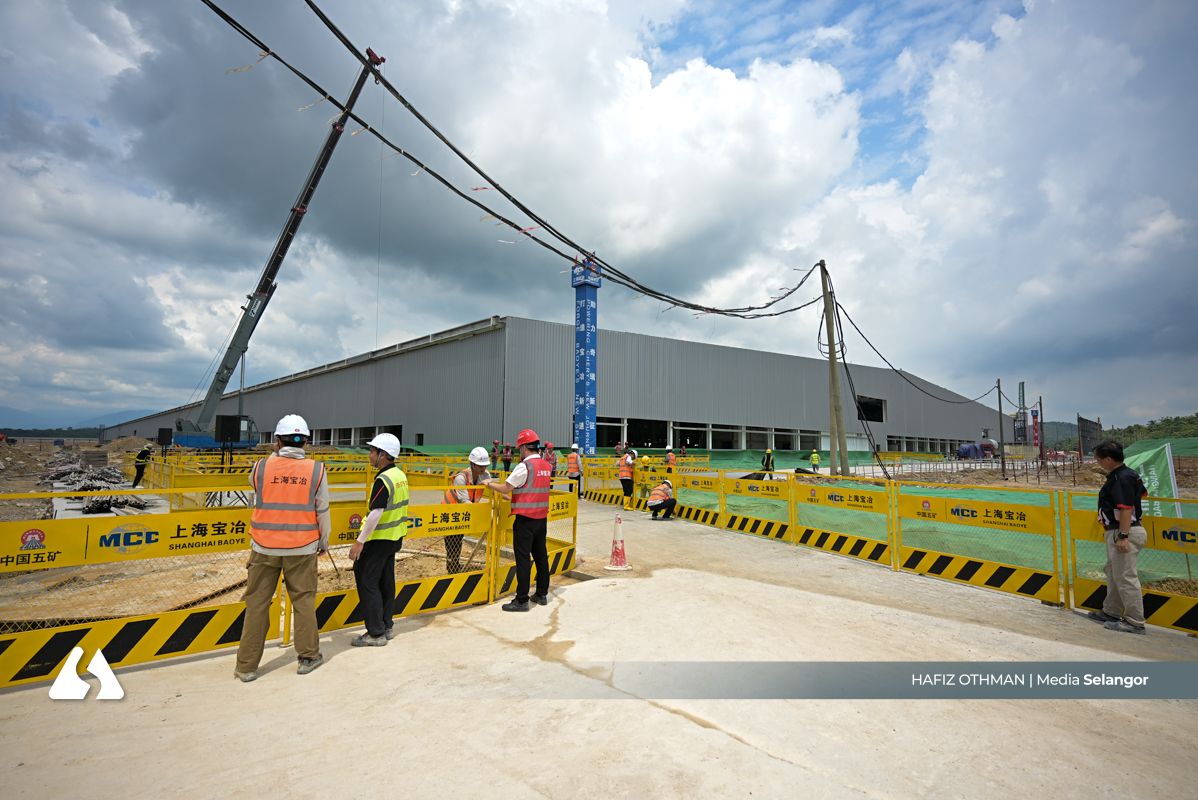
As such, Selangor expects to announce new investments in the coming months, which will be organised into clusters based on the strengths of individual areas, including agro-tourism, tourism, services, and manufacturing.
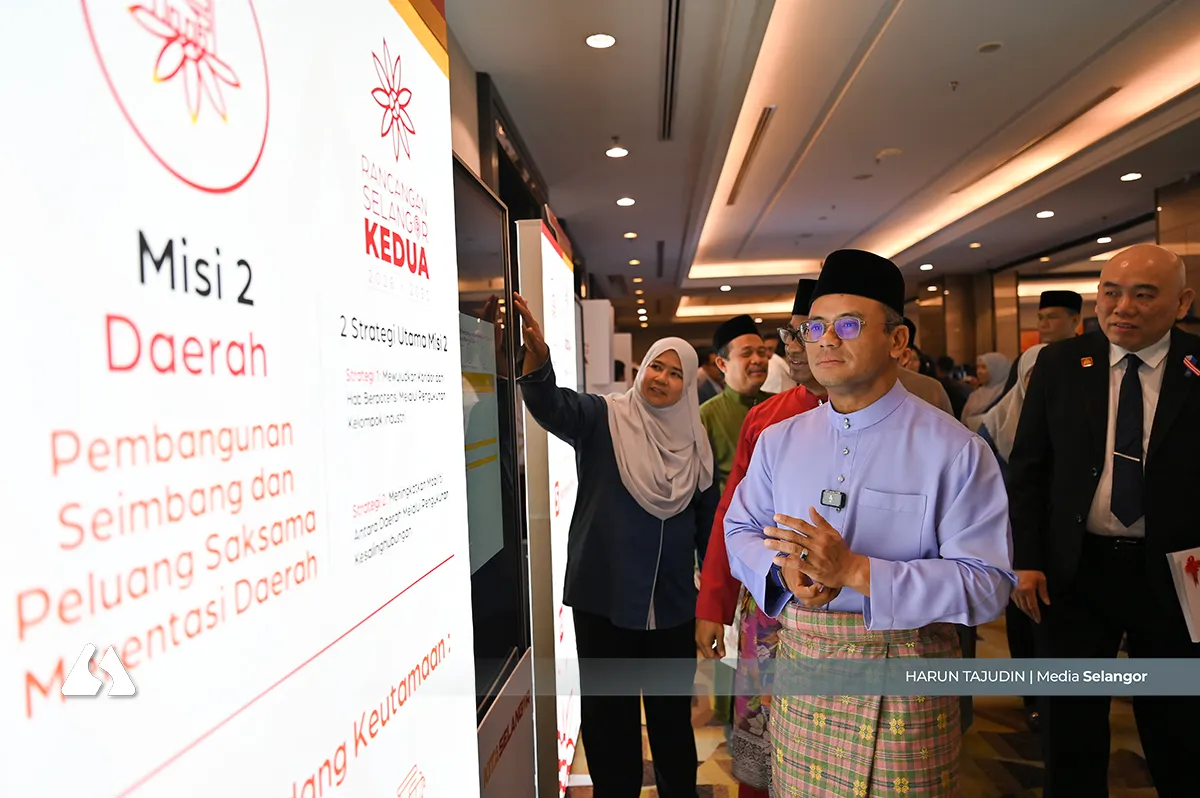
Developing these clusters is part of the approach first introduced under the First Selangor Plan (RS-1) and will now be strengthened under the Second Selangor Plan (RS-2) through a greater focus on narrowing the development gap between districts.
On the economy, Amirudin said that under RS-2, the state aims to position itself as a model province in Southeast Asia by 2030, with the focus extending beyond economic growth to quality of life and productivity.
Being Malaysia’s most developed state and largest contributor to national gross domestic product, Selangor seeks to benchmark itself against provinces and states with similar economic activities, responsibilities, and characteristics.
“We do not yet have a fixed set of parameters as they are dynamic and different frameworks apply.
“For example, Singapore cannot be compared directly with a Malaysian state because Singapore is a city-state and has the full functions of a country, including its own police force, Army, tax policies, and other powers,” he said.
Meanwhile, when asked about housing for Selangor residents, the Menteri Besar acknowledged that home ownership remains a major concern, given the state’s large population and high housing costs.
To address this, the state government has adjusted its housing policy to focus on ensuring people have better access to shelter, including to rental programmes, rather than immediately pushing for home ownership.
“Complaints (about housing costs and home ownership) are always high as we have the highest population compared with other states. States such as Sarawak have huge reserves, but their population is less than three million people.
“We have around RM3 billion to RM4 billion in reserves, but our population is now perhaps 7.5 million people, so there are many voices and many demands. One of the biggest demands is housing,” Amirudin said.