
SHAH ALAM, Aug 7 — The state government has identified five high-growth sectors to drive the Second Selangor Plan (RS-2), as it aims to form a RM600 billion economy by 2030 amid global uncertainties.
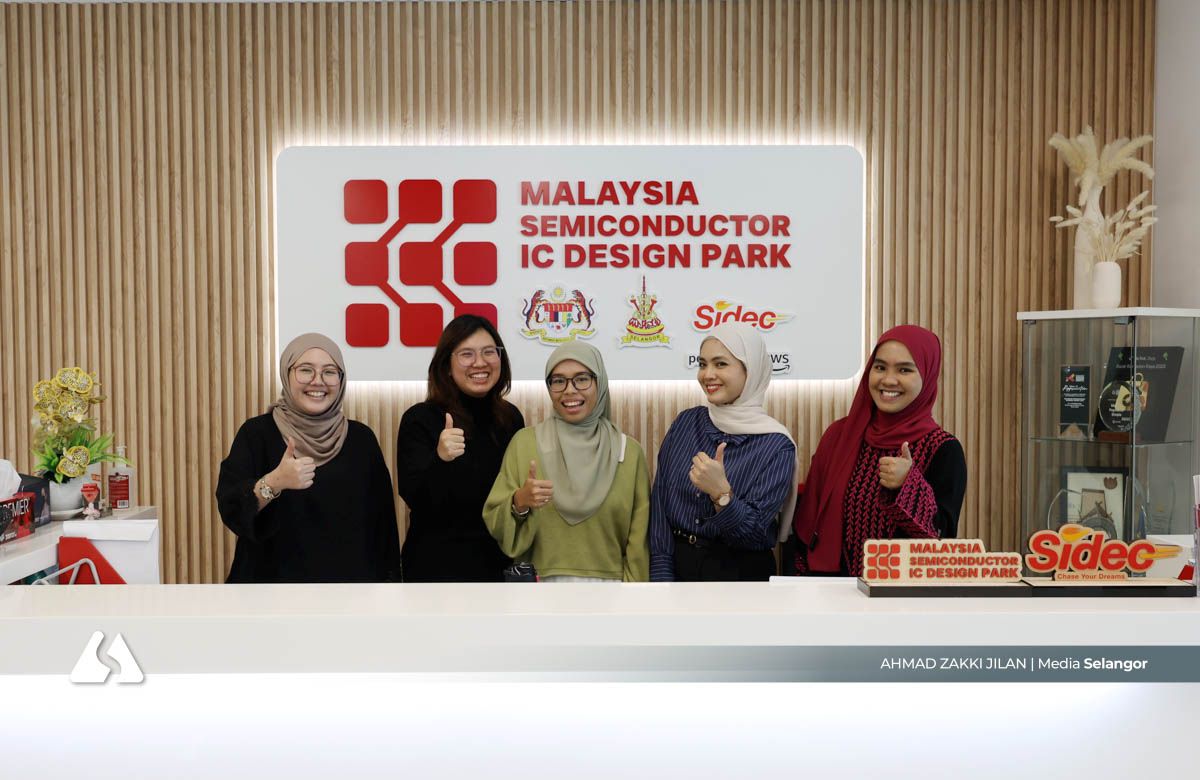
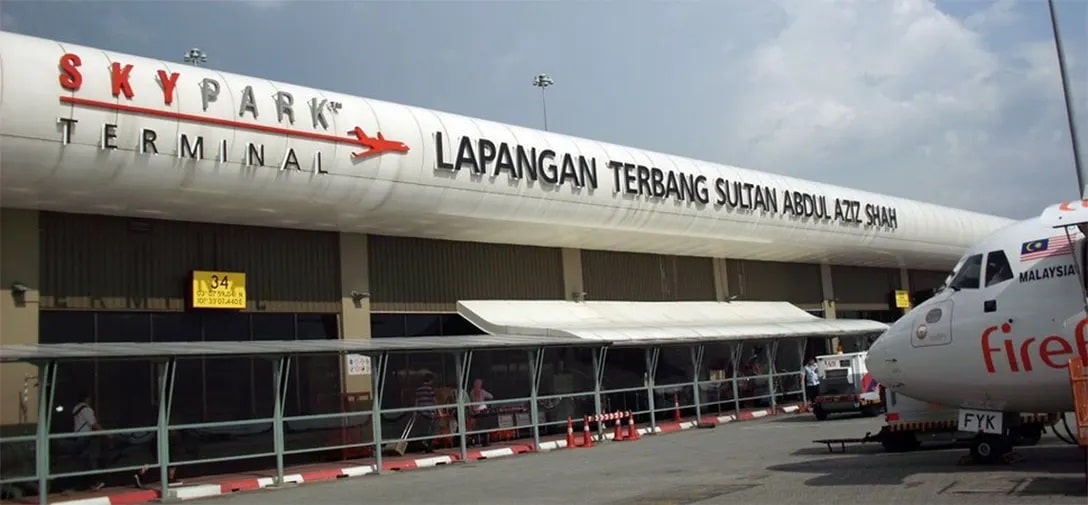
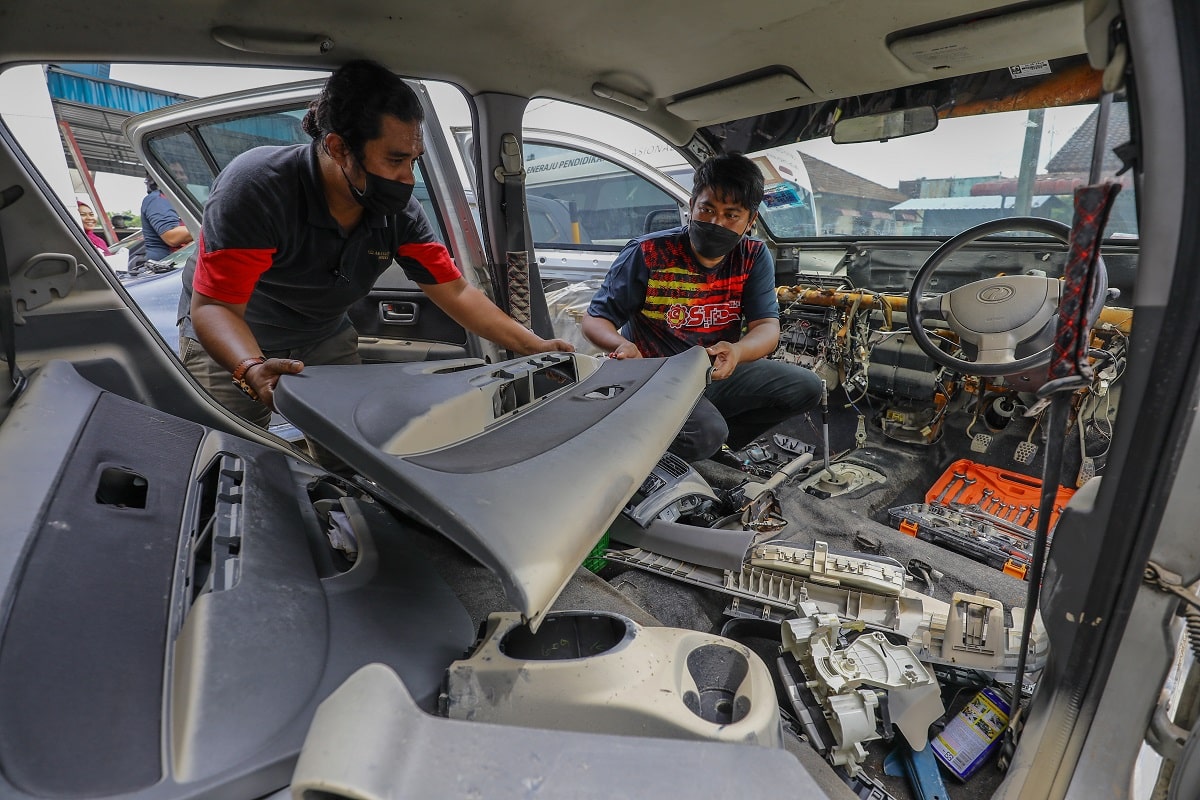
Menteri Besar Dato’ Seri Amirudin Shari said these are the electrical and electronic (E&E), aerospace, automotive, digital, and creative economies.
He said these sectors, under RS-2’s Mission 1: Advancing Selangor’s Economic Leadership, would be supported through 13 strategic initiatives aimed at ensuring sustainable economic growth while strengthening domestic investments and creating more jobs.
“All five sectors would be supported through 13 strategic initiatives, so the economy and gross domestic product (GDP) grow sustainably, with a target growth rate of 6.1 per cent, while strengthening investments, especially from domestic sources, to a cumulative target of RM330 billion and reducing the unemployment rate to 2.2 per cent by 2030.”
He was addressing the Selangor State Legislative Assembly here today while tabling the RS-2.
Amirudin said the strategy forms part of Selangor’s broader ambition to cement its position as Malaysia’s leading economic powerhouse, even as the country faces a more challenging global economic outlook.
He also noted that Selangor contributed RM460.1 billion to the national economy in 2025 and recorded an economic growth of 6.3 per cent, surpassing the national rate.
“The state government hopes to become the first state in Malaysia with an economy worth RM500 billion. We are confident that under RS-2, Selangor’s economy can reach RM600 billion.
“To achieve this target, we cannot continue with ‘business as usual’,” he said, adding that the state must safeguard the future of industries, especially small and medium enterprises (SMEs), and ensure workers are prepared for structural economic changes.
According to him, the government’s role extends beyond regulating businesses to proactively shaping industrial development and unlocking opportunities in emerging sectors.
However, as Malaysia’s largest economic contributor, he said the state cannot afford to drastically alter its economic structure.
Instead, with limited land resources, Amirudin said Selangor would prioritise hi-tech industries that maximise efficient land use, while ensuring industrial transformation is guided by regeneration and rejuvenation, as the foundation for future reforms.