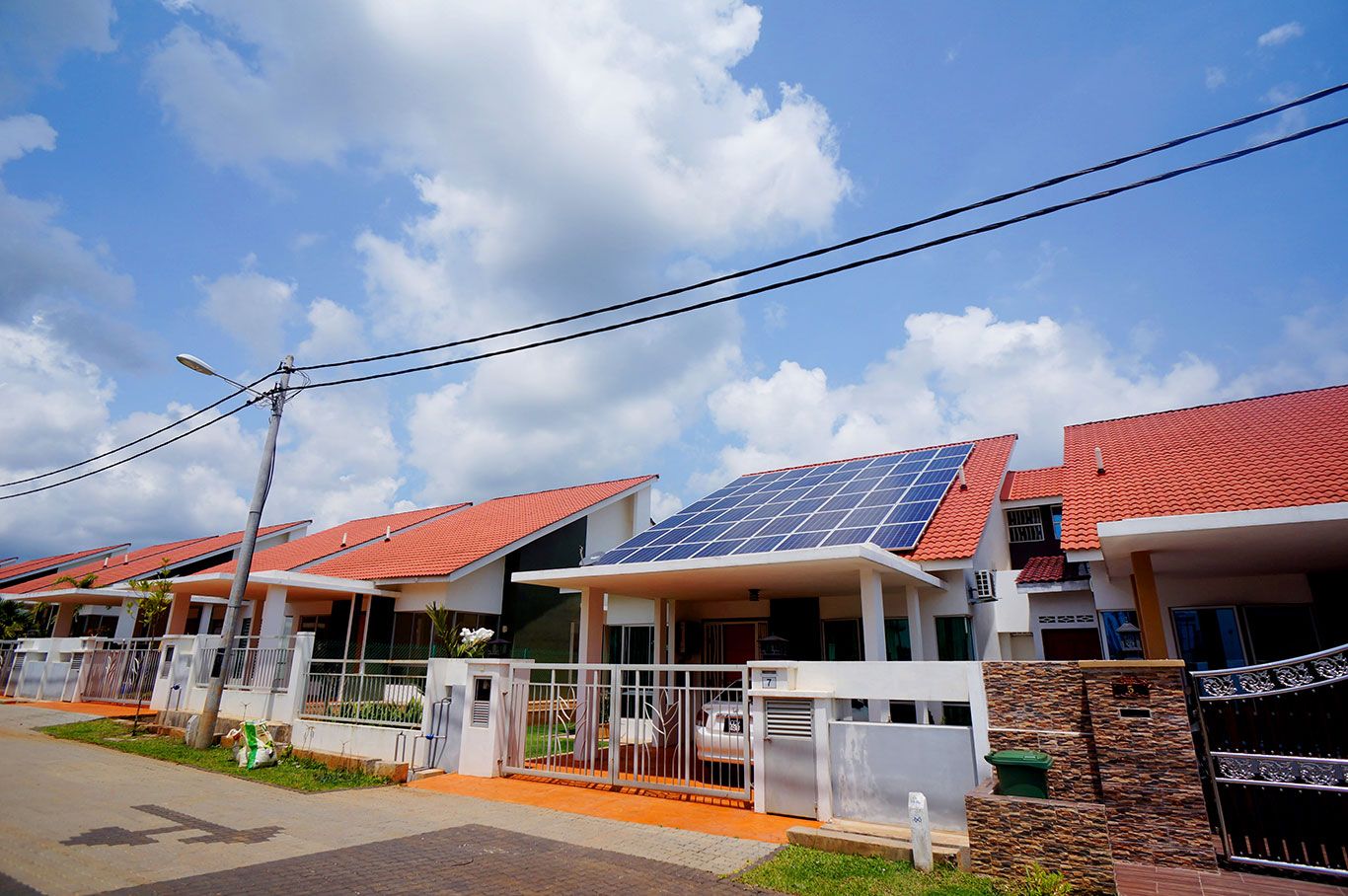
SHAH ALAM, June 21 — Green technologies are expected to gain wider adoption among households in Selangor as many solutions provide long-term cost savings through improved efficiency and the use of renewable resources, especially amid rising energy costs, said Selangor Climate Action Council (SCAC) executive director Danial Lee.
He said incentives such as the state government’s 100 per cent assessment tax rebate for households adopting green technologies could help reduce the initial financial burden and encourage more residents to invest in sustainable solutions.
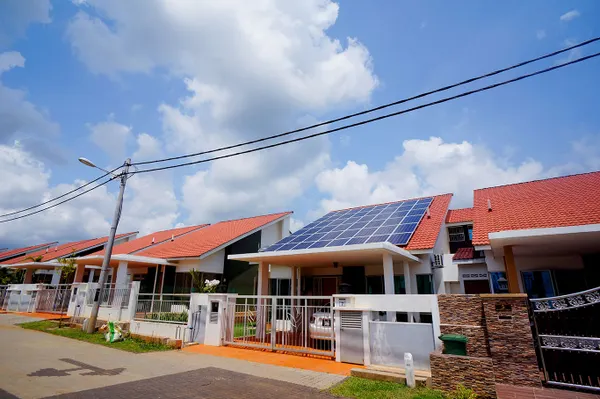
“Incentives like these will definitely help as it reduces the cost to adopt these practices, that not only are good for the environment, but (are) cost-saving as well for things like rooftop solar and rainwater harvesting,” he told Media Selangor, when asked to comment on initiatives under Phase 2 of the Selangor Resilience Enhancement Package (SREP).
SREP Phase 2 was tabled by Menteri Besar Dato’ Seri Amirudin Shari during a special Selangor State Legislative Assembly sitting here on Friday.
Among the initiatives are full assessment rate rebates for households that install green technology systems, as part of efforts to accelerate Selangor’s transition towards clean, sustainable energy.
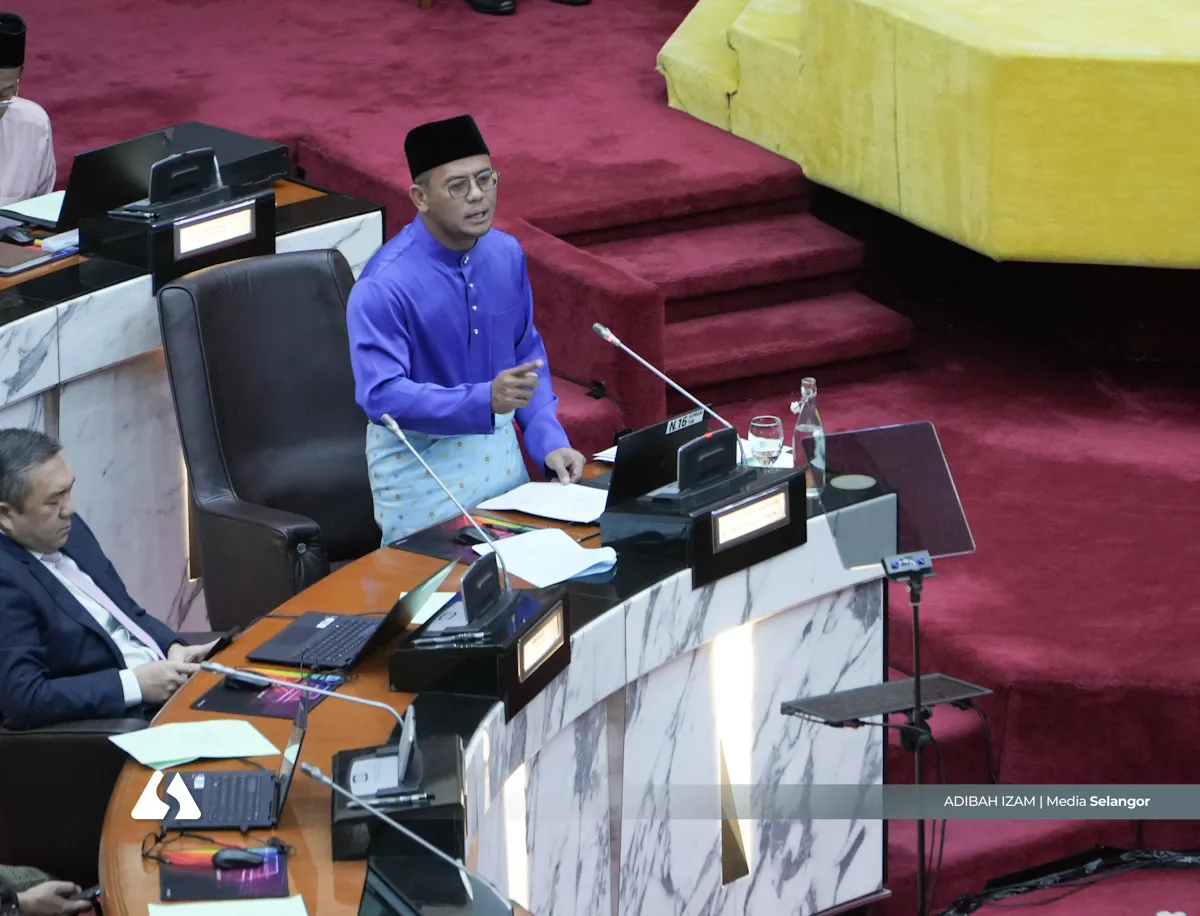
Lee said the rebate would complement existing incentives introduced under the Madani Government, which aim to encourage households’ adoption of green technologies.
“For example, the SuRIA Home initiative under the Solar ATAP programme gives additional incentives up to RM3,000.
“There is also a tax relief of up to RM2,500 for households that purchase compost machines for domestic use,” he explained.
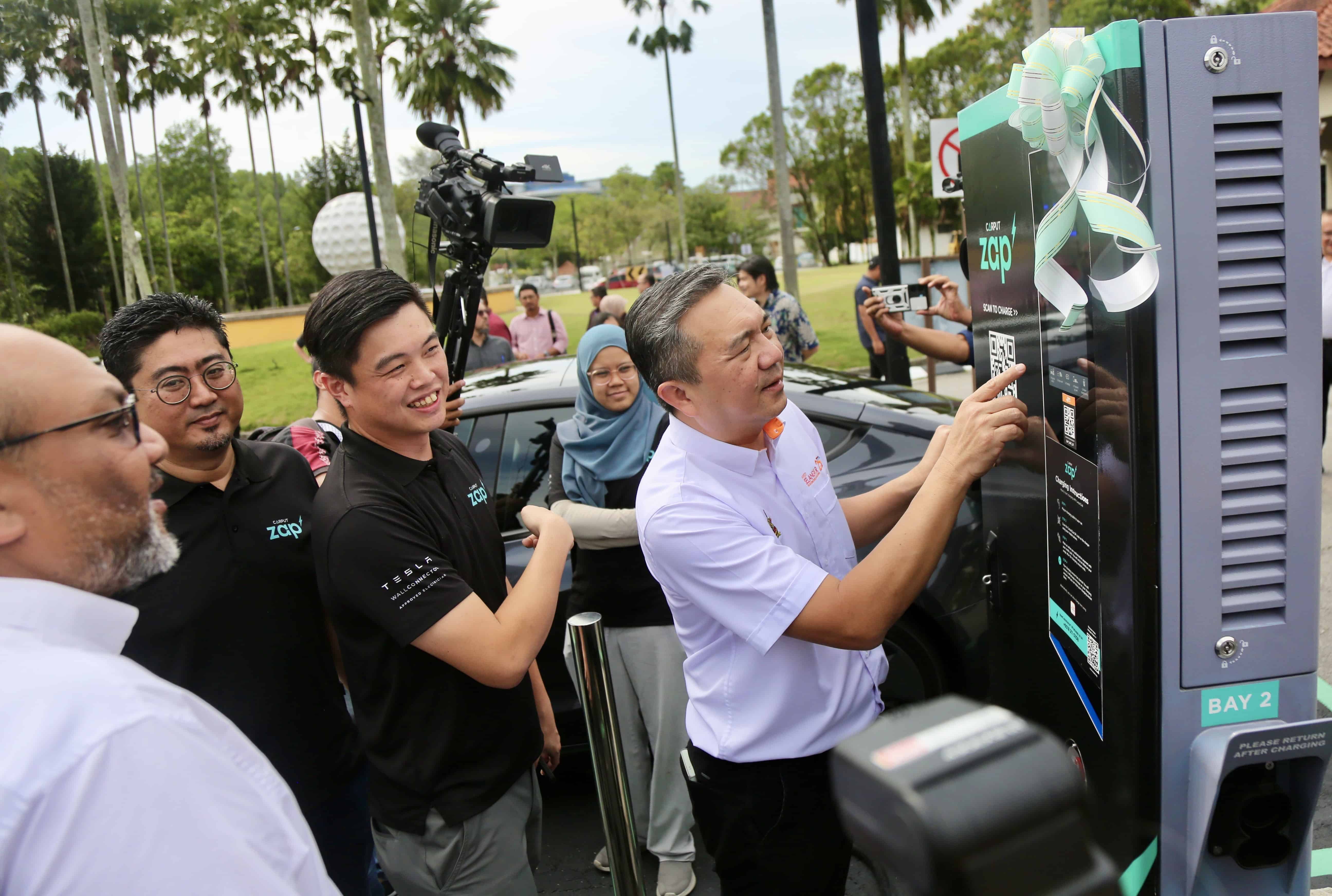
When asked whether the rebate would be enough to encourage investment in technologies such as rooftop solar systems, rainwater harvesting systems and electric vehicle charging facilities, Lee explained that lowering upfront costs is a key factor to drive adoption.
“Most green technology applications would result in long-term cost savings, especially with the current trend of energy prices as these are more efficient products or use alternative renewable resources.
“The government’s strategy to help incentivise the initial cost is on track to encourage wider adoption, which will likely sustain due to the cost saving nature of these technologies,” he said.
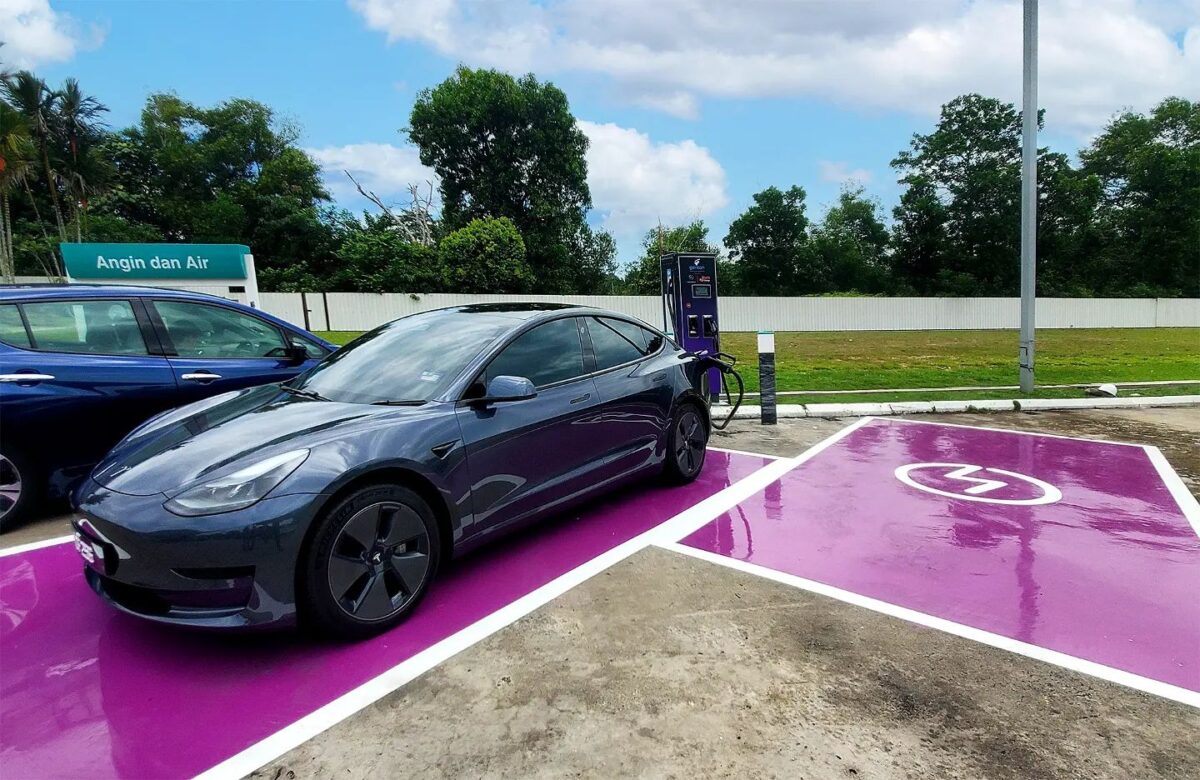
Lee added that the long-term financial benefits of these technologies could help ensure adoption continues beyond the initial incentive period, as households benefit from lower operating costs while contributing to environmental sustainability.
When tabling SREP Phase 2, Amirudin said the global supply crisis has underscored an urgent need for Selangor to transition towards cleaner energy solutions and more sustainable practices.
He said each Selangor local authority will allocate funds — RM100,000 from district councils, RM200,000 from municipal councils, and RM1.5 million from city councils — to support the green technology adoption initiative.