SHAH ALAM, June 22 — Guidelines for lower assessment rates for eco-friendly homes, announced under Phase 2 of the Selangor Resilience Enhancement Package (SREP), will take effect July 1, said state executive councillor for local government and tourism Dato’ Ng Suee Lim.
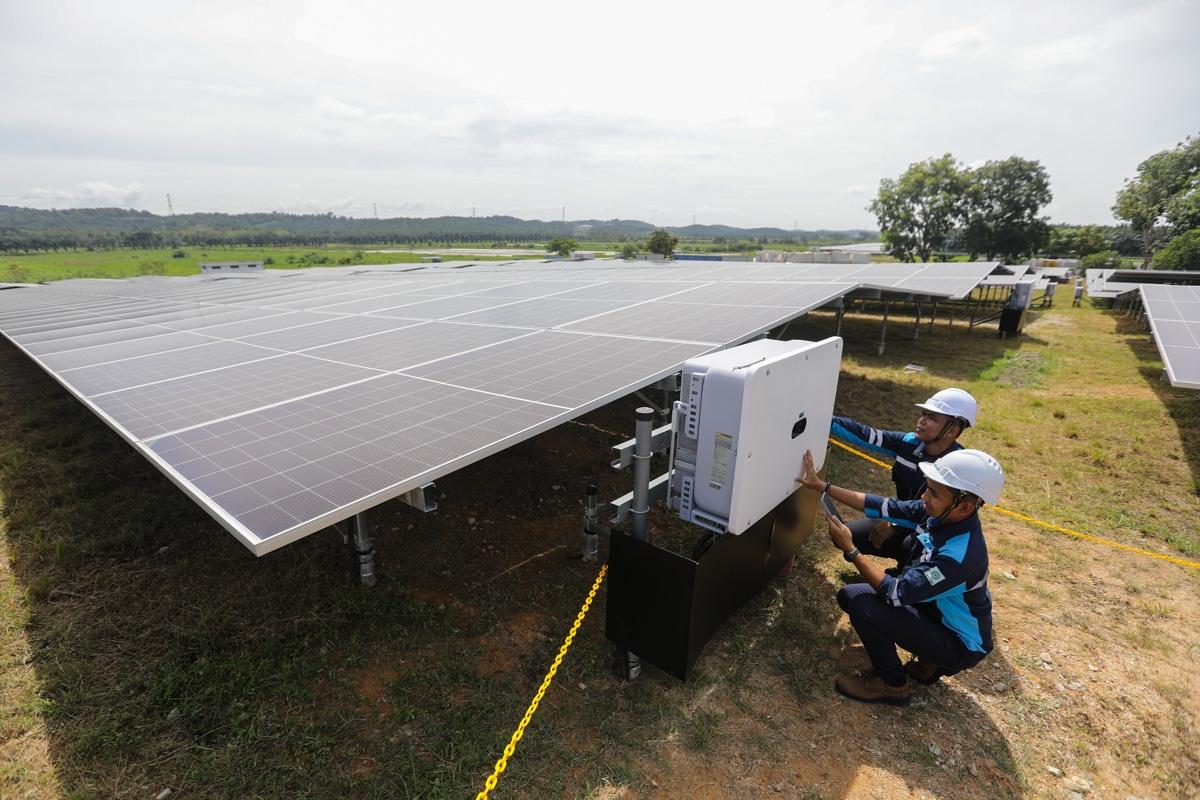
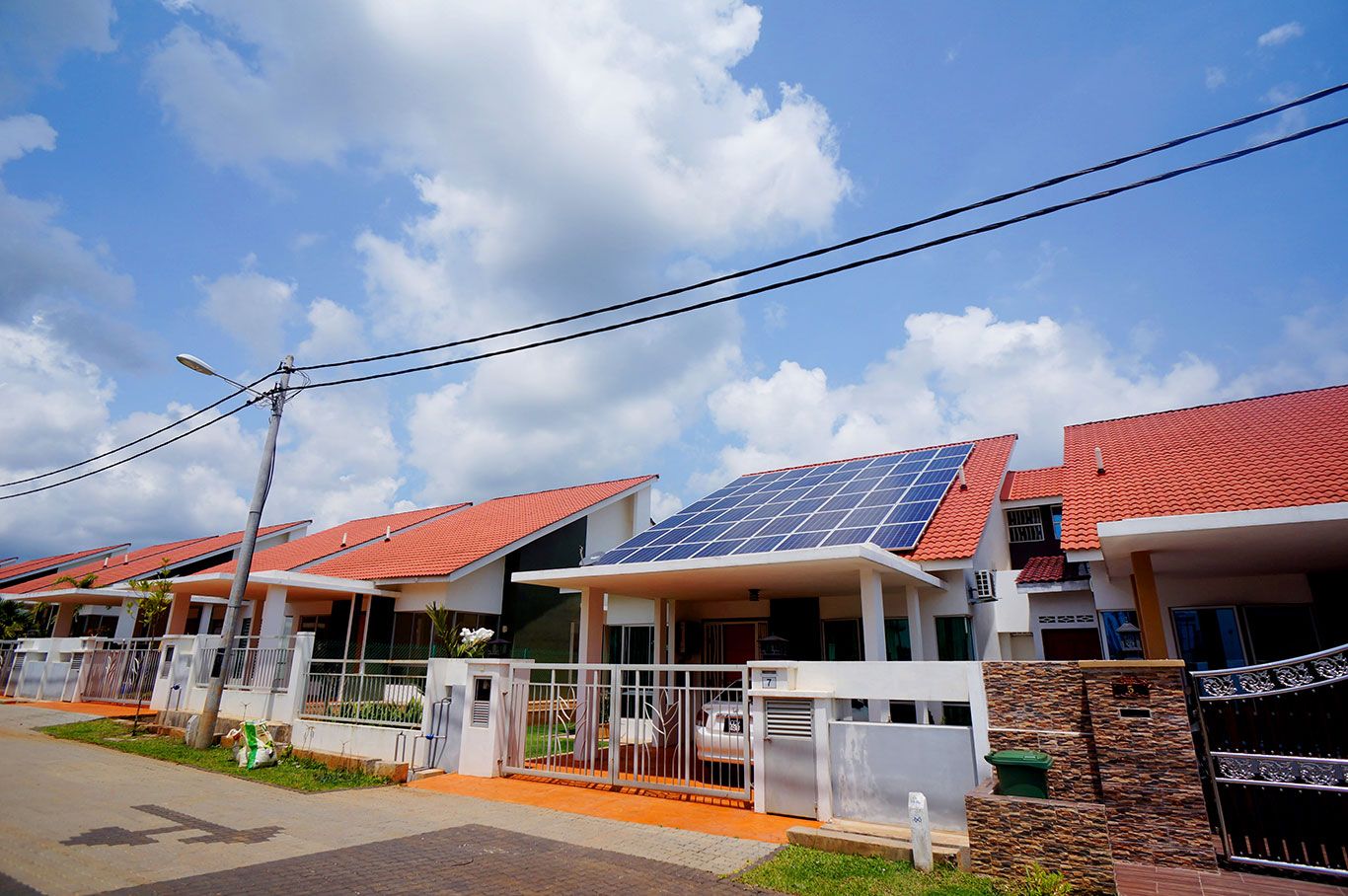
He said the incentive allows homeowners who, as of January 1, had installed solar systems, use energy-efficient equipment, and set up rainwater harvesting systems will be considered for discounts on their assessment rates.
He said electric vehicle (EV) owners and those who recycle and reduce domestic waste from January 1 would also be considered for the same incentive.
“According to our guidelines, we will grant a (discount) in the context of assessment rates from July 1, 2026.
“This is a new development (in) the state government’s new initiative to encourage stakeholders, Selangor residents, to support green energy initiatives like installing solar panels on their homes to save electricity,” he added after winding up the debate on SREP at the Selangor State Legislative Assembly here today.
On June 19, Menteri Besar Dato’ Seri Amirudin Shari announced a 100 per cent assessment rate rebate for homeowners who install rooftop solar panels, to encourage the people to make use of green technology and sustainable practices.
According to him, the incentive covers rainwater harvesting systems, recycling practices, food waste composters, and EV chargers.
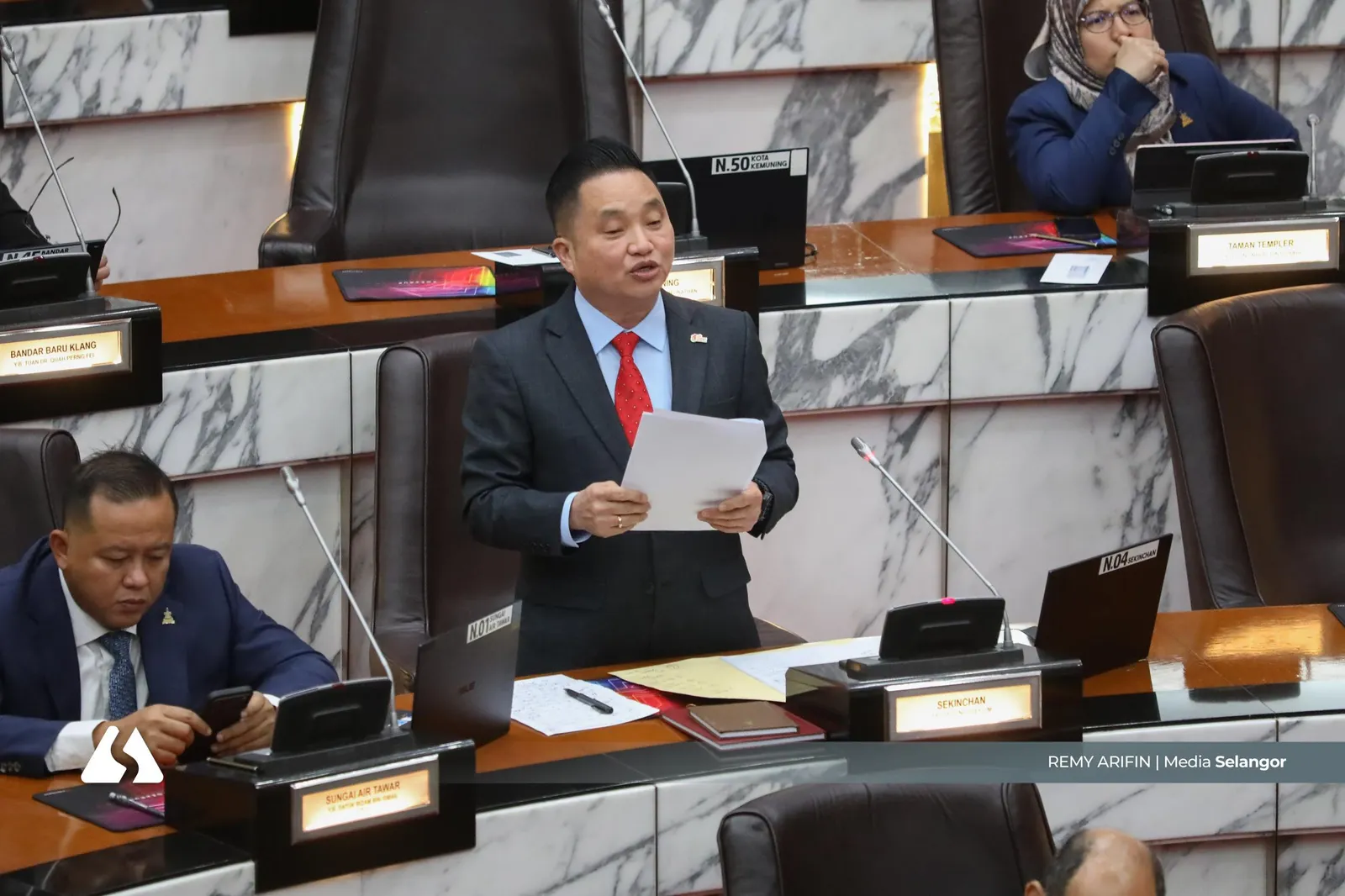
On the disposal of green technology waste like solar panels and EV batteries, Ng said the state government will research the best method, adding that green energy use must come with comprehensive plans including disposal methods as components like EV batteries contain chemicals that could be hazardous to the environment if not properly handled.
“Developed countries like China also face the same challenge in managing large-scale solar panel and battery waste. That is why local authorities and the state government will study best practices in other countries to ensure disposal is done according to (global) standards and lower risk to the environment,” he explained.
He said there are suggestions that studies by local universities into green technology waste disposal methods will be considered by the government, and that institutions like Universiti Selangor (UNISEL) and Universiti Islam Selangor (UIS) could become strategic partners in developing research and pilot projects to identify efficient, safe and environmentally friendly disposal methods.
“Research by local universities are important to help the government formulate policies and find the best solution suited to the country and state’s future requirements,” Ng added.
Selangor has allocated RM145.8 million and RM209.26 million for SREP Phases 1 and 2, respectively. The first phase has seven initiatives and the second has 15.
SREP was launched to cushion the people and businesses from the impact of global economic uncertainties.