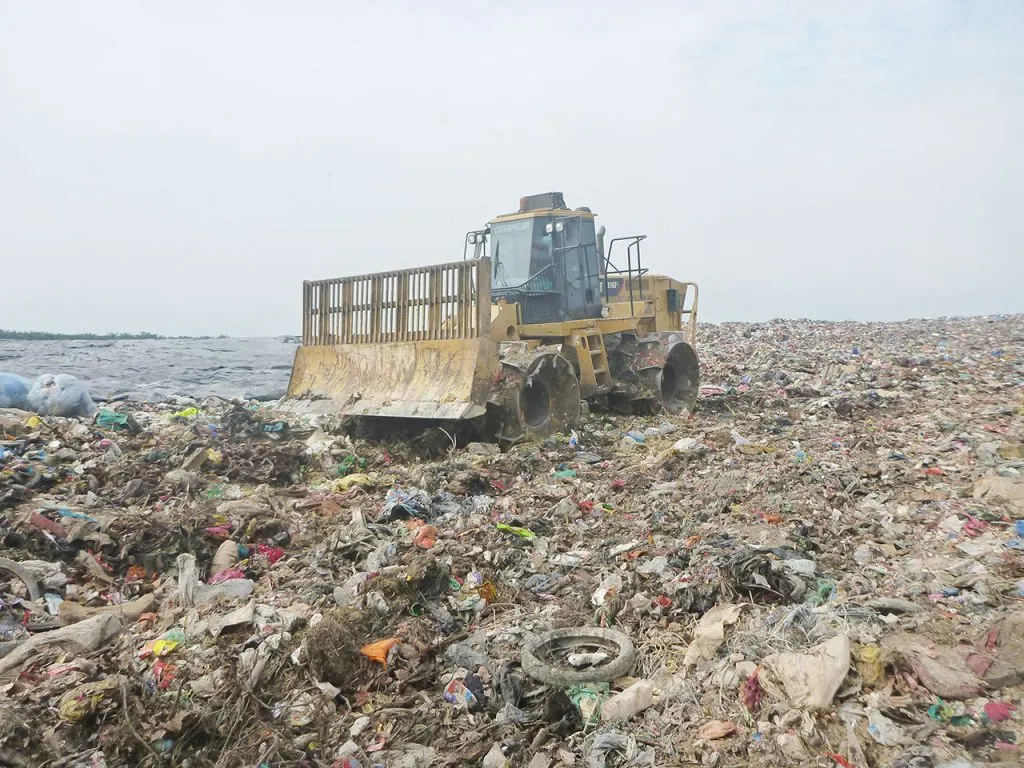

SHAH ALAM, Nov 6 — KDEB Waste Management (KDEBWM) has collected about 60 tonnes of rubbish and flood-damaged belongings from four affected areas in Selangor so far.
KDEBWM senior general manager of operations Mohd Idris Mohamed Yusof said the amount was expected to reach between 200 and 300 tonnes as many residents, particularly in Kampung Melayu Subang, had yet to fully dispose of belongings damaged by the floods.
"So far, we have made about 18 lorry trips and removed approximately 60 tonnes of waste.
"We expect the total to reach between 200 and 300 tonnes because residents have yet to bring out all their flood-damaged belongings," he told Media Selangor when contacted.
According to him, clean-up operations are focused on four main areas: Kampung Melayu Subang, Kampung Paya Jaras, Kubu Gajah and Saujana Aman in Kuala Selangor.
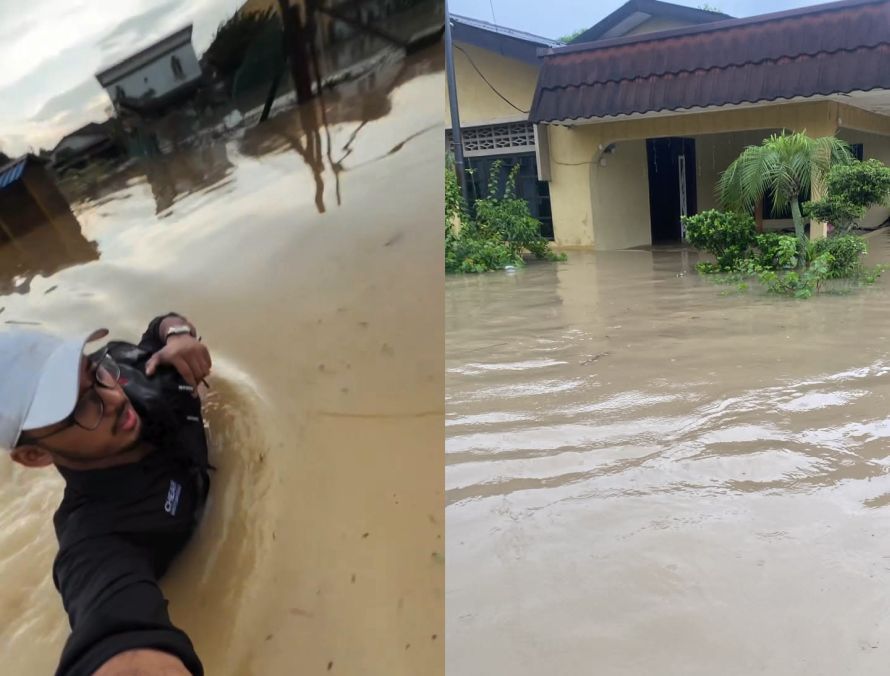
He said Kampung Melayu Subang was among the worst-hit areas and required more intensive clean-up efforts, as floodwaters had yet to fully recede in some locations.
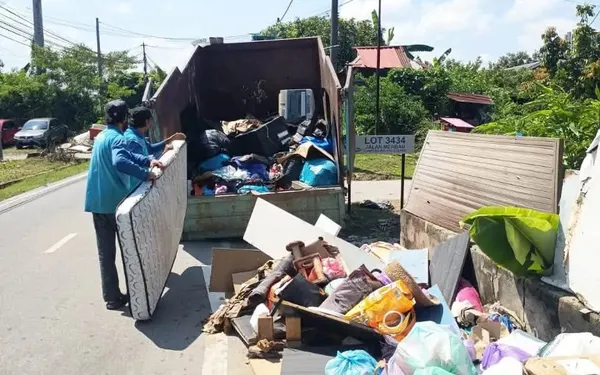
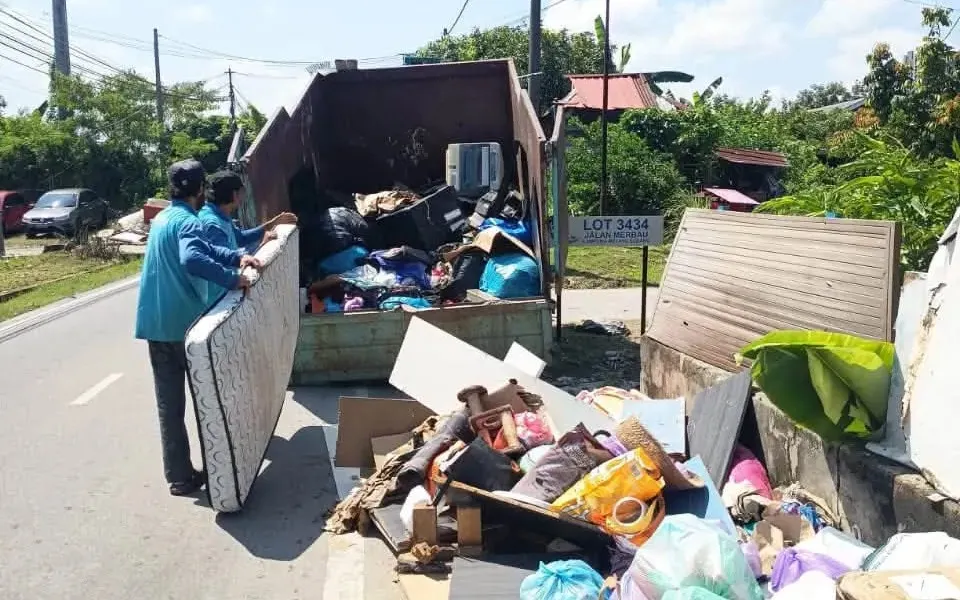
"Among the damaged items discarded by residents are sofas, refrigerators, carpets and mats.
"However, many residents have yet to remove all their damaged belongings because they fear another round of flooding, given that it has been raining almost every afternoon," he said.

Mohd Idris said KDEBWM had provided eight roll-on roll-off (RoRo) waste containers in Kampung Melayu Subang, four in Kampung Paya Jaras and three in Kubu Gajah to speed up flood waste collection.
"RoRo containers have also been placed in Saujana Aman, Kuala Selangor, while workers and collection lorries are deployed daily according to the needs of the affected areas," he said.
However, he said narrow roads in village areas posed a challenge to operations, particularly when large pieces of furniture discarded by residents obstructed the movement of collection lorries.
"Roads in village areas are quite narrow. When large pieces of furniture are placed along the roadside, it can make it difficult for lorries to enter.
"That is why our workers help carry waste from areas that lorries cannot access. We are also prepared to deploy additional assistance from Selayang if necessary," he added.

He said monitoring had also been intensified in areas with large accumulations of waste to ensure prompt collection and reduce the risk of pollution and disease.
"If a location requires three lorries, we will send three. We will continue monitoring and collecting waste brought out by residents every day.
"For now, we can still manage collection using our existing lorries, but temporary waste collection centres have been identified in case the volume of rubbish increases sharply," he said.
Mohd Idris said the use of temporary collection centres would be considered if residents disposed of large quantities of damaged belongings simultaneously, to help speed up clean-up operations.
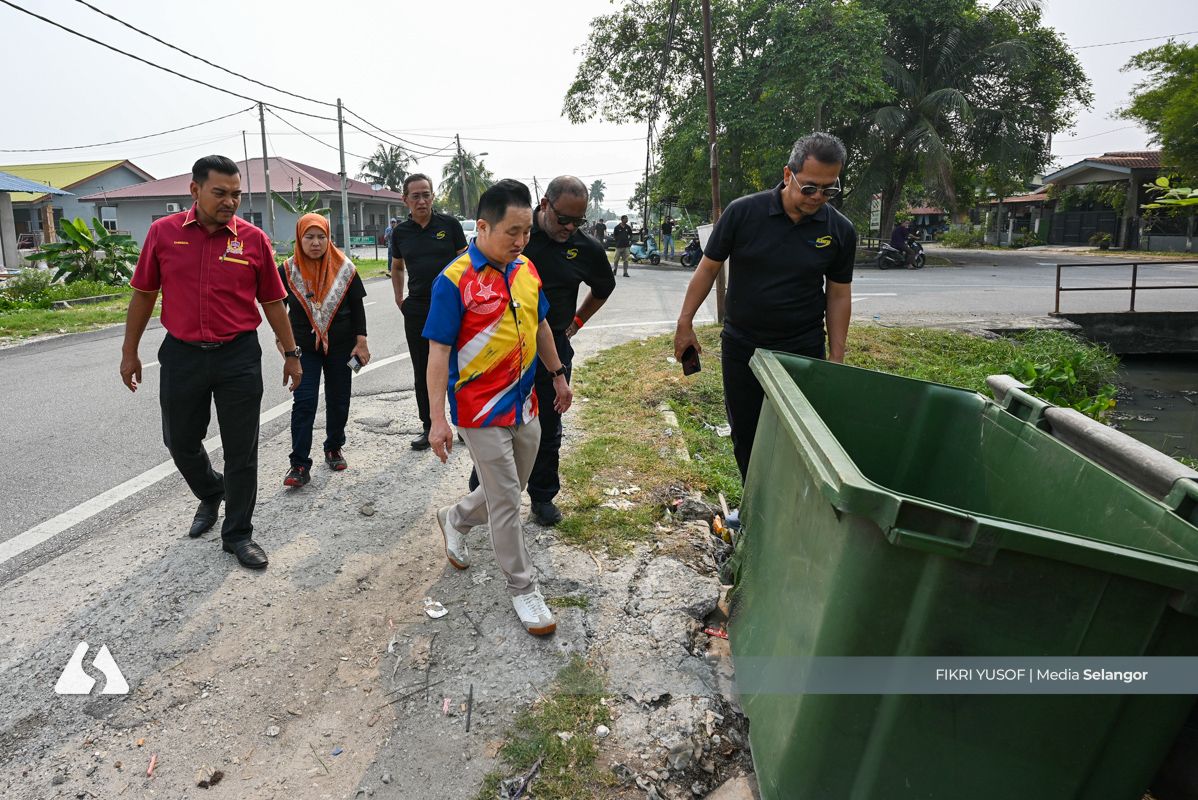
Meanwhile, he reminded the public not to dispose of rubbish indiscriminately, particularly into drains, as this could obstruct water flow and increase the risk of flash floods.
He said discarded items found included water bottles, bags and shoes, which could potentially clog drainage systems.
"Do not throw rubbish into drains because it can block water flow and cause flash floods.
"For affected residents, please place damaged belongings in locations that are easily accessible to collection lorries so that clean-up work can be carried out more quickly," he said.