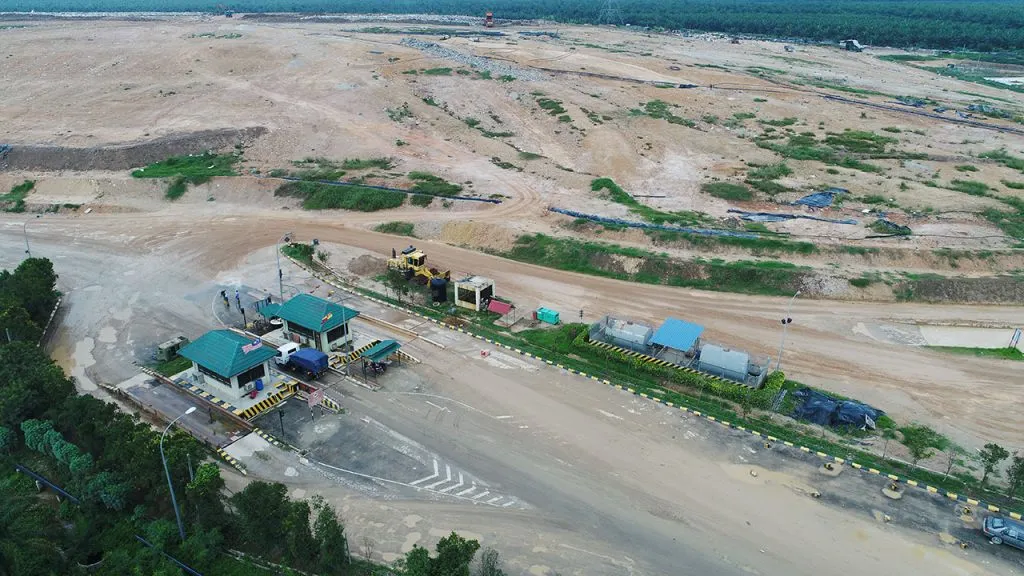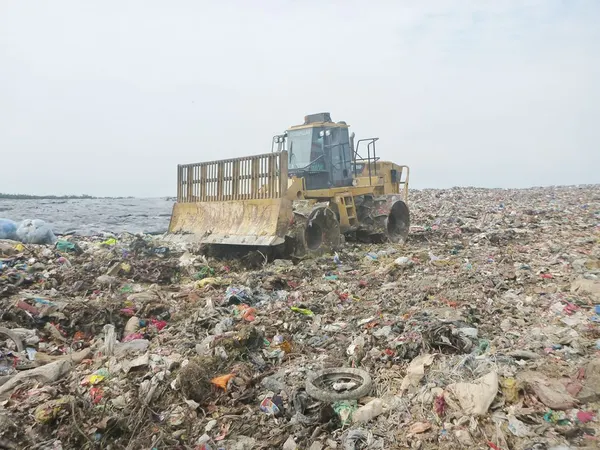
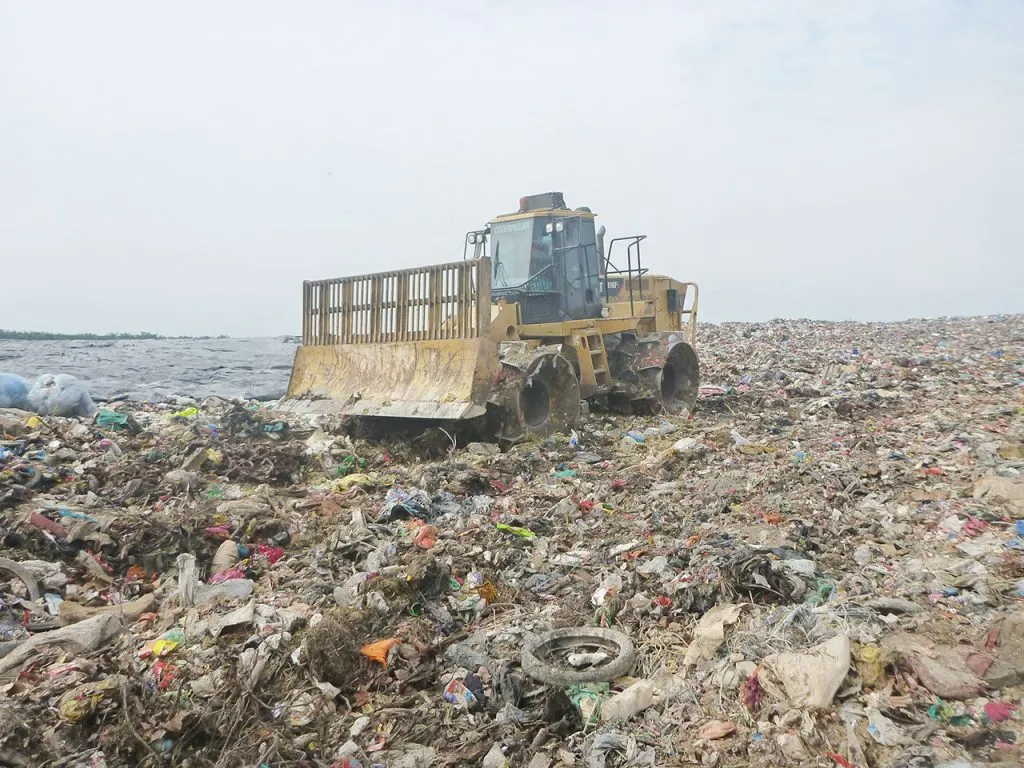


SHAH ALAM, Aug 12 — A 100-acre landfill in Selangor is expected to reach full capacity within six to seven years if the current rate of waste generation remains unchanged.
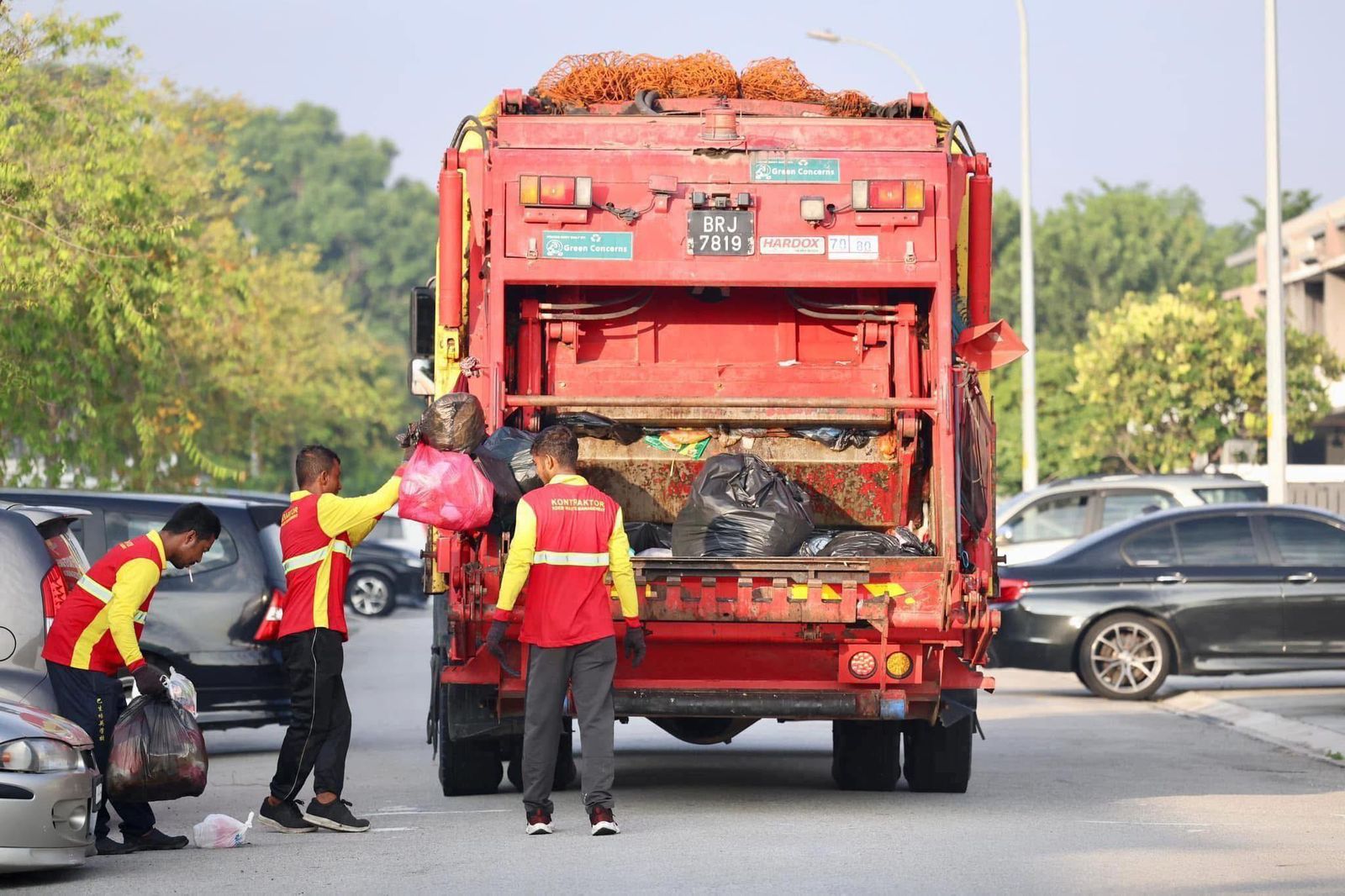
KDEB Waste Management Sdn Bhd's (KDEBWM) managing director Dato' Ramli Mohd Tahir said the situation requires attention, as nearly 10,000 tonnes of rubbish have been managed daily in the state over the past four years.
“If we continue generating waste in Selangor at the current rate, a 100-acre landfill will be full within six to seven years.
“So how long do we want to continue using Selangor’s valuable land and sacrificing it just to turn it into a landfill? We cannot,” he said.
Ramli added that the high volume of rubbish not only puts pressure on landfill capacity, but also involves significant expenditure, with disposal costs alone estimated at between RM80 million and RM100 million annually.
The costs involve waste disposal at several landfills used by local authorities, while KDEBWM is responsible for collection and transportation.
“The government spends a lot of money on collection, transportation, and disposal. For waste disposal alone, I estimate the total cost at around RM80 million to RM100 million a year,” he said.
Ramli was speaking after the signing of a memorandum of understanding (MoU) for the redevelopment of the former Telok Kapas Landfill at the State Secretariat Building today.
Commenting on the amount of waste managed, he said that the nearly 10,000 tonnes collected daily comprised organic domestic waste from homes, shops, institutions, and commercial premises, as well as public-cleaning and bulky waste.
Population growth, including the arrival of students and workers, also contributes to the amount of waste that needs to be managed each day.
“We do carry out awareness programmes and campaigns to reduce waste generation at source, but waste is still being generated. So I appeal to everyone to be more aware, share the responsibility and try to reduce waste generation,” Ramli said.
He noted that the public can play a role by reducing plastic use and separating materials such as paper, cardboard, and other items that could still be recycled, so they do not end up in landfills.
Doing so is important for reducing the amount of waste sent to landfills, thereby helping extend the lifespan of these facilities.
“The rubbish actually comes from us, not someone else. So we need the right knowledge and understanding to reduce waste from the outset.
“If developed countries can reduce waste generation and practise recycling, reuse, and so on, I am confident that we can do the same in Selangor,” Ramli said.
He underscored that Kajang recorded the highest volume of rubbish collected in Selangor, at around 1,200 to 1,300 tonnes a day, while Sabak Bernam recorded the lowest.
“The more people living in an area, the greater the amount of waste generated. Kajang is now one of the most densely populated areas.
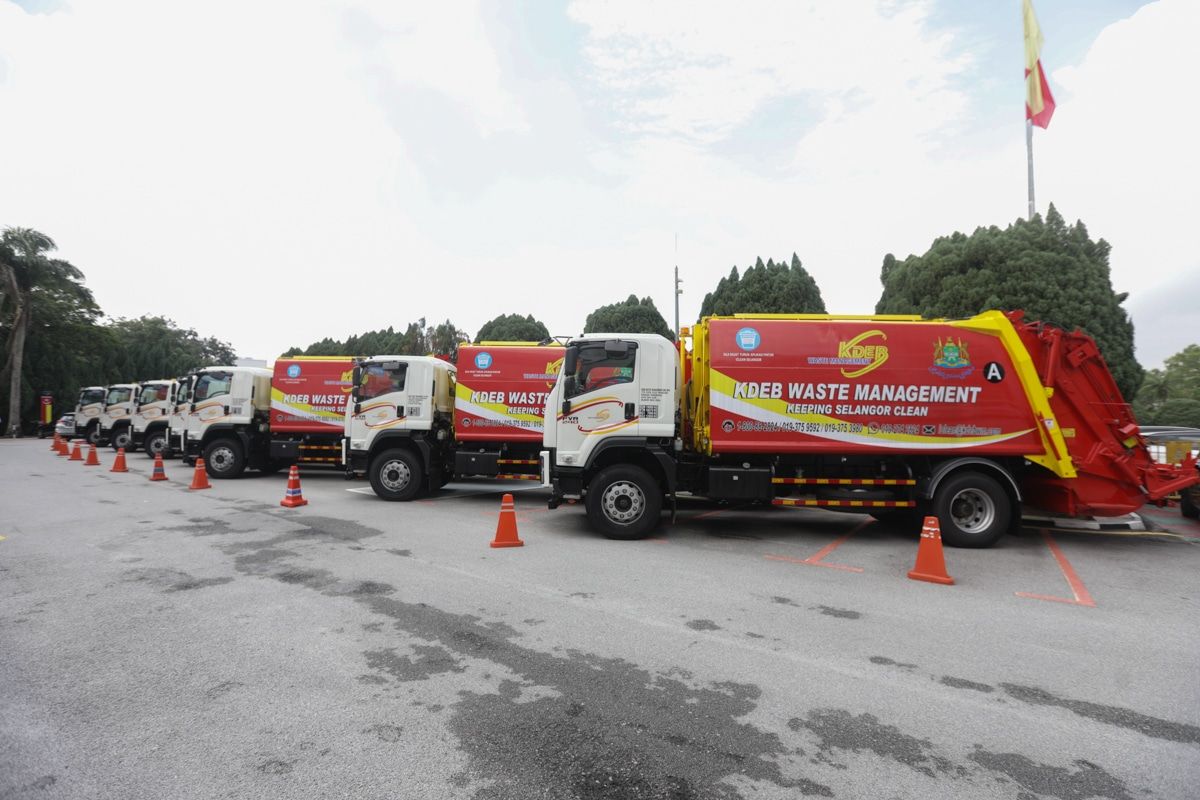
“We collect around 1,200 tonnes a day, which is why nearly 98 lorries are used for operations in Kajang,” Ramli said.