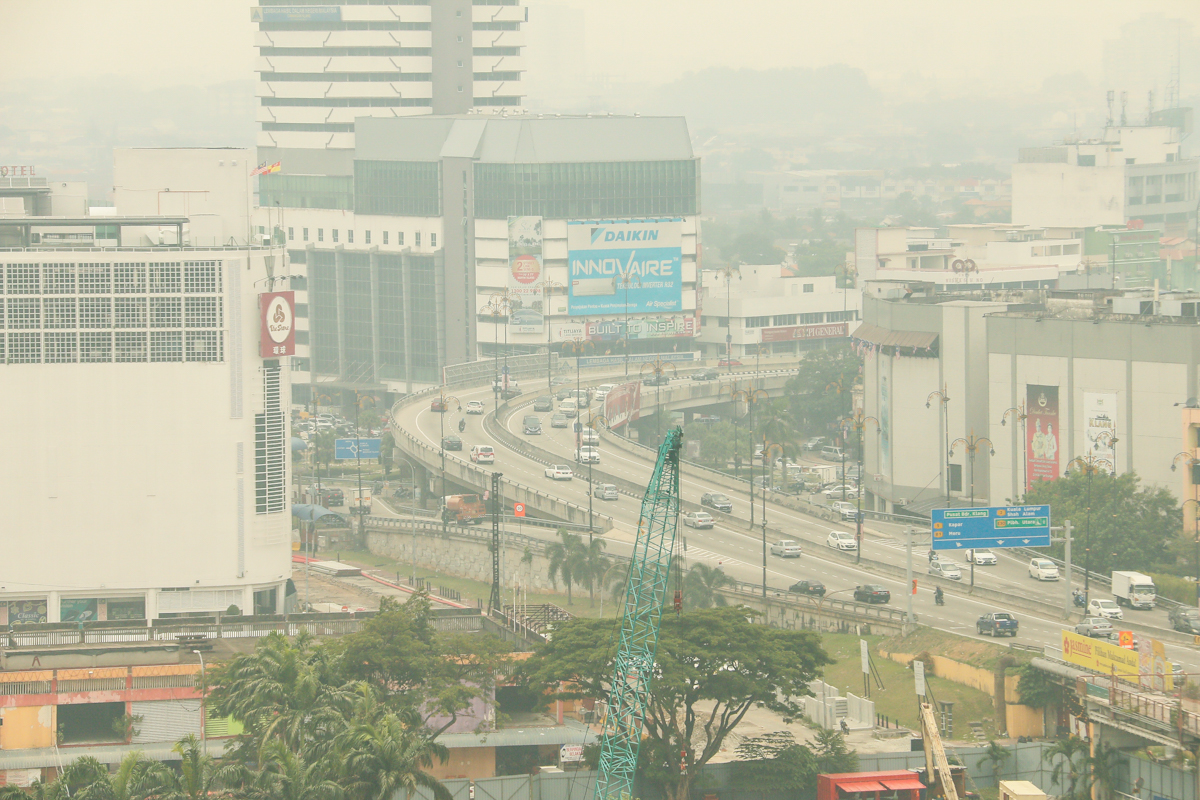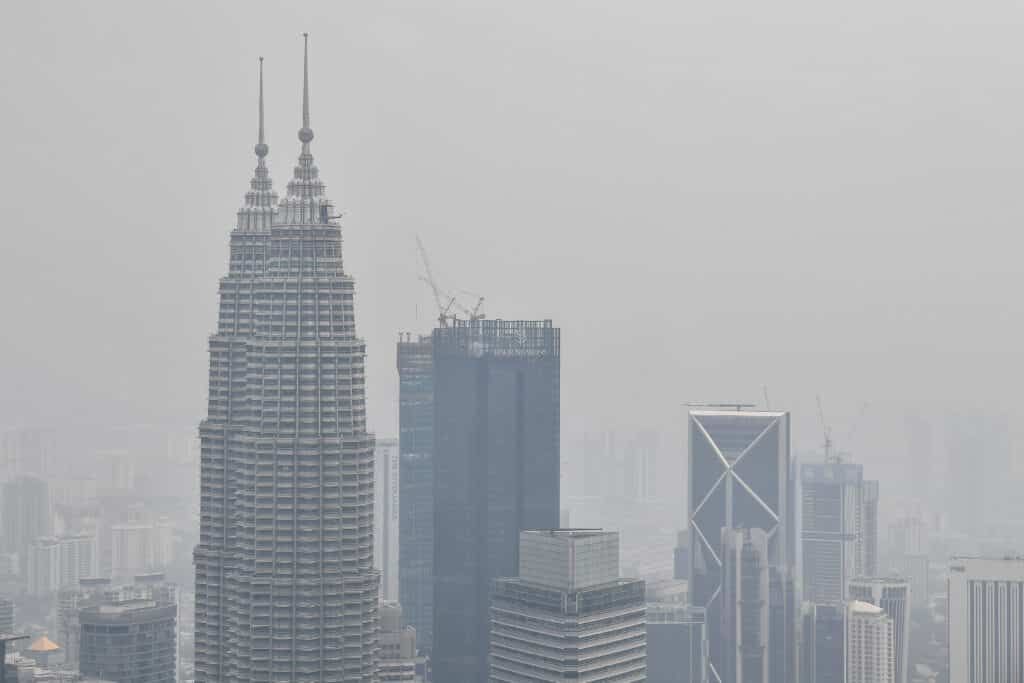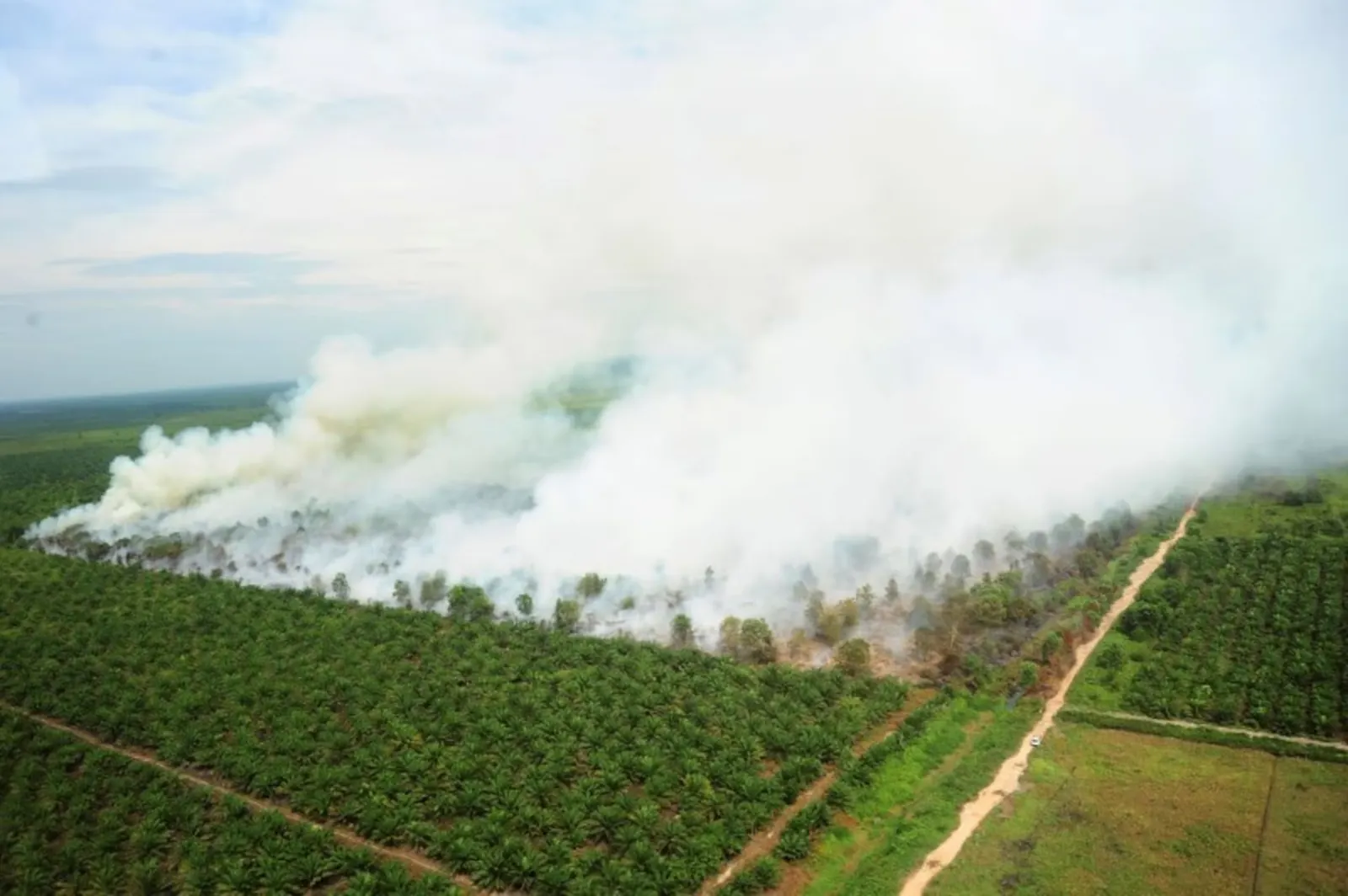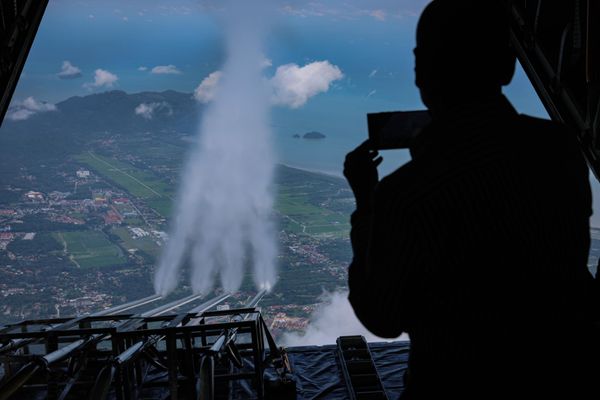
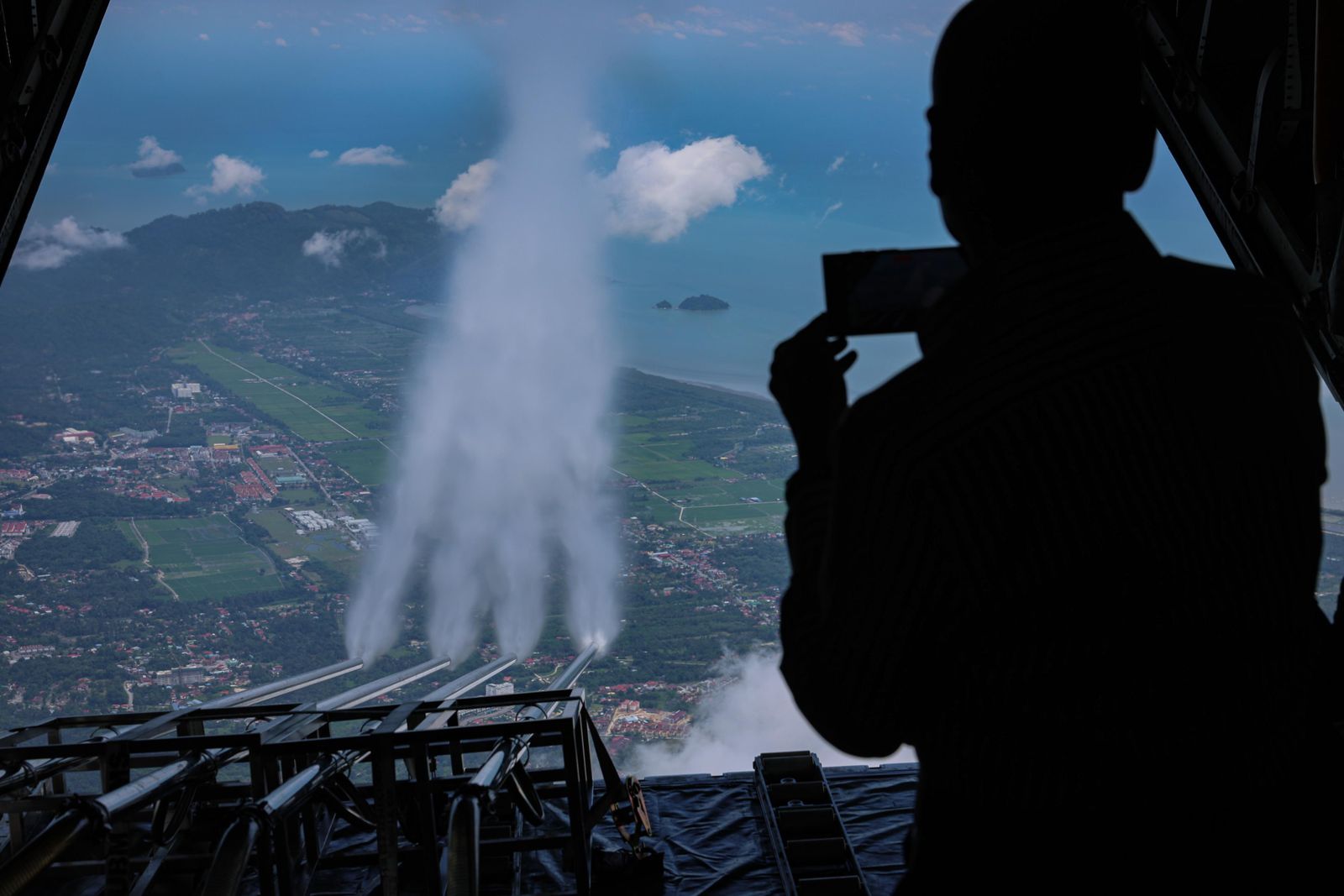

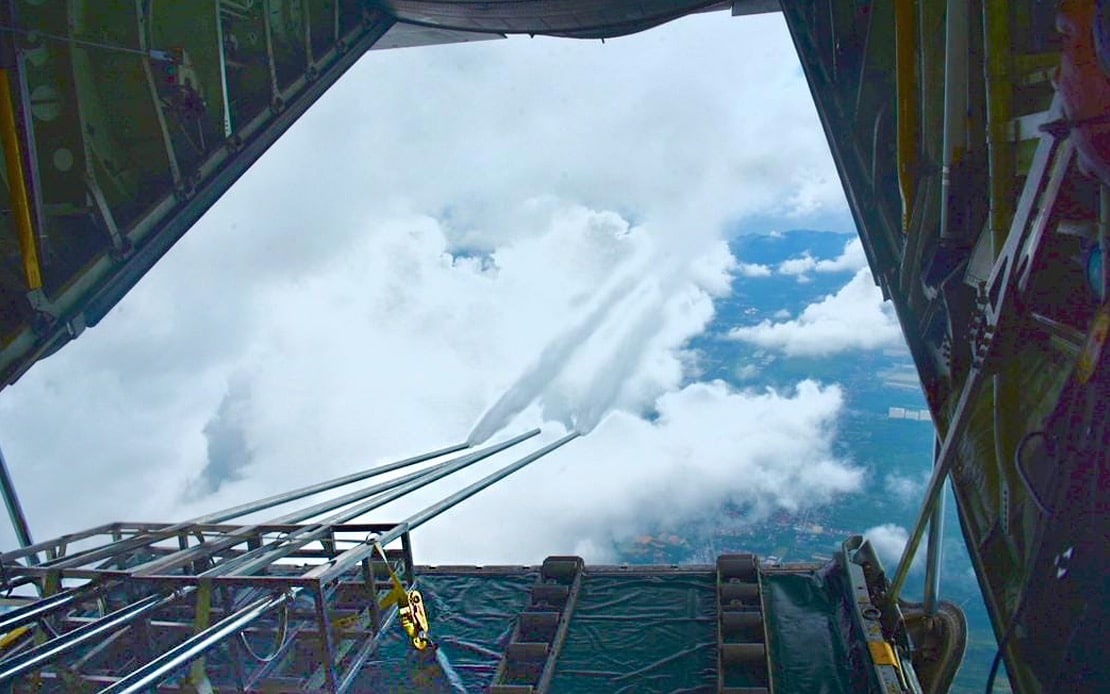
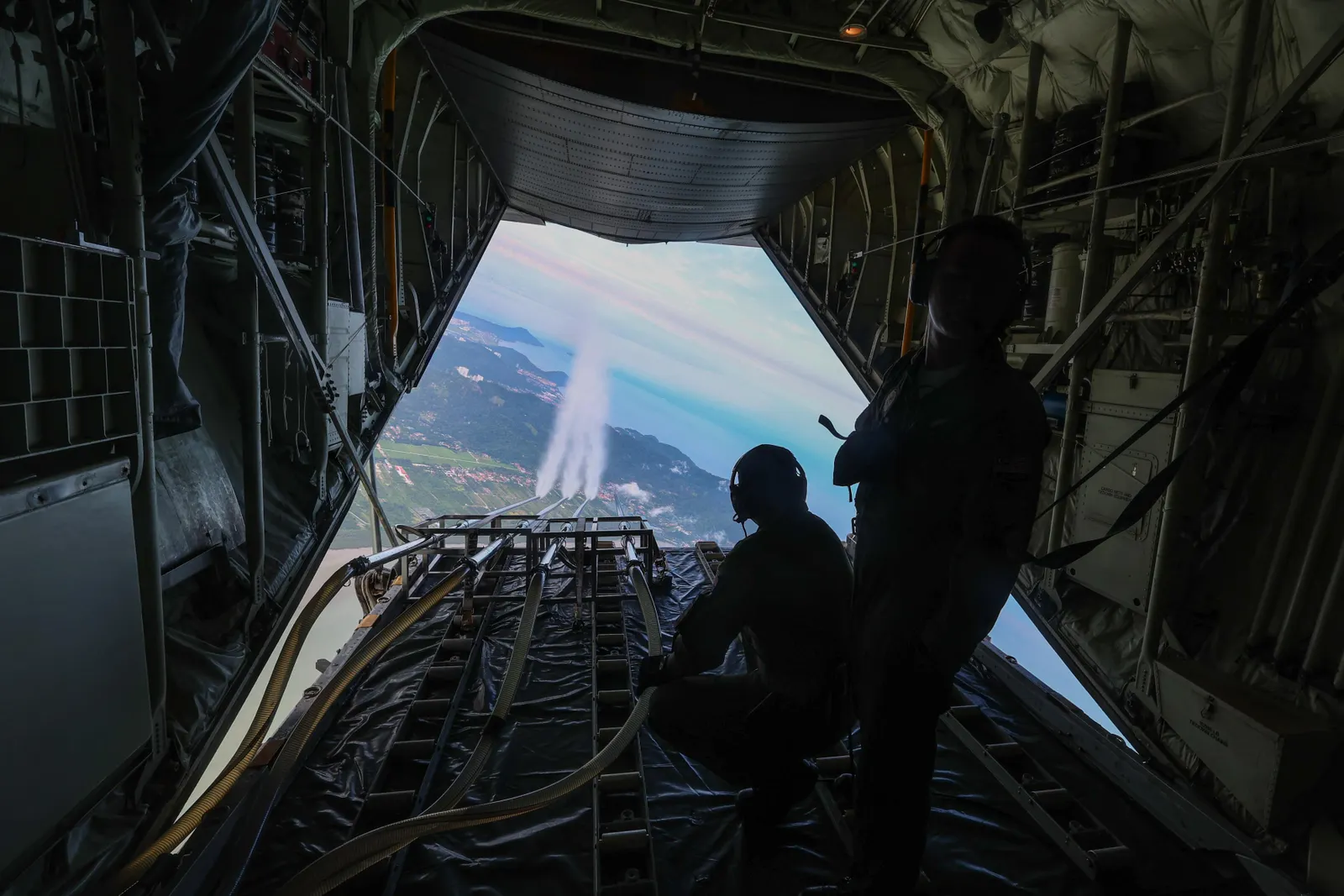
SHAH ALAM, Sept 30 — Fourteen cloud seeding operations, involving more than 50 flights, have been carried out nationwide as of today following transboundary haze and hot, dry weather since the beginning of the year.
The figure is higher than last year, with the operations also covering Sabah and Sarawak.
National Disaster Management Agency (NADMA) operations implementation section director Datuk Mazli Mazlan said the operations were carried out to increase rainfall, particularly to ensure that dam water levels remain sufficient.
“Since the beginning of the year, the operations have been carried out, and we are now facing the haze problem. This is one measure to address the increase in the Air Pollutant Index (API).
“However, the main focus is to address the decline in water levels caused by dry weather, thereby ensuring that water supplies for domestic, commercial, and agricultural use are not disrupted,” he told Media Selangor.
Mazli added that the number of operations is expected to continue increasing as the Super El Nino phenomenon, which brings extreme hot and dry weather, is expected to affect the country towards the end of this year and into the middle of next year.
As such, NADMA will continuously study data from all parties before taking appropriate action to address haze and declining dam water levels.
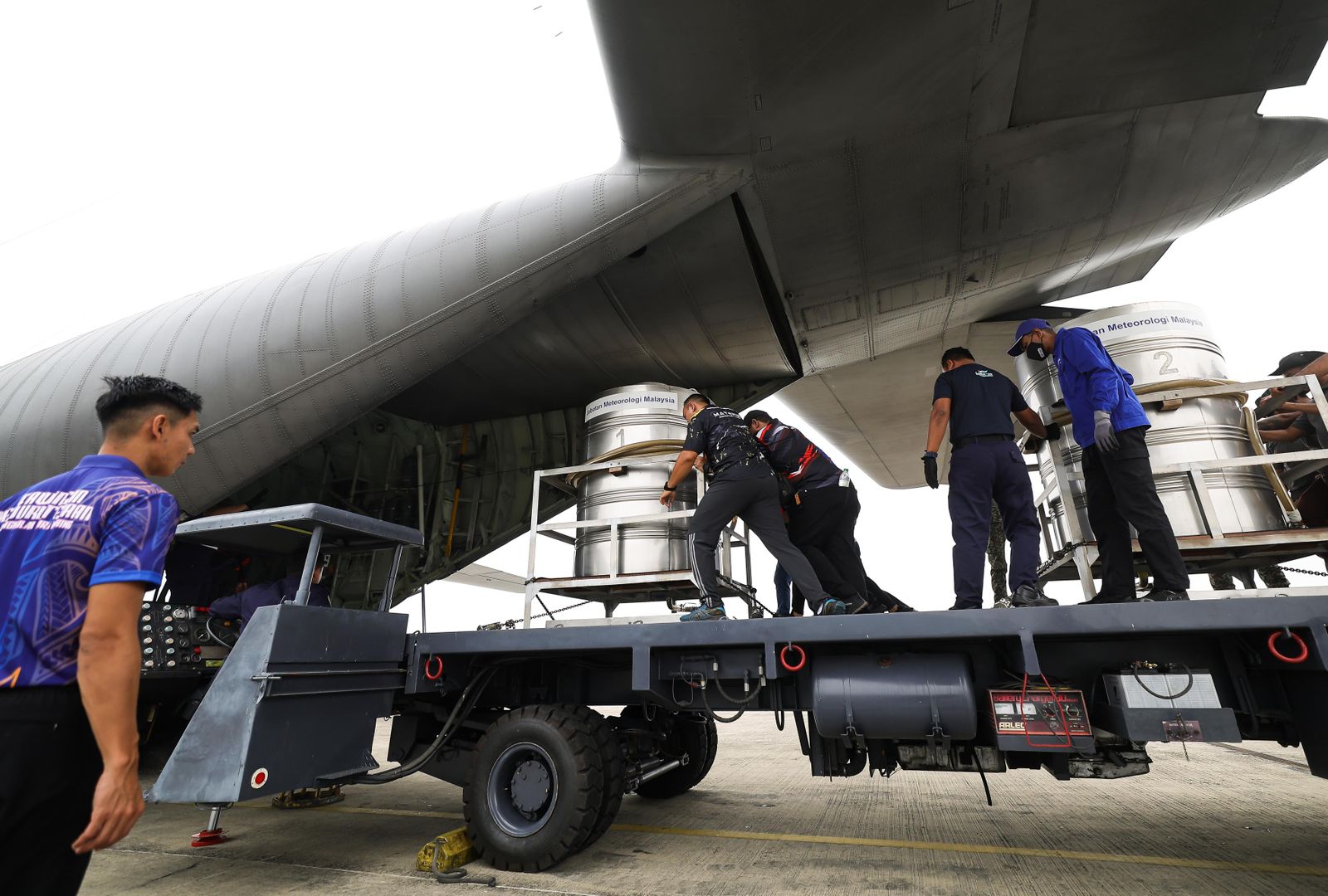
“Today, we are carrying out operations involving four tanks containing 800kg of salt and 6,000 litres of water, which will be sprayed into clouds with potential.
“This time, we are targeting areas around Selangor and the Klang Valley. When it rains, it can help reduce the API, allowing all parties and the community to carry out their routines and planned activities,” he said.
On September 9, the Malaysian Meteorological Department (MetMalaysia) said the Super El Nino phenomenon, which is expected to begin towards the end of this year, could bring extreme hot and dry weather, with some areas potentially recording temperatures of up to 40°C between January and May next year.
It noted that the probability of the phenomenon occurring is approaching 100 per cent, based on climate model forecasts from international observation and research centres.
The conditions could also cause areas in the northern and interior parts of the peninsula, as well as the interior of Sabah and Sarawak, to experience higher-than-usual temperatures and increase the risk of hot weather and heatwaves from the end of the northeast monsoon between January and May 2027.
MetMalaysia also warned of an increased risk of forest fires and haze following the hotter and drier weather conditions.