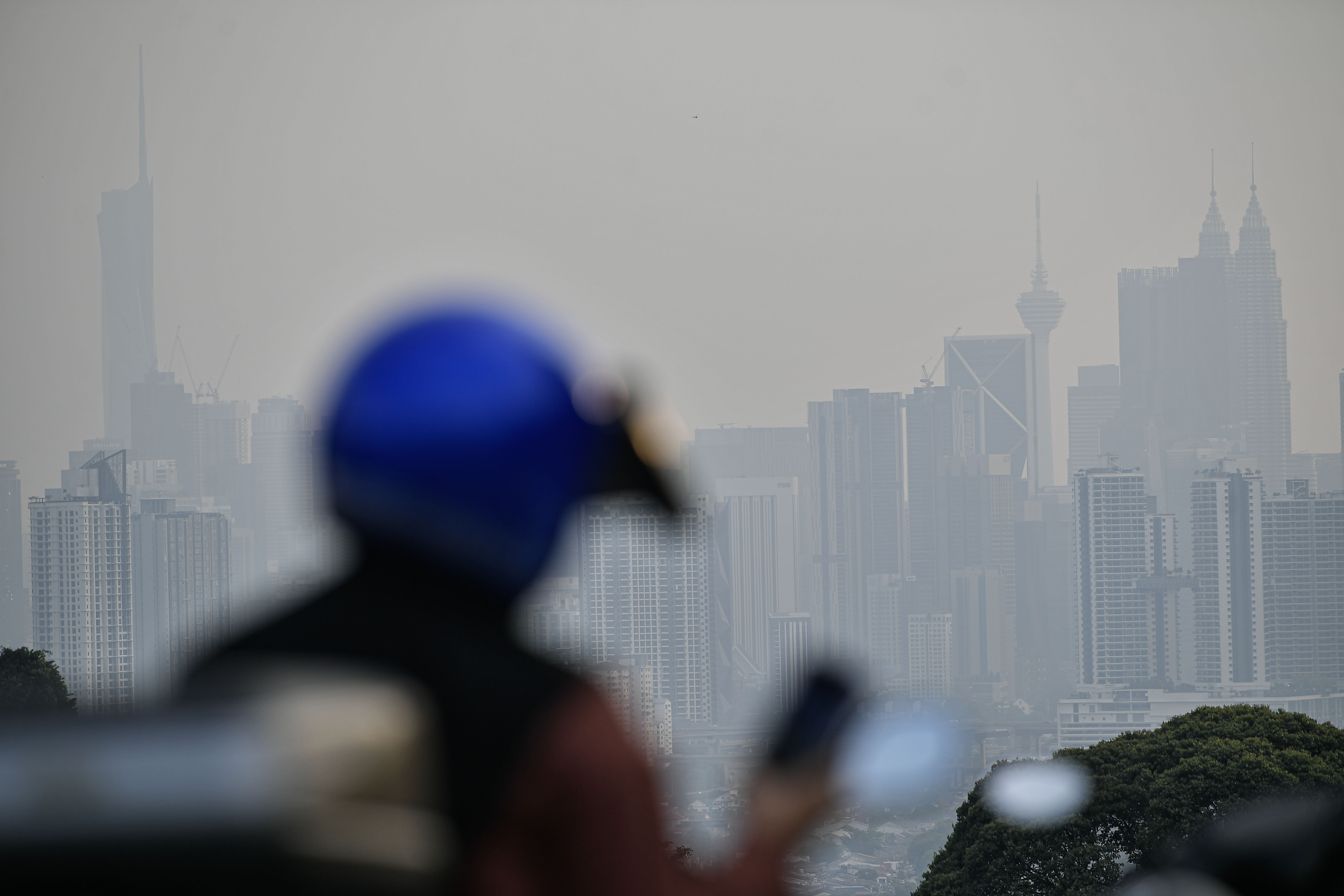
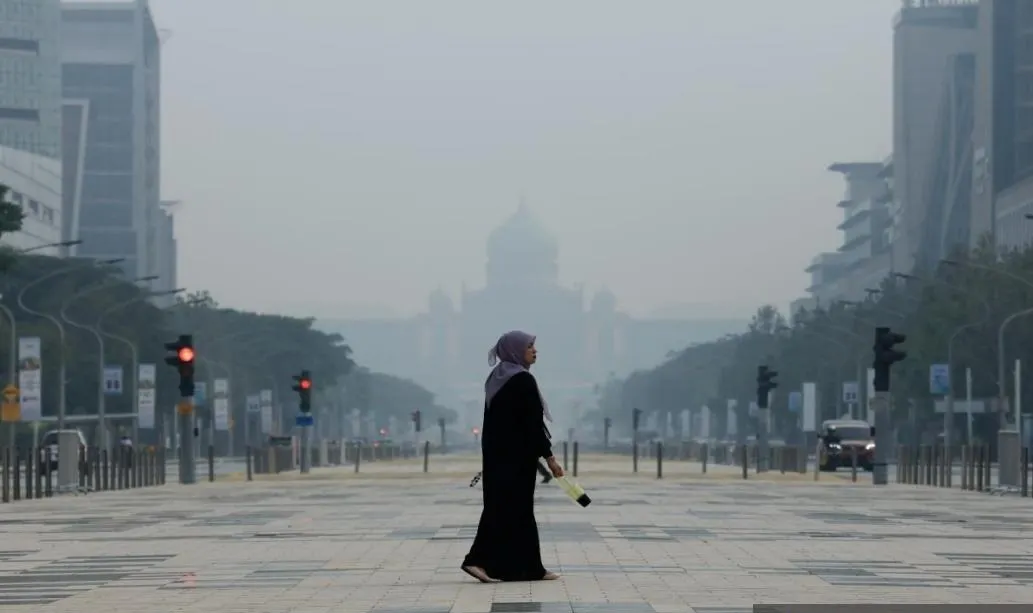


KUALA LUMPUR, Oct 13 — The cross-border haze that has affected Malaysia’s air quality since August 8 is expected to gradually subside over the next two weeks as wind patterns change, Natural Resources and Environmental Sustainability Deputy Minister Syed Ibrahim Syed Noh said.
Malaysia entered the monsoon transition phase on Friday (October 9), with the northeast monsoon expected to begin towards the end of this month.
“However, I want to emphasise that changes in weather conditions alone are not a long-term solution to the haze issue. It could happen again.
“Fire prevention efforts must therefore address the problem at its source. Domestic enforcement must be strengthened, while regional cooperation must be enhanced to reduce the risk of similar incidents recurring,” he said during the Special Chamber session in the Dewan Rakyat today.
Ibrahim was responding to Kota Melaka MP Khoo Poay Tiong's concerns, who described the haze as a national crisis affecting public health, safety, the economy, and public well-being.
Bandar Kuching MP Dr Kelvin Yii Lee Wuen and Bentong MP Young Syefura Othman also raised the issue.
Dr Yii said the haze is no longer merely a seasonal nuisance but an annual emergency requiring stronger action, including the proposed introduction of a Cross-Border Haze Pollution Act and greater transparency in sharing hotspot data and information on plantation concessions.
Meanwhile, Syefura sought clarification on the government’s diplomatic engagements with Indonesia, including the responses received and the effectiveness of the measures taken.
She also called for stronger domestic enforcement and better protection for vulnerable groups.
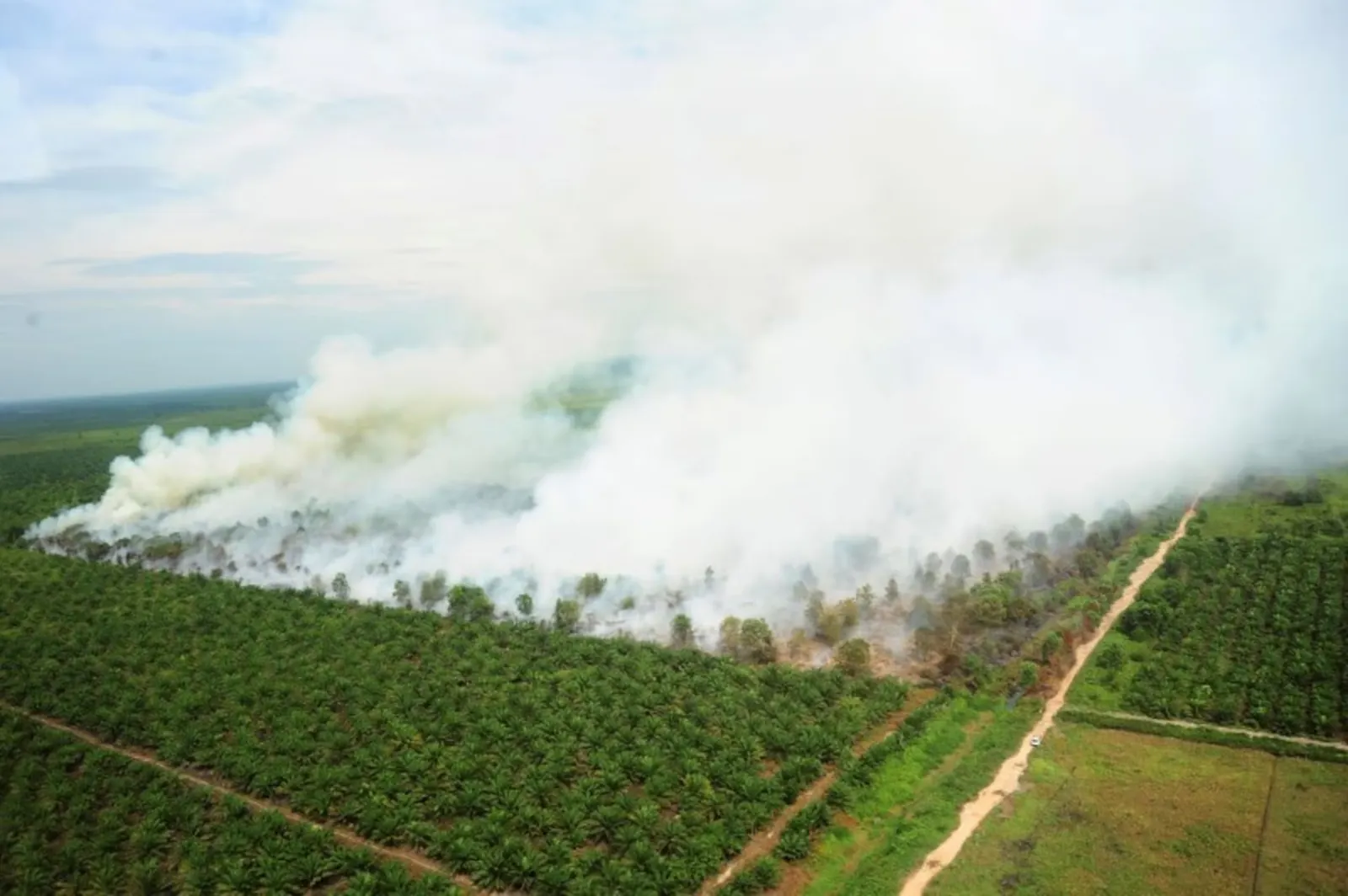
In his response, Ibrahim said the latest haze episode was caused by an increase in forest and land fires in several parts of Indonesia, including Kalimantan and Sumatra, which had affected air quality in Malaysia, particularly in Sarawak.
The Environment Department received 2,104 complaints concerning open burning and carried out 3,039 enforcement actions between August 3 and Friday.
These comprised 2,104 monitoring actions, 168 field orders, 32 notices, 13 compounds, and two court actions.
As part of the mitigation efforts, the government also conducts 11 cloud seeding operations between August 30 and October 15 in collaboration with the Malaysian Meteorological Department, the National Disaster Management Agency, and the Malaysian Army.
“The main challenge in enforcing laws with cross-border elements is obtaining sufficient evidence to establish the source of pollution and identify the parties responsible,” he said.
Ibrahim added that the ministry has yet to receive any official information from the Foreign Affairs Ministry or the Plantation and Commodities Ministry regarding the alleged involvement of Malaysian companies in open-burning incidents in Indonesia.