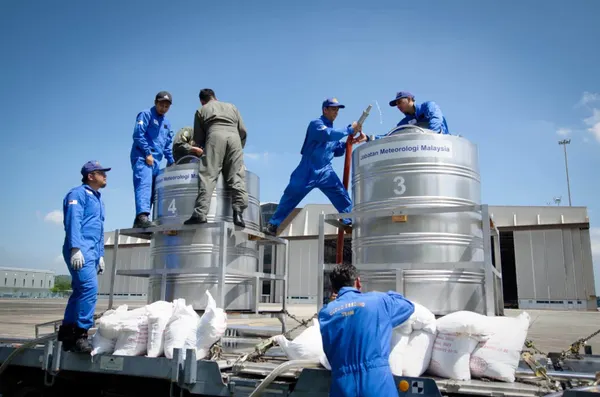


SHAH ALAM, Oct 21 — The salt used in cloud-seeding operations (CSO) doesn’t present adverse health effects as it is table salt, said a National Disaster Management Agency (NADMA) chief.
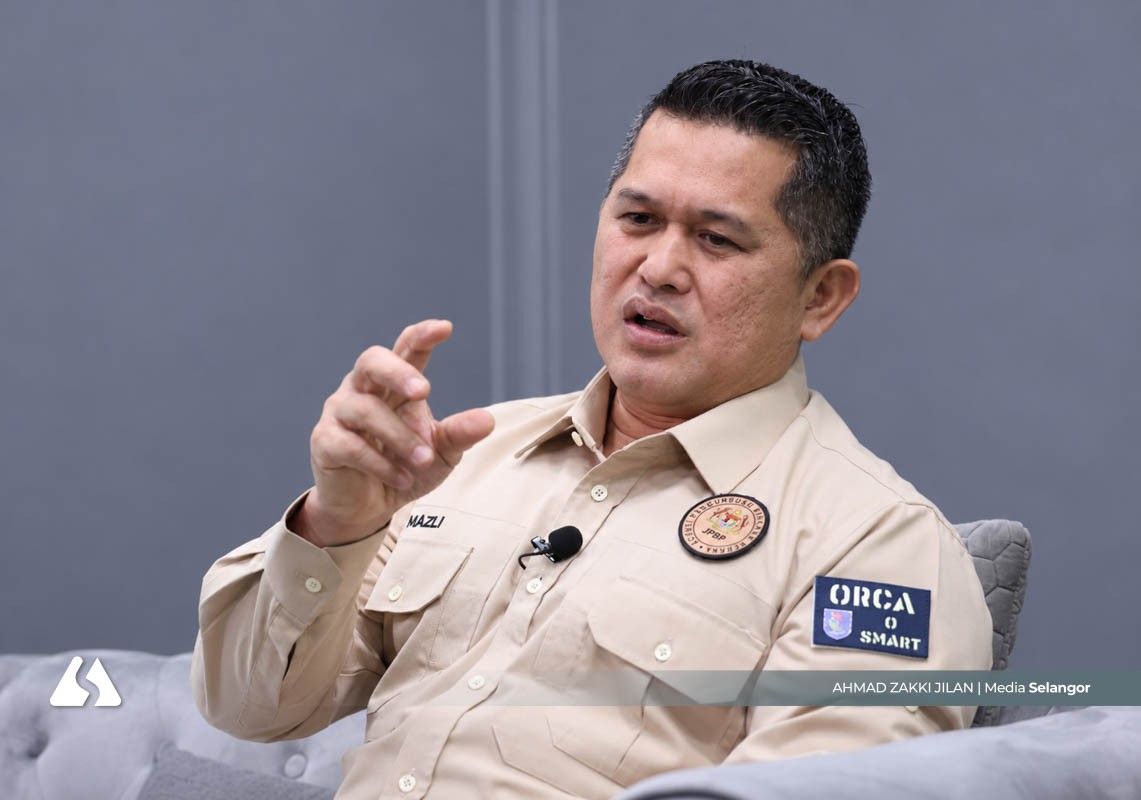
NADMA Operation Implementation Section director Datuk Mazli Mazlan said the salt used is sodium chloride, which is the same as the widely available table salt.
“This salt is the salt we get in markets, which is the salt we cook and eat (with). It’s just that we use it in large quantities to activate water droplets in clouds,” he said on Media Selangor’s Bicara Semasa programme.
He added that the rain that falls after a CSO isn’t salty; it is just formed from existing water droplets in clouds.
“The saline only activates water droplets in the clouds so they combine, and when they get heavier, they fall (as rain),” he explained.
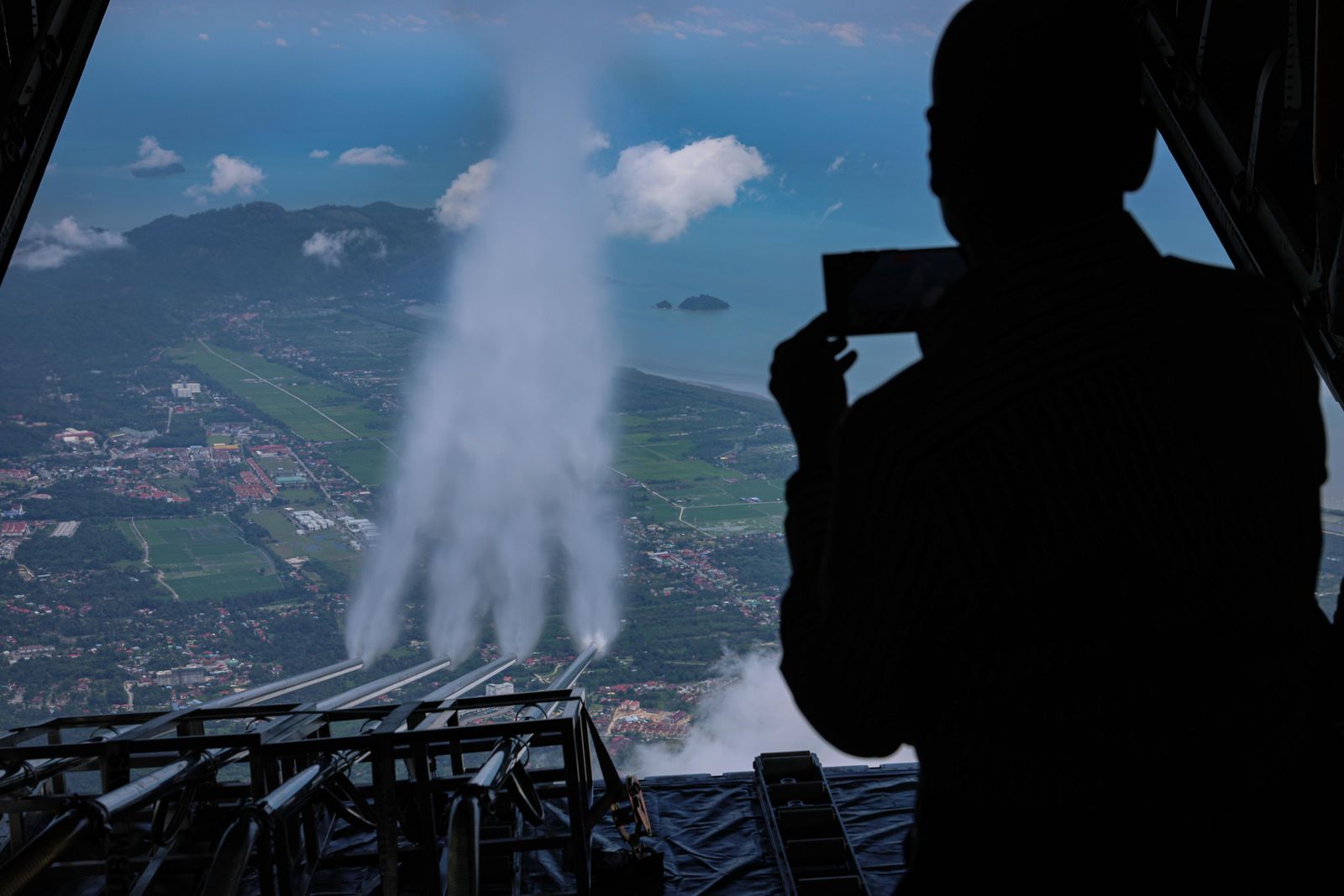
One CSO involves a saline solution comprising 800kg of salt and 6,000 litres of water, which is poured into four tanks on aircraft and sprayed into suitable clouds.
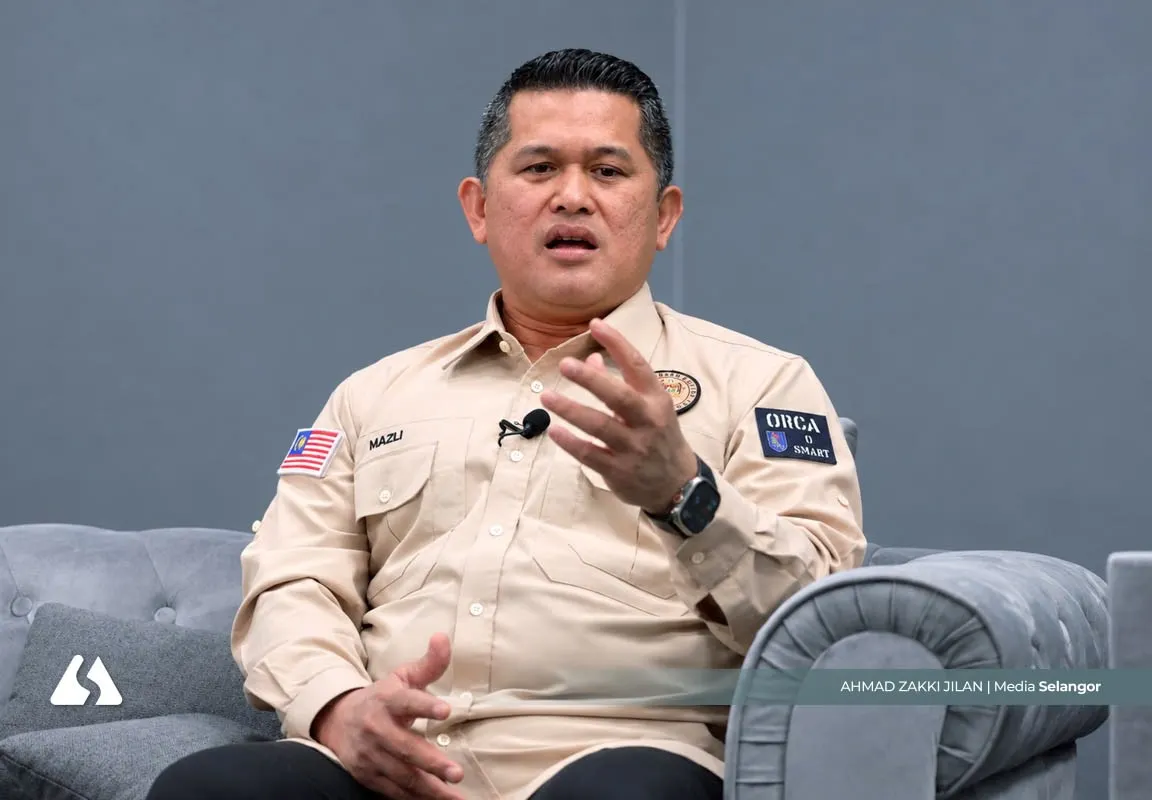
Mazli assured that people need not be concerned as no hazardous substances are used in CSOs and there are no dangers to public health.
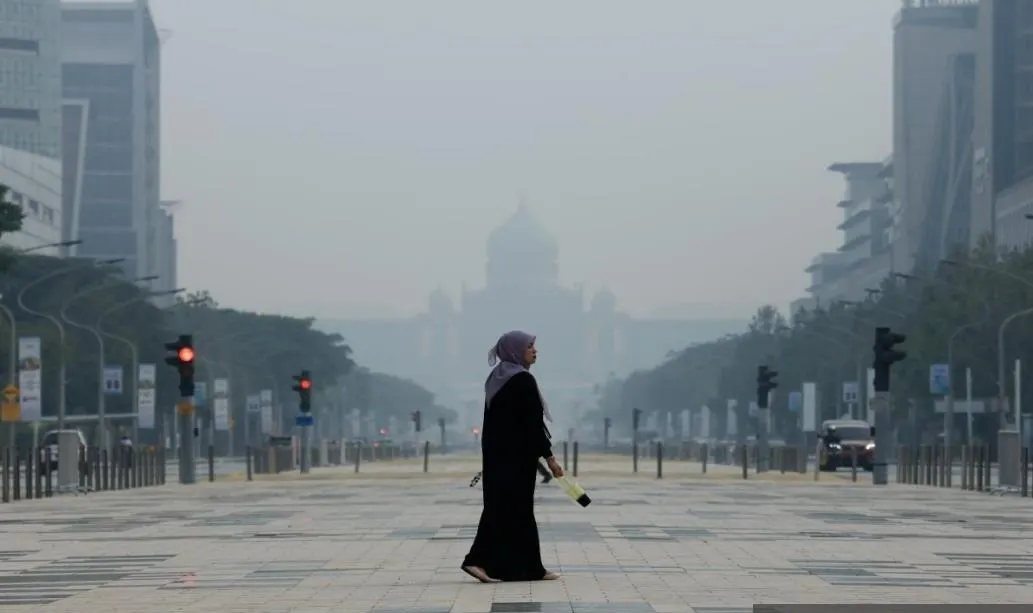
A CSO is done during hot and dry spells, especially when dam and retention pond levels are depleted. It is also done to mitigate haze effects and increase water supply for domestic, agricultural and industrial use.
On September 9, MetMalaysia said El Nino, set to start at the end of this year, could bring extreme hot and dry spells and increase temperatures up to 40ºC between January and May next year. It could also cause a heatwave from the start of the northeast monsoon in the same period.
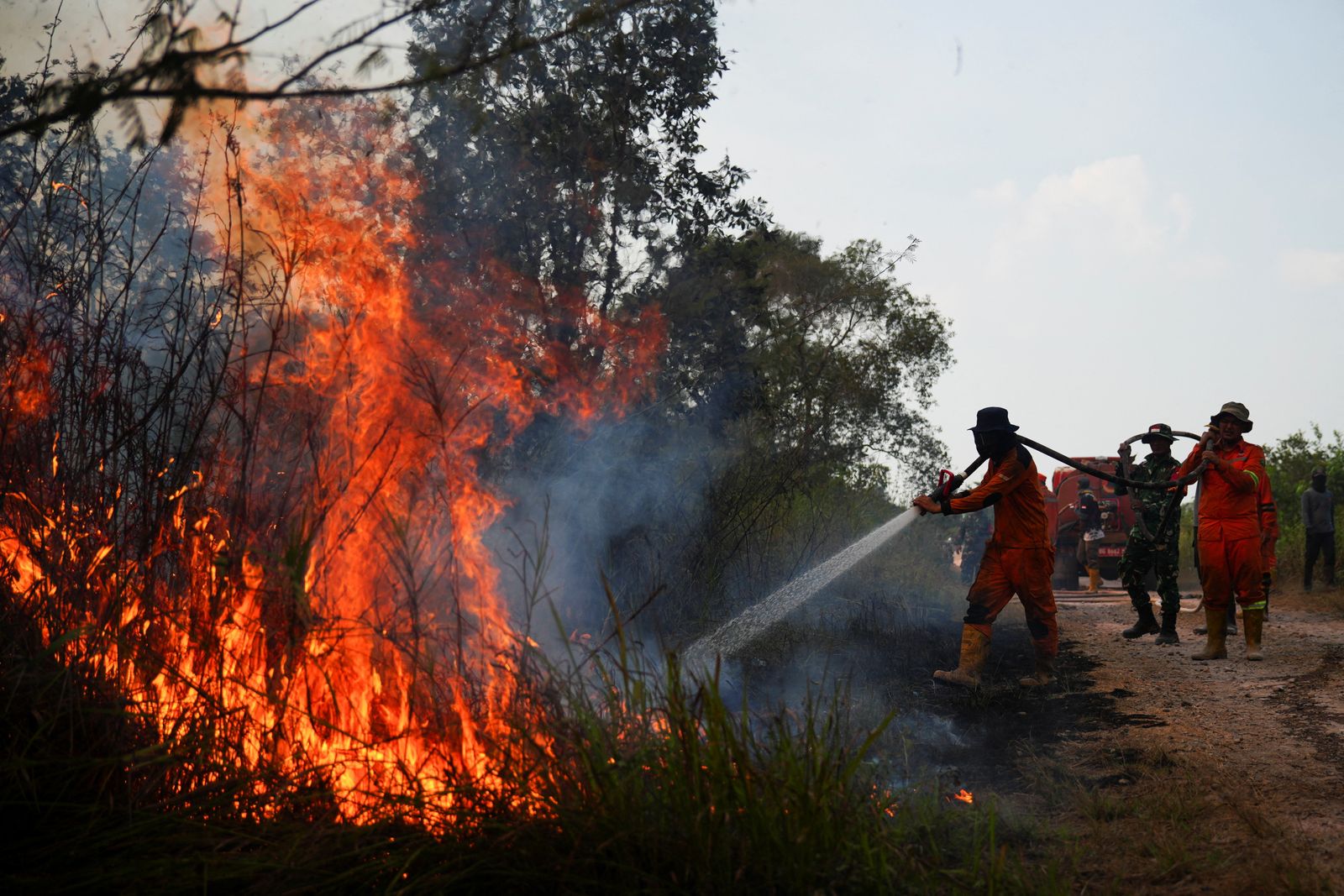
MetMalaysia had also warned of higher risk of forest fires and haze due to hotter, drier weather.