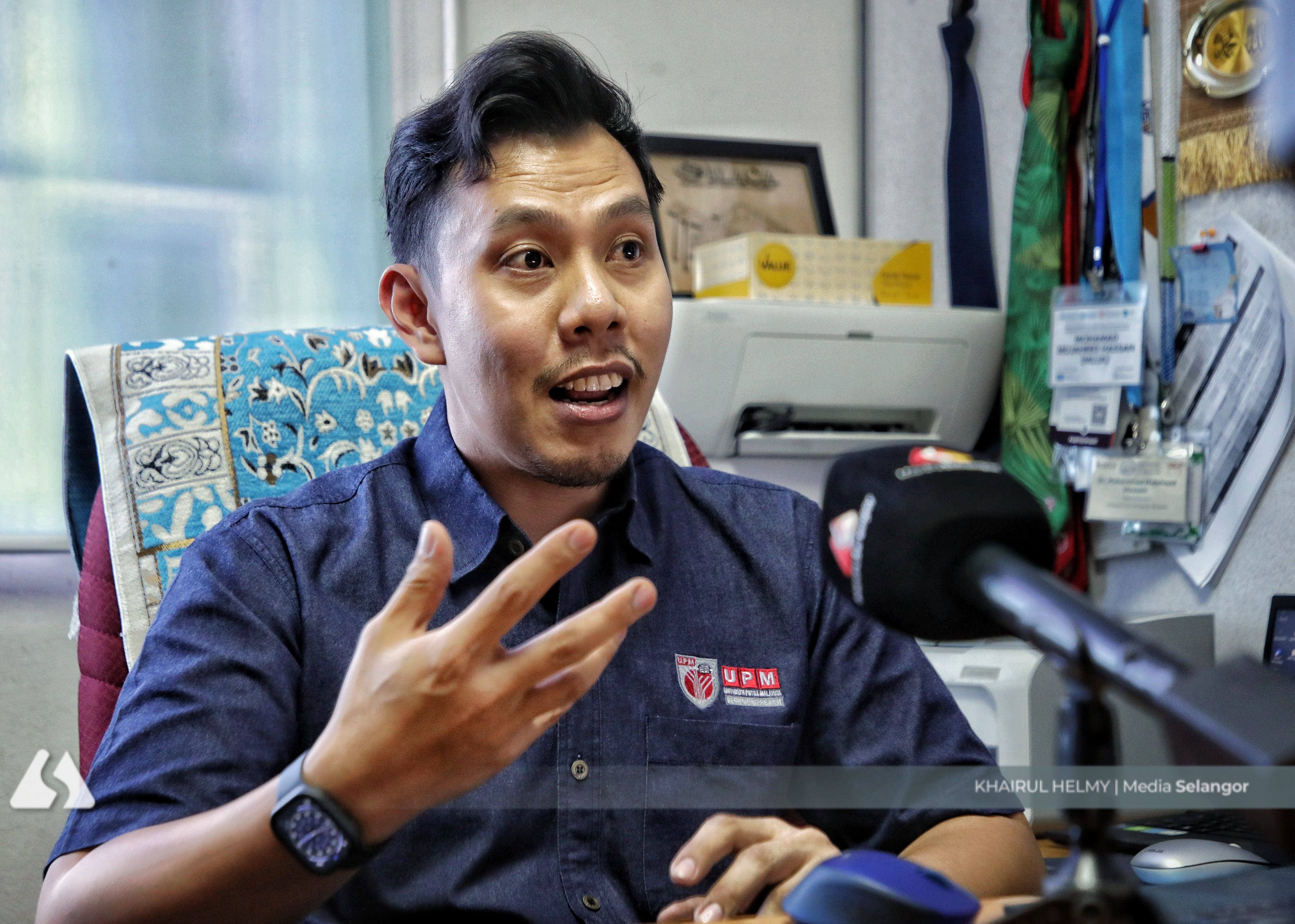
SHAH ALAM, Sept 5 — Connectivity is an important factor in narrowing income gaps between Selangor districts, said UPM urban planning and regional/community development lecturer Mohammad Mujaheed Hassan.
“First, (we must look at the) connectivity in each district like roads, public transport, digital infrastructure and such as these are the important basics to the development of an area,” he told Media Selangor.
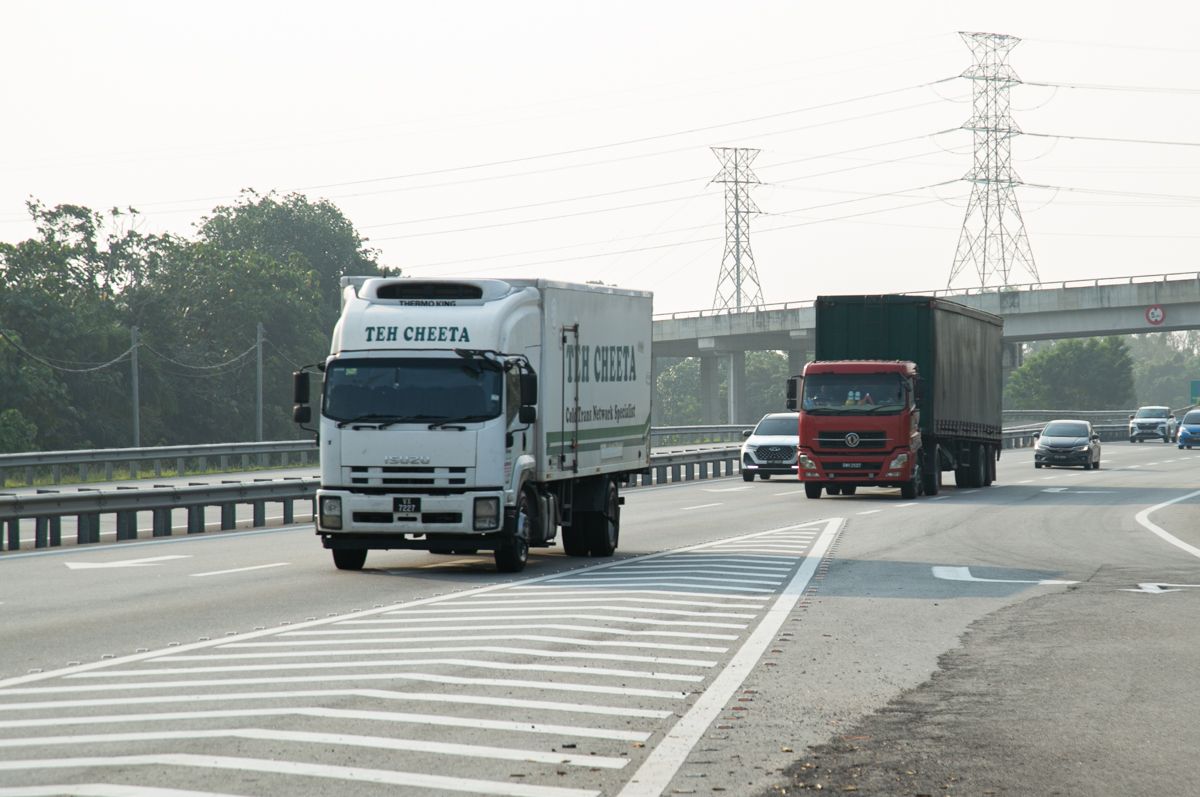
Previously, Menteri Besar Dato’ Seri Amirudin Shari said the West Coast Expressway (WCE) would help narrow development gaps between rural and urban districts in Selangor, especially in the northern region.
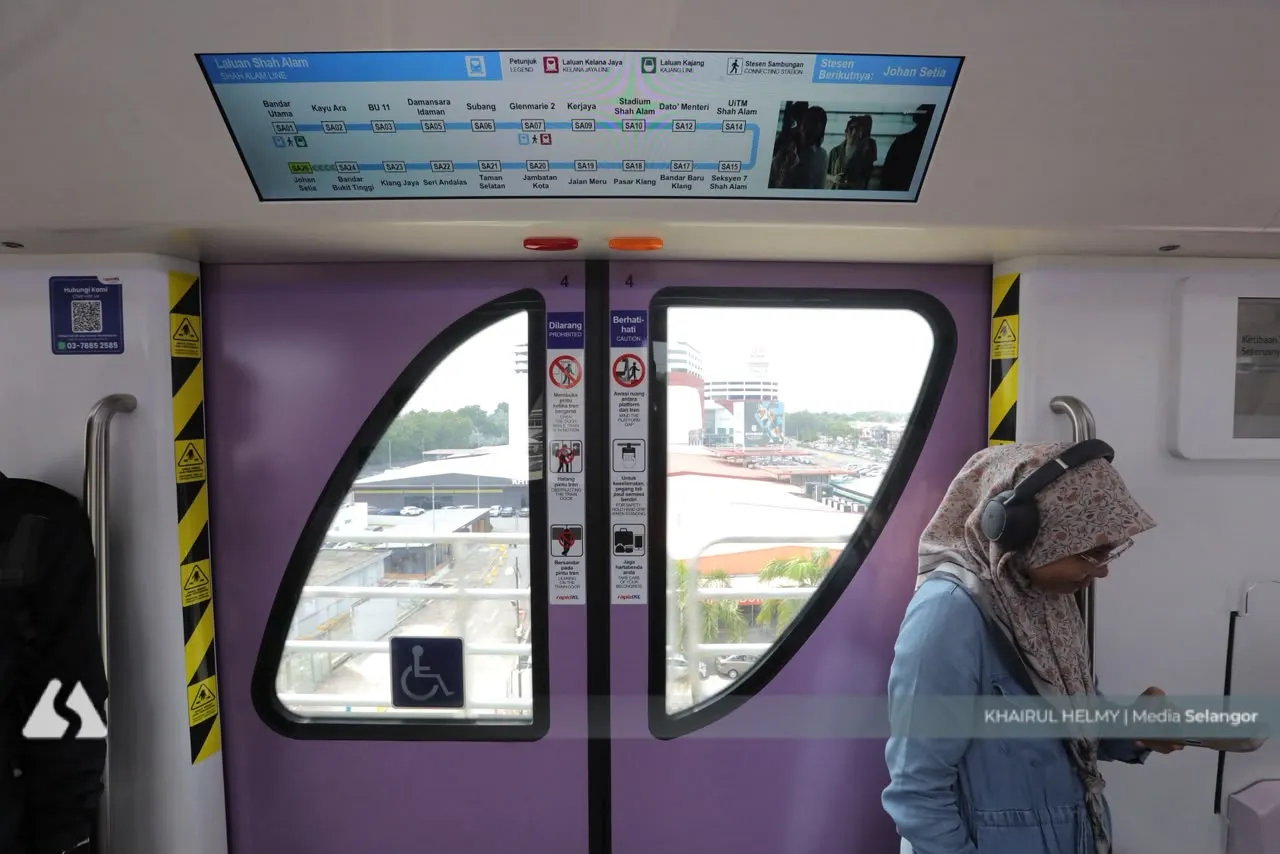
In the First Selangor Plan (RS-1), the state aimed to build the 211km Kita Selangor Rail Line that spans Sabak Bernam and Sepang down to Negeri Sembilan, and under RS-2, the possibility of supplementing the rail line with the Bus Rapid Transit service is being considered to minimise costs.
The RS-2 also contains targets to shrink interdistrict income gaps to ensure fairer, more balanced economic growth statewide.
Mujaheed said WCE, which links industrial areas to main ports in Port Klang, would drive the economy in the northern region.
“Selangor’s advantage is not only that we are in the middle of the peninsula; we also have international entry points through Port Klang and KLIA.
“What’s important is how to connect these districts to these entry points and economic hubs. If connectivity can be improved, I think there is far greater potential to drive the economy in other areas,” he added.
“There needs to be priority for investments that can generate more high-impact jobs for residents, which means it’s not just that several billions worth of investments come in, but how many quality jobs can be provided.
“Local entrepreneurs must also factor into the economic ecosystem. If large investments come in but use external supply chains and foreign workers, local multiplier effects won’t be significant,” he explained.
Mujaheed also cautioned that economic sector division by district, while a good step as it exploits each locality’s existing strengths, shouldn’t be too rigid as it could slow sectoral growth and negatively affect the district’s performance.
He said balanced growth doesn’t mean every district is developed the same way, but considers each move’s impact on the local economy and community.
He suggested clustering economies and value chains that could create new ecosystems to shrink interdistrict income gaps, as the approach could lead to a complementary overall system.
“This is more sustainable. Every district has its own specialty but still connects and supports others in Selangor’s overall economy,” he added.

Northern potential
Mujaheed highlighted northern districts Sabak Bernam, Kuala Selangor and Hulu Selangor as having potential to become strong economic contributors, adding that the Sabak Bernam Development Area (SABDA) gives the district an edge but the other two must also receive focus.
“If we compare with the central region like Petaling, Klang or Shah Alam, development in the north is definitely different, so SABDA could actually become a new economic catalyst for northern Selangor, but we cannot just look at Sabak Bernam.
“For instance, Sabak Bernam would focus on the agriculture industry and food sector, Kuala Selangor would be tourism, services and agro-based industries, while Hulu Selangor has automotive potential and hi-tech industries,” he said.
He added that Sabak Bernam meanwhile needs more investments to drive its modern agriculture, food processing and agro-based industry sectors compared with other districts.
“Sabak Bernam, under SABDA, could be strengthened in terms of modern agriculture, agrofood, agrotourism, and downstream industries,” Mujaheed said.