
SHAH ALAM, Aug 25 — The Malaysian Food Manufacturers Association (PPMM) has proposed the establishment of a special investment task force to coordinate investments under the Second Selangor Plan (RS-2).
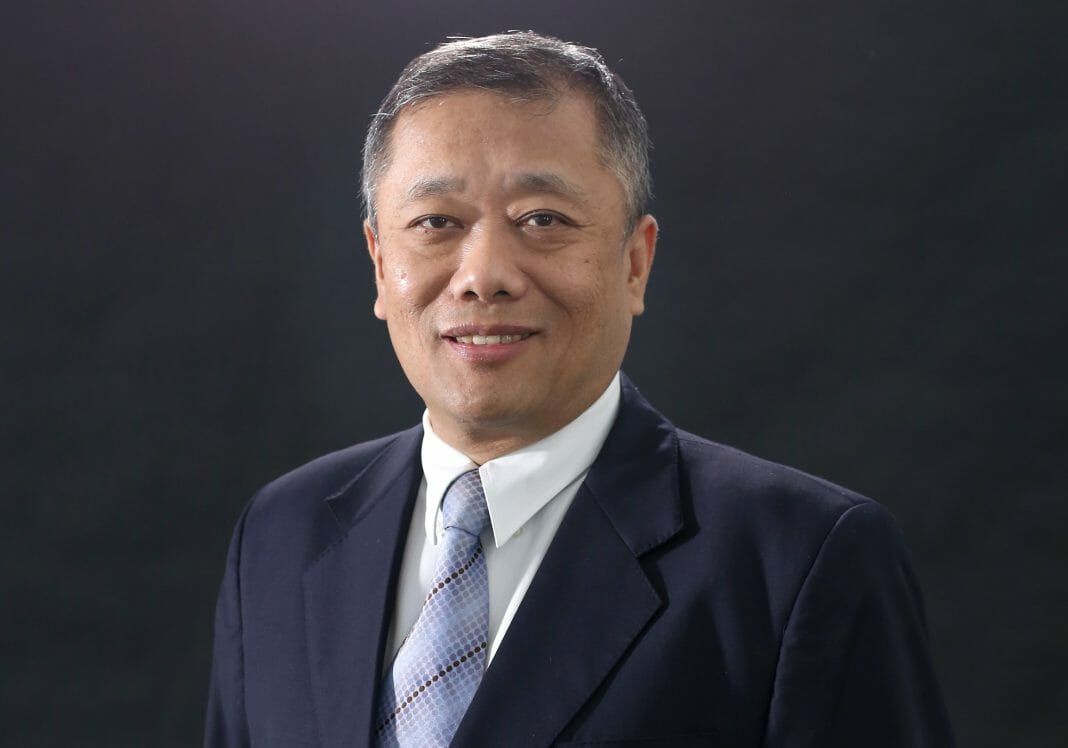
Its president Ding Hong Sing said the state government’s RS-2 target of attracting RM330 billion in investment could strengthen Selangor's position as a leader in Malaysia's industrial and economic sectors, but it must be supported by a more comprehensive administrative system that makes it easier for investors to do business.
“To attract foreign investment, government policies and the speed of the approval process are very important. I hope a special investment task force can be established to coordinate applications from various government departments,” he said in an interview with Media Selangor.
Although the state already has a strong appeal for investors due to its ports and comprehensive infrastructure, a clear economic direction and streamlined administrative and investment-management processes are crucial to attracting more foreign investment.
Ding added that companies seeking to invest currently have to deal with numerous state and Federal government departments and agencies, including those responsible for land management, licensing, and other approvals. This creates a risk that investors will move elsewhere because of the complexity and time involved in the process.
“If a one-stop service is provided, investors will be able to clearly understand the time required and procedures involved, including land applications, licences, and federal government approvals, as well as standardised standard operating procedures,” he said.
Lengthy approval processes in some government departments, as well as the attitude of “little Napoleons”, could affect investors’ perceptions of Malaysia’s business environment. Therefore, closer coordination between the federal and state governments is urgently needed.
Ding noted that Selangor had its own advantages, including port facilities and a mature industrial ecosystem, and must leverage these strengths to attract more investment.
Simultaneously, the state cannot rely entirely on traditional industries and needs to develop new industries to create more employment opportunities.

“With industries and job opportunities, talent will stay here. We cannot continue to rely solely on traditional industries, but need to look at the direction of future industries,” he said.
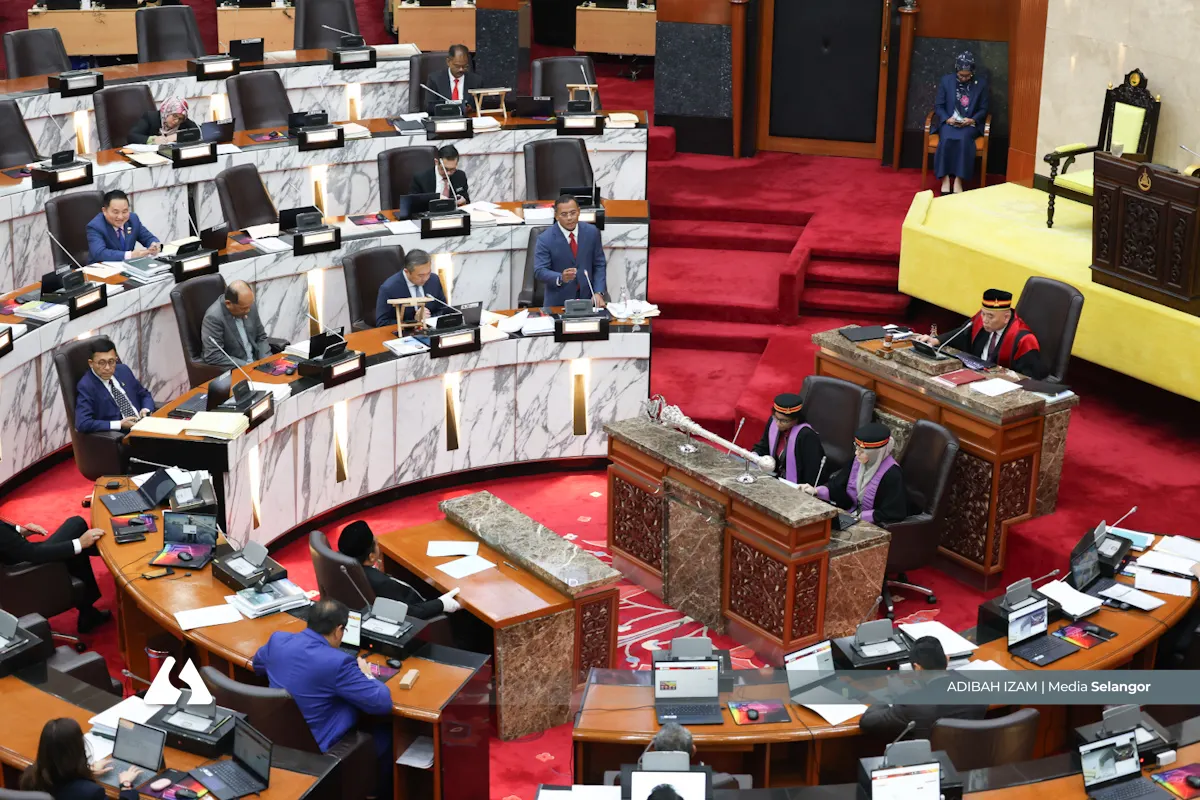
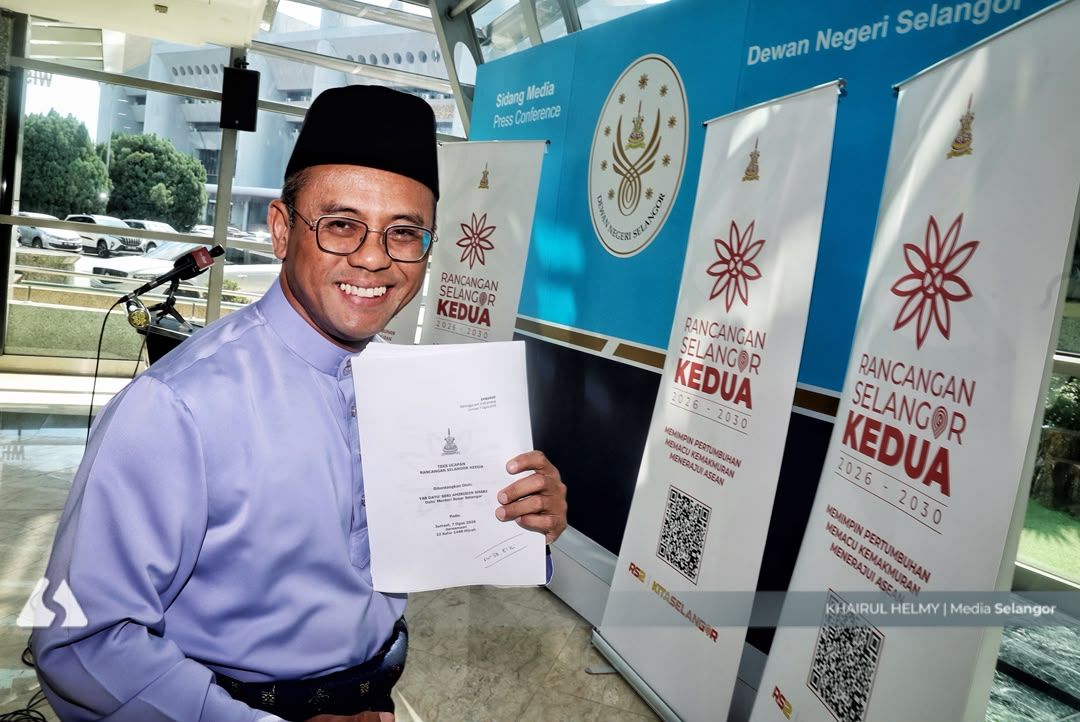
Menteri Besar Dato’ Seri Amirudin Shari tabled RS-2 during the Selangor State Legislative Assembly sitting on August 7, identifying five core industries: electrical and electronics, aerospace, automotive, the digital economy, and the creative economy, as the main economic engines towards 2030.
He said that Selangor is targeting an economic growth rate of 6.1 per cent, with total investments of RM330 billion and an unemployment rate of 2.2 per cent by 2030.
Following a debate involving 40 representatives from both sides of the Assembly, RS-2 was unanimously approved on August 13, making it the state’s development policy document for 2026 to 2030 and a reference point for determining Selangor's development direction.
Meanwhile, all 12 local authorities in Selangor have fully implemented the 'SPEED Selangor' approval guidelines since October last year to shorten the approval period for investors’ applications and reduce business costs.
SPEED Selangor is a new policy aimed at shortening the approval period for investors’ applications, enabling them to begin construction more quickly.
Under the policy, applications to build new factories, warehouses, hospitals, schools, and other facilities will undergo a preliminary consultation process of no more than 21 days. After the preliminary consultation, investors can submit formal applications, and approvals for planning permission, building plans, road plans, and drainage plans will be processed in under nine days.
This means approvals that previously took six months can now be completed within 30 days, allowing investors to begin construction projects much sooner.