SHAH ALAM, July 4 — The global impact on energy supplies and supply chains triggered by the geopolitical crisis in West Asia has yet to fully subside. Many business sectors and industry associations estimate that this 'transition' period could take between one and two years before conditions return to normal.
Against this backdrop, businesses believe that the Selangor Resilience Enhancement Package's (SREP) Phase Two, introduced by the state government, will help ease the burden on traders and hawkers.
However, they also argue that, in the longer term, the state government should address structural issues such as labour shortages, rising operating costs, and food supply challenges.
These include reducing reliance on imported agricultural produce, encouraging more young people to enter the agricultural sector, and strengthening the competitiveness of local industries to help businesses better weather future challenges while enhancing Selangor's economic resilience from the ground up.
On June 19, Menteri Besar Dato' Seri Amirudin Shari announced the package's Phase Two to assist vulnerable groups, traders, working mothers, padi farmers, unemployed individuals, and university students affected by the West Asia conflict.
Media Selangor conducted a random survey of several business associations and industry representatives. Overall, respondents agreed that the RM209.26 million package, which comprises 15 initiatives, provides targeted assistance to address current economic challenges.
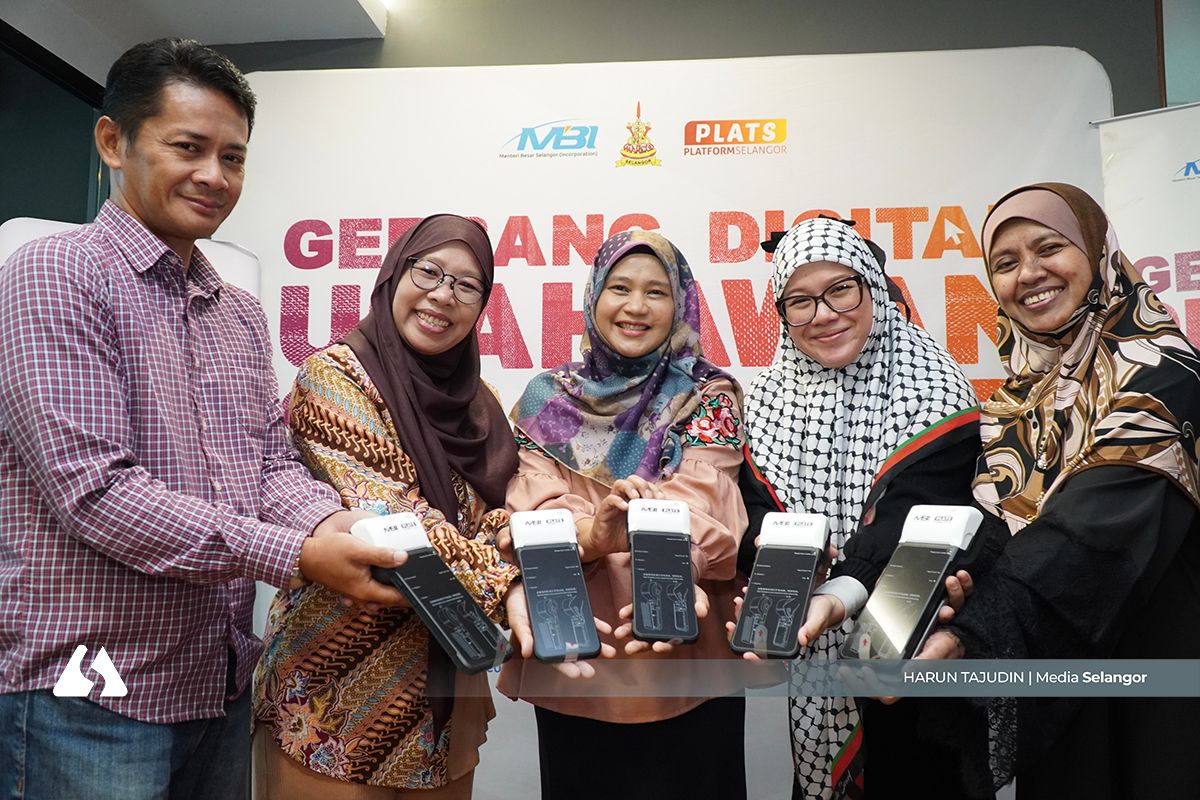
Among the measures are a 30 per cent reduction in rental rates for local authority premises, the Selangor Entrepreneur Recovery and Career Transition Initiative (PLATS), and the Selangor Agropreneur Assistance programme, all of which provide direct support to specific beneficiary groups.

Thirty per cent rental reduction warmly welcomed
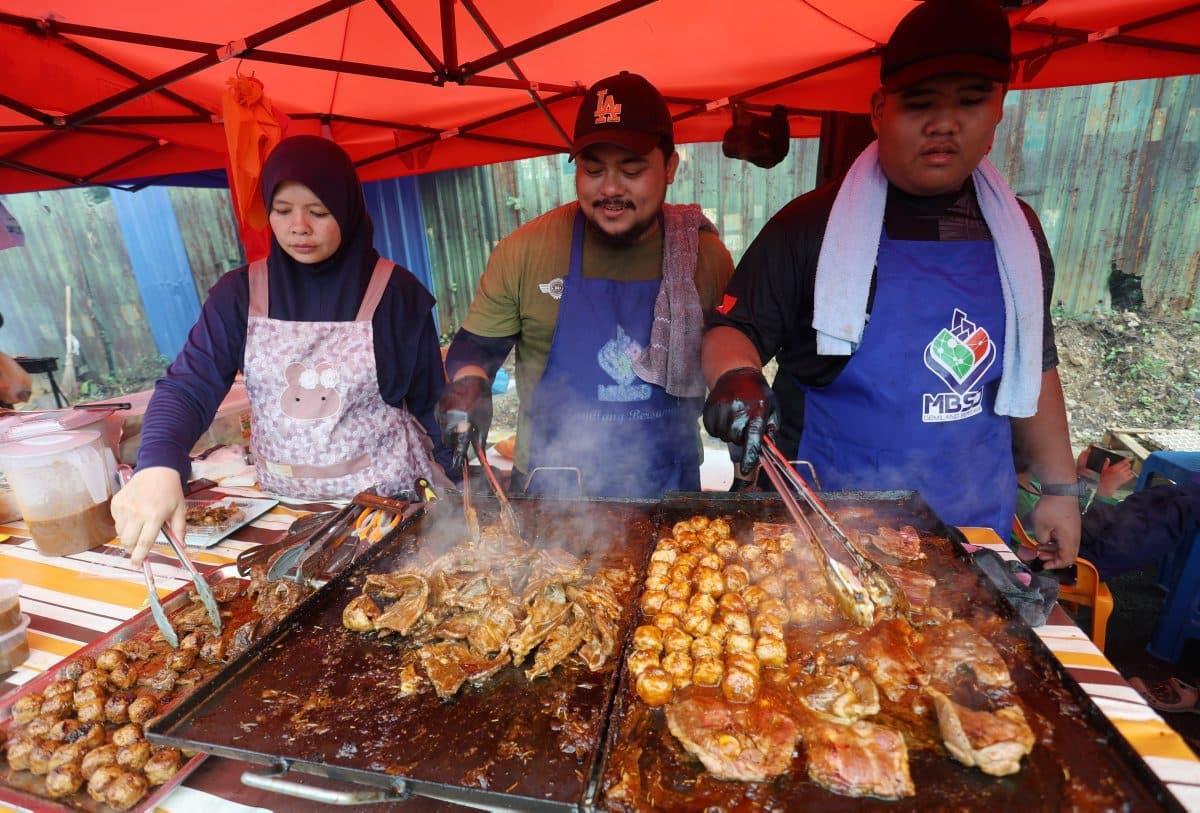
The Malaysian Food Manufacturers Association's (PPMM) president Ding Hong Sing thanked the state government for introducing a six-month, 30 per cent reduction in rental rates for local authority premises, as it would significantly ease the financial burden on small traders.
However, the number of beneficiaries is limited, and the root causes of the challenges small businesses face remain unresolved. To this, he hopes the government will further improve the initiative.
“For example, many small traders are struggling with sharply rising food ingredient costs because our country remains heavily dependent on imported vegetables," Ding said.
He also commended the RM10,000 interest-free loans offered to agropreneurs as a timely measure to encourage more youths to venture into agriculture.
Nevertheless, Ding questioned whether the loans and agricultural land provided would be sufficient.
“I have conducted field research and found that there are fewer and fewer young farmers. Many graduates from Universiti Putra Malaysia are interested in agriculture but lack capital, are unable to secure financing, or do not have access to land, so they end up becoming e-hailing drivers,” he said.
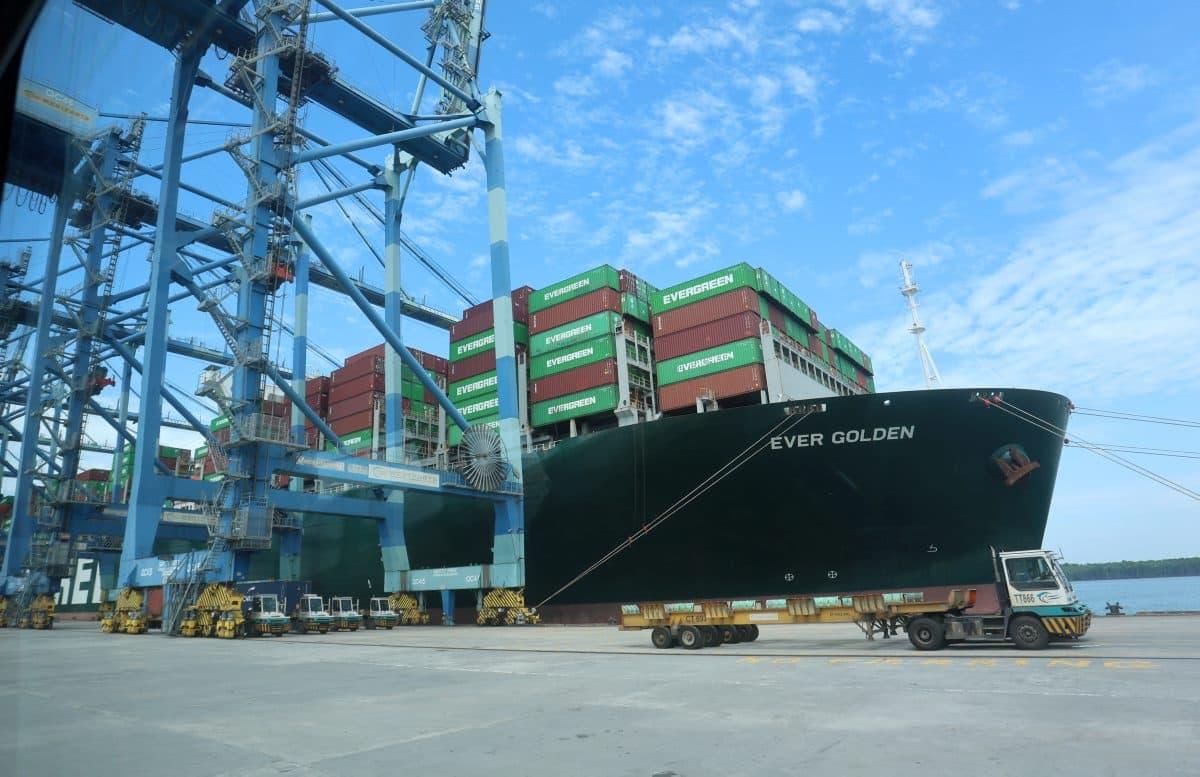
Reduce reliance on imports
Ding noted that many professionals are facing pressure from “rapidly rising prices but slowly increasing wages”.
By comparison, countries that export raw materials and agricultural produce, such as China and Thailand, experience more moderate inflation despite relatively modest wage levels because they have more stable food supply chains.
“We hope the state government will adopt a broader, more strategic perspective by providing land for young farmers, enabling the country to become more self-sufficient in food production, reducing dependence on imports, and stimulating economic growth,” he said.
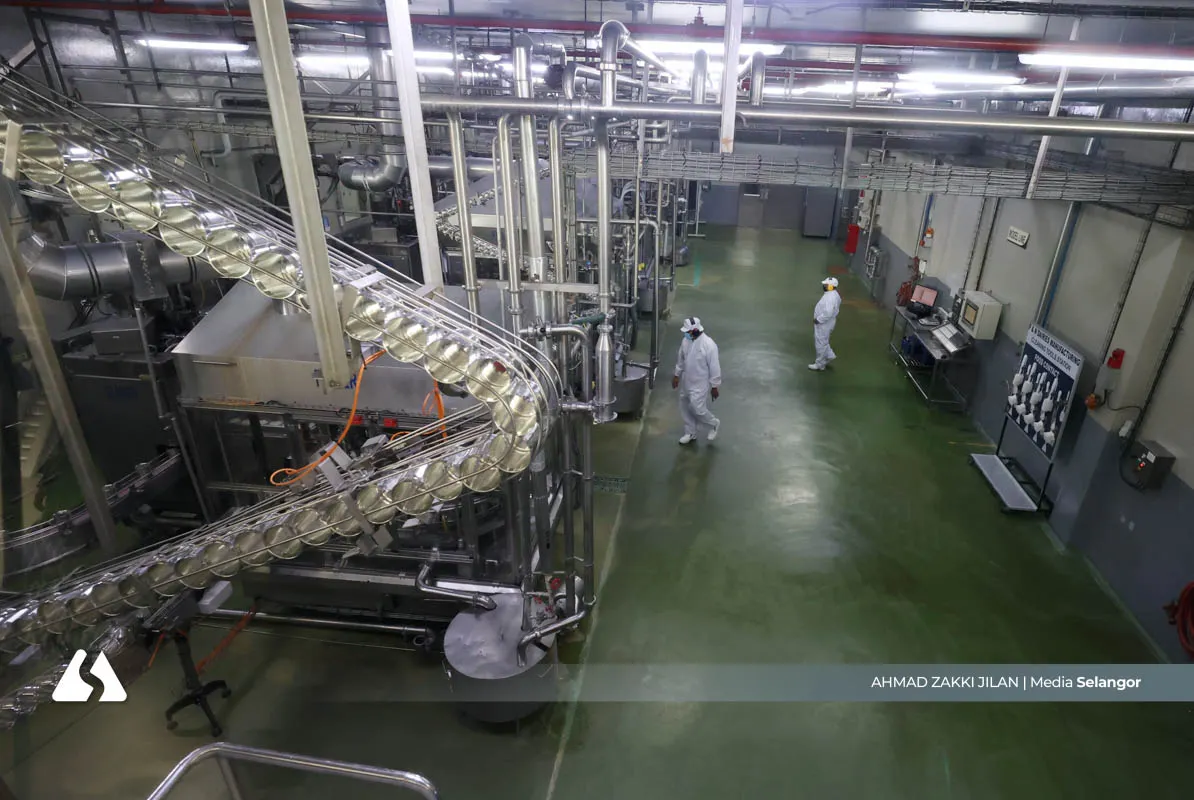
PLATS can help address factory labour shortages
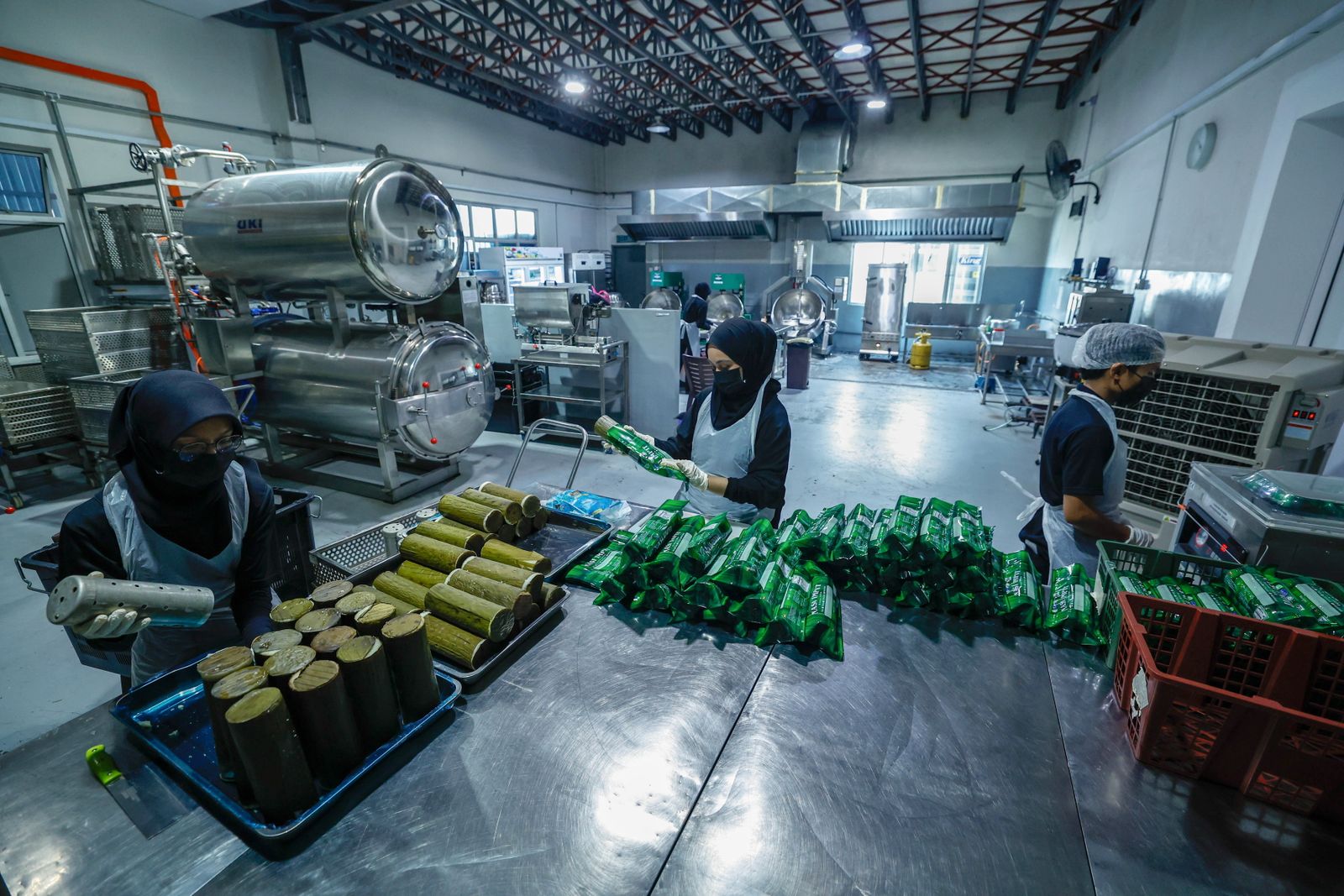
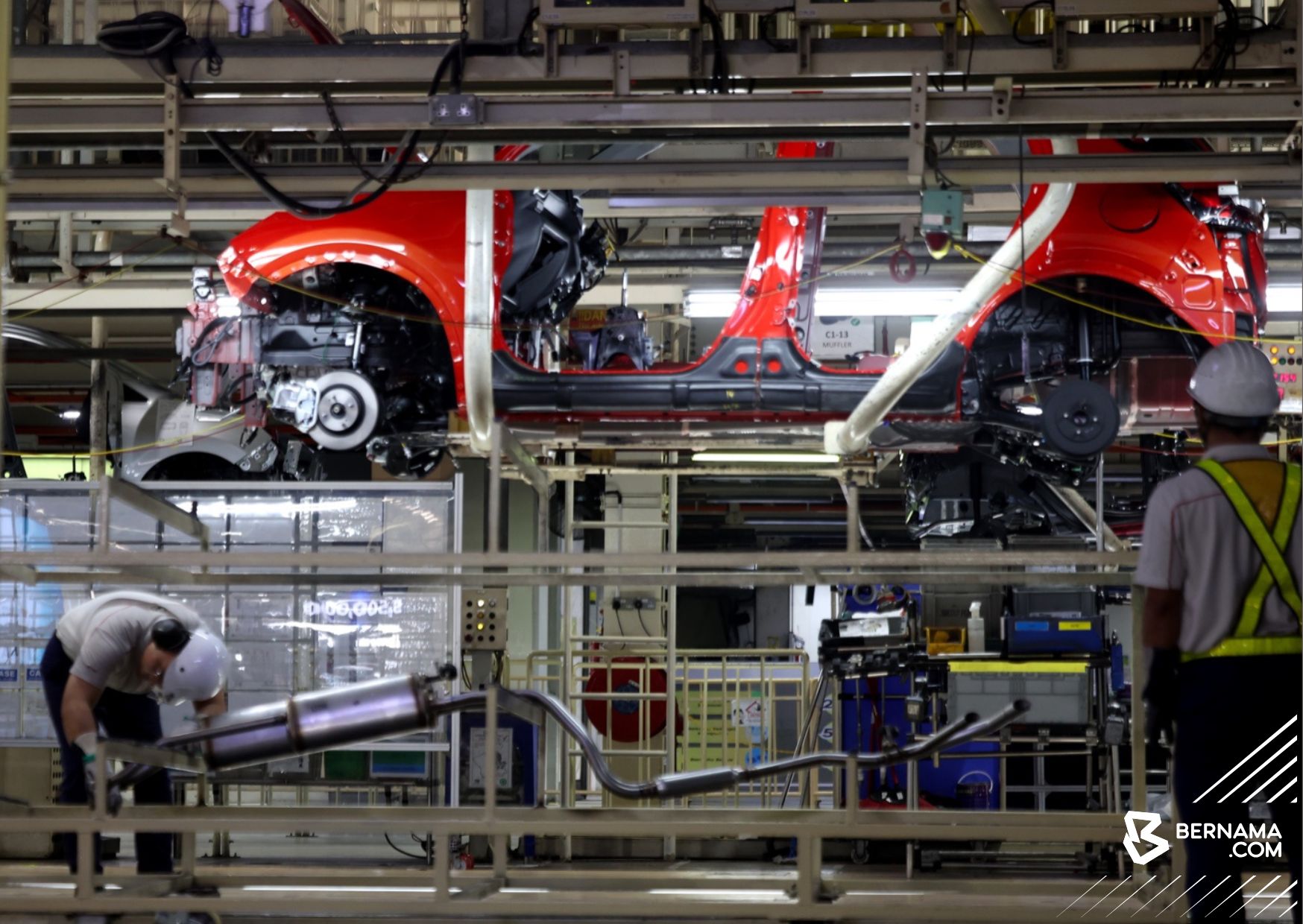
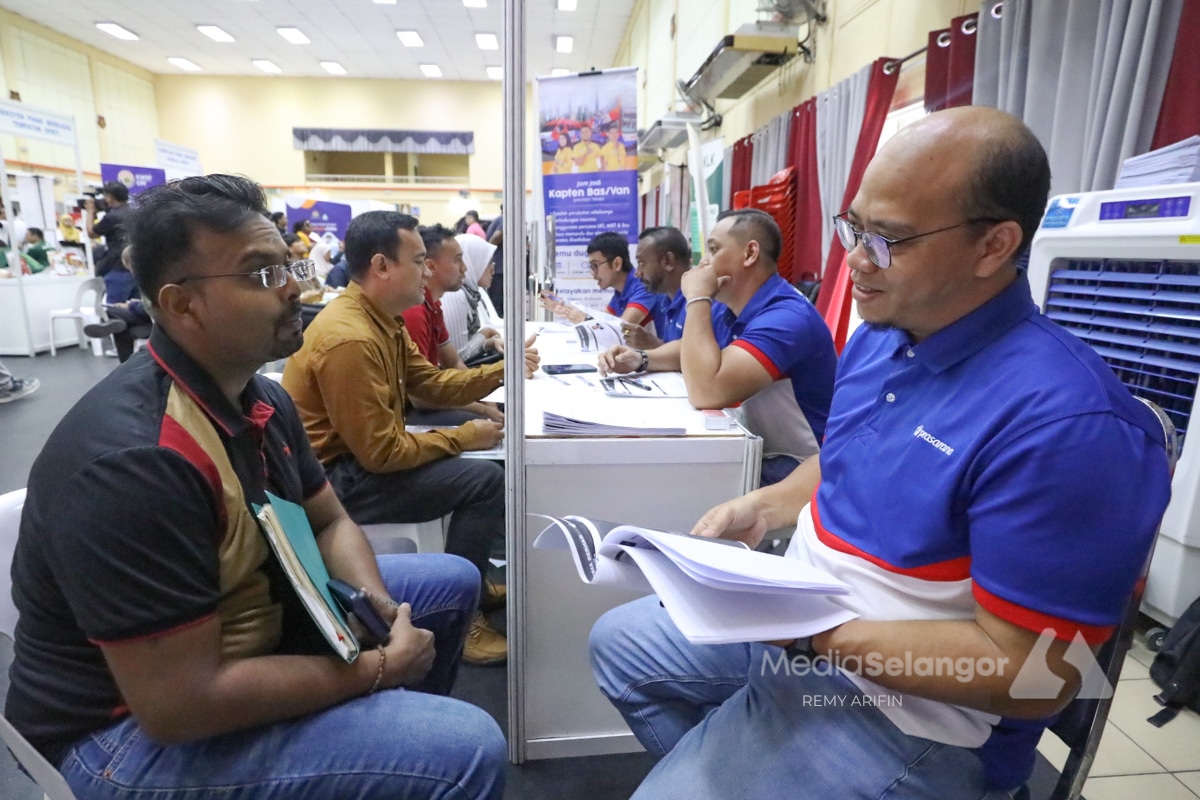
Ding observed that the manufacturing sector is facing increasing difficulty attracting workers, with many Malaysians unwilling to work in factories. He believes the PLATS initiative can help employers fill vacancies through the Social Security Organisation.
“Many manufacturing companies are facing severe labour shortages. Although they have orders to fulfil, they simply do not have enough workers to keep their production lines operating.
"If 30,000 workers can be successfully matched to suitable jobs, it would significantly reduce labour shortages in the manufacturing sector,” he said.
Many businesses earning revenue in US dollars are not short of orders but of workers. If PLATS succeeds in filling those vacancies, Ding said that it would benefit not only businesses but the country's economy as a whole.