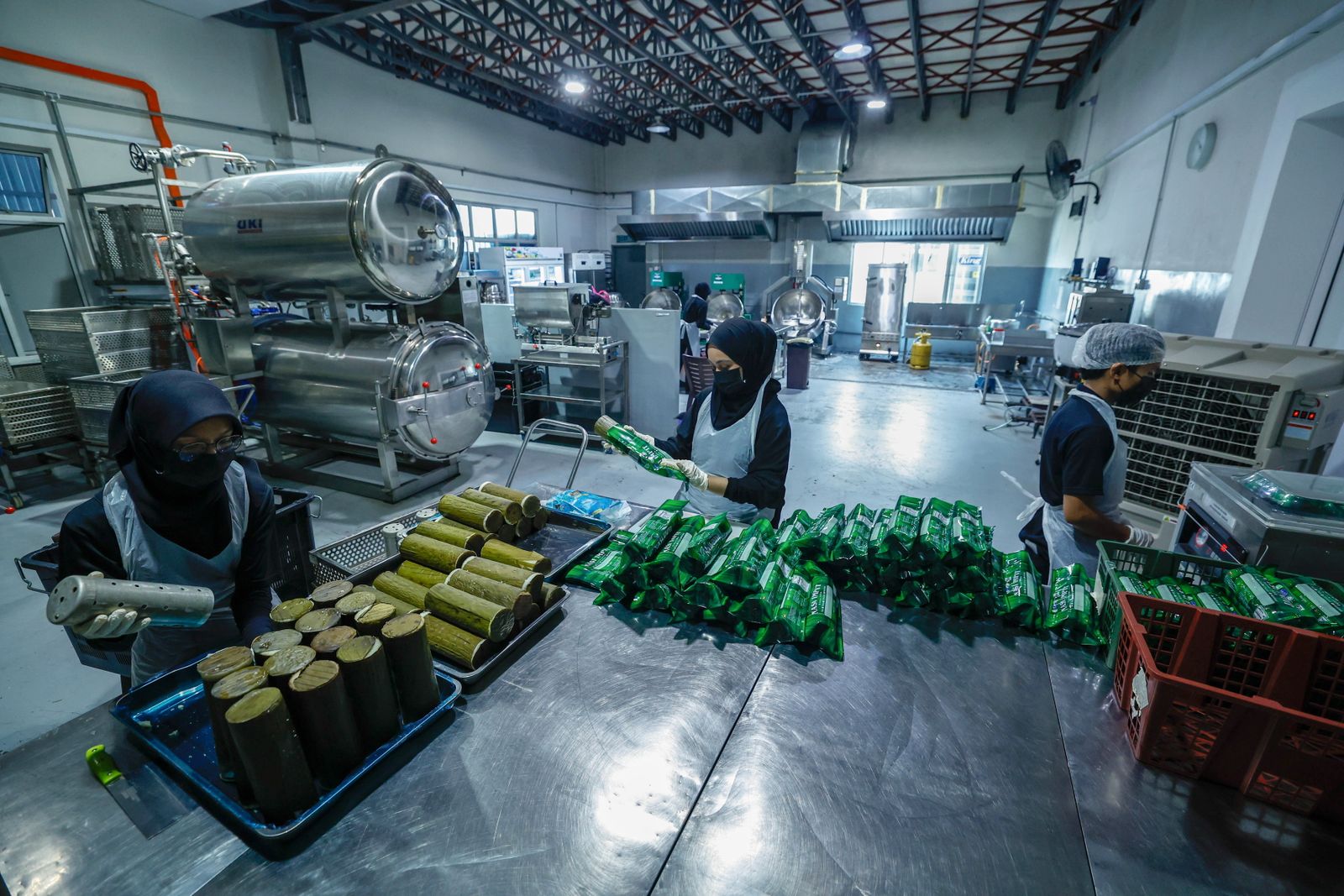

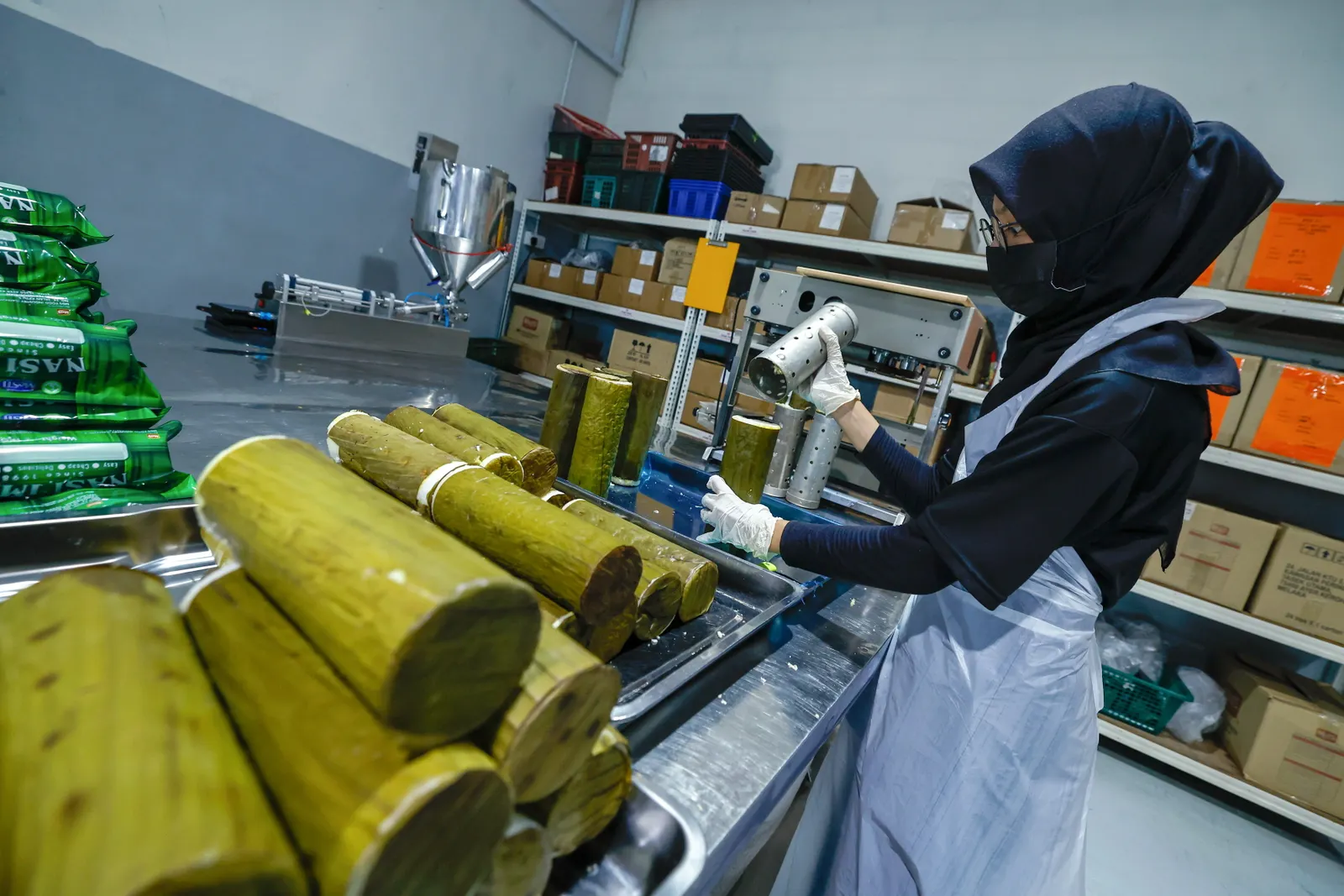
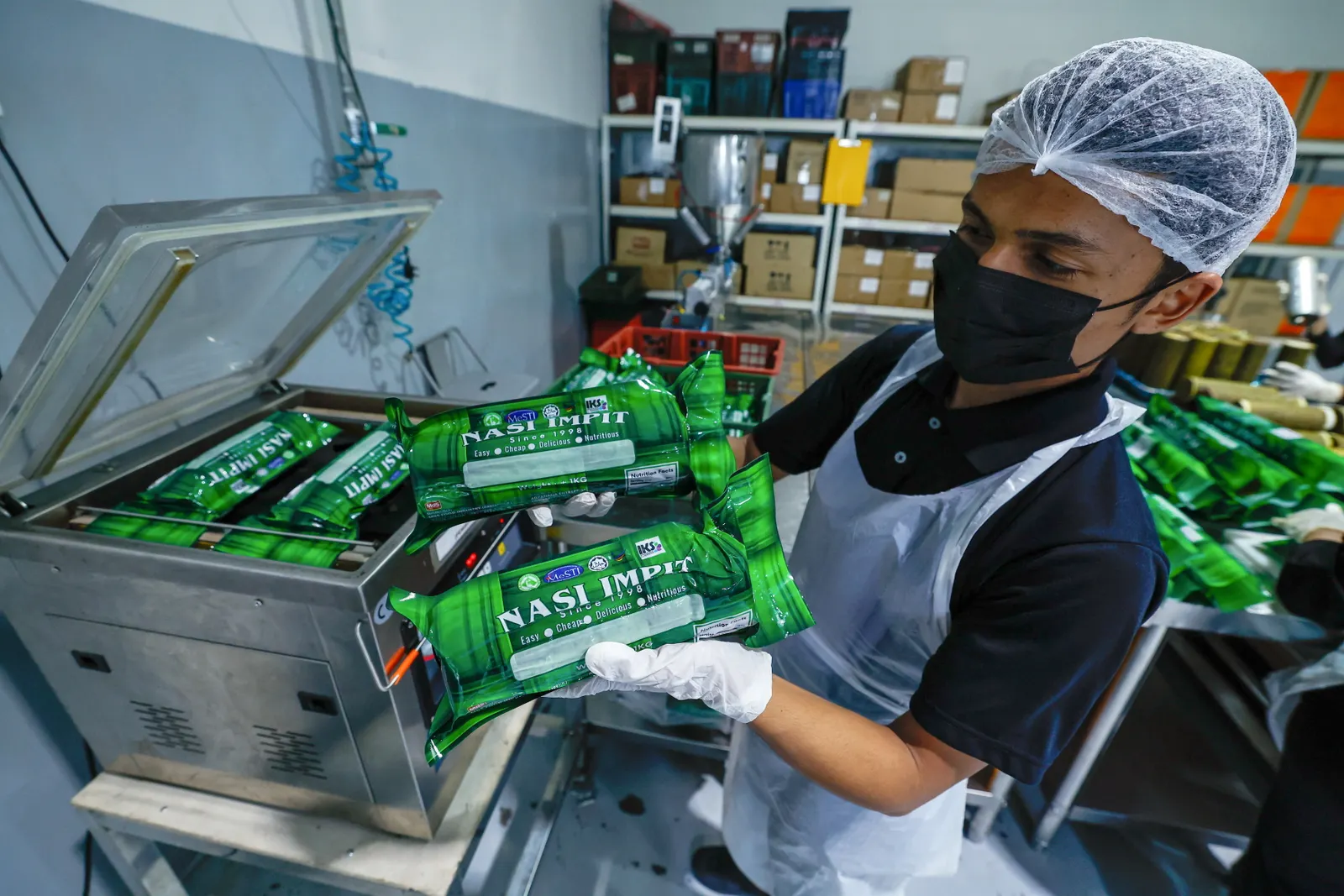
SHAH ALAM, Aug 25 — The Malaysian Food Manufacturers Association (PPMM) has urged the state government to not impose additional burdens on businesses in its efforts to drive economic growth in Selangor, including through frequent policy changes or increases in licensing fees.
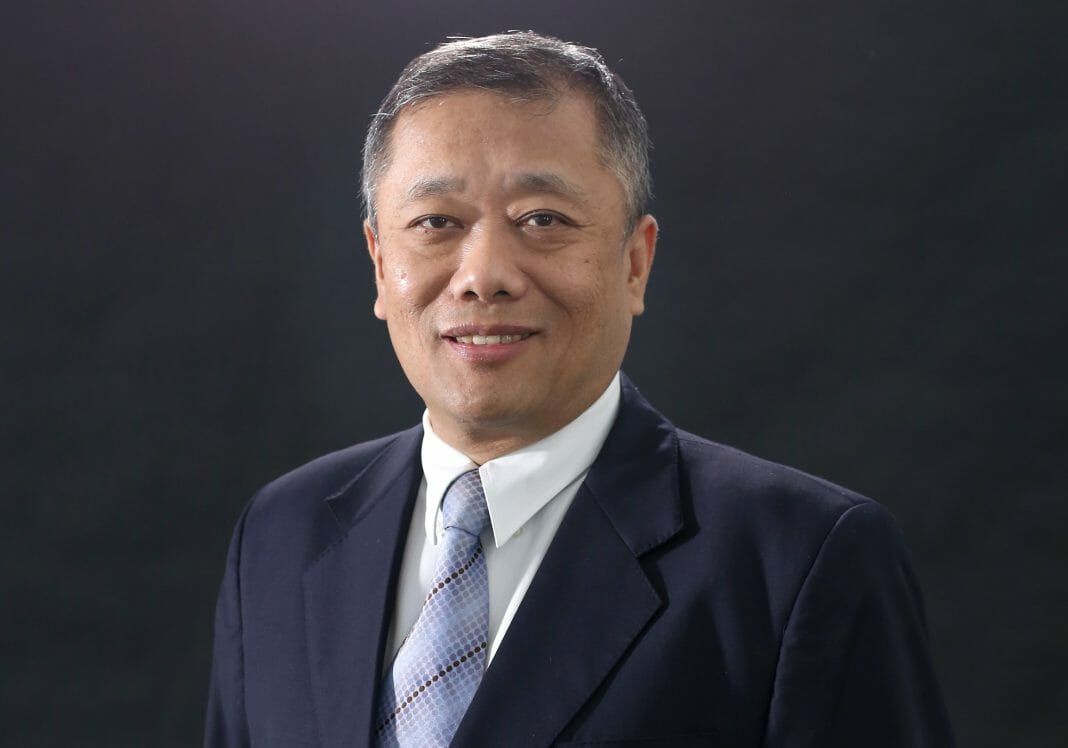
Its president Ding Hong Sing said the state government should take into account the current realities faced by industry players and reduce unnecessary administrative burdens when implementing policies.
“We hope the government can take into account the actual situation faced by businesses and reduce unnecessary administrative burdens,” he said in an interview with Media Selangor.
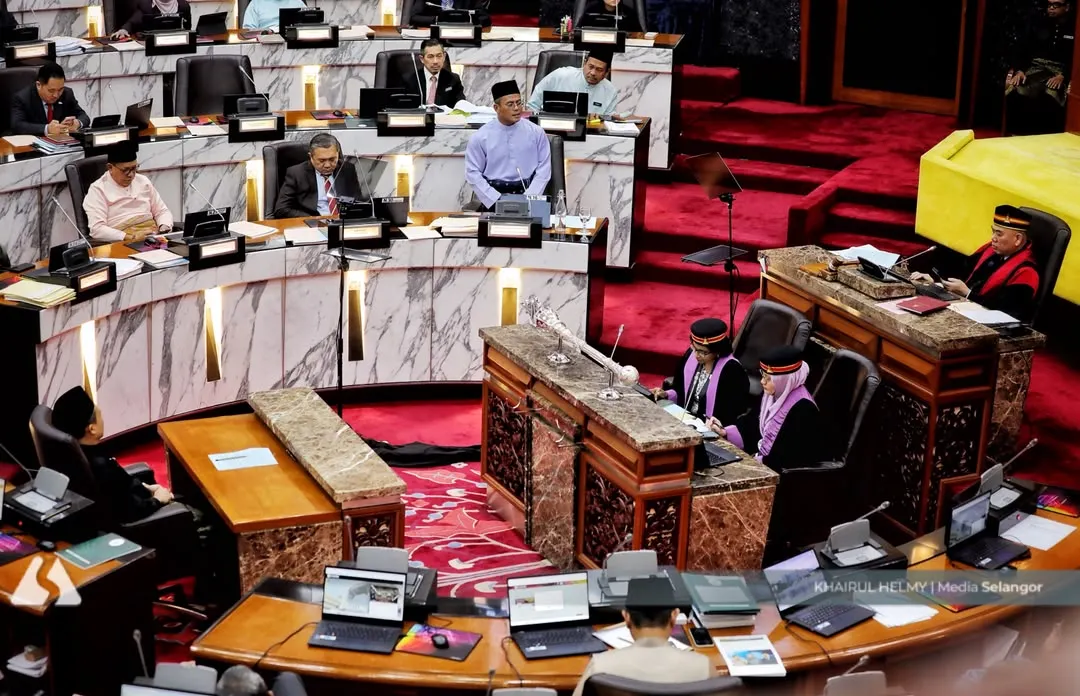
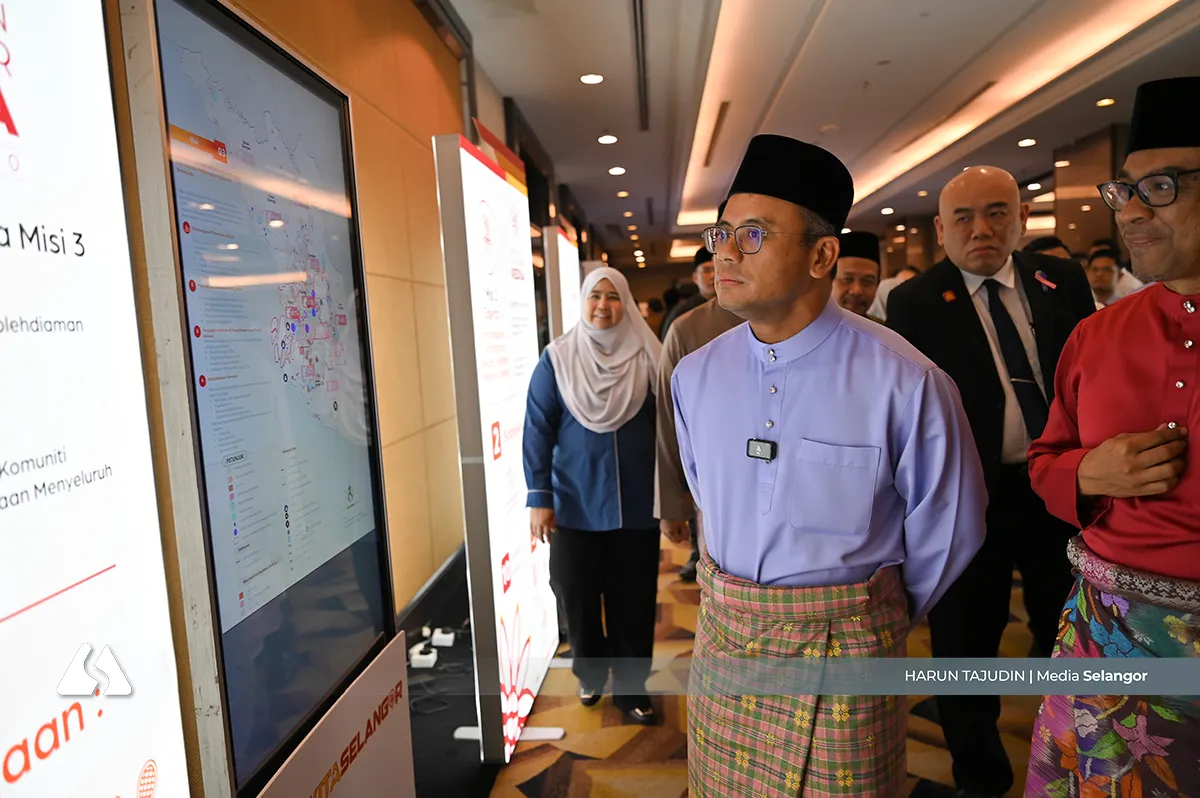
Ding was commenting on the Second Selangor Plan (RS-2), which Menteri Besar Dato' Seri Amirudin Shari tabled on August 7.
He described the Plan's outlined direction as a positive target, and believes its implementation could strengthen the state's competitiveness if supported by business-friendly policies and administrative processes.
Understand manufacturers’ problems before taking action
However, Ding hopes the state government will first understand and help resolve the problems faced by factories and businesses before issuing compounds or taking enforcement action.
“When carrying out enforcement, the government should also understand the actual difficulties faced by manufacturers and provide guidance and room for improvement, rather than making punishment the primary approach,” he said.
Close cooperation between the federal and state governments, streamlined administrative procedures, and more practical support for businesses could help ensure that RS-2 is implemented more effectively.
At the same time, this approach is expected to boost investor confidence and attract more domestic and foreign investment to Selangor.
Help SMEs transition to digitalisation
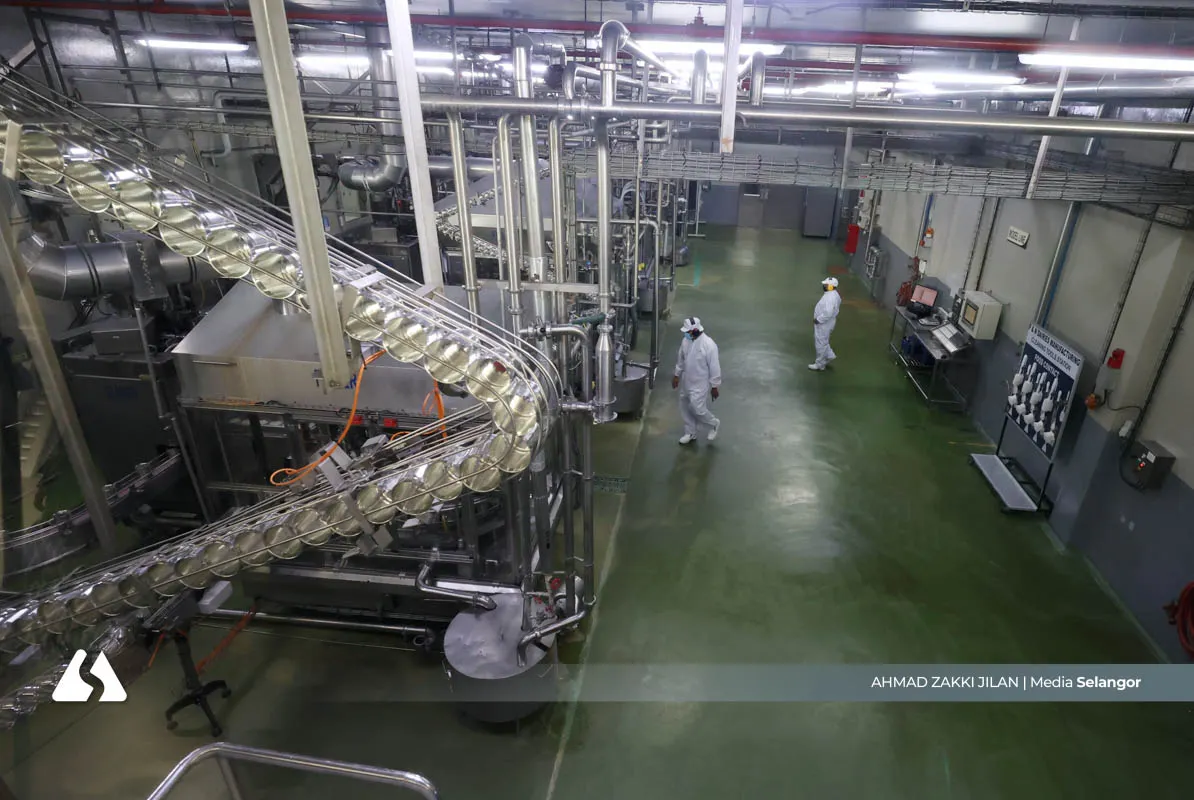
Ding added that the state government should expand assistance for small and medium-sized enterprises (SMEs) to increase their adoption of technology, digitalisation, and automation.
Most SMEs still operate on a small scale and face financial constraints when undertaking such transformations.
“Many SMEs want to change, but the scale of their businesses remains small, and they do not have sufficient capital. To increase automation and digital capabilities, they need financial support.
“The government can help through funding allocations, training and technical support to enable SMEs to transform gradually,” he said.
Ding emphasised the importance of developing a skilled workforce to support industrial growth, including intensifying training to ensure the supply of workers is aligned with the needs of future industries.
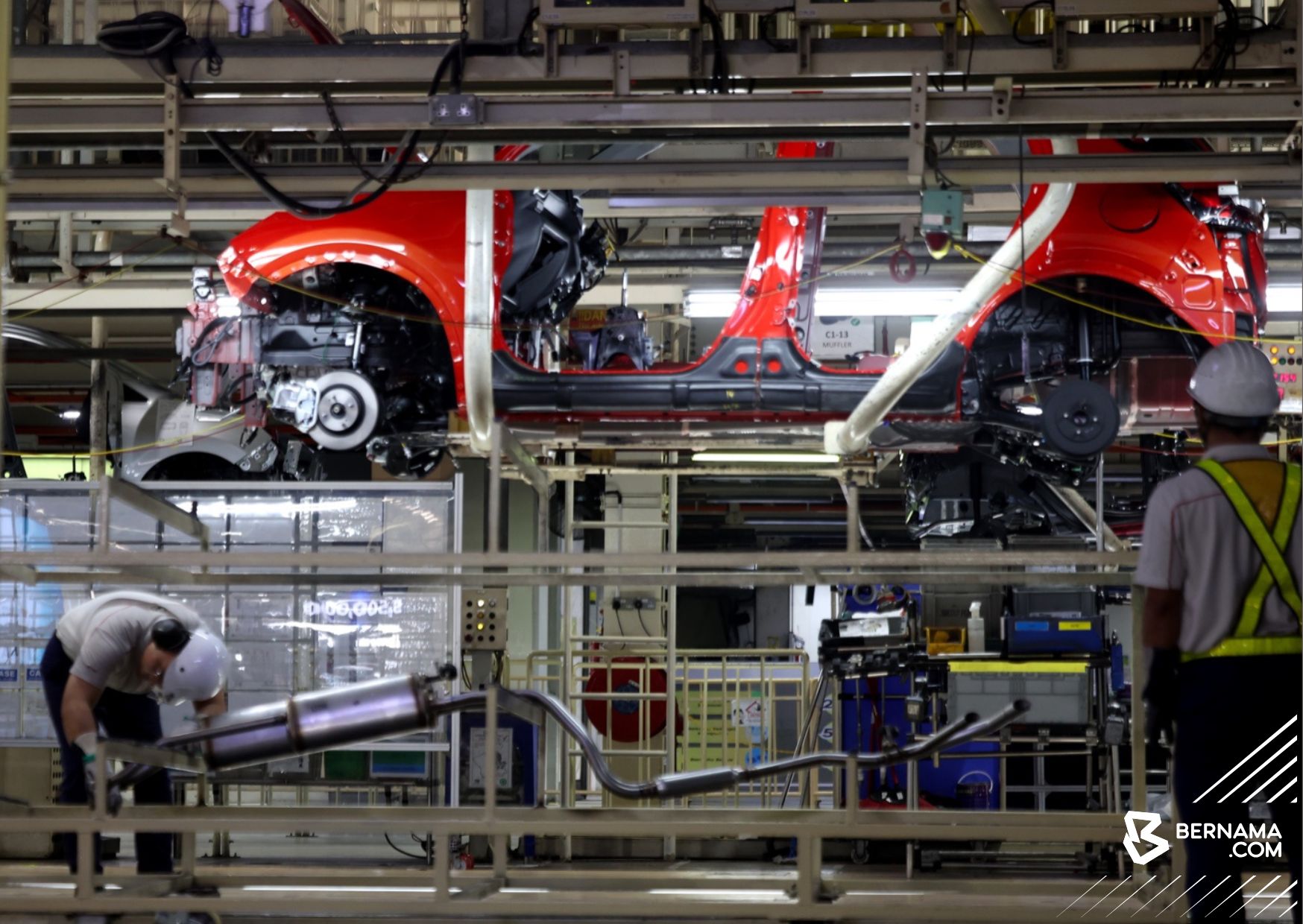
During RS-2's tabling, Amirudin identified five core industries as the main engines of Selangor's economy towards 2030: electrical and electronics (E&E), aerospace, automotive, the digital economy, and the creative economy.
The Plan also targets 6.1 per cent economic growth, total investments of RM330 billion, and a reduction in the unemployment rate to 2.2 per cent by 2030.
After debate by 40 representatives from both sides of the Selangor State Legislative Assembly, RS-2 was unanimously approved on August 13 as the state’s development policy document for 2026-2030.