
SHAH ALAM, Aug 5 — The state government is working with Prasarana Malaysia Berhad and Keretapi Tanah Melayu Berhad (KTMB) to strengthen first-mile and last-mile public transport connectivity, especially in rapidly developing areas such as Semenyih, as part of efforts to encourage greater use of public transport.
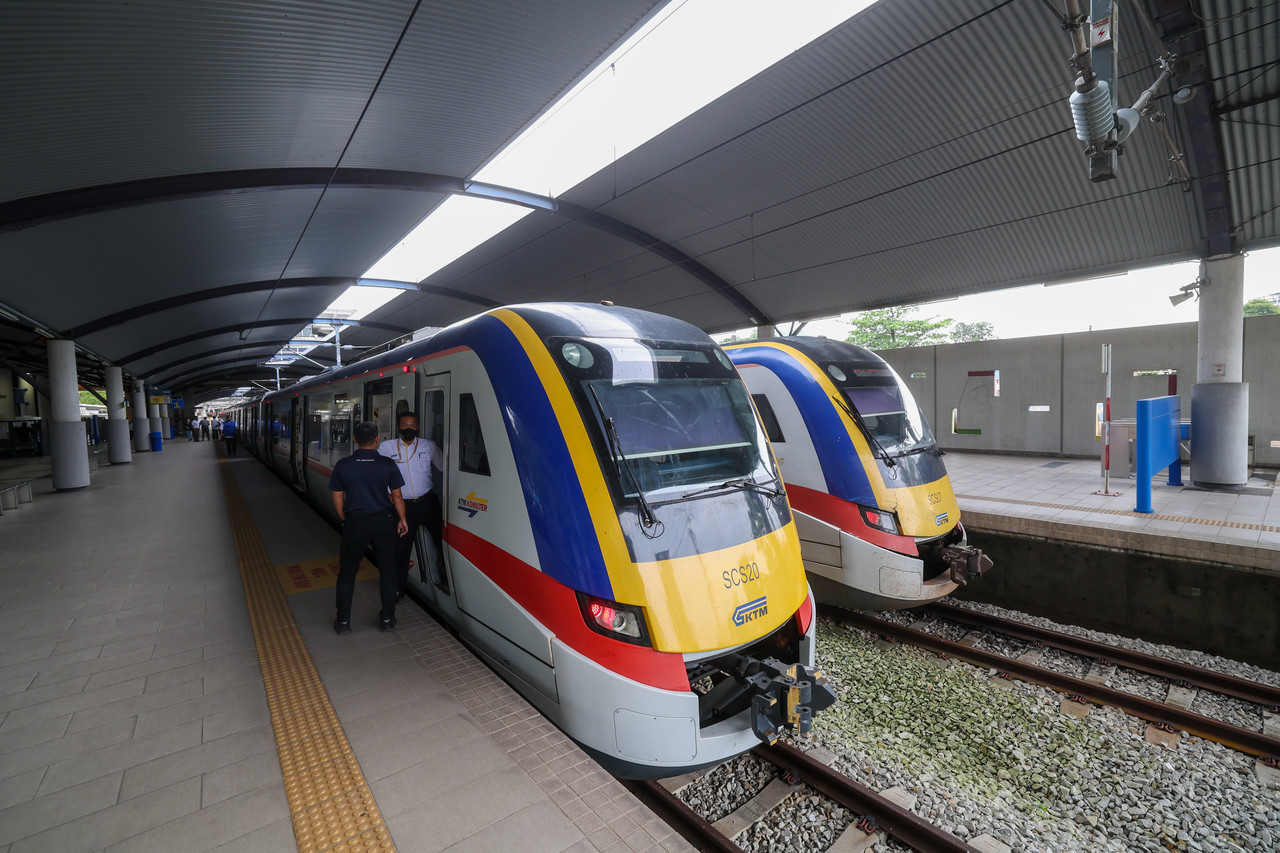
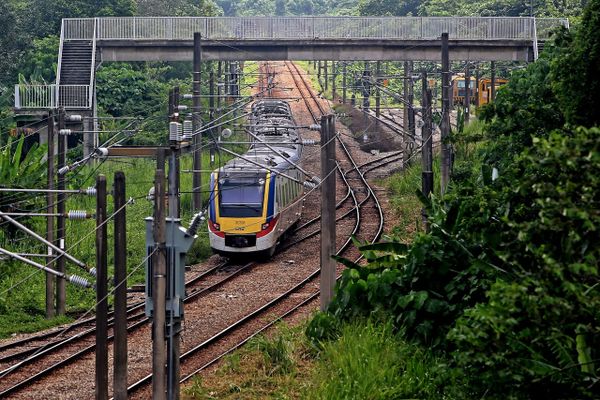
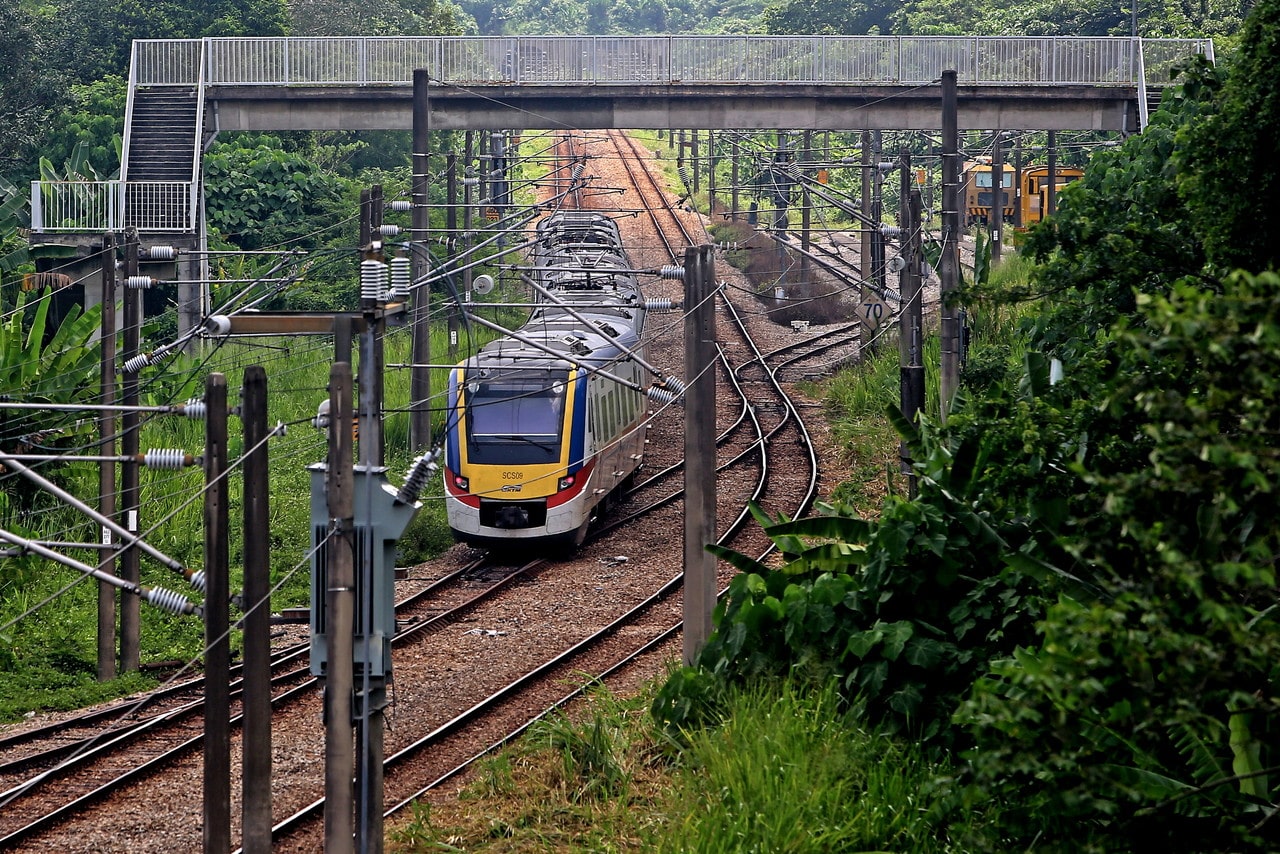
State executive councillor for investment, trade, and mobility Ng Sze Han said discussions are underway with KTMB to restore the Smart Selangor Bus service at Bangi KTM station after the completion of the Klang Valley Double Track Phase 2 (KVDT2) upgrading works next year.
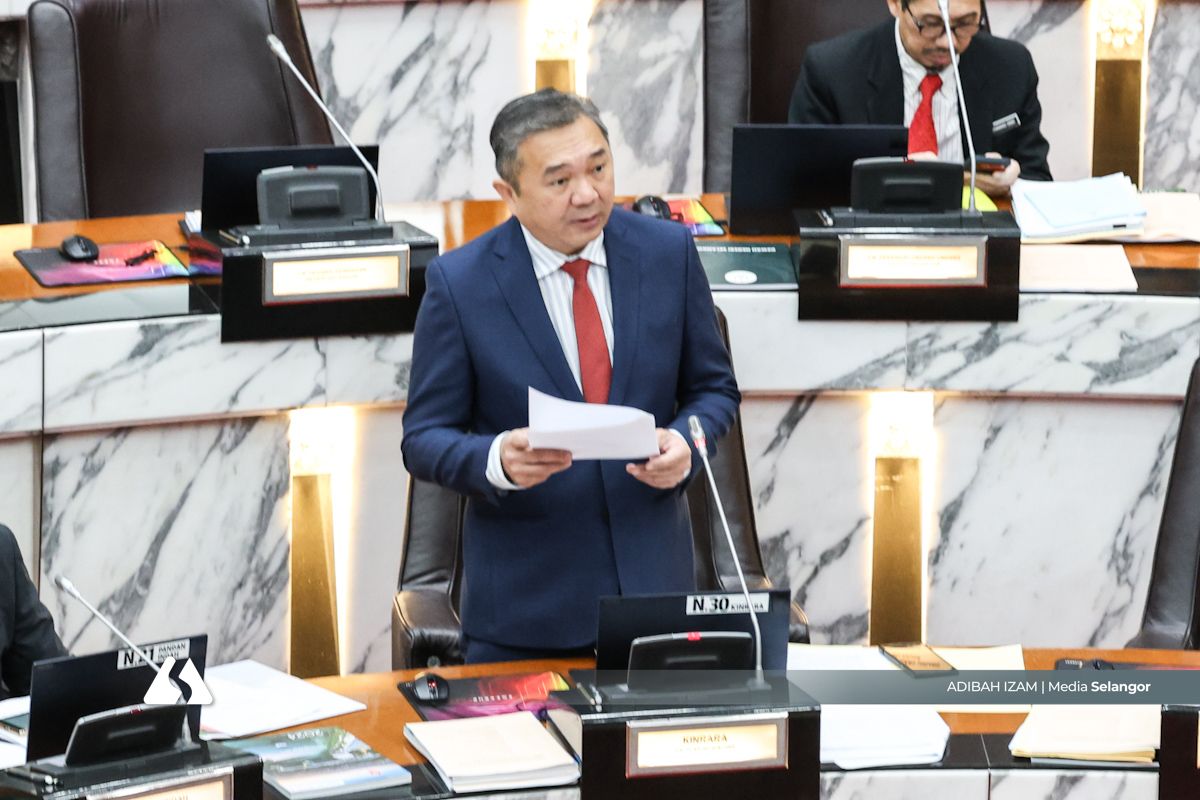
“The state government will continue to work with major public transport providers such as Prasarana and KTMB so that Semenyih residents can enjoy a more comfortable and efficient public transport system,” he said during the question and answer session of the Selangor State Legislative Assembly sitting today.
Ng was responding to Semenyih state assemblyman Nushi Mahfodz, who asked about improving the public transportation service in his constituency.
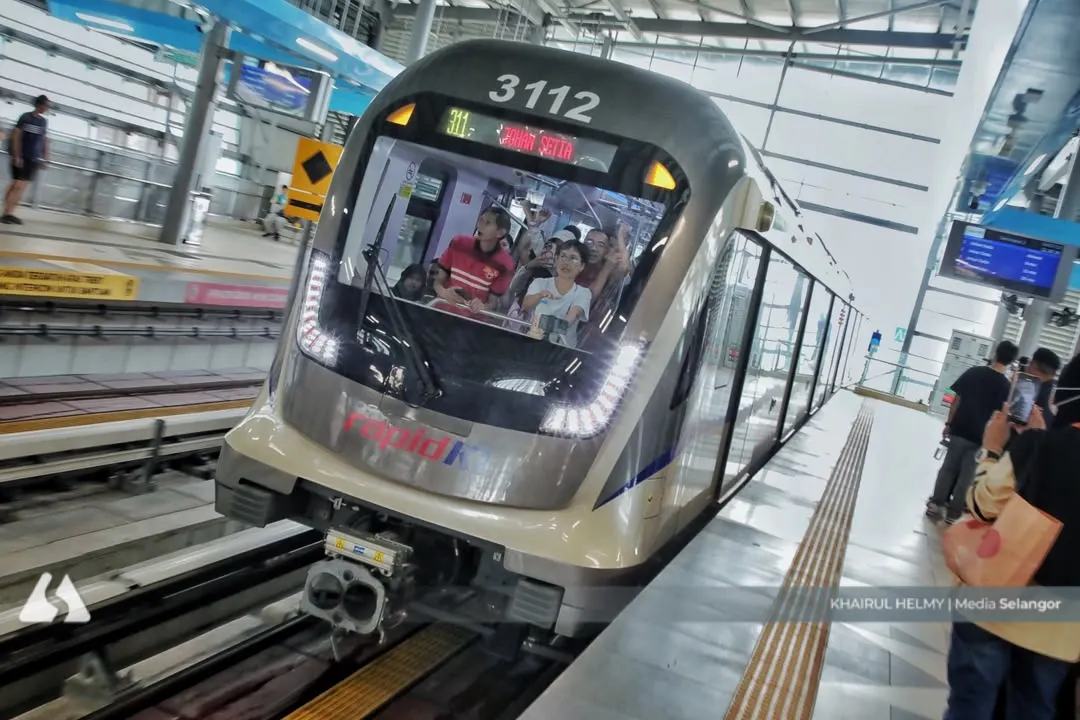
He acknowledged that although Semenyih is connected to the MRT Kajang Line and KTM Komuter Bangi station, both rail services are located about 10km to 12km from residential areas, making them difficult for many commuters to access.
To bridge the gap, the area is currently served by Rapid Bus feeder routes T450 and T460, the Kajang Municipal Council’s (MPKj) KJ02 Smart Selangor Bus route linking Bangi KTM station with Bandar Bukit Mahkota.
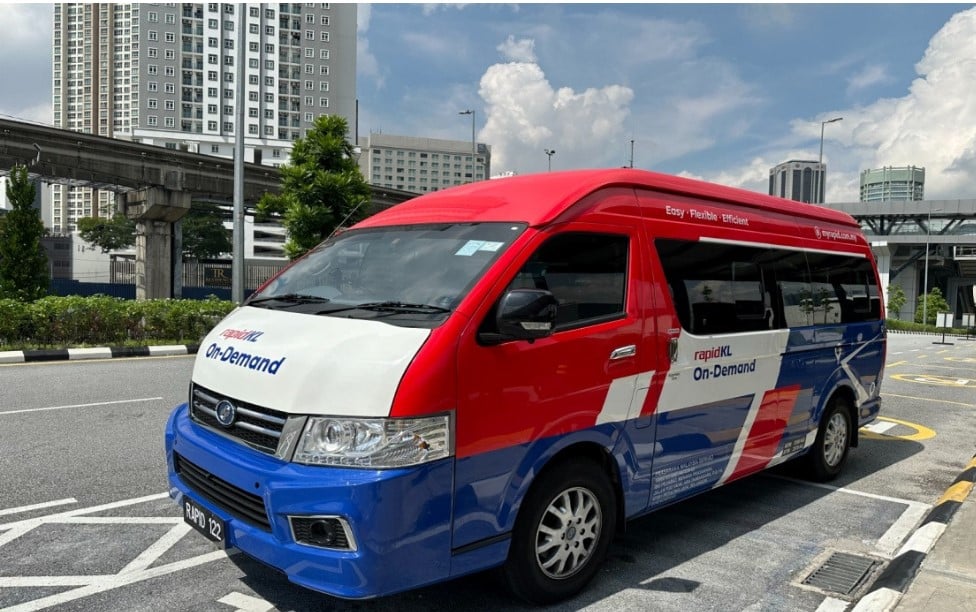
Rapid On-Demand services also cover Bandar Tasik Kesuma, Bandar Rinching, the Bangi KTM station, and Sungai Jernih.
Ng added that Smart Selangor Bus routes are selected based on factors such as serving medium and low-cost residential areas, locations with high public transport demand, and connections to hospitals, clinics, commercial centres, education institutions, and major transport hubs.
In response to Nushi’s supplementary query proposing the expansion of bus services to newer townships and improving links between Kajang MRT and surrounding areas during the KVDT2 works, he said the state government will study the proposals.
“The state government, together with MPKj, Prasarana, and other public transport providers will sit down to examine the possibility of adding more public transport facilities in Semenyih, where development has been rapid and dense,” Ng said.
Separately, the councillor also responded to a question on public transport needs in Gombak, saying that Selangor is reviewing its transport planning approach to move away from conventional, car-centric planning.
Transport planning has traditionally relied on Traffic Impact Assessments, but the state government now recognises the need to adopt a multimodal accessibility approach that assesses how easily people can reach destinations across various modes of transport.
He noted that this approach will assess travel times using different modes of transport, including private vehicles, buses, rail, micromobility, and walking, to develop more effective transport solutions.
“I believe the time has come for us to review our guidelines,” Ng said.