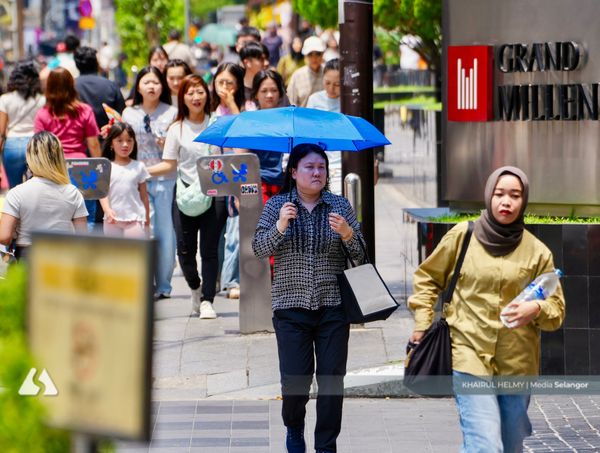
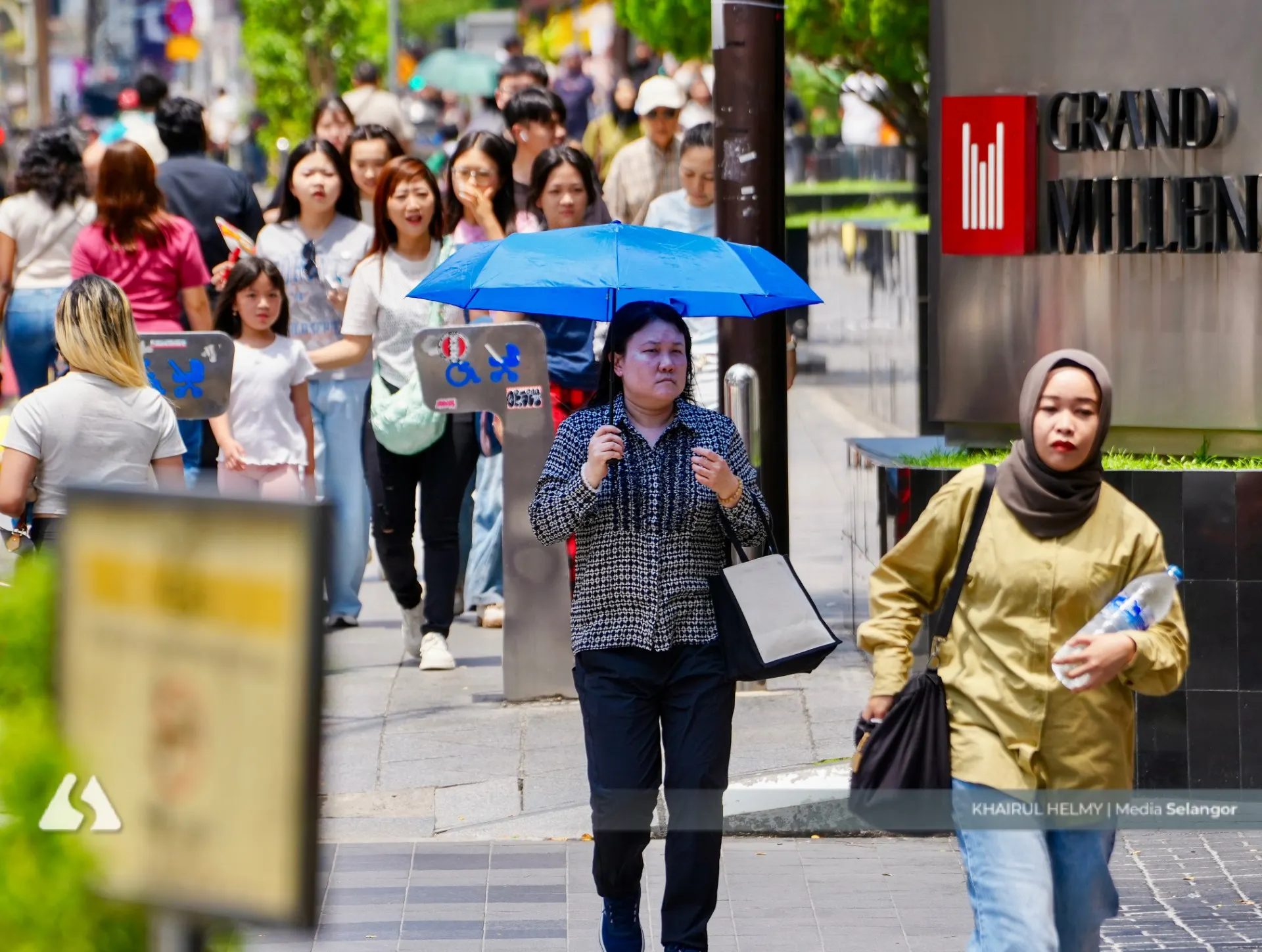
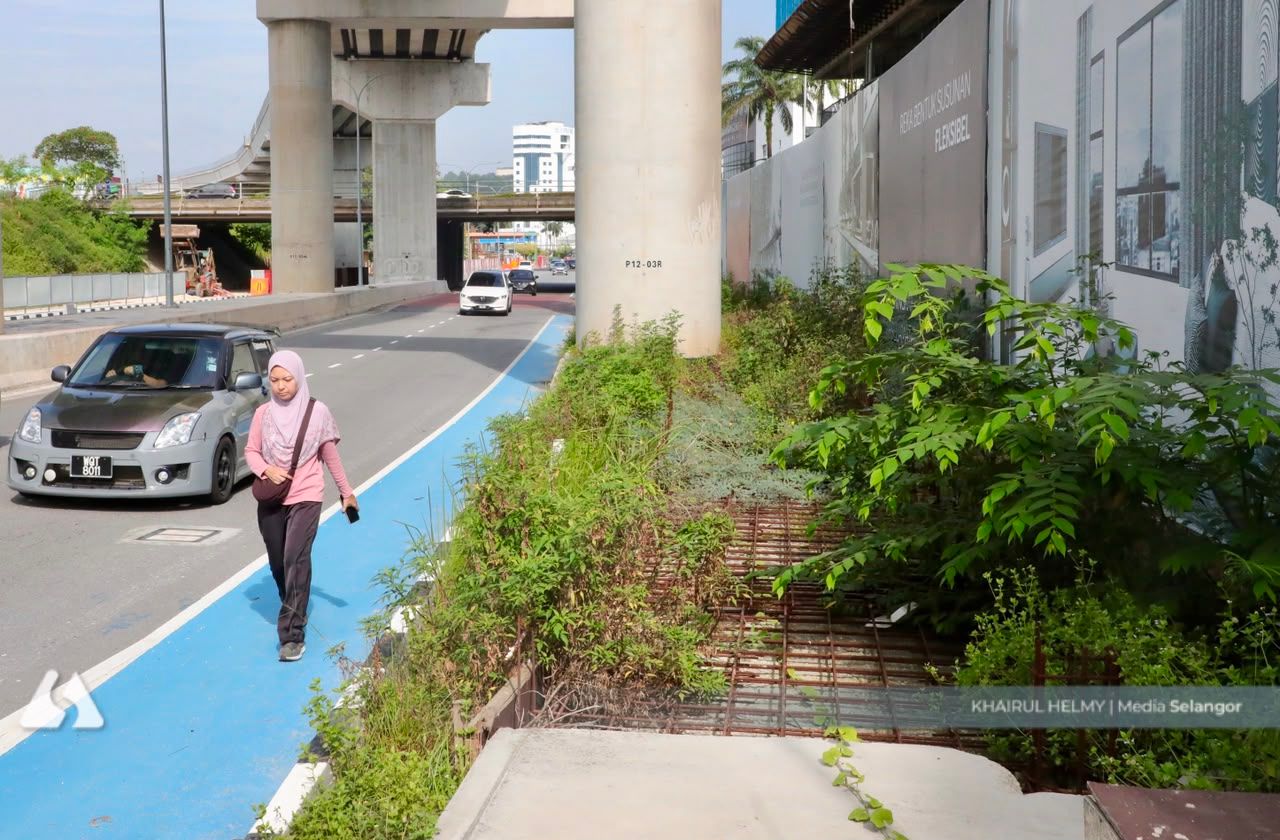
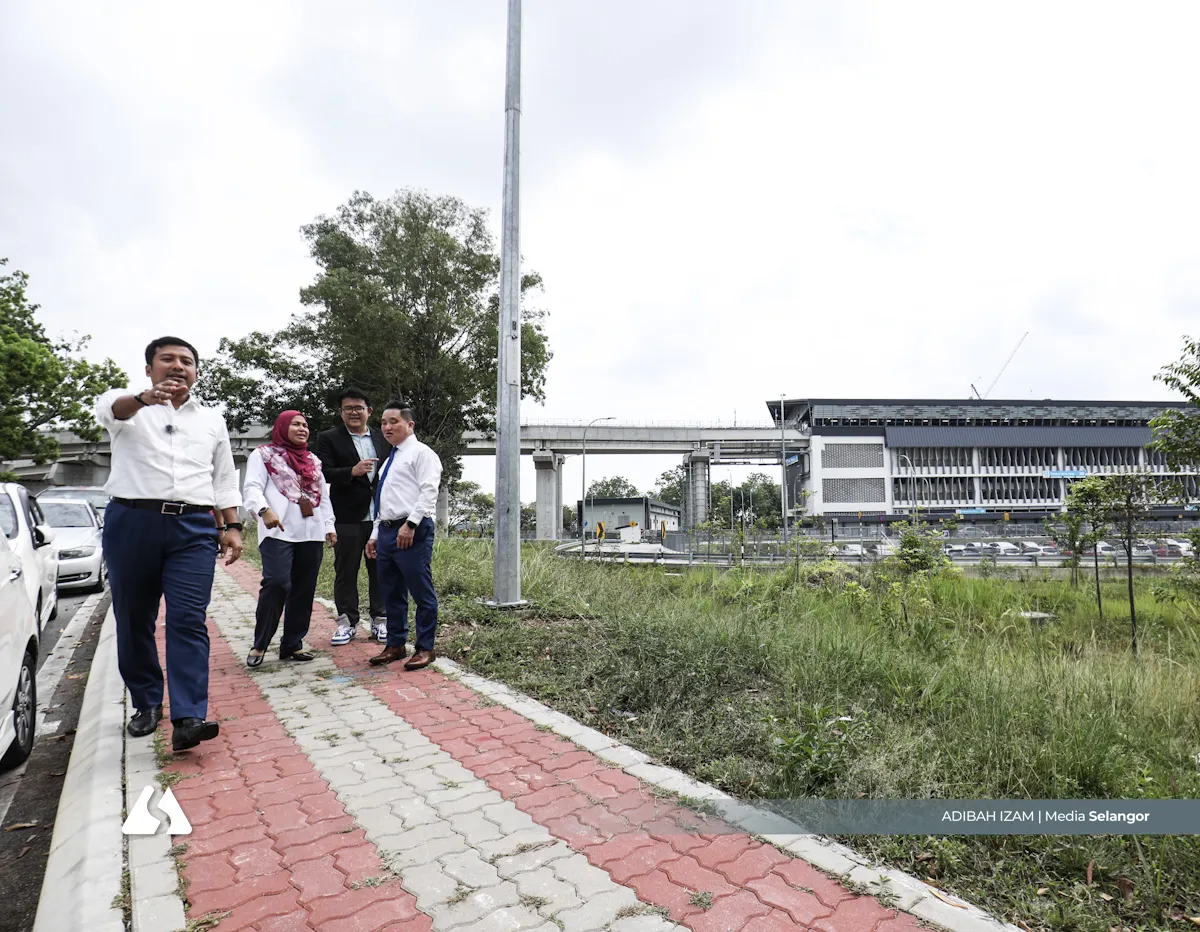

SHAH ALAM, Aug 13 — All local authorities in Selangor will be required to conduct “walking audits” to identify problems with pedestrian infrastructure, remove obstructions, and connect existing pedestrian routes, particularly around schools, health clinics, community facilities, and transit hubs.
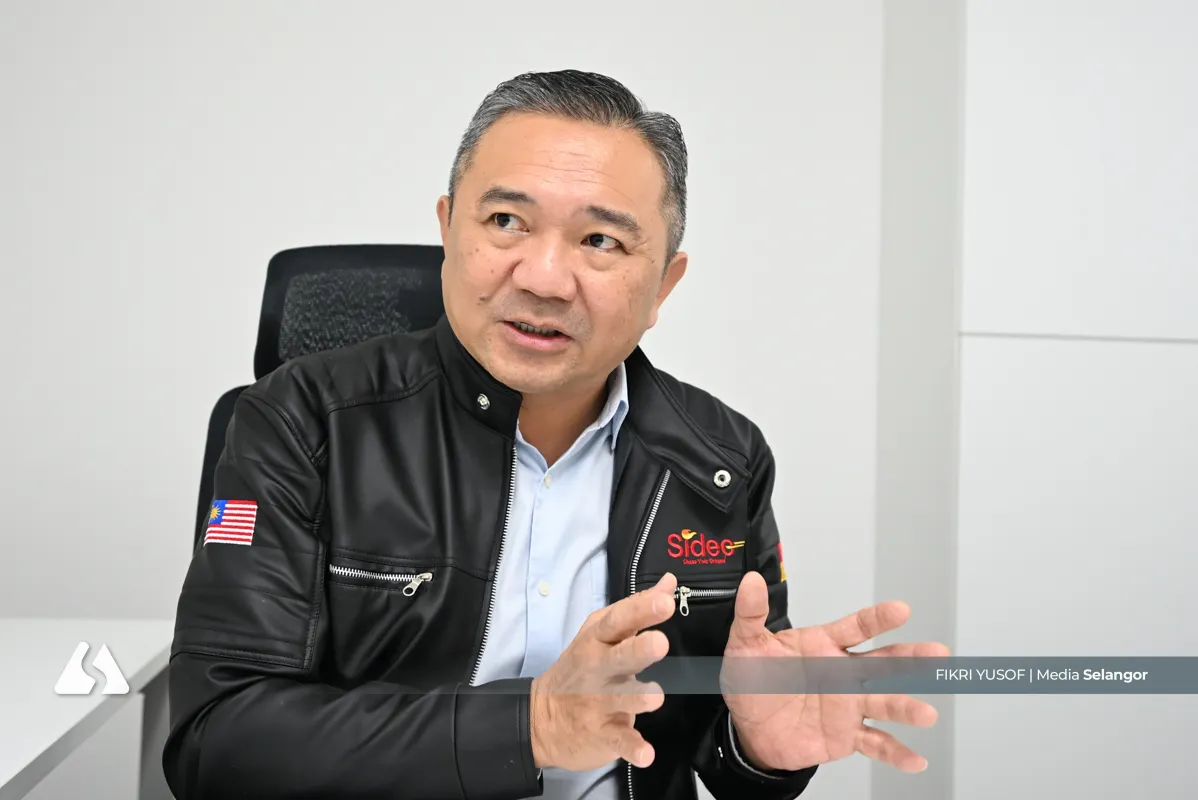
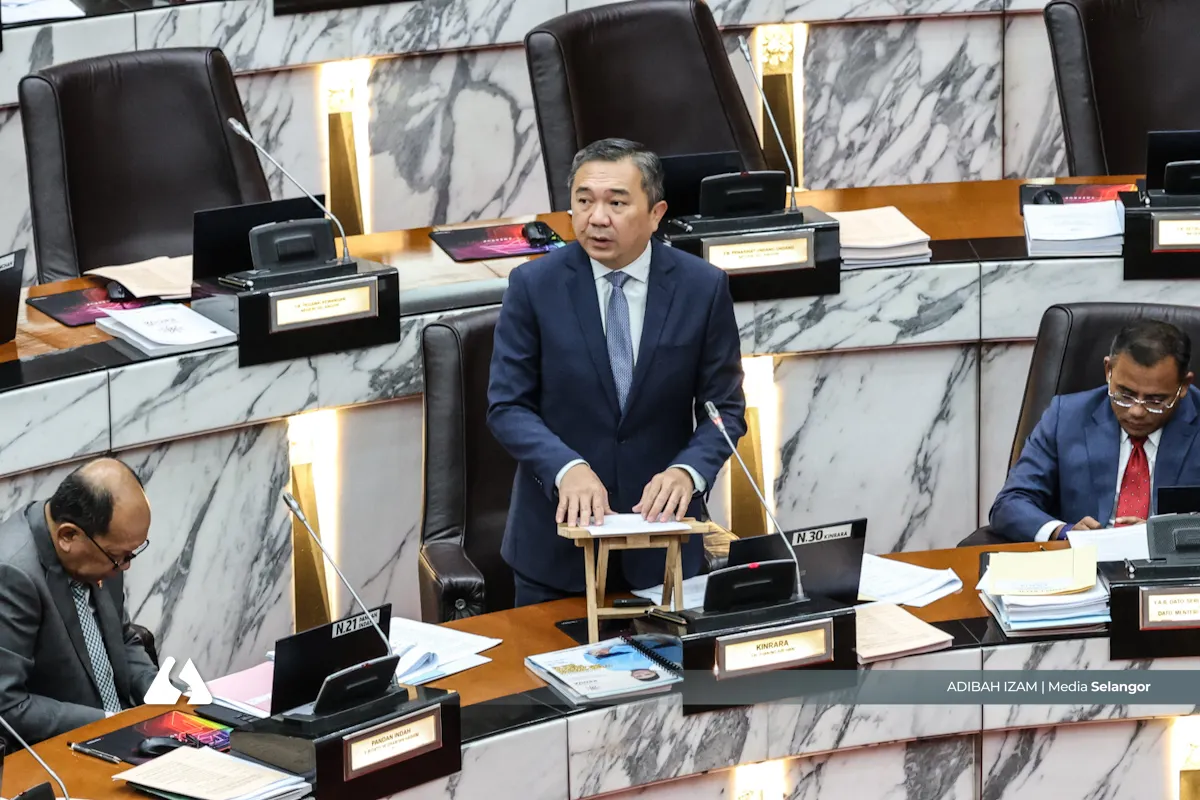
State executive councillor for investment, trade, and mobility Ng Sze Han said the initiative was among seven measures being introduced to strengthen Selangor’s mobility agenda under the Second Selangor Plan (RS-2).
“The state government wants all local authorities to conduct walking audits on the ground to identify actual problems at the site, remove all obstructions along pedestrian routes, and connect all existing pedestrian routes, taking into account the safety and comfort of users.
"(A total of) 87km of pedestrian routes have been provided across Selangor, while another 35.5km has been proposed for construction in 2026 and 2027.
"The initiative will also cover pedestrian routes involving roads owned by developers and the Public Works Department," he said during his winding-up speech on the RS-2 debate at the Selangor State Legislative Assembly sitting today.
Ng added that the other measures include establishing the Selangor Mobility Centre as a one-stop location to coordinate mobility policies, complaints, and improvement proposals, while leveraging mobility data from local authorities, the federal government, and the private sector.
"The centre will also work to integrate the Selangor Integrated Transit System and NINE app with other transit apps, including Prasarana’s Pulse app," he said.
Similarly, the state government will review its planning guidelines to move away from a car-centric approach towards Multi-Modal Accessibility Targets, while using Traffic Impact Assessments and Transport Assessments to address congestion and encourage public transport and micromobility.
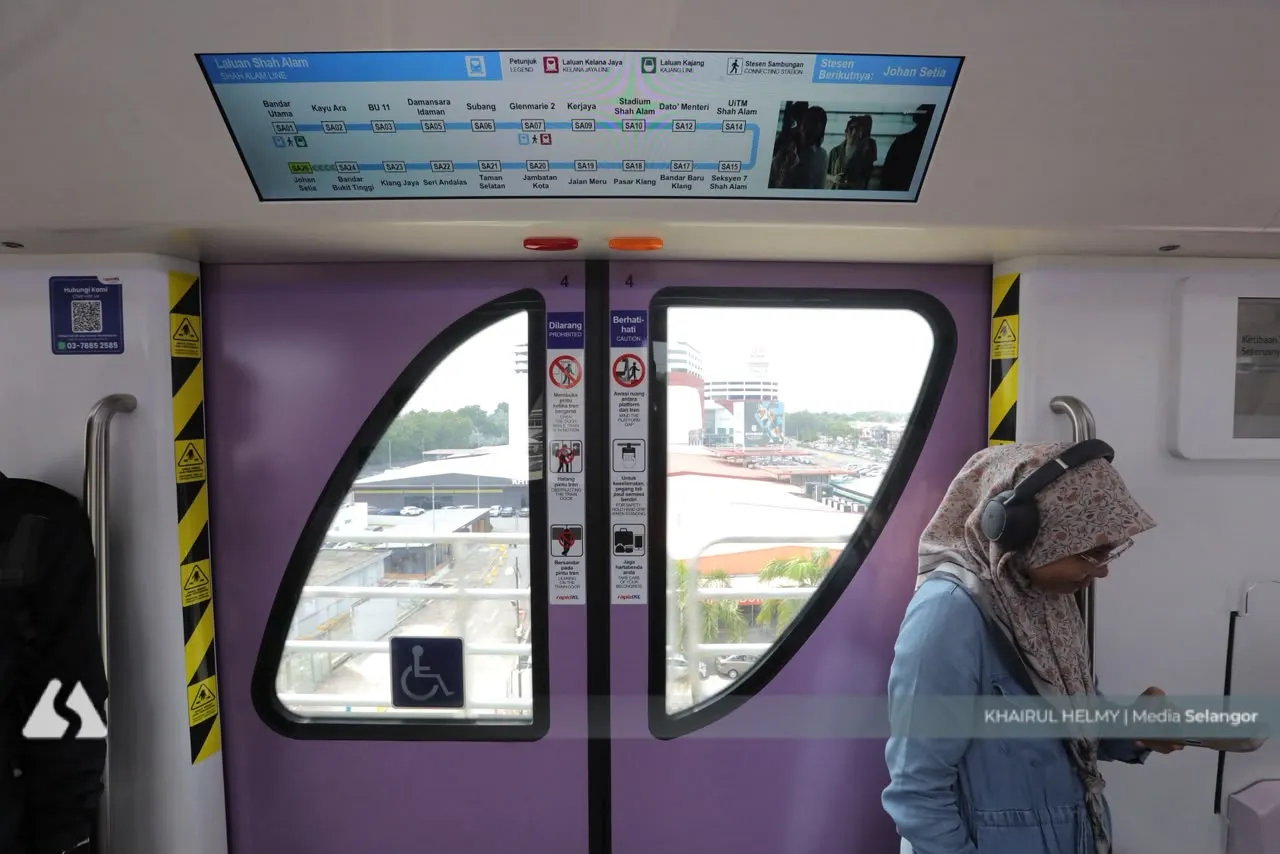
"A comprehensive review of bus routes will also be conducted this year, taking into account rail developments including LRT3 and KVDT2, which are expected to be fully completed by 2027," Ng said.
The councillor noted that 65 per cent of demand responsive transit users are aged 35 and below since the incentive’s introduction, marking a positive sign that young people are willing to use public transport.
Greater private-sector cooperation will be pursued to develop Selangor’s mobility operating and vehicle manufacturing ecosystem, creating high-value jobs within the public transport supply chain.
He said the seven initiatives are aimed at achieving the mobility objectives under RS-2 by 2030, with mobility to be viewed as a matter of social justice rather than simply an alternative to private vehicles.
“Mobility is social justice. Unequal access to safe and affordable transport will worsen poverty, disappoint communities, and restrict freedom,” Ng said.