
KUALA LUMPUR, July 30 — Keretapi Tanah Melayu Berhad (KTMB) recorded 13.2 million passengers in the first half of 2026, an increase of eight per cent compared to the same period last year.
Its group chief executive officer Datuk Azlan Shah Al Bakri said the increase also contributed to the company's total revenue, which rose from RM206 million to RM296 million.
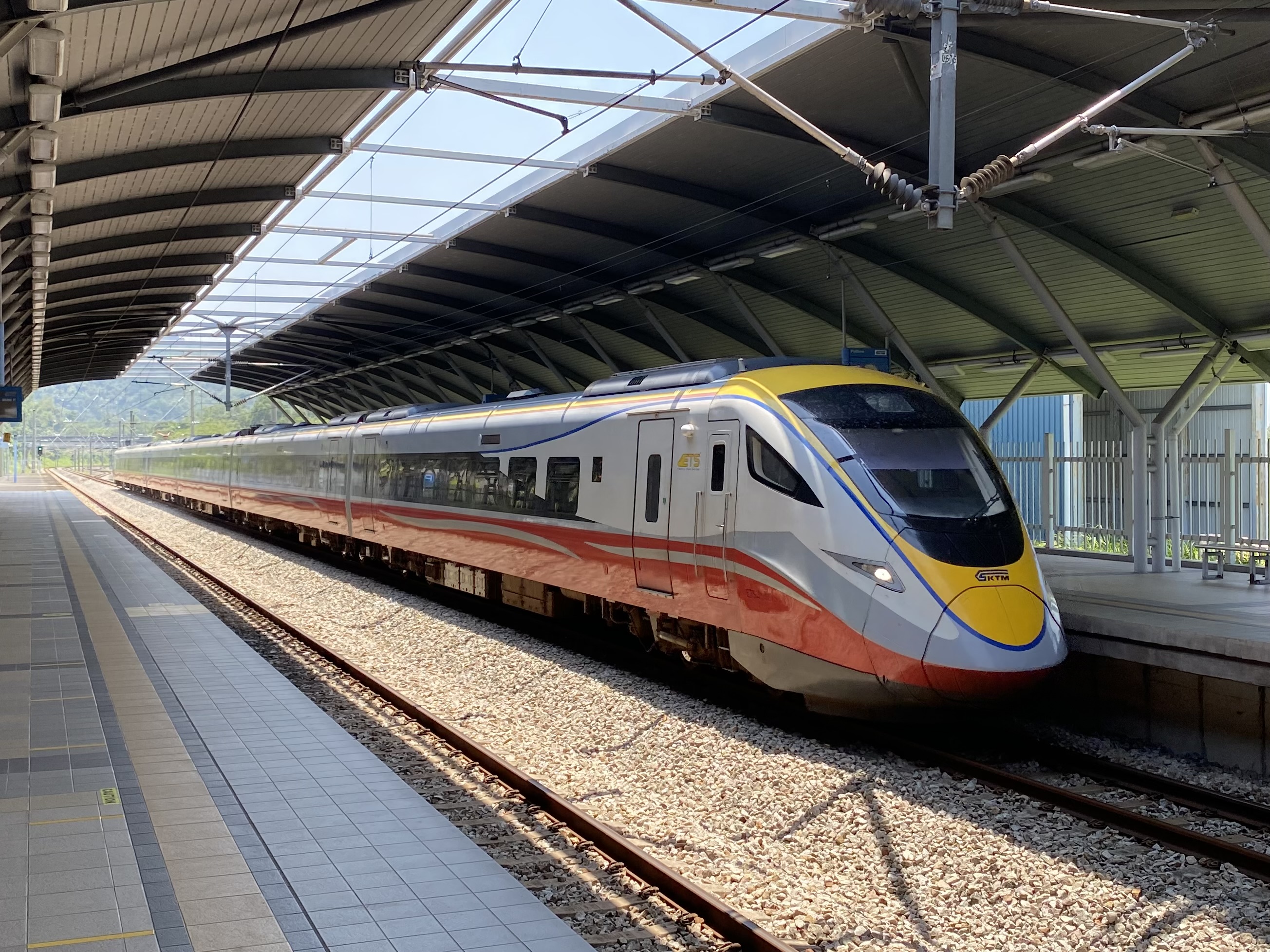
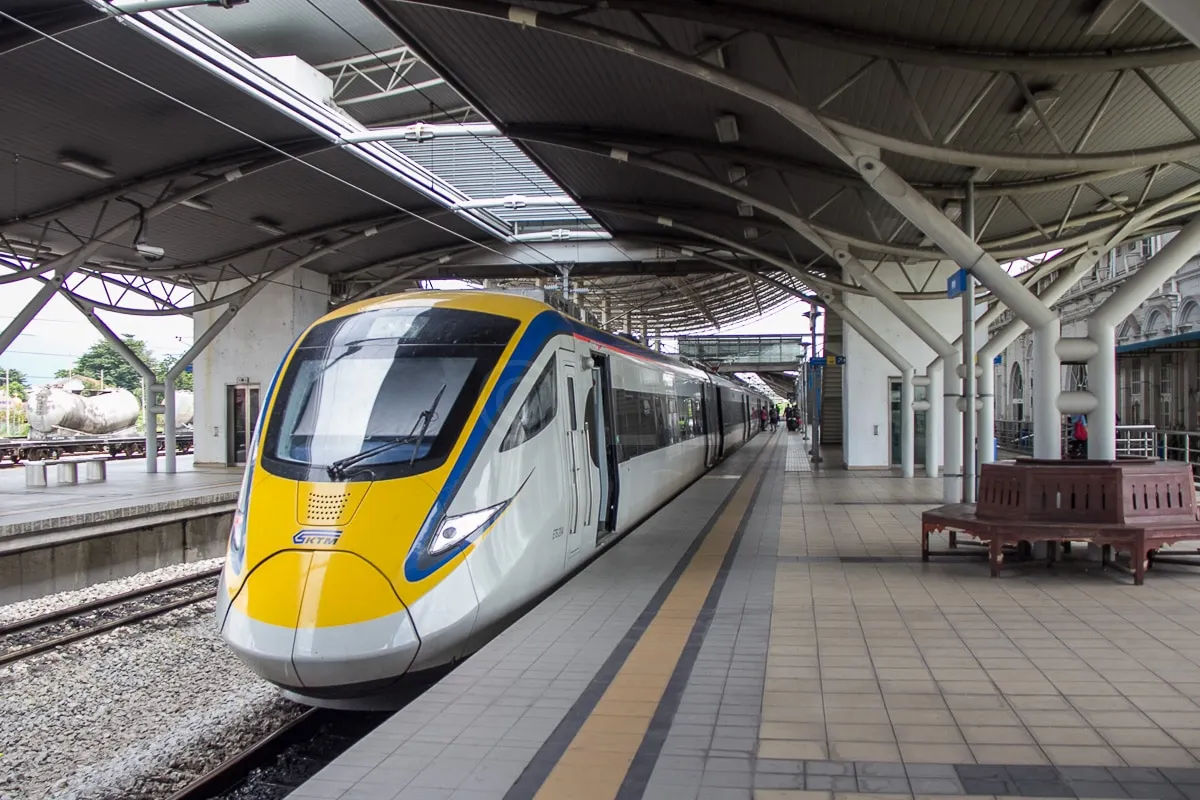
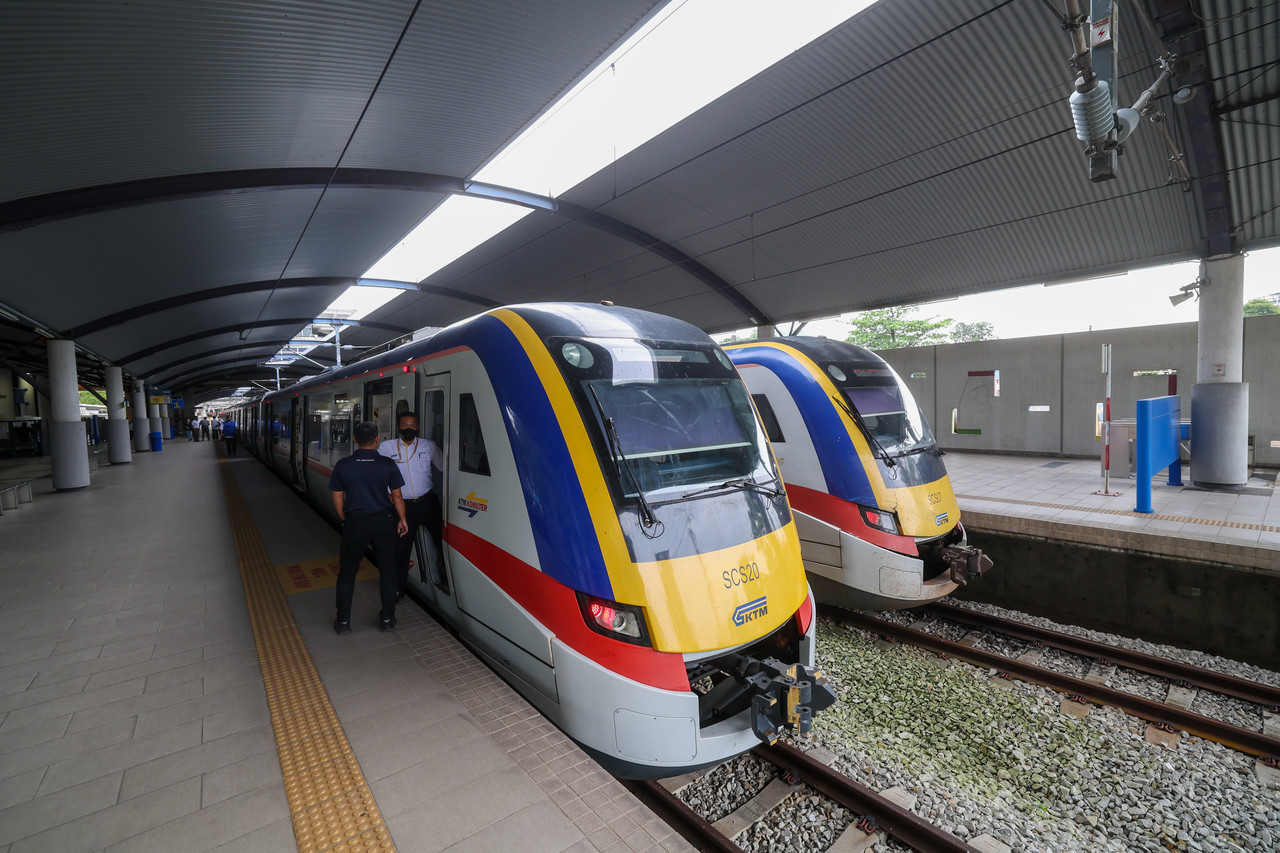
The growth was driven primarily by the excellent performance of the Electric Train Service (ETS), which recorded a 55 per cent increase in passenger numbers, from 2 million to 3.1 million, and by the Intercity service, with 2.1 million passengers.
"This performance reflects the strong recovery of passenger services and KTMB's commitment to continuously improve reliability and the customer travel experience.
"Although KTMB is moving in the right direction, the fact is that we have not yet reached the targeted level," he said during a 'Meet the Editor' session, which was also attended by Malaysian National News Agency editor-in-chief Arul Rajoo Durar Raj today.
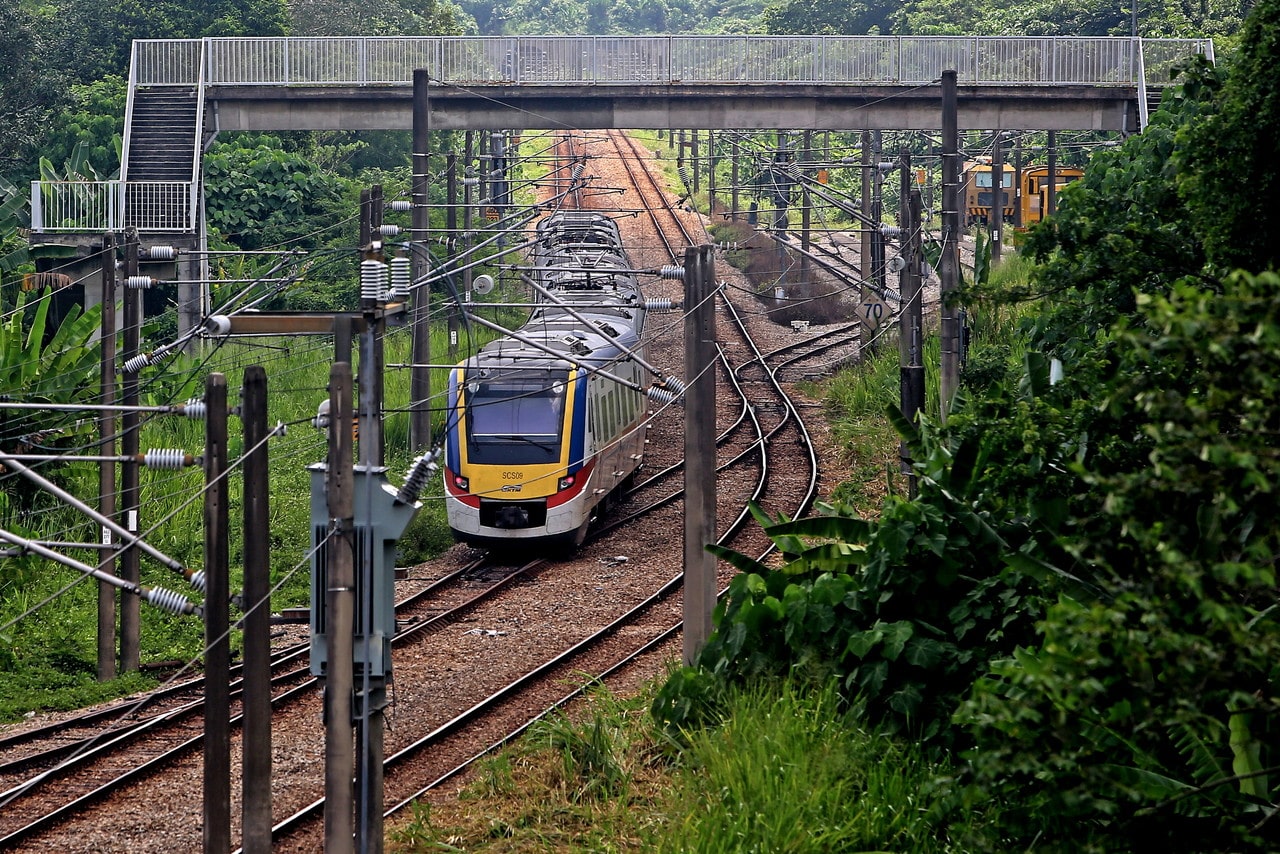
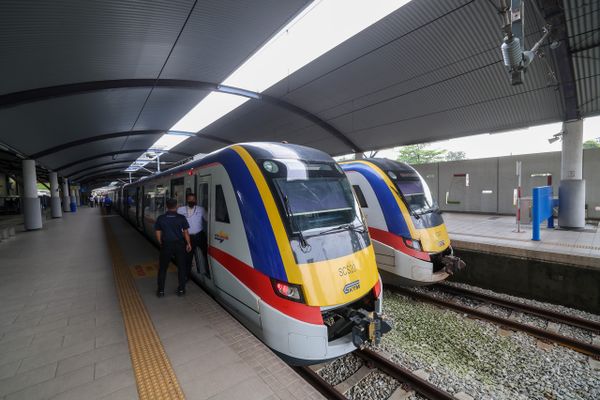
Azlan added that the KTM Komuter service is still facing challenges, as passenger numbers decreased by four per cent in the first six months of this year compared with the same period last year.
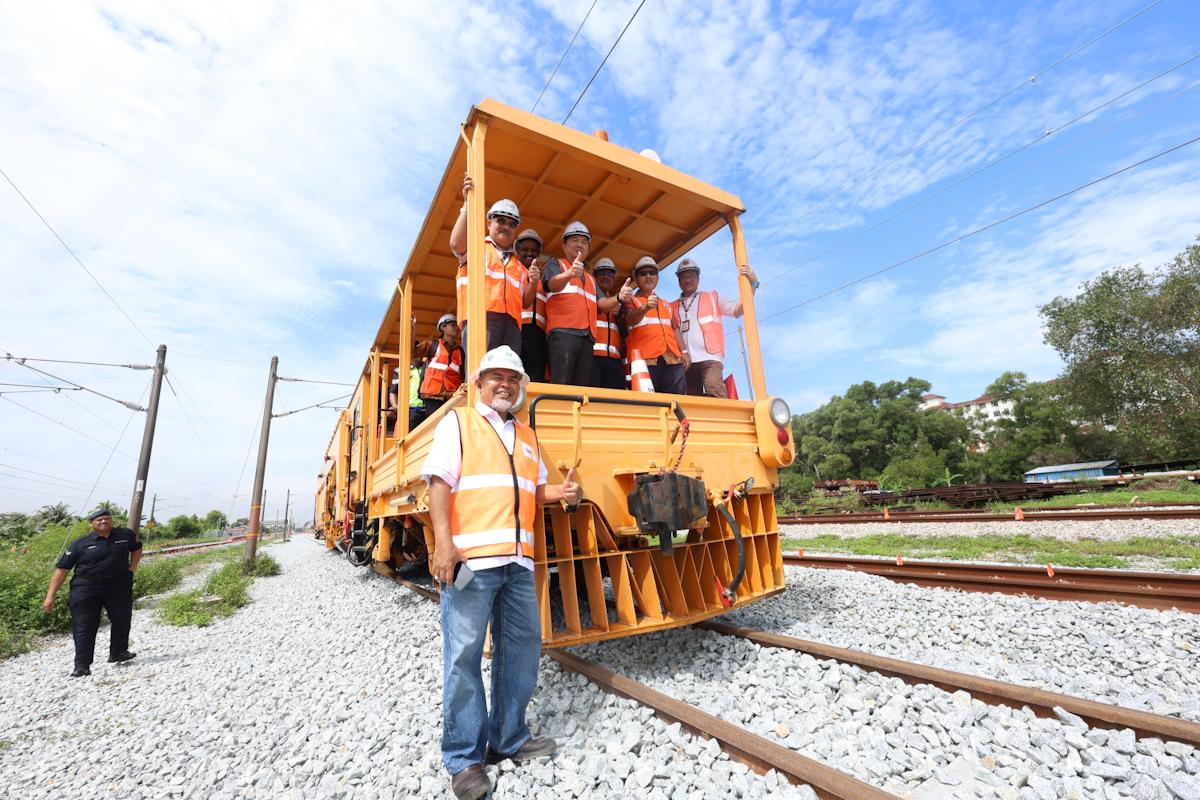
The decline was due to operational disruptions following the closure of one track in the Salak Selatan-Seremban and Port Klang-KL Sentral sectors for the implementation of the Klang Valley Double Track Phase 2 (KVDT2) project, which in turn affected user confidence and fare revenue.
Meanwhile, the cargo segment also recorded positive performance, with cargo volume increasing to 887,000 tonnes from 724,000 tonnes in the same period last year, while container handling increased to 120,000 twenty-foot equivalent units (TEU) from 108,000 TEU.
He said the growth in operations contributed to a 12 per cent increase in revenue to RM61.2 million, up from RM54.7 million previously, and cargo movement through the Road-to-Rail initiative increased by 16 per cent to 85,000 from 73,000.
"This achievement proves that the rail logistics sector has great potential to continue growing, while the Road-to-Rail Agenda not only enhances logistics efficiency but also reduces road congestion, accident risks, and carbon emissions," Azlan said.
Regarding the growth of passenger services, he said it is driven by a strategy to strengthen the north-south network and increase service capacity.
Since its introduction in December 2025, the direct ETS KL Sentral-JB Sentral service has recorded more than 638,445 passengers as of June 30, in addition to the receipt of 10 new ETS sets, which has increased the service frequency from 22 to 44 trips per day.
Meanwhile, the Southern Shuttle, which offers 14 daily trips connecting Kulai, Kempas Baru, JB Sentral, and Pasir Gudang, recorded more than 2,712 passengers as of June 26, while the EMU Plus service for the Klang-KL Sentral-Ipoh route carried 42,801 passengers until last June.
Commenting on operational aspects, he said KTMB successfully reduced the number of operational disruptions by 27 per cent, from 1,494 cases in the same period last year to 1,085 cases for the period from January to June.
The total minutes of disruption also decreased by 40 per cent, from 188,525 to 113,431 minutes, reflecting the effectiveness of the company's ongoing efforts to improve network reliability and operational performance.
However, the main challenges affecting service punctuality now mostly stem from cable theft, third-party disruptions, and external factors such as floods, fallen trees, and utility work near the tracks.
"KTMB will continue to strengthen asset monitoring, enhance cooperation with authorities, expedite the upgrading of the signalling system through KVDT, and reinforce operational readiness to ensure safer, more reliable, and punctual services," Azlan said.
To strengthen the capacity of KTM Komuter services, they will receive 12 new train sets, with the first set in Completely Knocked Down form to be received in August.
The new commuter sets to be deployed for the KTM Komuter Utara service need to undergo technical testing, authorisation, safety certification, and trial runs to meet all operational and safety standards before being allowed to operate.
"This process usually takes quite a long time, in line with KTMB's commitment to ensure that every train it operates is safe, reliable, and provides the best travel experience for passengers," he said, noting that the train is expected to be put into service in February 2027.