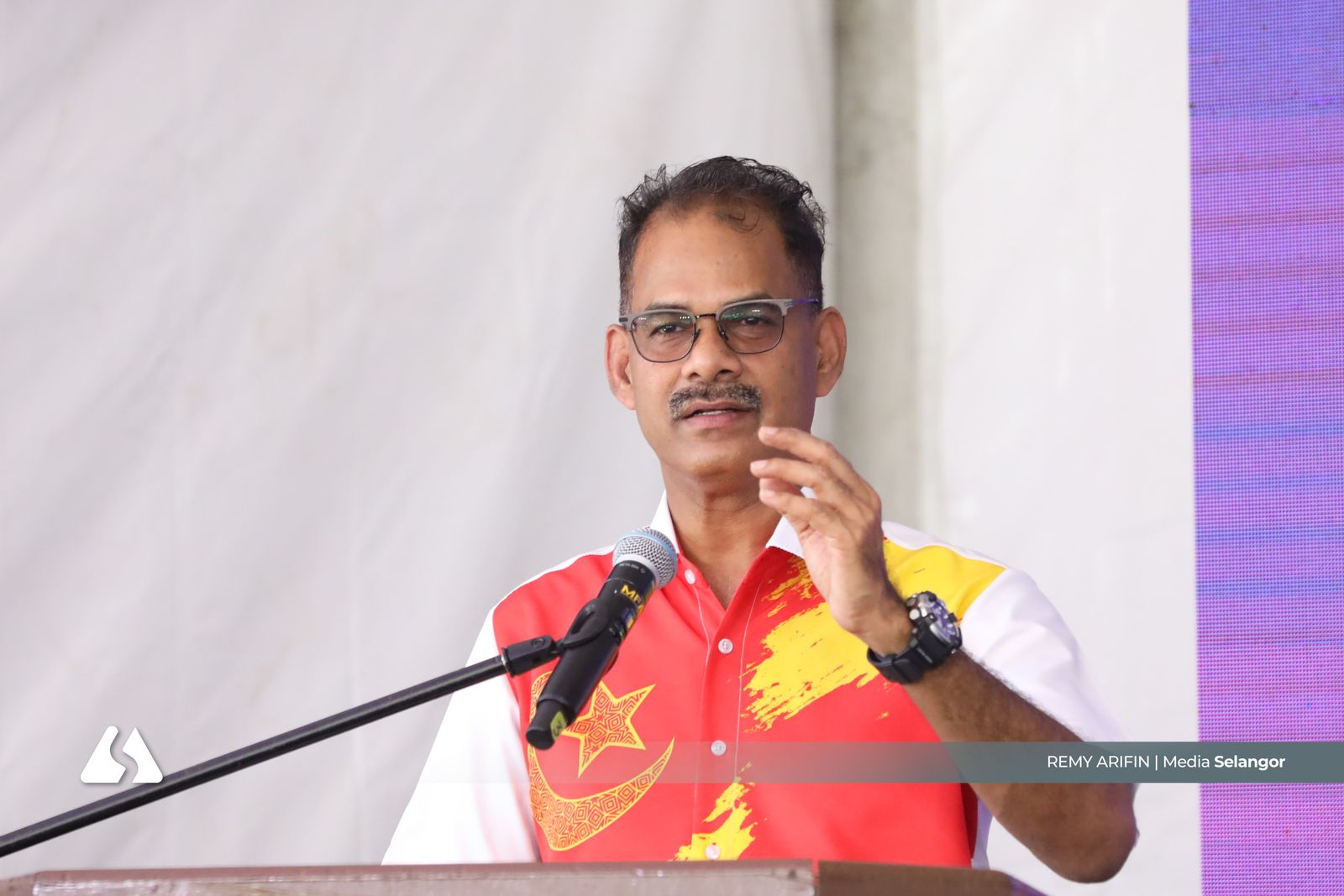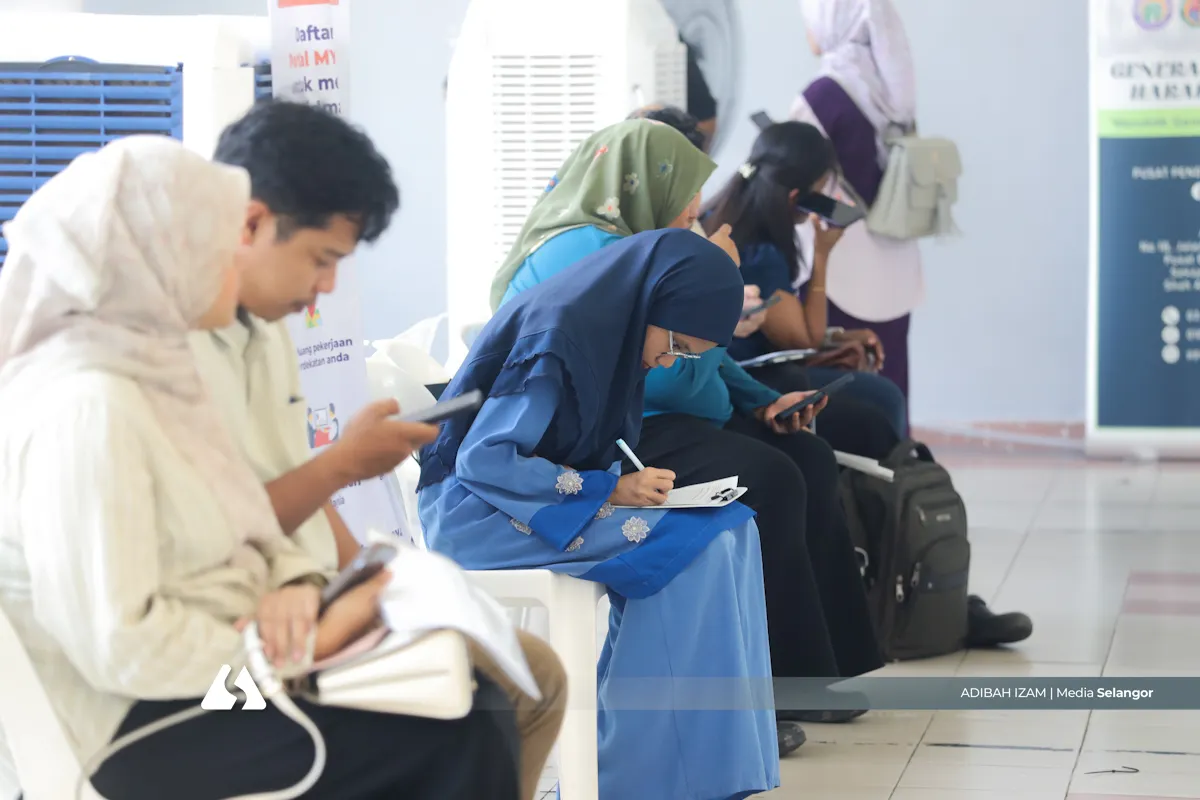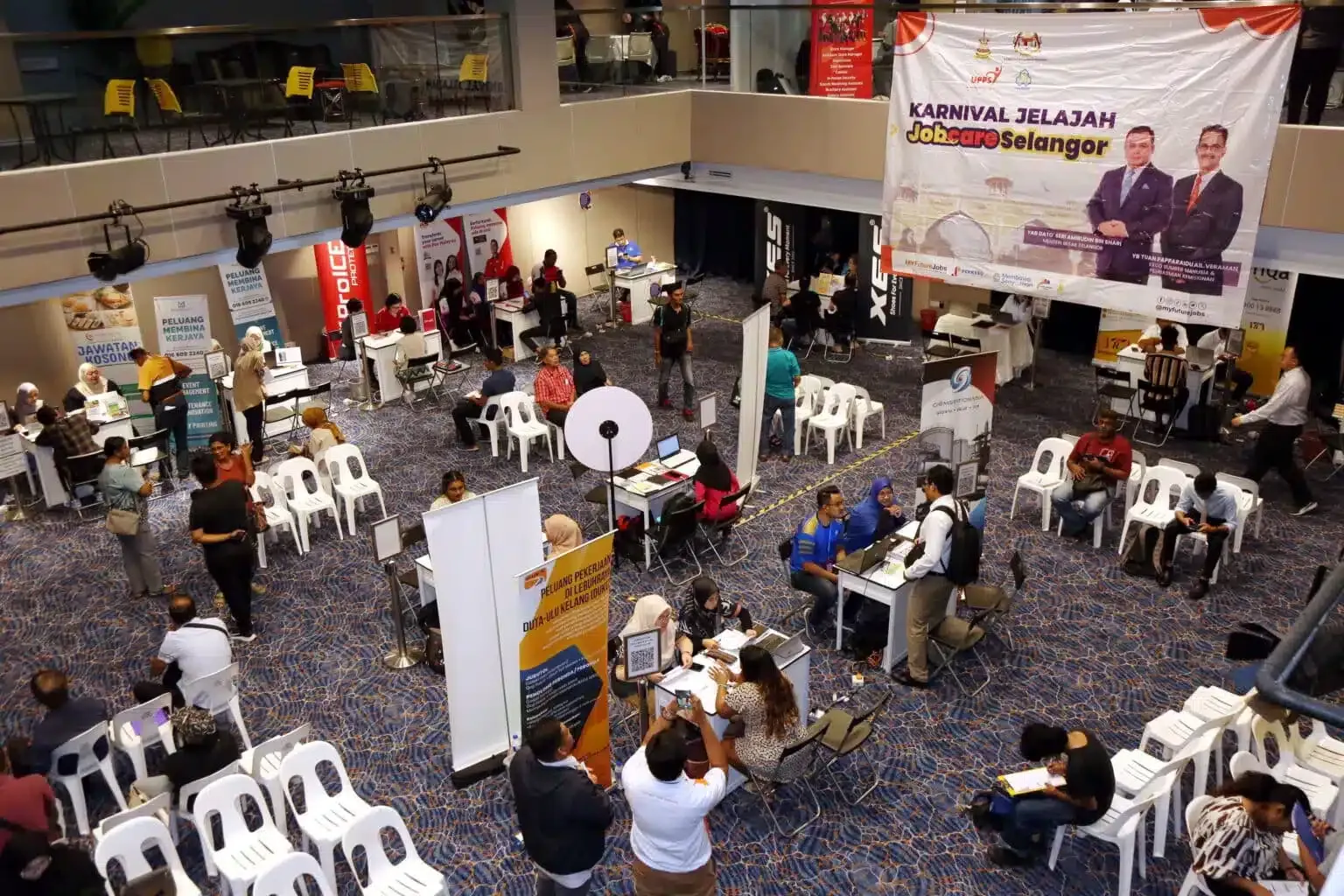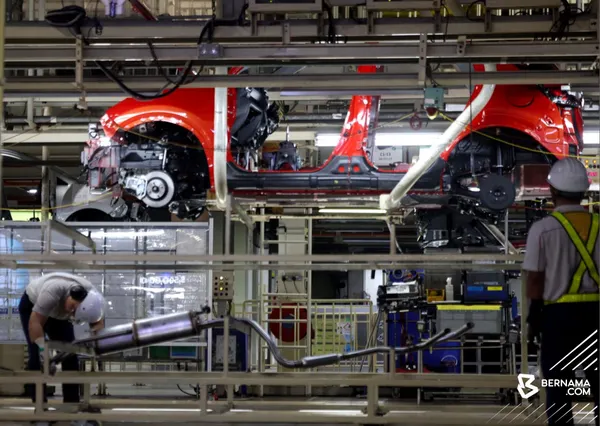
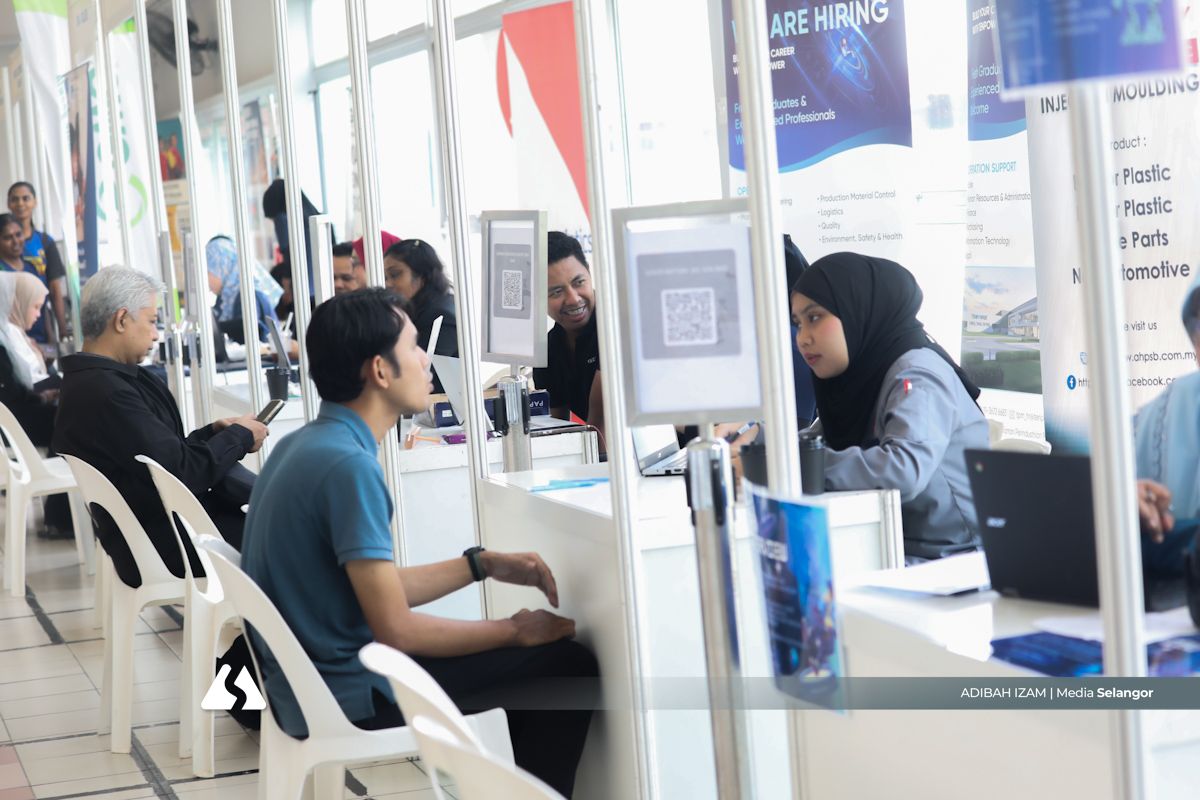
SHAH ALAM, Aug 3 — Selangor’s unemployment rate is at 1.8 per cent after a continuous decline, while 50,226 jobs have been created since July last year, said state executive councillor for human resources and poverty eradication Papparaidu Veraman.
He said the state’s labour participation rate remains high at around 78.5 per cent, reflecting Selangor’s stable, active jobs market.
He added that the achievement was driven by the state’s improving economic performance and its success in drawing quality investments.
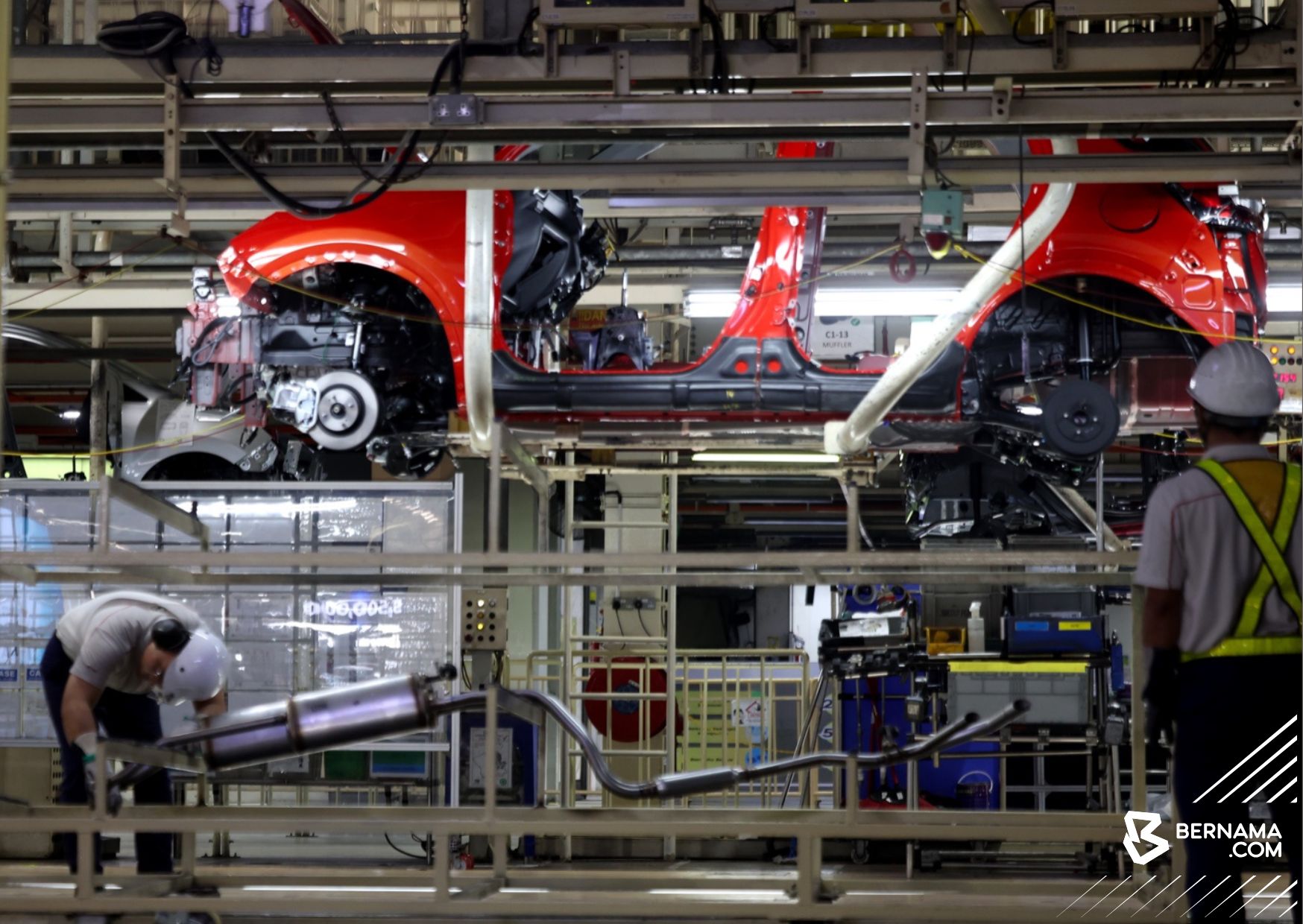
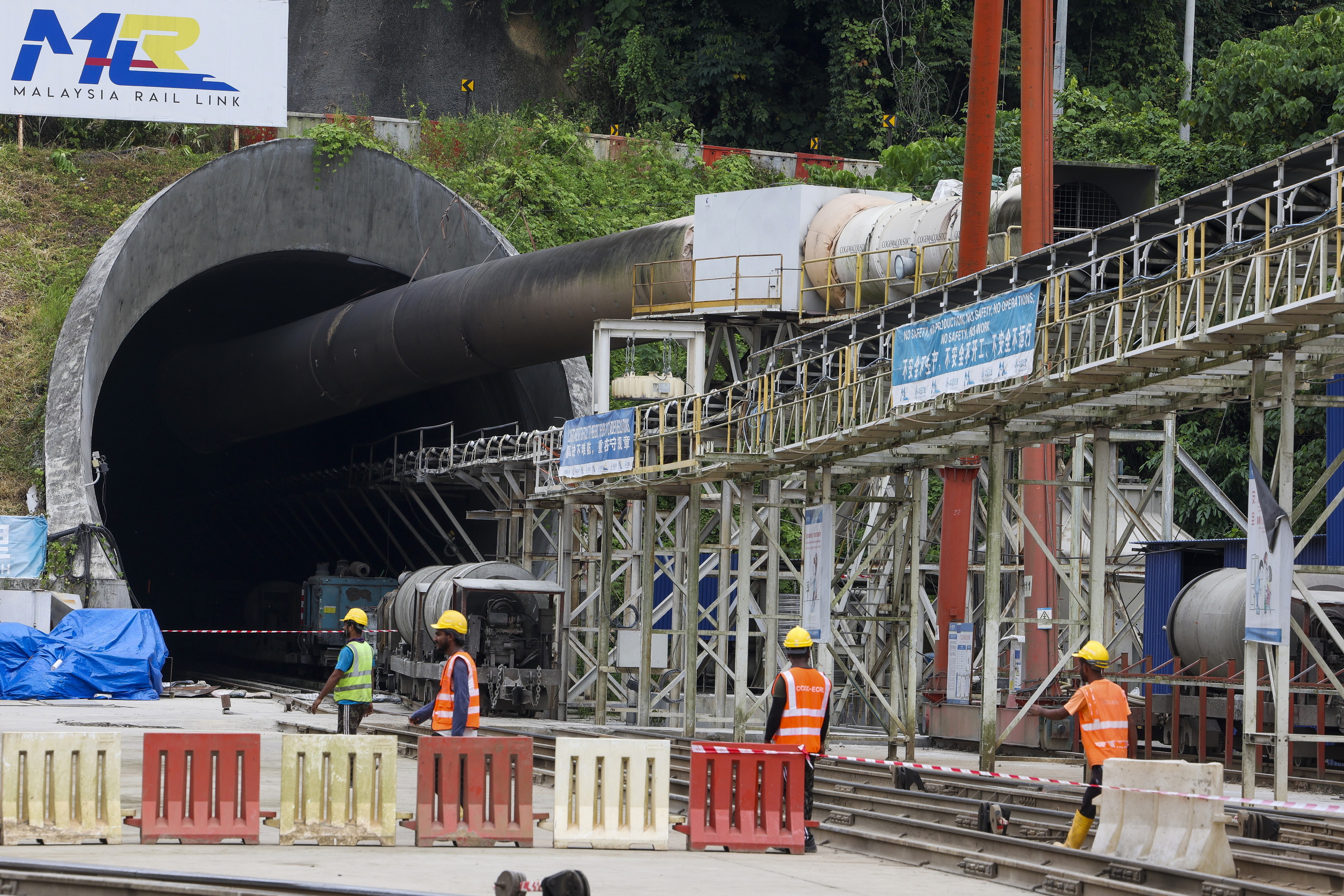
“Selangor recorded approved investments of RM33.5 billion in the first quarter of the year, once again becoming the state receiving the highest investments. This encompasses the sectors of services, manufacturing and digital economy, including data centres, hi-tech (industries) and global services.
“Focus on the hi-tech, digital economy, technical and vocational education and training (TVET), and local talent development sectors are expected to continue driving economic growth and increasing jobs in the coming years,” he told the Selangor State Legislative Assembly here today.
Responding to Meru assemblyman Mariam Abdul Rashid, Papparaidu said the state’s commitment and efforts to attract quality investments and empower local talent development allows Selangor to remain Malaysia’s economic growth engine.
“This success is the result of the visionary leadership and state policies, as well as efforts to strengthen the state’s investment, trade and industrial sectors,” he added.
According to Malaysian Investment Development Authority (MIDA) data, as of June 8, Selangor logged the highest approved investment value of RM33.5 billion, followed by Johor and Kuala Lumpur with RM16.9 billion each, Penang with RM6.2 billion, and Sarawak with RM4 billion.
The achievement was driven by the integration of mature infrastructure in Cyberjaya.
Menteri Besar Dato’ Seri Amirudin Shari had said Selangor could reach its target of attracting RM60 billion in investment value based on its current economic performance, even despite the global crises in the first half of the year.