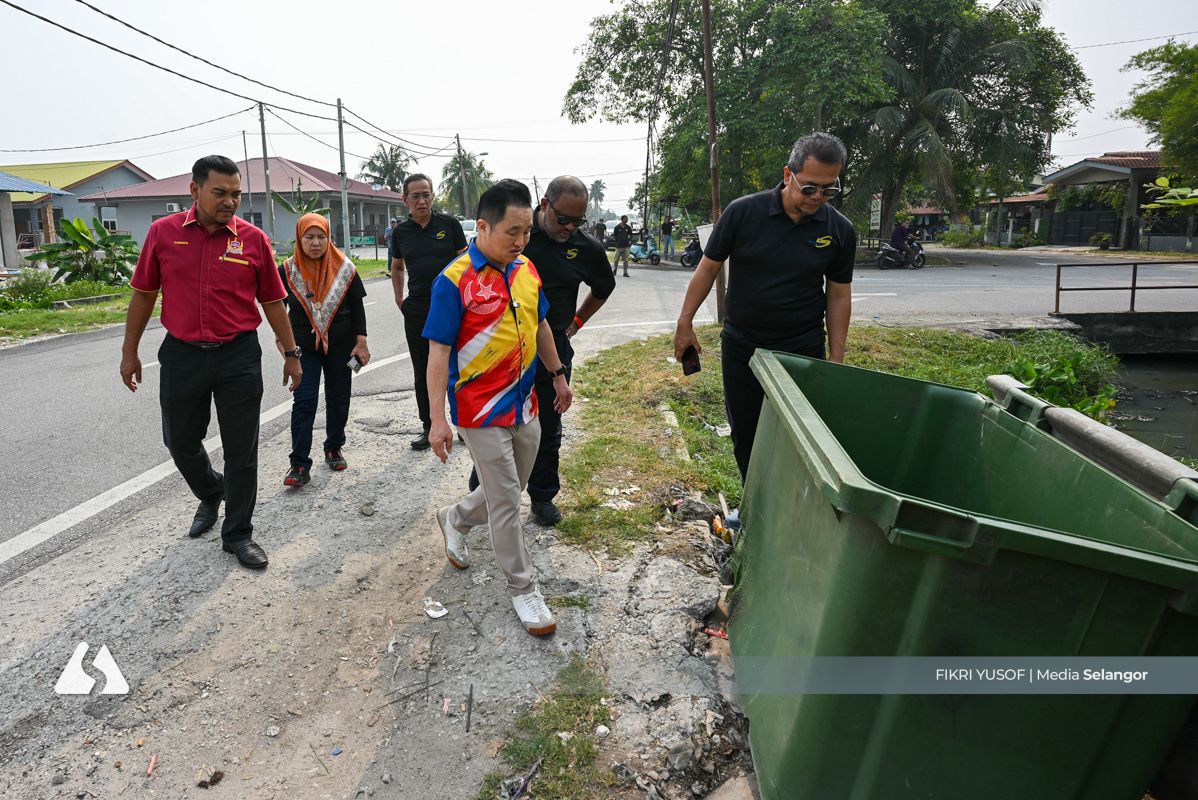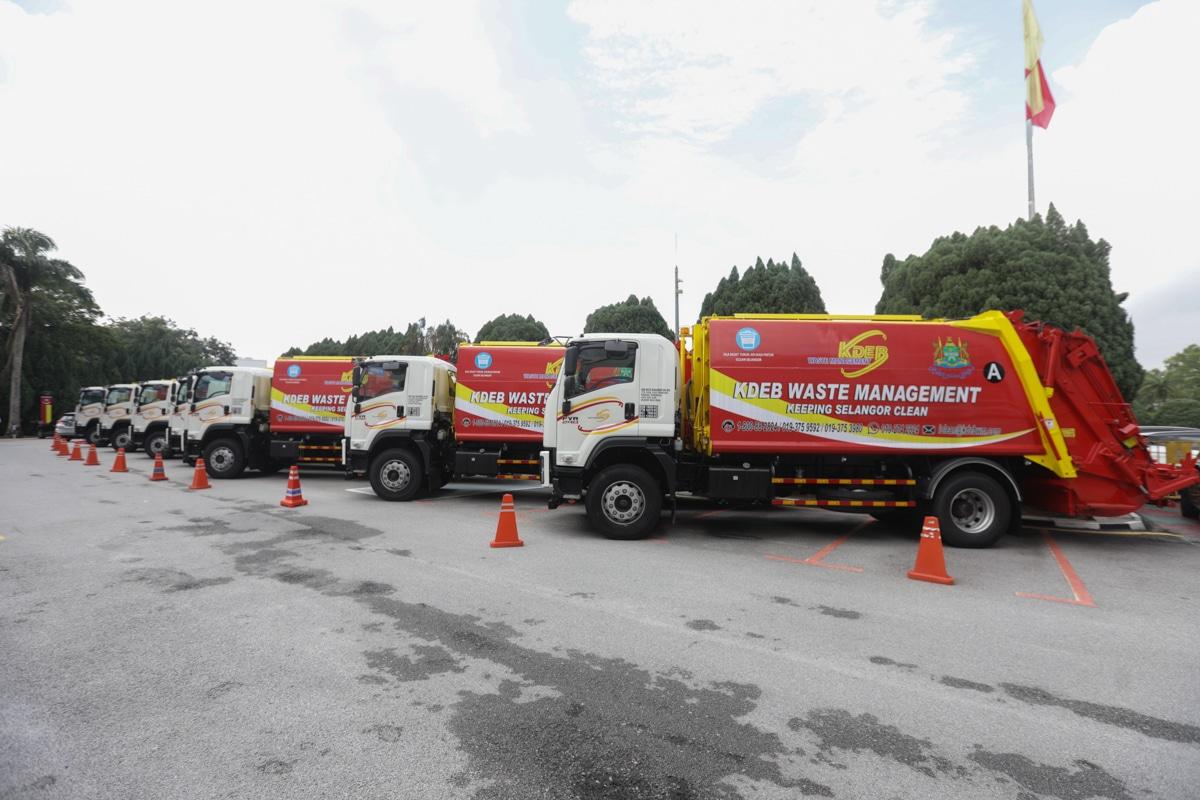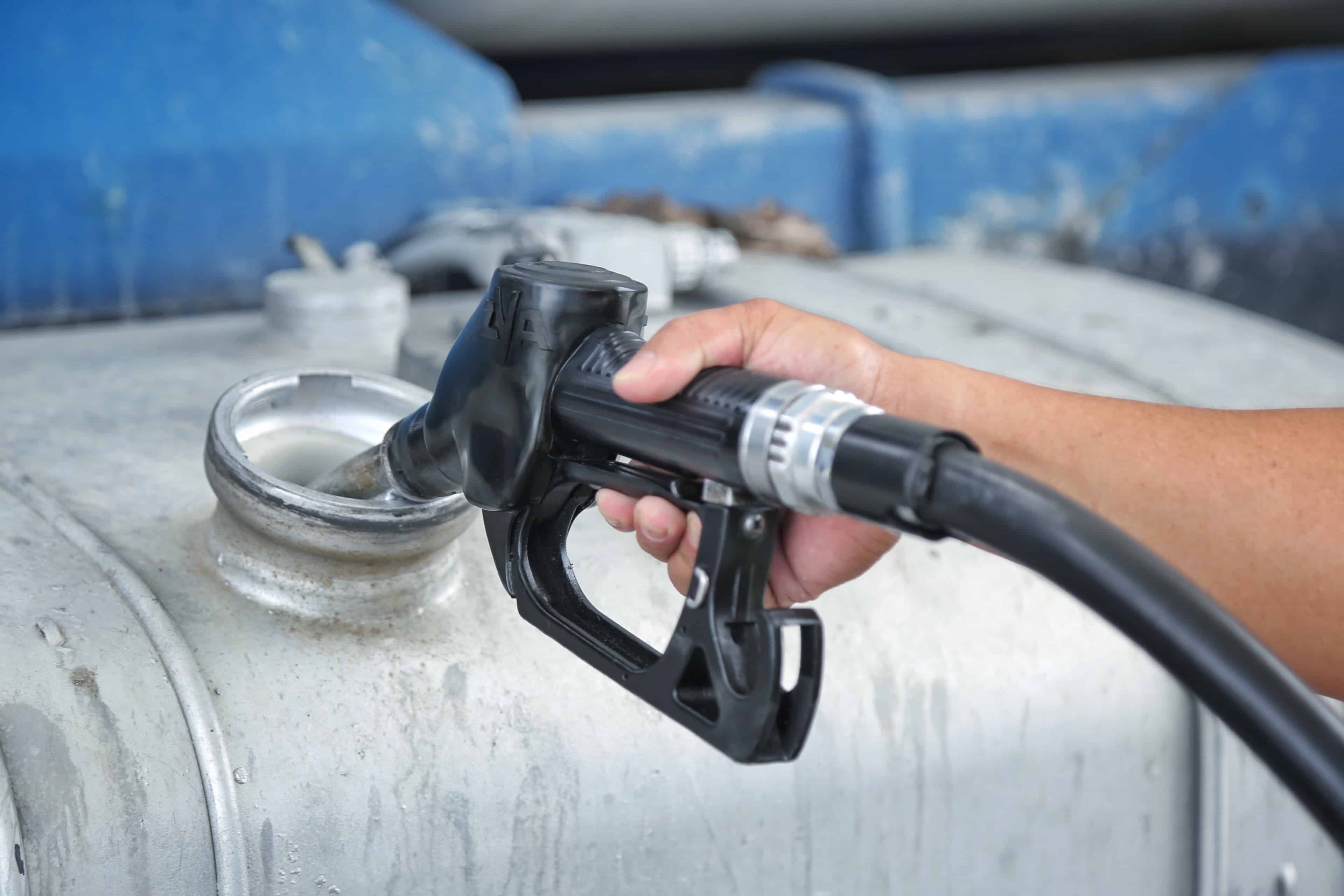
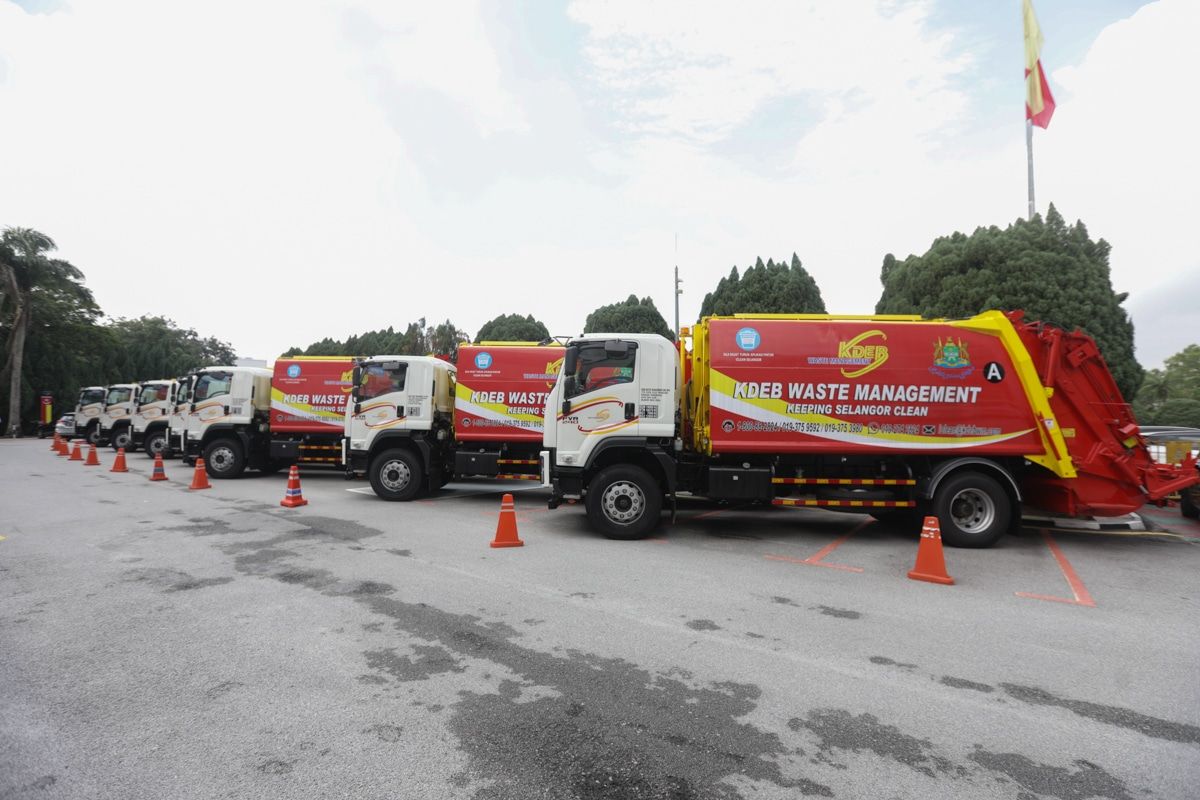
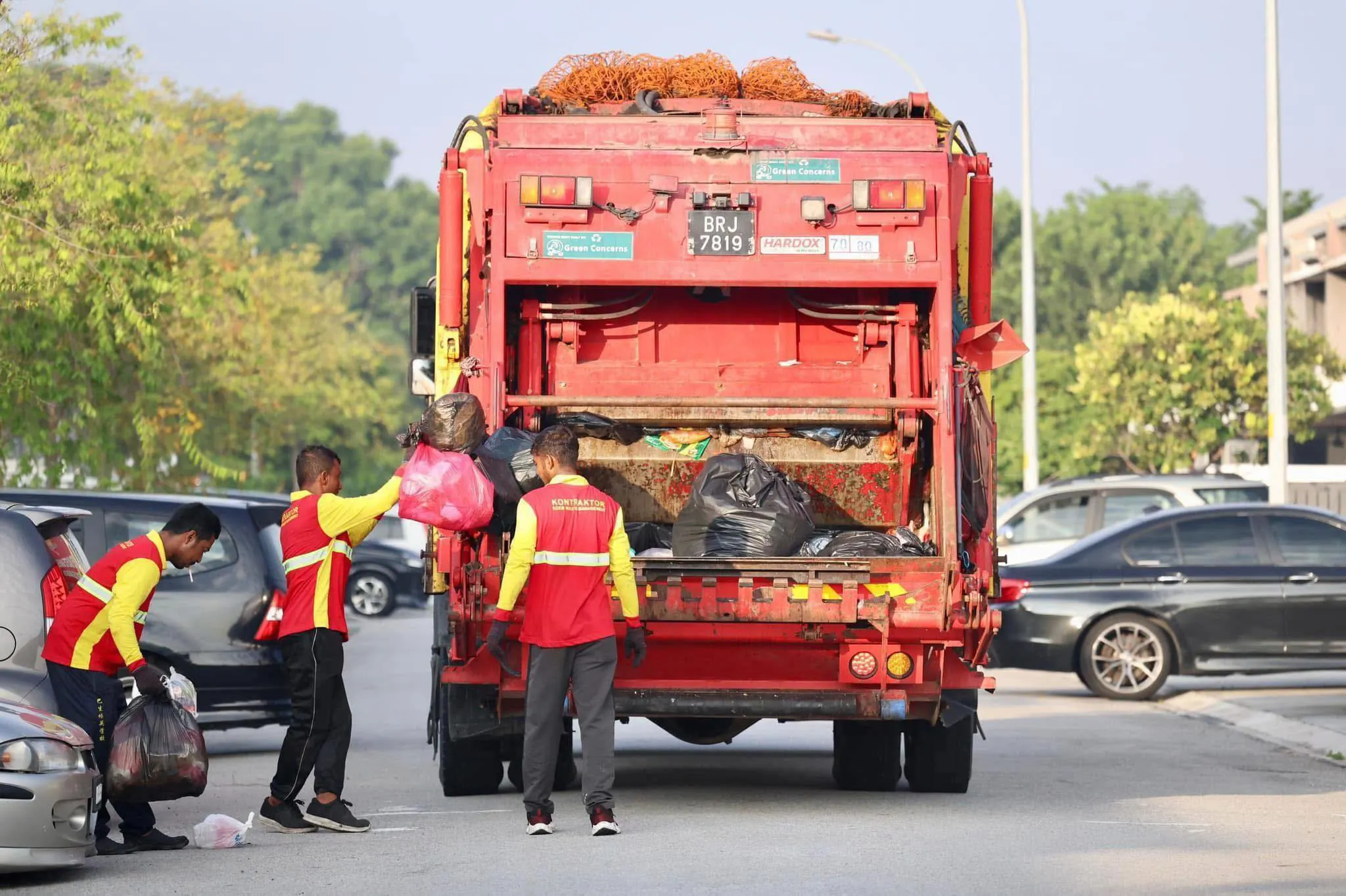
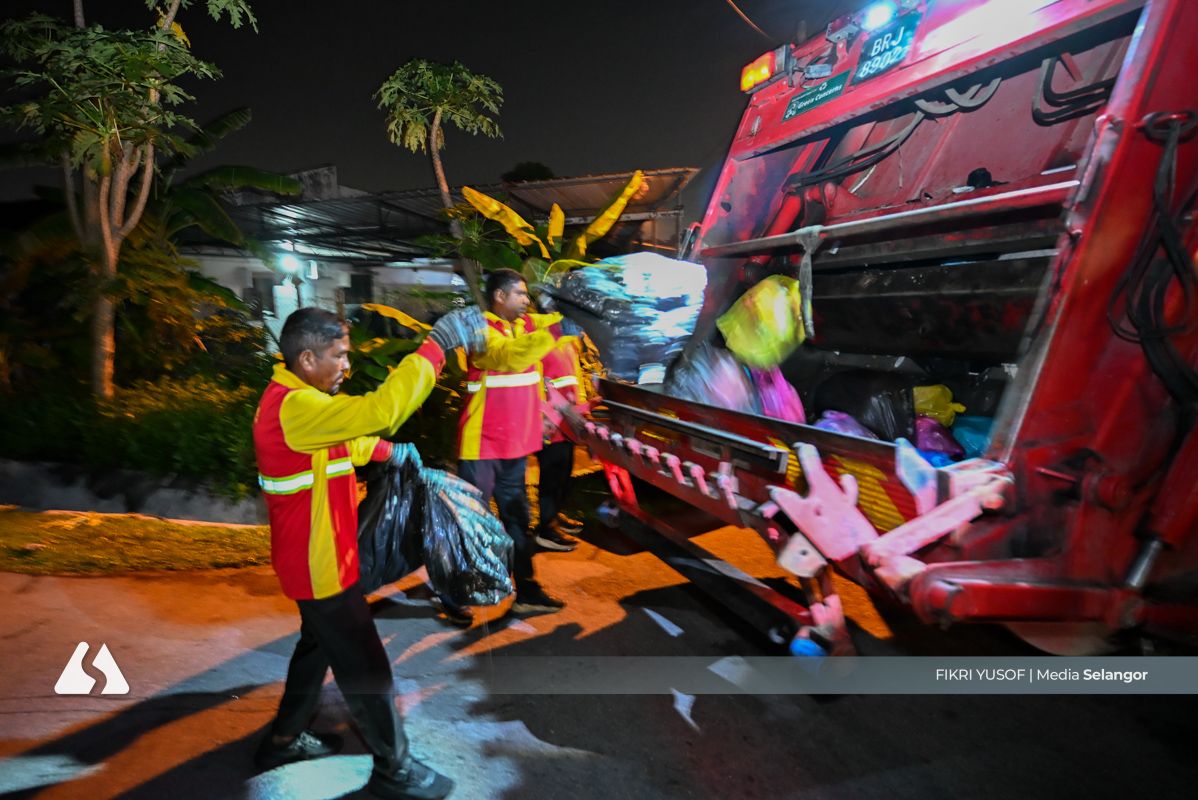
SHAH ALAM, July 28 — KDEB Waste Management (KDEBWM) has reorganised its solid waste collection operations to address rising diesel costs without reducing the frequency of rubbish collection.
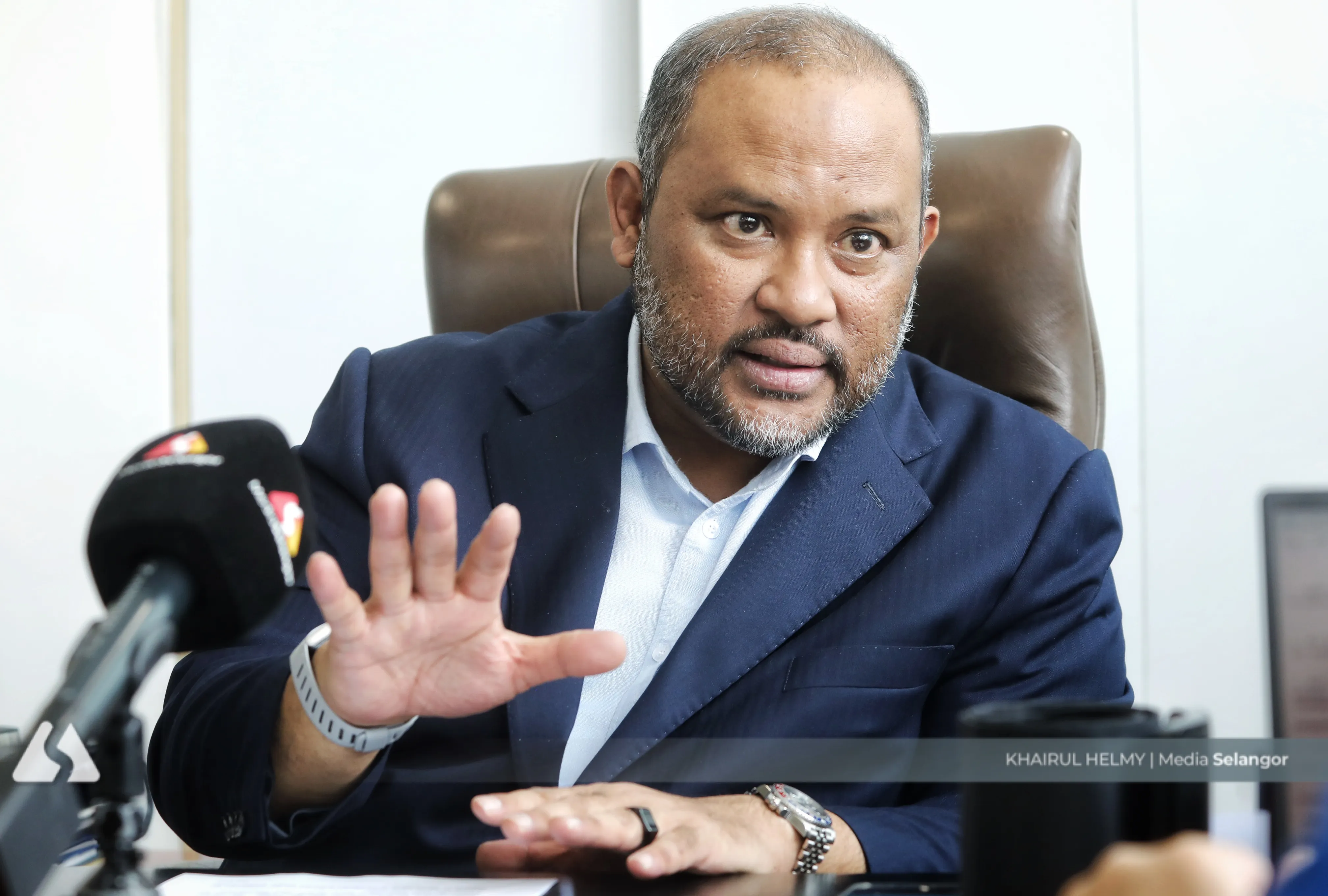
Its managing director Dato' Ramli Mohd Tahir said it involves restructuring lorry routes, adjusting collection schedules, and making more efficient use of existing assets to keep operating costs under control as expenses continue to rise.
He said that the company must transform its operations to ensure waste collection services across the state continue to run smoothly despite increasing cost pressures.
"We are optimising all available resources and assets. Collection routes have been reorganised to improve efficiency while ensuring our lorries are utilised to the fullest without compromising service quality.
"As diesel prices increase, operating costs rise directly, particularly with lorries servicing more than 1,300 KDEBWM service areas throughout Selangor," Ramli told Media Selangor.
He added that KDEBWM has also begun entering certain areas earlier to avoid traffic congestion, reducing the time its lorries spend on the road, and lowering fuel consumption.
"However, we must also ensure these schedule changes do not result in residents missing the collection because they have not yet put their rubbish out," Ramli said.
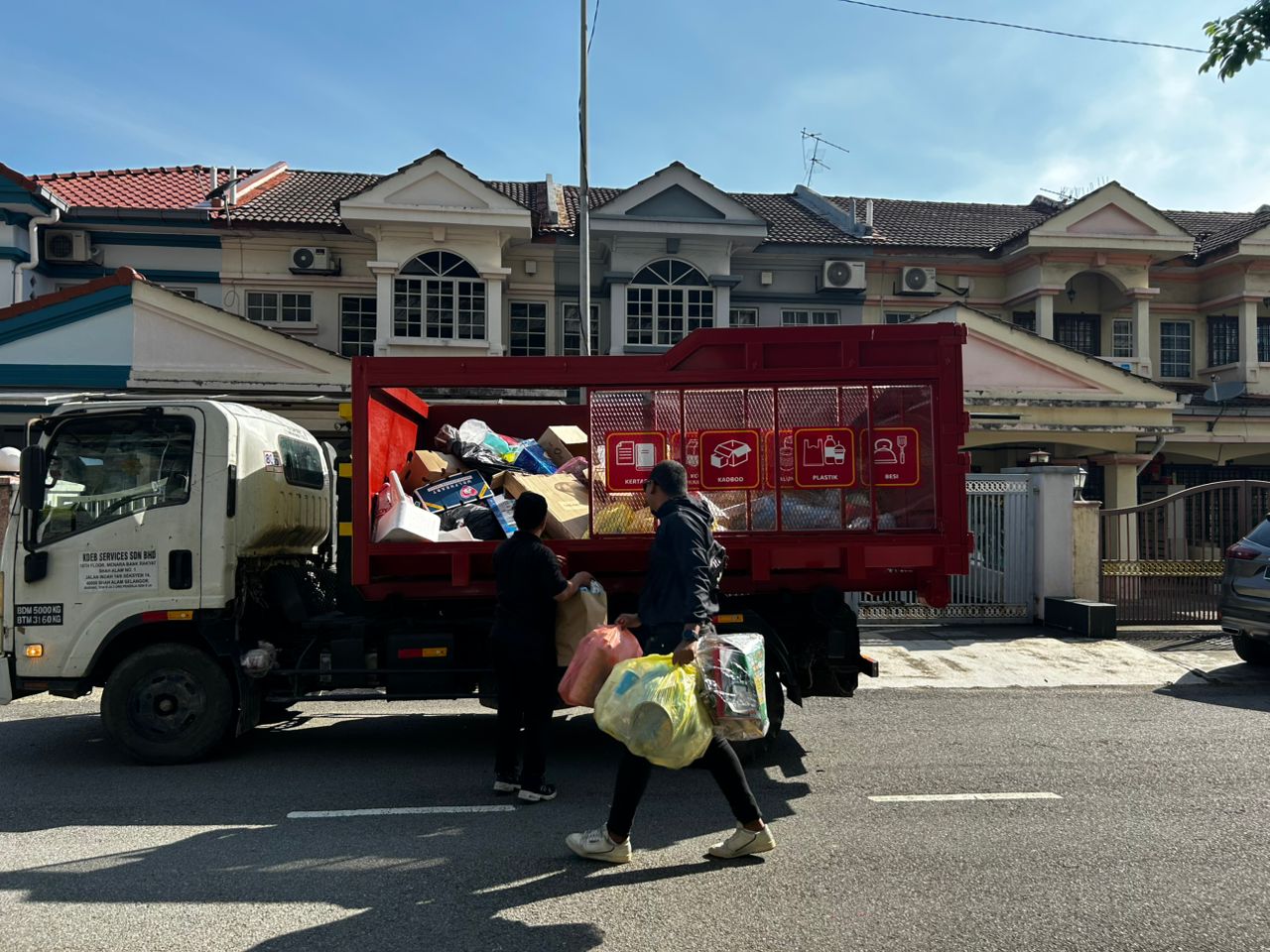
He also noted that higher diesel costs have had a significant impact on the operation of Roll-On Roll-Off (RoRo) lorries used to collect bulky waste and cleaning debris.
Previously, a single RoRo lorry could make up to three trips a day to landfill sites, but higher fuel costs have made those operations considerably more expensive.
"Previously, making three trips a day was still manageable from a cost perspective. Now, every diesel refill has a significant impact on our operating costs.
"We are reassessing which areas are truly critical so that two trips can be optimised, while less urgent areas will be rescheduled for the following day to avoid operational backlogs," Ramli said.
Meanwhile, KDEBWM is also in discussions with the state government to find solutions to ensure rising diesel costs do not affect the smooth delivery of its services.
"We hope a solution can be found to help offset these additional costs so that operations can continue as usual and the public can continue receiving the best possible service," he said.