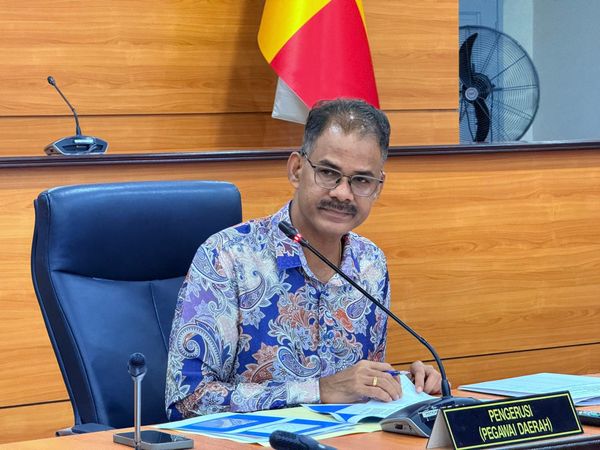
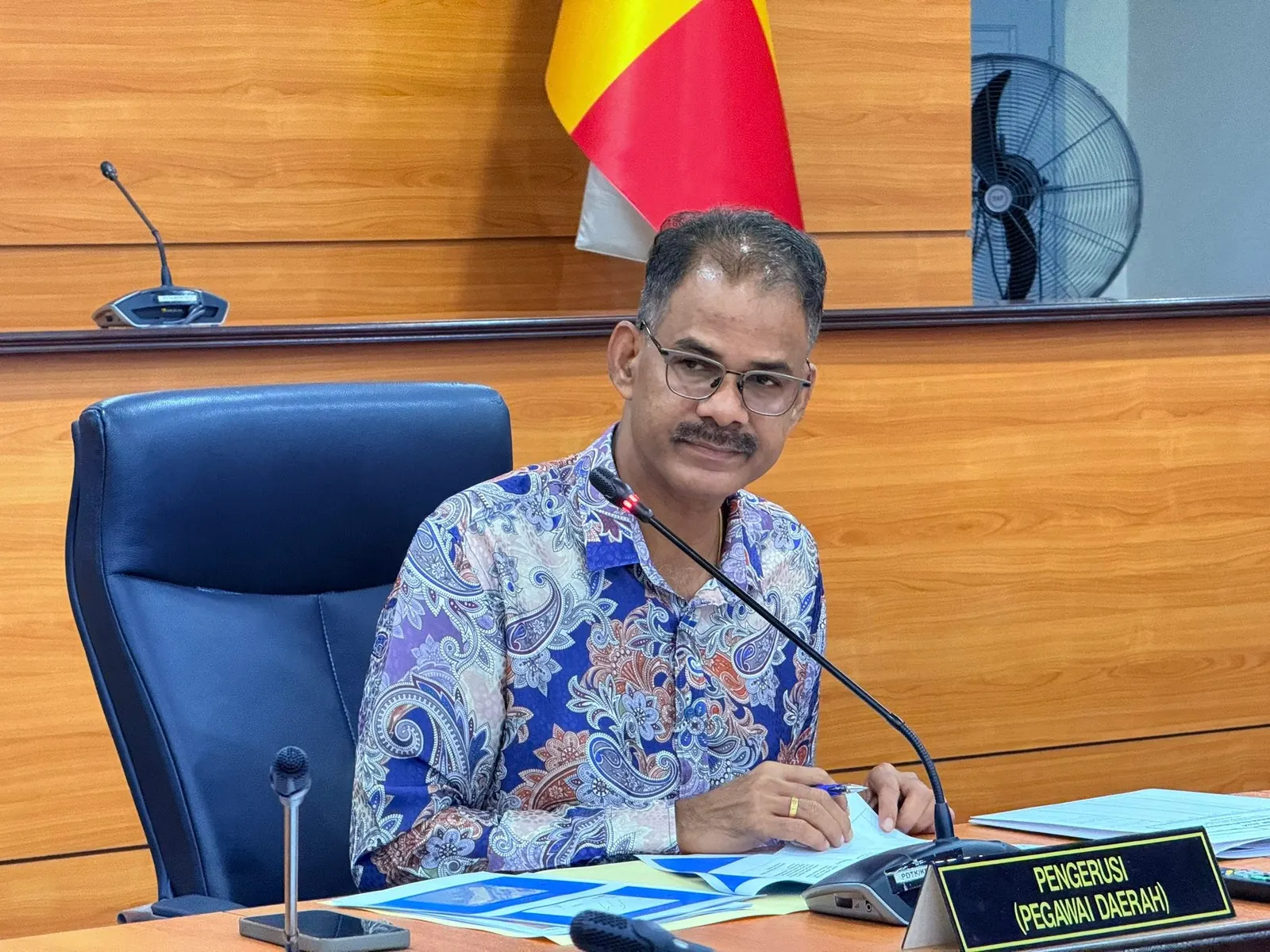
SHAH ALAM, June 6 — Special Committee of Buddhist, Christian, Hindu, Sikh, and Tao Religions in Selangor (LIMAS) co-chairman Papparaidu Veraman has clarified misconceptions on proposed guidelines for non-Muslim houses of worship.
“The decision to review and improve the (Selangor Manual on Guidelines and Standards for Community Facilities Planning) was approved by the state executive council with the objective of ensuring planning regulations remain practical, inclusive, and responsive to the needs of Selangor’s diverse communities.
“Selangor has consistently demonstrated its commitment to supporting non-Islamic religious communities,” he said in a Facebook post today.
According to him, since 2008, the state government has approved and issued 481 plots of land for non-Muslim religious purposes.
He also said 57 plots have been approved under the current administration, while another 40 applications are being processed, with the total expected to exceed 500 approved sites by year end.
When addressing concerns over access to houses of worship from major roads, Papparaidu dismissed claims that such access would no longer be permitted.
“Firstly, there is a claim that non-Islamic places of worship will no longer be allowed direct access from major roads. This is inaccurate.
“The requirement for service roads is based solely on traffic management and public safety considerations. Religious premises located along major roads often attract large crowds during festivals and special occasions, which may result in traffic congestion and safety risks,” he added.

On shrines at construction sites, Papparaidu said claims that such structures would be demolished are also unfounded.
“There are allegations that shrines located at construction sites must be demolished. This is also incorrect.”
“The guideline refers specifically to temporary shrines erected within construction sites for worship purposes during the development period. Once the permanent temple or place of worship is completed, these temporary structures are expected to be relocated accordingly.
“The policy does not involve the arbitrary demolition of religious shrines,” he explained.
Papparaidu also addressed concerns about proposed limitations on building height and land size for non-Muslim houses of worship.
He said the existing guideline recommends land areas of between 0.1ha and 0.2ha, while a building height of up to 22m, or about six storeys, was proposed after considering setbacks and infrastructure requirements.
“The Selangor state government remains committed to upholding freedom of religion, safeguarding the interests of all religious communities, and ensuring that planning policies promote harmony, safety, and sustainable development,” he added.
“We urge the public not to be misled by inaccurate information and to refer only to official statements and verified sources regarding this matter.”
Papparaidu also said engagement sessions and dialogues would continue to guide efforts to refine these guidelines for the benefit of all Selangoreans.