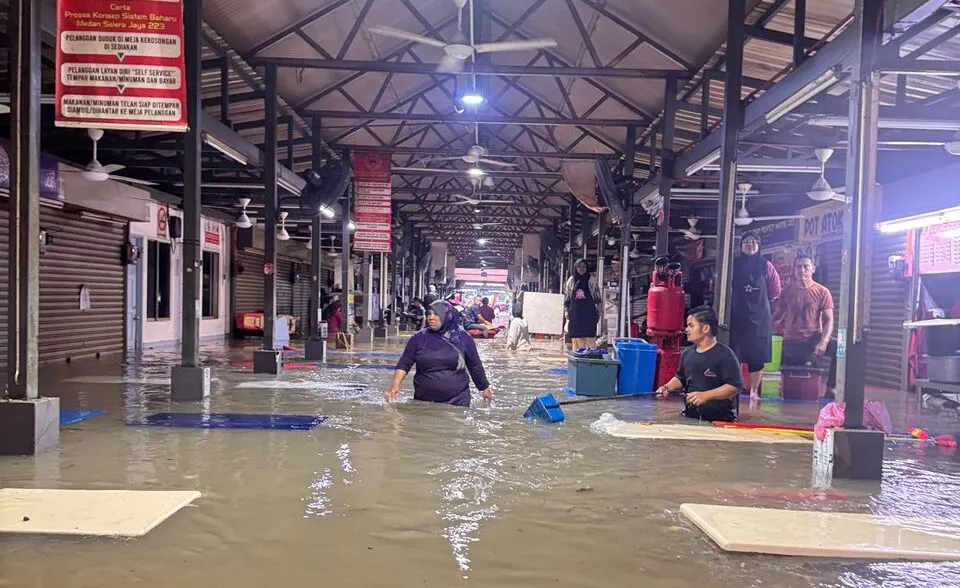

SHAH ALAM, May 31 — Another expert has called for the “sponge city” concept to be introduced in Petaling Jaya to mitigate climate change risks and prevent future disasters.
Universiti Sains Malaysia’s (USM) climatology and flood hazard management expert Chan Ngai Weng said the city can no longer rely on its outdated drainage system, especially with increasing rainfall, rapid growth, and shrinking green areas pressuring existing mitigation infrastructure.
“The drainage in PJ was built back then to accommodate the climate and weather of that time. It is unable to handle today’s storms and extreme rain caused by climate change,” he told FMT.
He stressed that rapid development has replaced natural soil with concrete, causing up to a 190 per cent increase in surface runoff as rainwater can no longer seep into the ground.
“This causes most rainwater and stormwater to become surface runoff, entering drains and rivers within minutes, resulting in frequent flash floods,” he said.
Chan added that the city needs more ‘sponge city’ measures such as parks, rain gardens, ponds, and permeable pavements that allow water to seep into the ground.
“Local development must reduce paved surfaces in PJ and Shah Alam as much as possible, and instead increase green areas and parks, gazette ponds and lakes, restore affected rivers, and replant trees along riverbanks.” he said.
Chan also expressed concern over the SMART Tunnel, noting that while it protects Kuala Lumpur by diverting floodwaters downstream, it could lead to greater pressure on Petaling Jaya and Shah Alam’s drainage systems during thunderstorms if their own systems fail to cope.
He stressed that while short-term flood mitigations help, resolving PJ’s drainage crisis requires long-term structural overhaul.
He said overflowing rivers such as Sungai Penchala and Sungai Klang can cause backflow, where river water flows back into drains and city roads during heavy rain.
Meanwhile, Institution of Engineers Malaysia (IEM) president Yau Chau Fong explained that many older areas in PJ were designed at a time when water flow was slower, greener areas were more plentiful, and peak rainfall was lower.
“This has caused a hydraulic overload, where the drainage system is unable to drain water quickly enough during heavy storms,” he said, as quoted by FMT.
He recommended the Petaling Jaya City Council (MBPJ) hire certified consultants to conduct comprehensive hydrological studies and resize drainage networks.
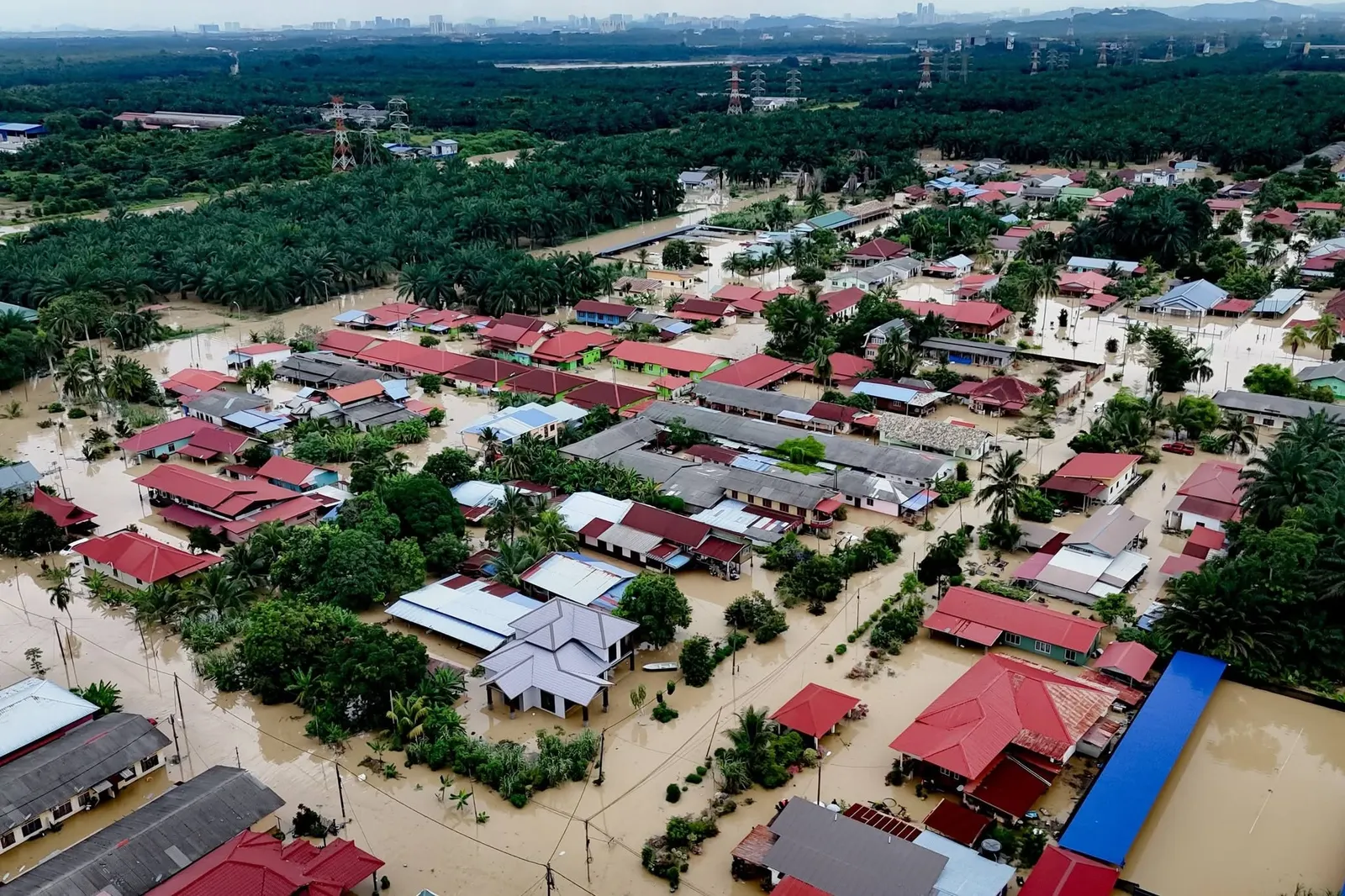
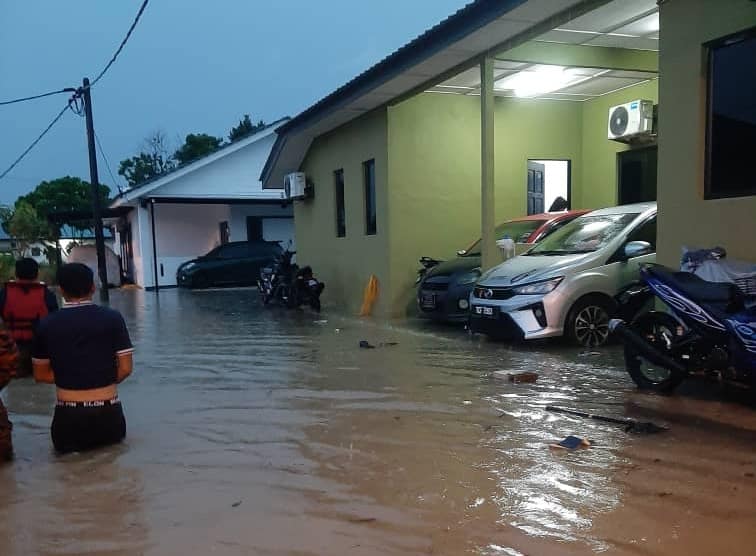
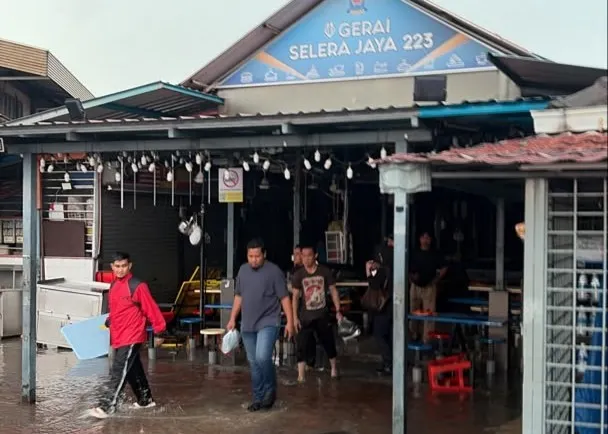
Since April, several areas in PJ have been hit by flash floods, prompting MBPJ to formulate a long-term plan with the Irrigation and Drainage Department (JPS) to lower the risk of recurrent disasters.
Media Selangor previously reported that the Malaysia Urban Design Association (PerekaBandar) president Shuhana Shamsuddin said the “sponge city” concept could be a long-term solution to worsening flash floods in dense urban areas like Petaling Jaya.
She said conventional flood mitigation strategies are no longer suitable for urban, rapidly developed areas with impermeable concrete surfaces.
“The issue today is not only climate change, but the way we build cities. Urban planning cannot continue focusing only on economic growth and land development without considering environmental impacts.
“There is really no other option for dense cities like Petaling Jaya. If development continues as usual without integrating environmental planning, flash floods will only become more frequent and severe,” Shuhana added.