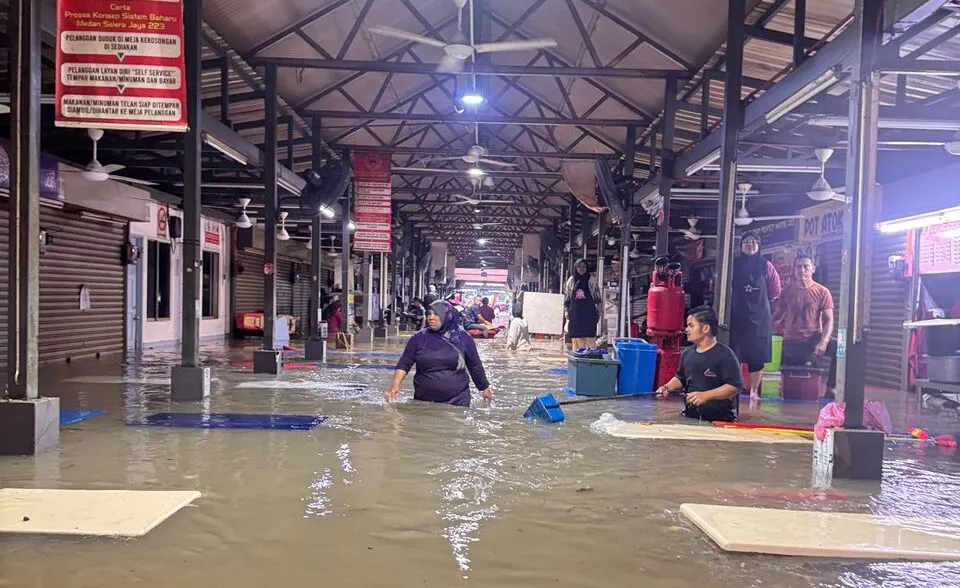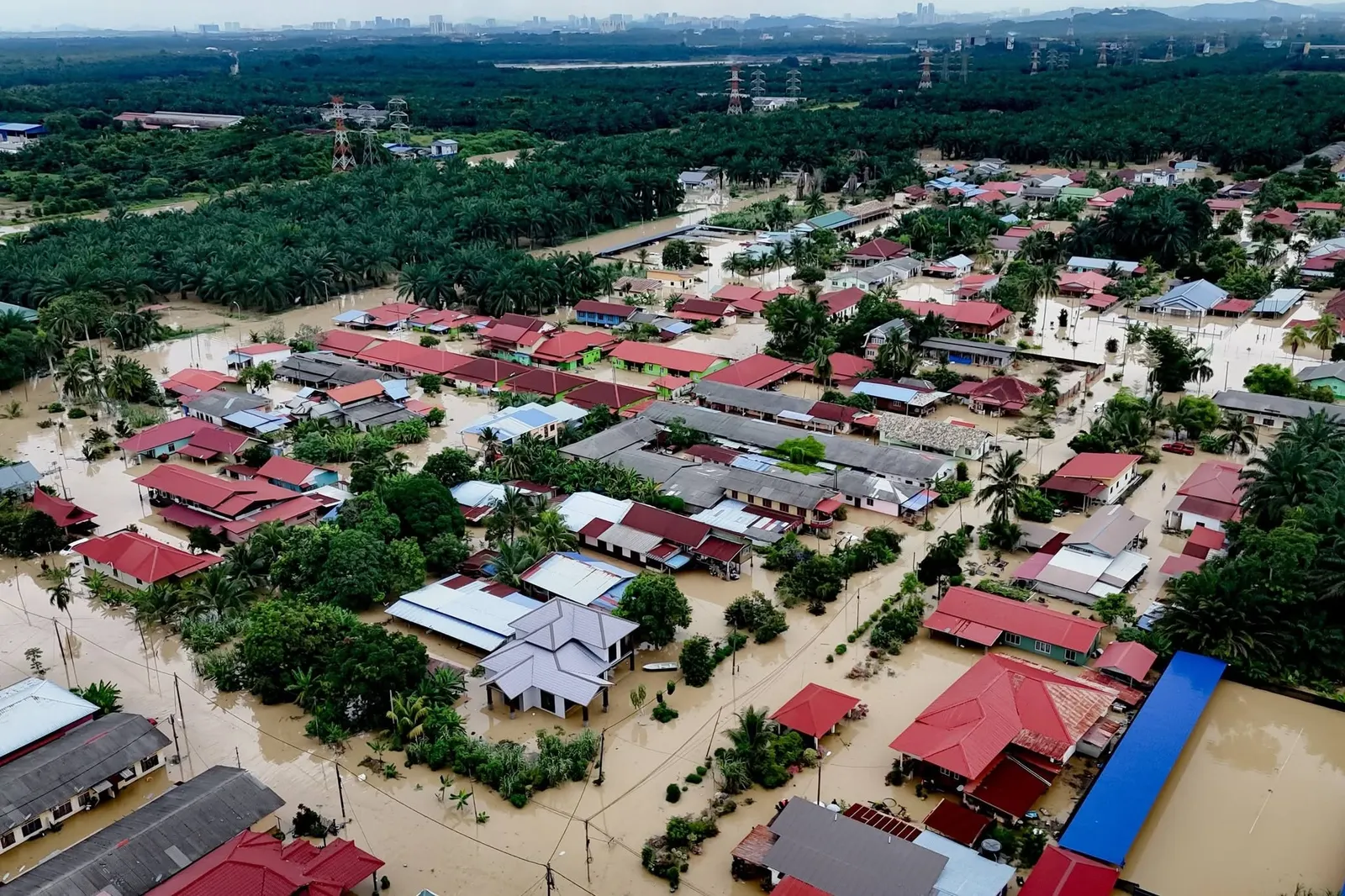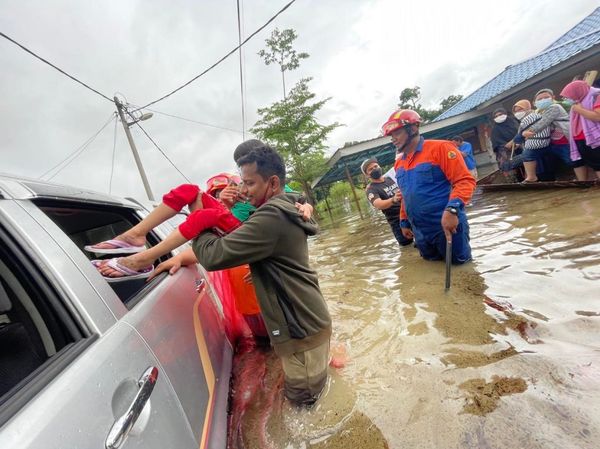
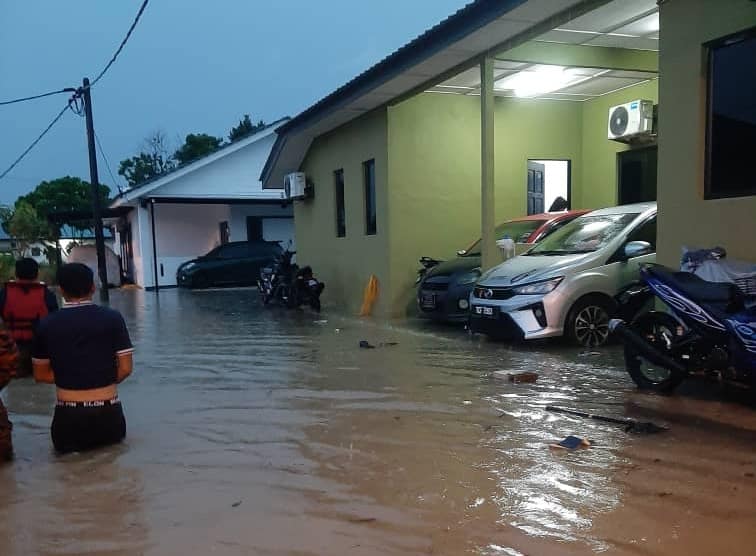
SHAH ALAM, May 27 — The “sponge city” concept could be a long-term solution to worsening flash floods in dense urban areas like Petaling Jaya, said the Malaysia Urban Design Association (PerekaBandar).
Its president Shuhana Shamsuddin said conventional flood mitigation moves are no longer sufficient for urban, rapidly developed areas with impermeable concrete surfaces.
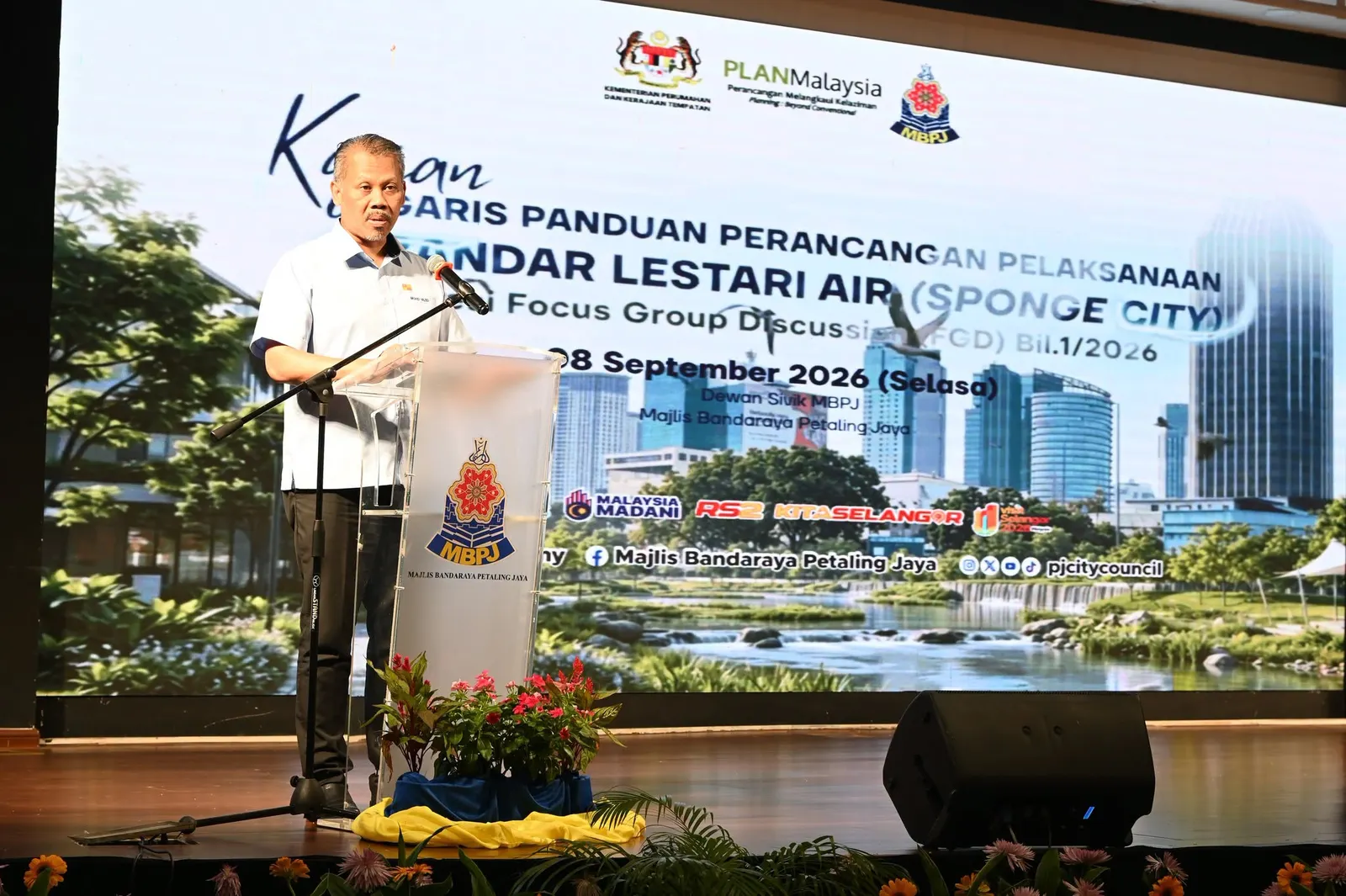
“The ‘sponge city’ concept, which has already been popularised in countries like China, focuses on designing cities that can naturally absorb, retain and manage rainwater instead of channelling it directly into drains that eventually overflow during heavy downpours.
“Similar concepts are also implemented internationally through the Water-Sensitive Urban Design in Australia and Sustainable Urban Drainage Systems in the United Kingdom.
“The issue today is not only climate change, but the way we build cities. Urban planning cannot continue focusing only on economic growth and land development without considering environmental impacts,” she told Media Selangor.
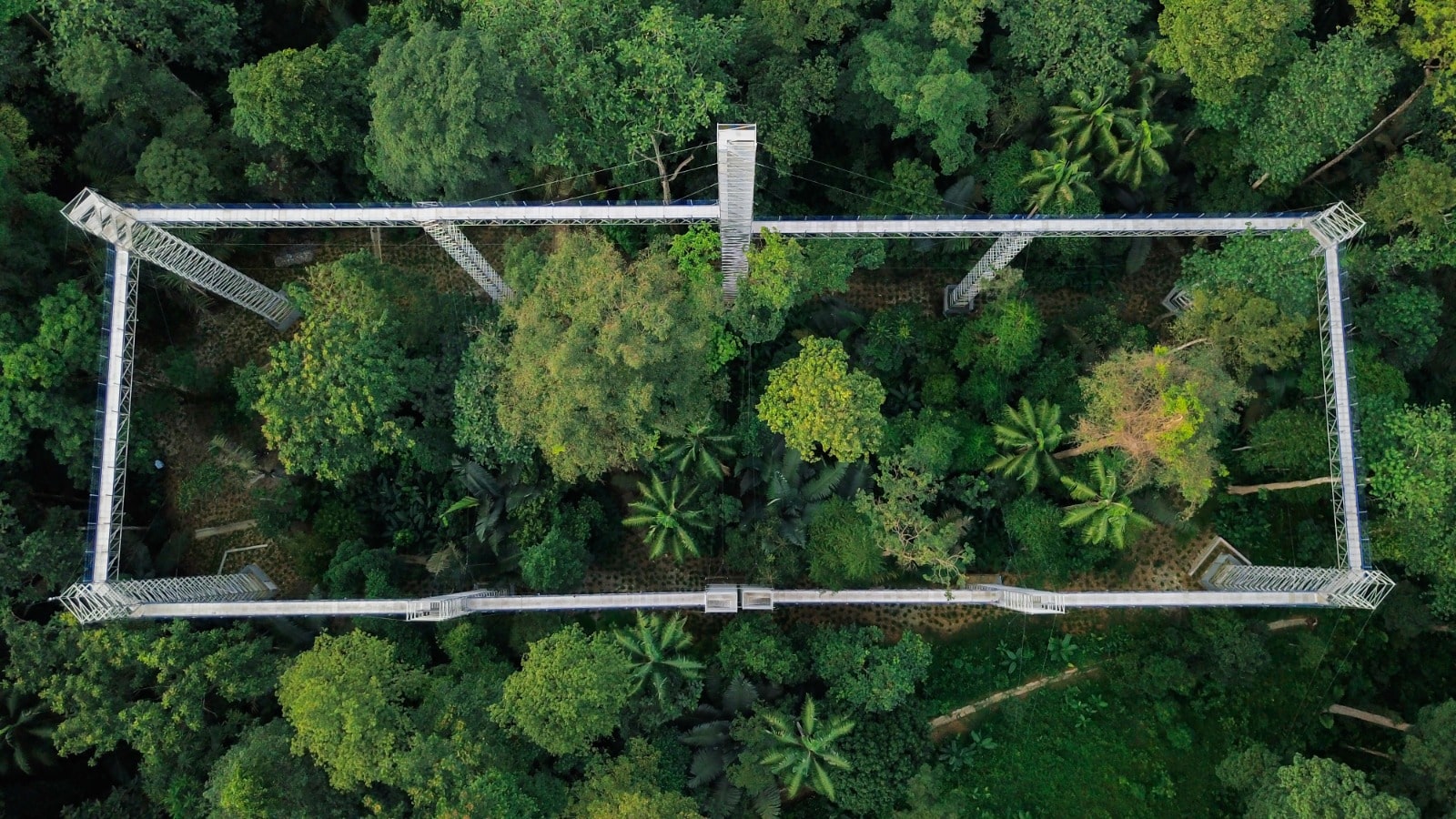
Shuhana was speaking in support of a proposal by Petaling Jaya City Council (MBPJ) Zone 19 councillor Nalina Nair Rama Krishnan to make Petaling Jaya a sponge city to strengthen climate resilience and address worsening flash floods.
Nalina said climate change is already affecting urban areas, with increasingly unpredictable rainfall patterns and more frequent extreme weather events.
Shuhana said Petaling Jaya has become increasingly vulnerable to flash floods due to shrinking green spaces and the widespread use of concrete and asphalt surfaces that prevent rainwater from being absorbed into the ground.
“Rainwater falling on rooftops, roads and pavements now flows directly into drains, creating severe surface water runoff during heavy rainfall,” she said, adding that existing drainage systems were designed decades ago for lower-density developments and have not been adequately upgraded to accommodate newer projects.
She said Malaysia’s tropical climate naturally brings high rainfall throughout the year, but weather patterns have become increasingly unpredictable due to climate change, resulting in more sudden and intense storms.
“Previously, monsoon seasons were more predictable. Now heavy rain can happen almost anytime, and cities like Petaling Jaya are no longer able to cope because there are too few natural surfaces left to absorb water.”
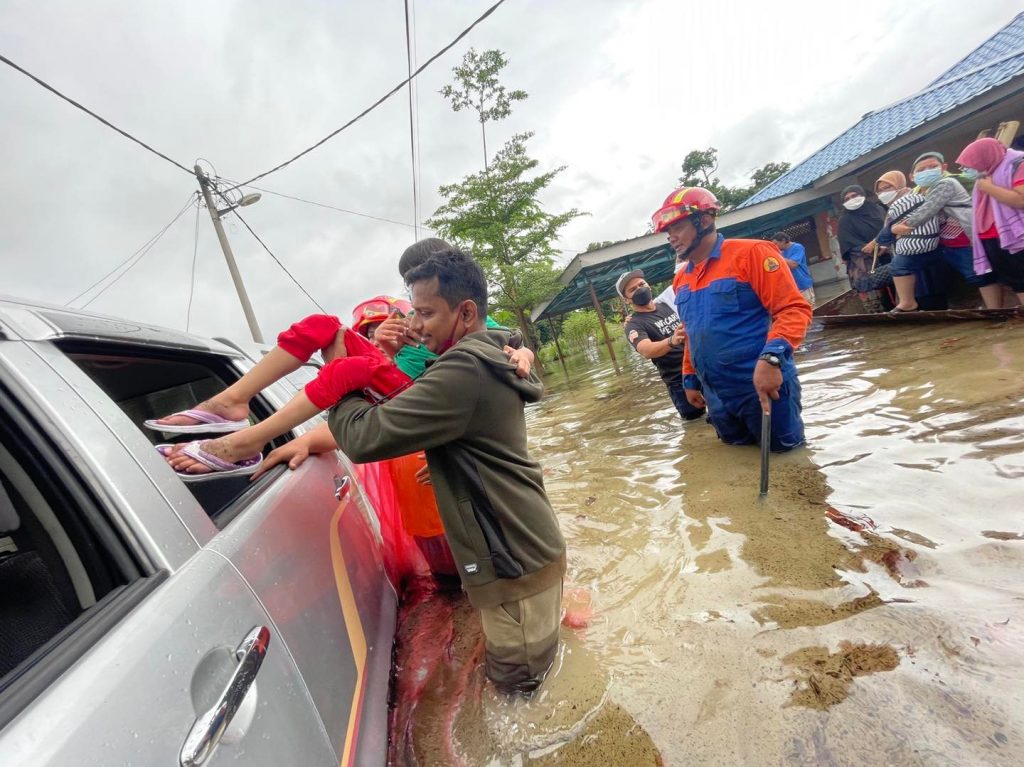
Urban redesign needed
Shuhana said among the measures that can be proposed under the possible sponge city model for Petaling Jaya include increasing green and open spaces, introducing landscaped rain gardens, implementing green roofs and rooftop water retention systems, and replacing conventional surfaces with permeable materials that allow water to seep into the ground.
She also suggested replacing traditional concrete drains with bioswales, a landscaped drainage system using vegetation to naturally absorb and slow water flow, widely used in the United Kingdom.
For dense urban areas with limited open land, Shuhana suggested building underground water storage tanks beneath fields and public open spaces to temporarily hold excess stormwater during heavy rain.
She added that future development approvals should require water-sensitive building designs, rainwater harvesting systems and green infrastructure integration to reduce dependence on outdated drainage networks.
He also criticised continued approvals for high-rise developments and elevated highways without sufficient environmental mitigation measures, warning that this would heighten flood risks if planning policies are unchanged.
“Green spaces are important not only for flood management, but also for improving urban liveability, air quality, recreation and residents’ mental well-being.
“There is really no other option for dense cities like Petaling Jaya. If development continues as usual without integrating environmental planning, flash floods will only become more frequent and severe,” Shuhana said.