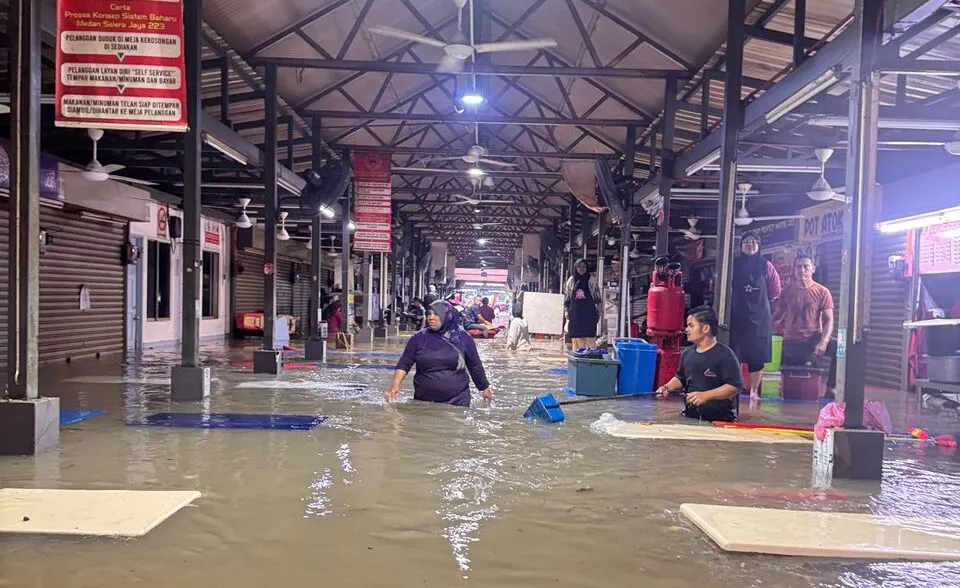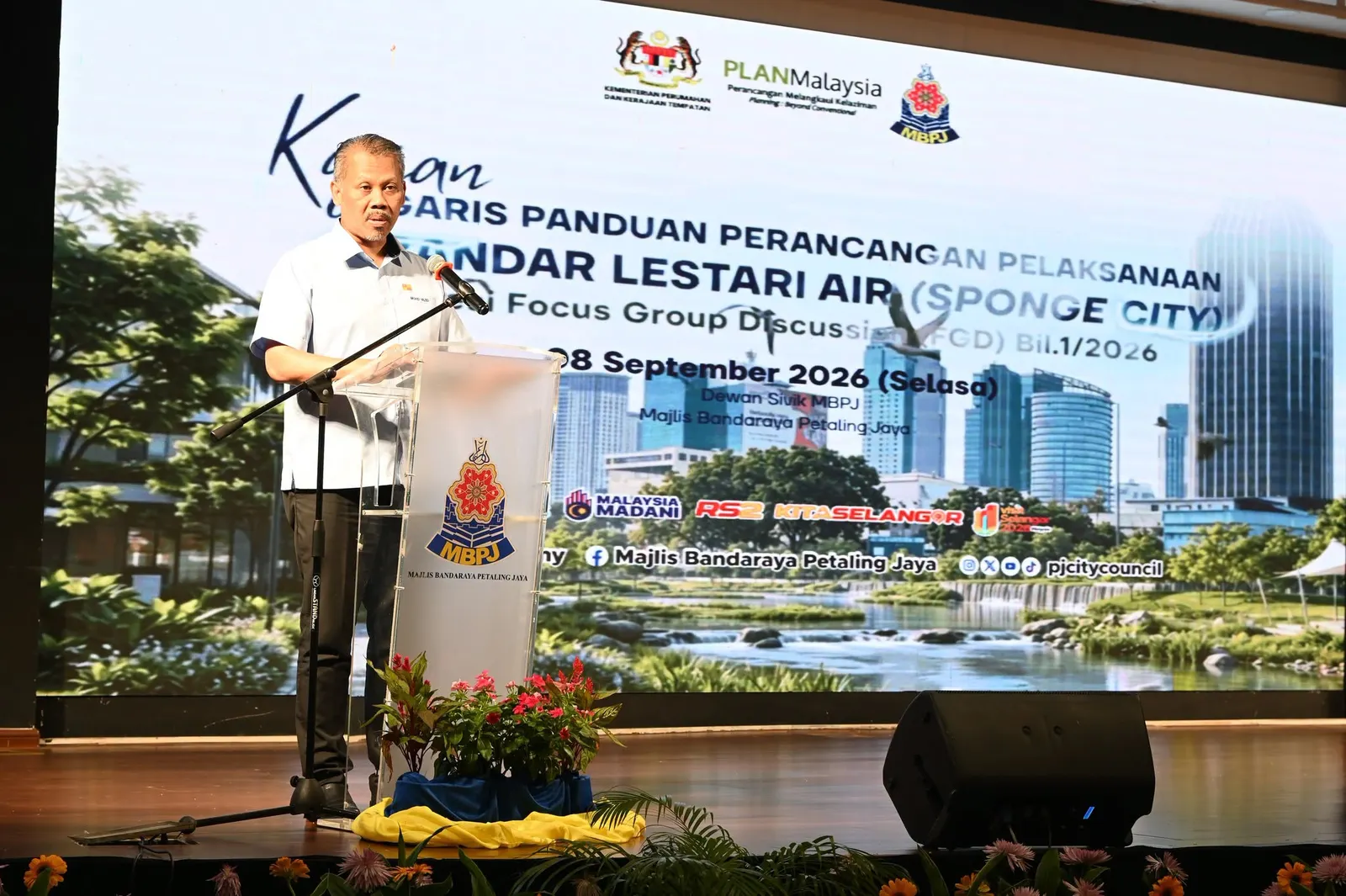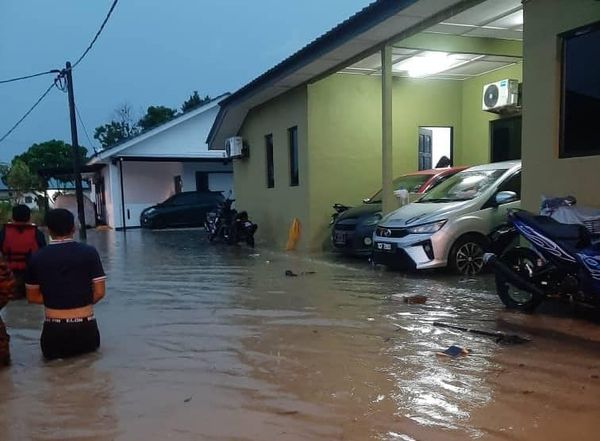
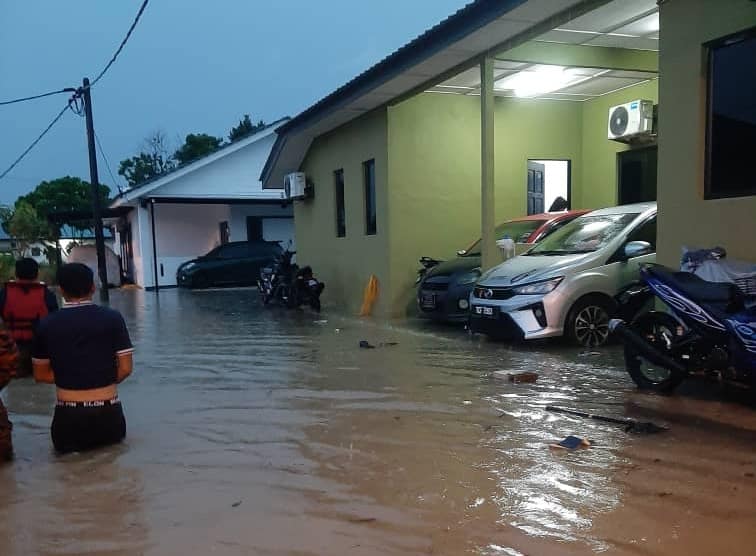


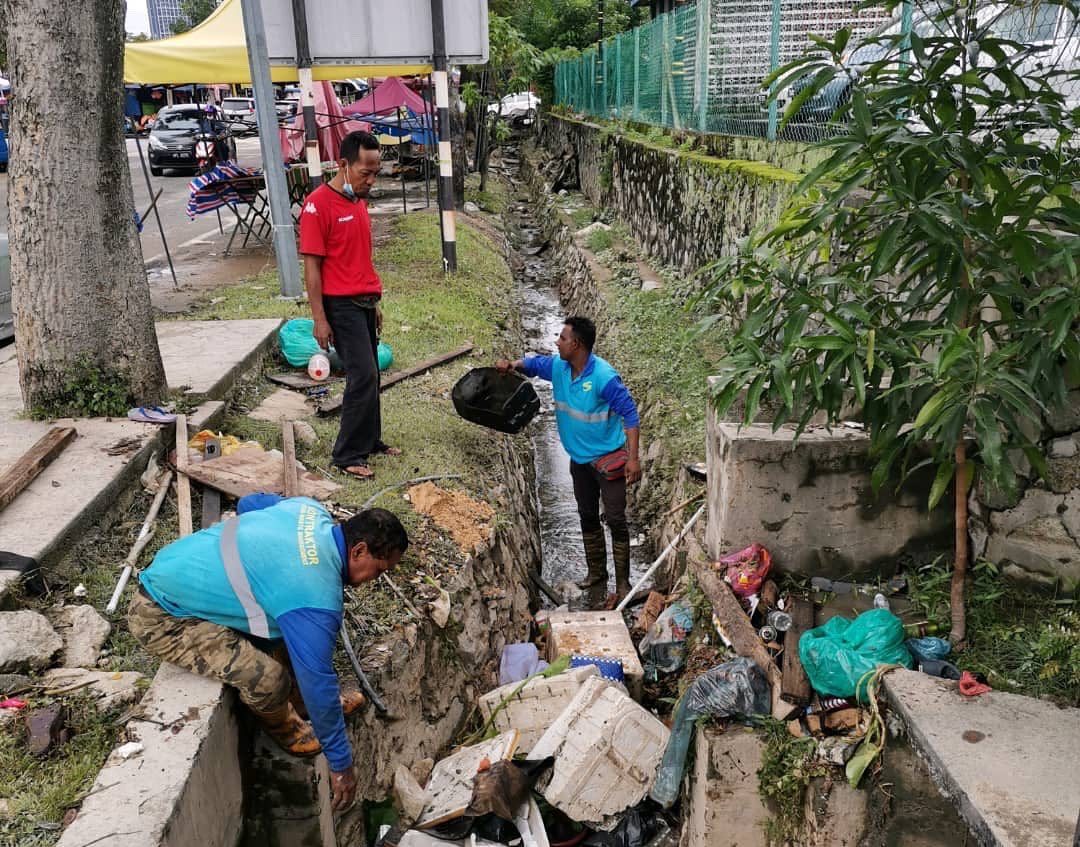
SHAH ALAM, May 25 — The Petaling Jaya City Council (MBPJ) must become a “sponge city” to strengthen climate resilience and address worsening flash floods, said Zone 19 councillor Nalina Nair Rama Krishnan.
She added that climate change is already affecting urban areas, with increasingly unpredictable rainfall patterns and more frequent extreme weather events.
“Rapidly developing cities such as Petaling Jaya face greater risks of flash floods due to outdated drainage systems, dense urban development and insufficient permeable surfaces to absorb rainwater.
“We cannot continue planning Petaling Jaya based on yesterday’s climate data,” she said during the MBPJ meeting aired live on Facebook today.
Nalina said many drainage systems in the city were built decades ago based on assumptions that no longer reflect current realities, with short bursts of heavy rain now exceeding existing infrastructure capacities.
“Petaling Jaya should move towards a ‘sponge city’ model, where urban areas are designed to naturally absorb, retain, slow down and reuse rainwater instead of channelling it rapidly into drains and rivers.
“The city must rethink how it interacts with water. Flood mitigation cannot only focus on building larger drains.”
In March, The Star reported that MBPJ is considering a sponge city pilot project in Kwasa Damansara to address stormwater management and flooding.
Nalina also proposed more aggressive on-site detention (OSD) systems in Petaling Jaya, including by building underground water retention tanks beneath public fields and open spaces.
“There should be stronger urban tree canopy coverage and interconnected green corridors along rivers and drainage reserves to help slow water runoff, improve soil absorption, and reduce pressure on drainage systems.
“Mature urban trees play an important role in intercepting rainwater before it reaches the ground, while also lowering urban temperatures and improving air quality,” she added.
Meanwhile, Nalina said the desilting project at the Taman Aman lake will increase rainwater storage capacity by up to 50,000 cubic metres, which would ease pressure on downstream drainage systems and Sungai Penchala during heavy rain.