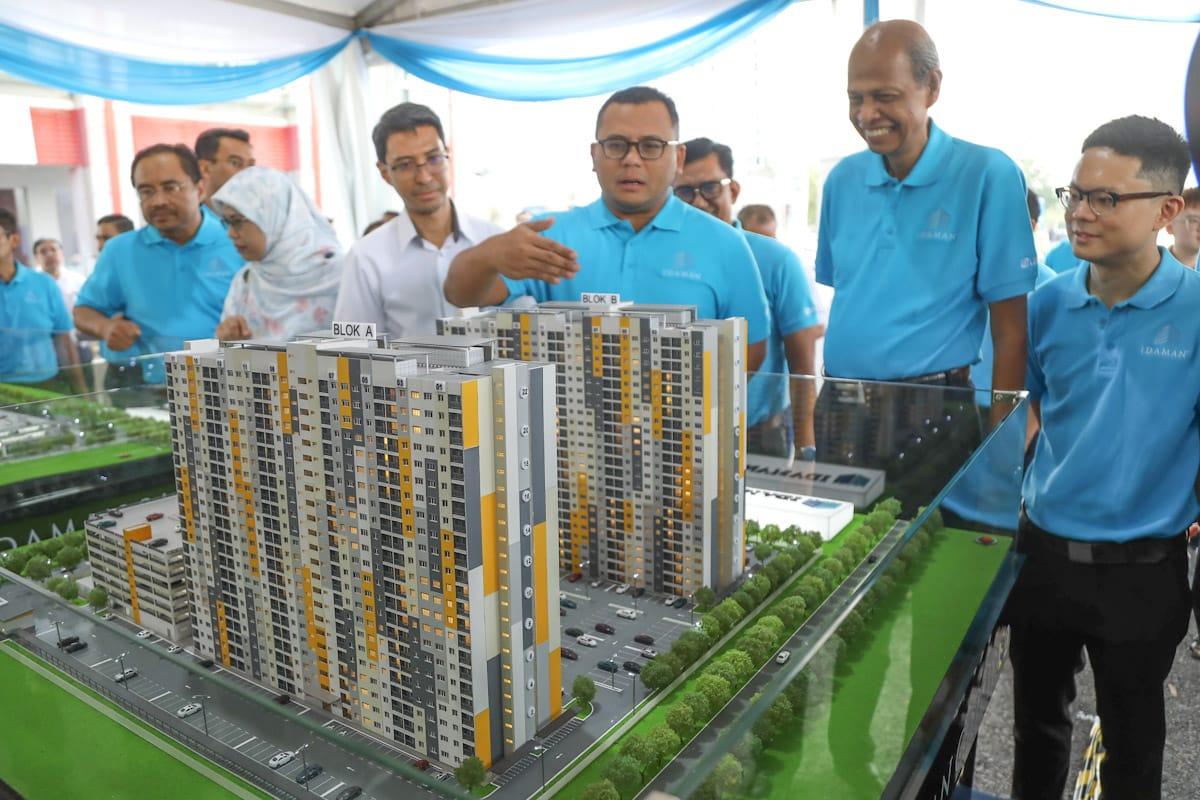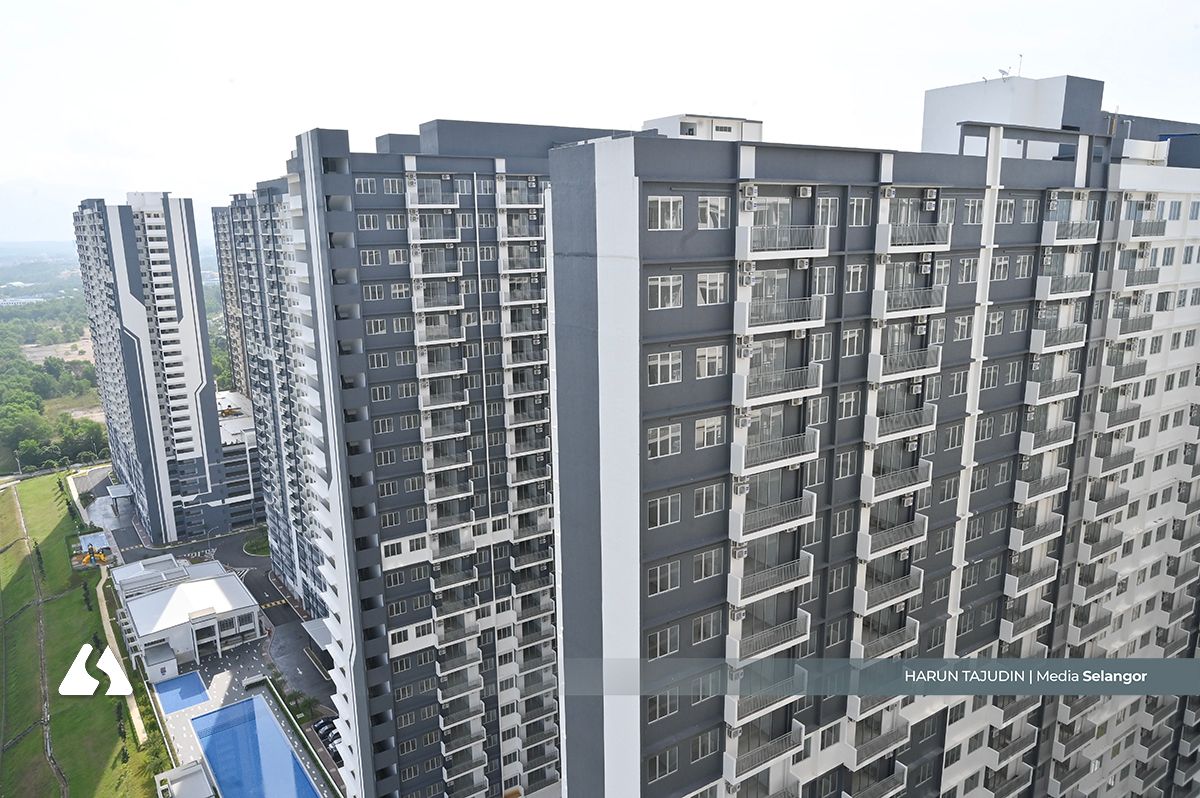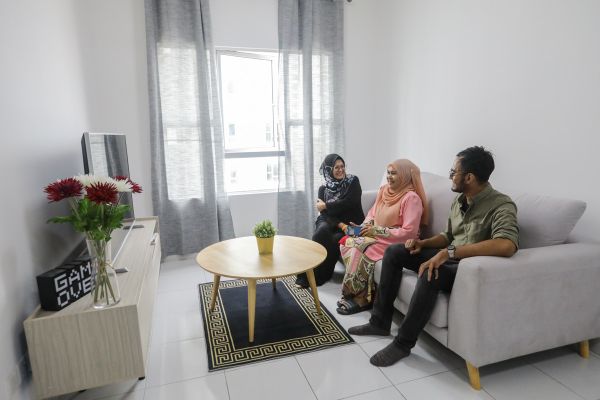
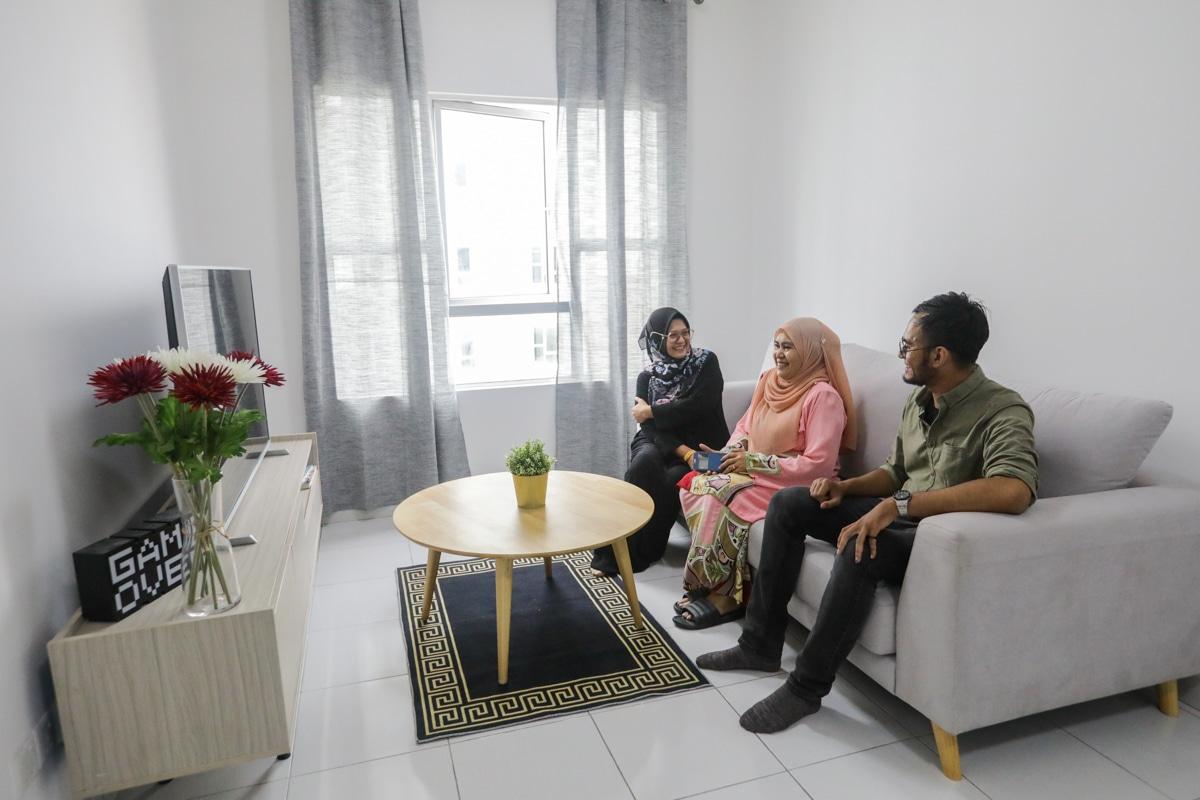
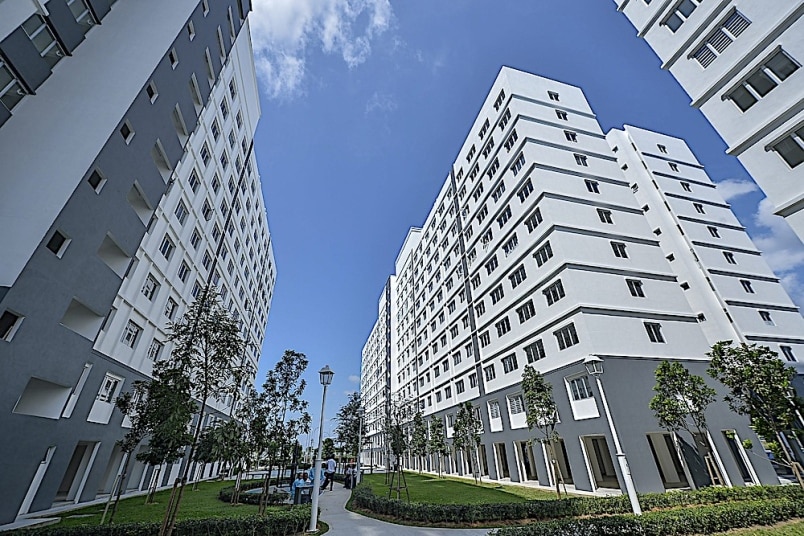
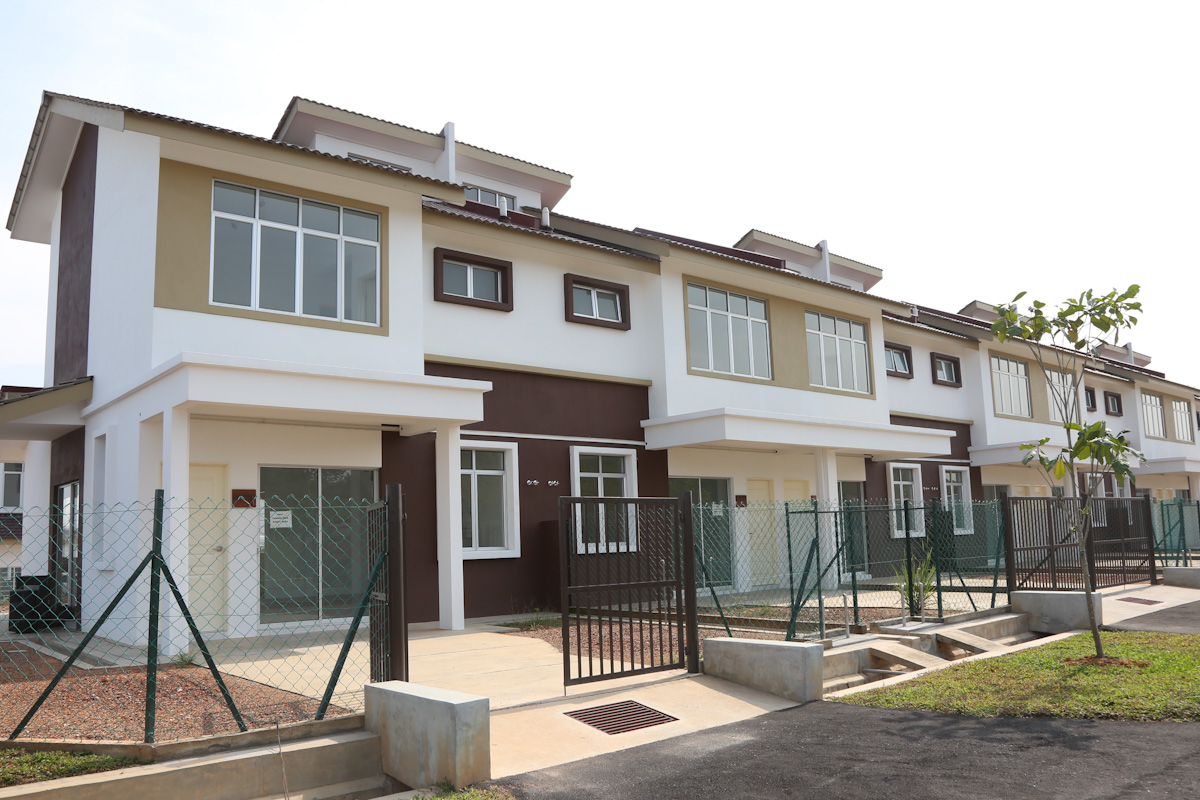
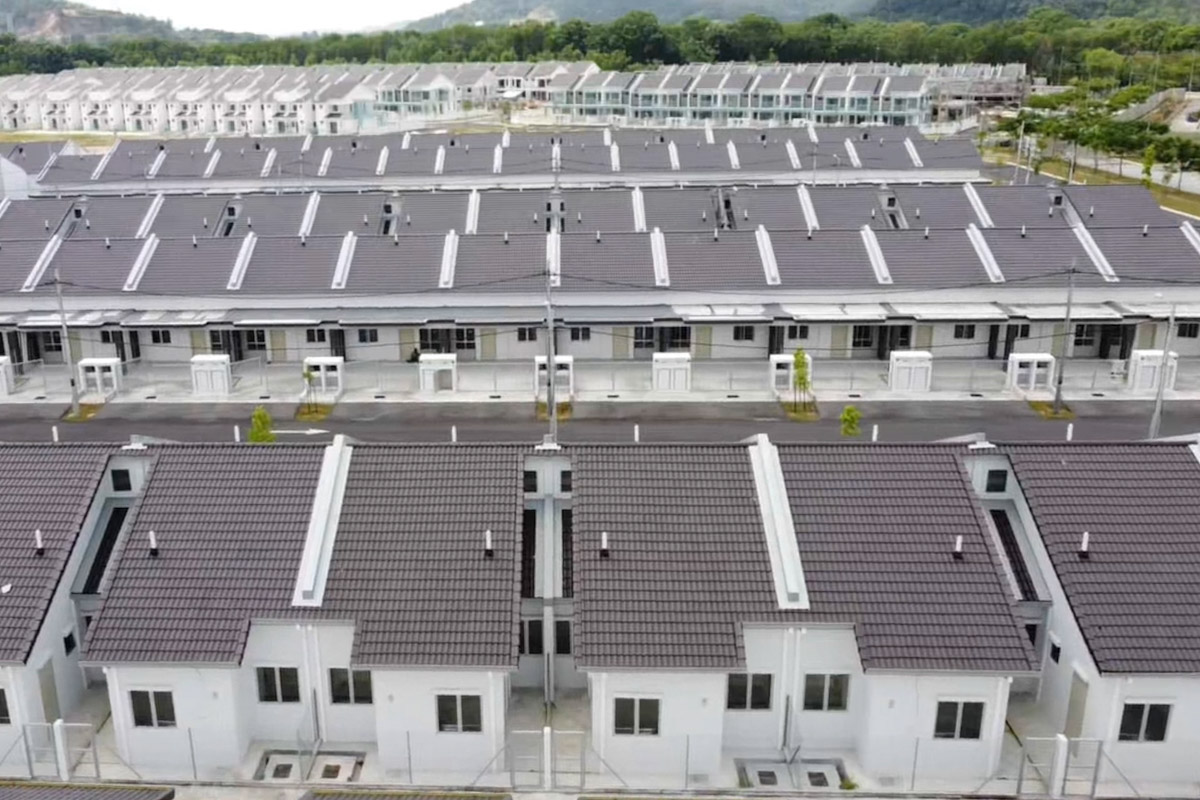
SHAH ALAM, April 22 — The Rumah Selangorku 3.0 Policy (RSKU 3.0) for affordable housing, introduced by the state government in 2022, is capable of balancing commercial development projects and public housing in the state.
Universiti Putra Malaysia's Faculty of Human Ecology's urban and regional planning/community development senior lecturer Mohammad Mujaheed Hassan said both forms of development must be balanced to prevent communities from being marginalised from progress.
“Whether we like it or not, both types of development projects are necessary, especially in the Klang Valley. Under RSKU 3.0, private developers are also required to build affordable homes within the project areas.
“This is to ensure cities remain inclusive, reduce socio-economic disparities, and provide affordable housing to lower-income groups in strategic locations,” he told Media Selangor.
RSKU 3.0, which took effect on January 3, 2022, serves as the primary reference for private developers' affordable housing development in Selangor. It replaced the 2018 housing policy, which aimed to balance housing needs with developers’ capabilities.

Meanwhile, Mujaheed opined that Selangor is not facing a shortage of affordable housing development, as the state has a substantial number of completed but unsold properties.
He added that it recorded the third-highest number of unsold completed serviced apartments last year, with 2,129 units, and also registered the second-highest number of residential launches in the country.
“So I do not see a serious issue in terms of insufficient affordable housing development. Selangor has many unsold residential units, but the main problem is buyers’ inability to afford them,” Mujaheed said.
Last year, the Valuation and Property Services Department reported that Johor remained the state with the highest number of unsold completed serviced apartments at 9,507 units, followed by Kuala Lumpur (4,112 units), and Selangor (2,561 units).
Johor also recorded the highest number of new launches in the first quarter of 2025 with 3,194 units, followed by Selangor with 2,129 units, and Negeri Sembilan with 1,838 units.