SHAH ALAM, Nov 17 — Selangor residents should be earning a median monthly gross household income of RM15,000 by 2030 to improve their purchasing power and quality of life, said Kota Kemuning assemblyman Preakas Sampunathan.
He told the Selangor State Legislative Assembly achieving the target would require policies that translate economic growth and investments into better-paying jobs, particularly for local workers.
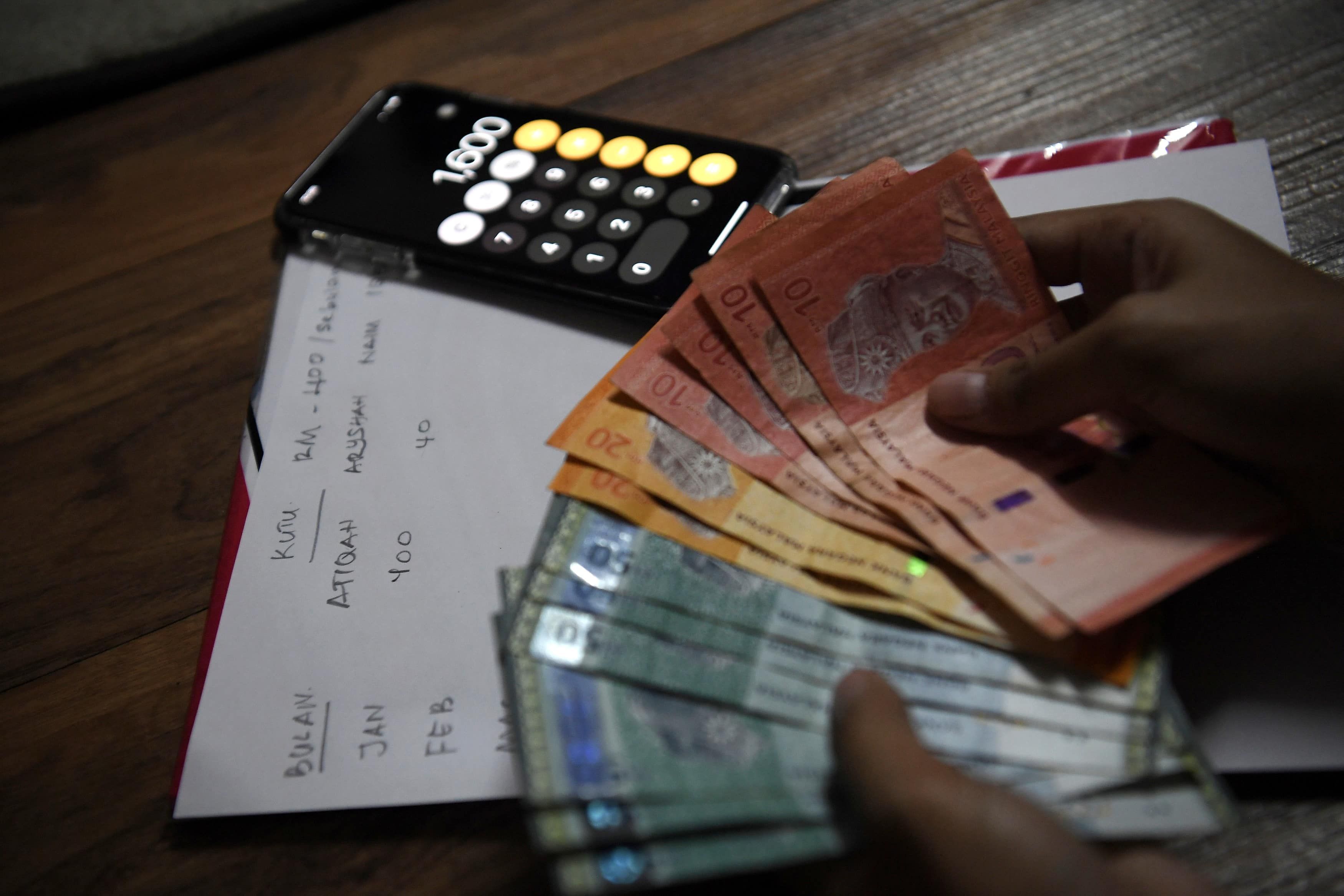
“Selangor’s median monthly gross household income in 2024 was RM10,726, higher than the national figure of RM7,017.
“Behind these figures, there are still families who have to calculate their spending between groceries, house rent and the cost of commuting to work,” he said during the 2027 Selangor Budget debate at the Selangor State Legislative Assembly today.
To reach the target, Preakas proposed making it a requirement for investors seeking state incentives or industrial land to disclose the number of jobs for locals.
“When investors apply for state incentives or access to industrial land, ask them to specify how many skilled jobs will be created, what salary levels are being offered, and how many local workers will be hired.
“Verify these outcomes before continuing to grant any incentives,” he asserted.

Meanwhile, Preakas called for greater support for small and medium enterprises to upgrade their technology and access state procurement opportunities.
He also highlighted the importance of offering affordable childcare and reliable public transport to help more people, especially mothers, enter the workforce.
On flood mitigation, Preakas urged local authorities and Irrigation and Drainage Department (JPS) to improve drainage systems maintenance and ensure flood controls are operational.
He highlighted concerns in Seri Muda, Jalan Bukit Kemuning, Batu 5, Batu 8, Kampung Bukit Lanchong and Bukit Kemuning, including a screw pump at Jalan Srikandi 25-14 that has yet to receive power supply.
“I was told that Tenaga Nasional Bhd (TNB) did not have the time to connect the electricity supply. How long do we have to wait? Do we have to wait until a flood happens before the electricity is connected?” he said, adding that similar delays have reportedly affected pumps elsewhere in Selangor.

Preakas also called on local authorities and JPS to coordinate maintenance schedules and conduct weekly inspections of floodgates, pumps and standby generators at critical locations, as well as provide assemblymen and residents with updates on reported faults, agencies responsible, and repair timelines.
“Fragmented development and inadequate drainage planning could worsen flooding when multiple projects channel water into the same downstream system,” he added.
Citing the Kemuning Utama case, where drains flow towards Seri Muda, he proposed that local authorities, with technical input from JPS, to identify each project’s discharge points, assess downstream drainage capacity and ensure necessary upgrading works are completed before projects start operating.
Preakas added that porous surfaces, vegetation, rain gardens and temporary retention areas should be incorporated into new developments where suitable to reduce pressure on drainage systems during heavy rainfall.