SHAH ALAM, Nov 12 — Cyberattacks are no longer merely a threat to information technology systems, but also risk disrupting economic activity and undermining public confidence in the country’s digital ecosystem.
Cybersecurity expert Norkhushaini Awang said the threat is becoming increasingly worrying as the financial sector has also become a target for hacking, including recent incidents involving several local financial institutions.
Hacking activities are no longer confined to websites, but also target personal information and organisations’ operating systems.
“In the past, hackers were more inclined to target websites. Now, they also target personal information, carry out financial fraud and ransomware attacks, and infiltrate organisations’ operating systems.
“What is worrying is that cyberattacks not only target computer systems, but can affect an organisation’s entire operations and cause financial losses,” she told Media Selangor.
The Universiti Teknologi MARA senior lecturer added that attacks on financial institutions can disrupt transactions and potentially damage the reputation of the organisations involved.

Moderate threat level does not signal a crisis
However, Norkhushaini urged the public to distinguish between cyberattacks, data breaches, and online scams, as the three do not necessarily stem from the same incident.
“Malaysia actually has a good foundation in terms of cybersecurity preparedness, but its ability to prevent, detect, and respond to attacks must continue to be strengthened.
“For example, the increase in the country’s cyber threat level from low to moderate on November 4 reflects the precautionary measures and continuous monitoring carried out by the authorities.
“However, this does not mean the country is facing a cyberattack crisis,” she said.
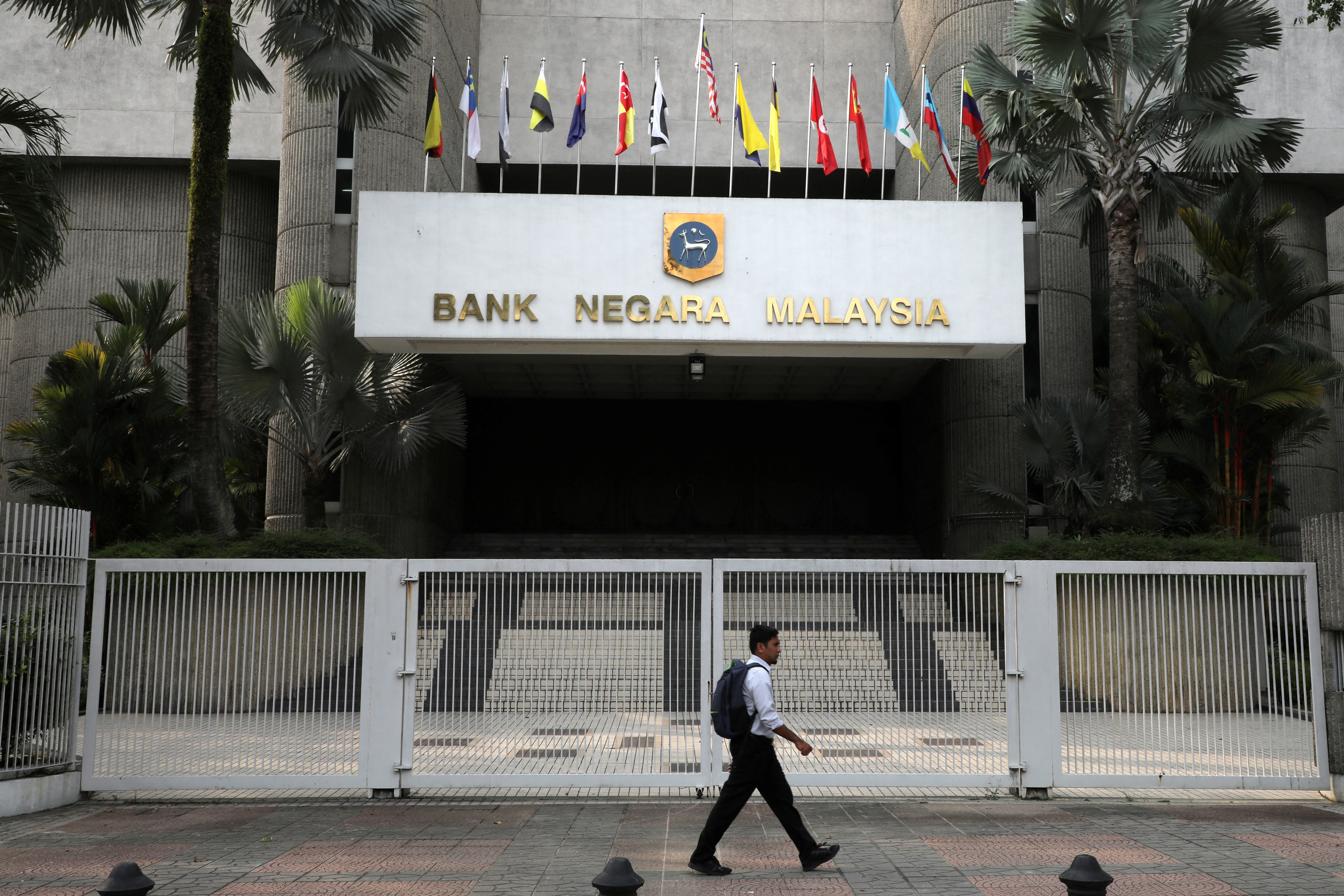
On Friday (November 6), Bank Negara Malaysia reminded financial institutions to continue strengthening their cybersecurity defences and improving their ability to detect and contain threats to safeguard confidence in and the stability of the financial system.
Its governor Datuk Seri Abdul Rasheed Ghaffour said regulatory requirements were also established to ensure financial institutions have adequate cybersecurity safeguards.
On Saturday (November 7), the National Security Council said Malaysia's cybersecurity situation remains under control, with the threat level at moderate despite cybersecurity incidents and system disruptions involving several financial institutions.
The National Cyber Security Agency, through the National Cyber Coordination and Command Centre, also conducted continuous monitoring to ensure threats could be detected and addressed promptly.

Weak access controls increase risk of data breaches
Norkhushaini noted that the banking and financial sectors must pay close attention to customer information management, particularly access controls and data storage.
The risk of information leaks remains if too many employees are given access to customer data, as well as when outdated systems are used and excessive information is retained.
“When signing up for a service, we may be asked to provide our full name, identity card number, address, and telephone number.
“Yet we must ask: is all this information really necessary, and how long is it stored in the database after the transaction is completed? Organisations should practise data minimisation by collecting only the information required for specific purposes,” she said.

Unique passwords help protect accounts
Norkhushaini also reminded users not to reuse the same password across multiple accounts, as this could make it easier for criminals to access other accounts if one account was compromised.
Criminals could also misuse combinations of personal information, such as names and telephone numbers, to create convincing scam calls.
“Practise basic security measures to reduce the risk of becoming a victim of cybercrime. These include using long, strong, and unique passwords for every important account.
“Users should also avoid suspicious links received through SMS, WhatsApp, or email, and verify information directly through their banks’ official apps and channels,” she said.
Norkhushaini also advised victims of online financial scams to contact their banks and the NSRC immediately at 997, and to lodge a police report.
“Do not wait until the following day, as prompt action is crucial to reducing the risk of financial losses,” she said.