

SHAH ALAM, Nov 6 — Malaysia is at risk of being exploited as a transit route for international drug smuggling and distribution, said Home Minister Datuk Seri Saifuddin Nasution Ismail.
He said the assessment was based on intelligence gathered and enforcement operations conducted by the Royal Malaysia Police (PDRM).
"Malaysia's strategic geographical location and extensive air, land and maritime transport networks could be exploited by organised crime syndicates to bring drugs into the country before distributing them in the local market or transporting them to other destination countries.
"In this regard, PDRM, through its Narcotics Crime Investigation Department (NCID), continues to intensify intelligence gathering and enforcement operations targeting the entire syndicate network, including suppliers, logistics coordinators, financiers and distributors," he said in a written parliamentary reply yesterday.
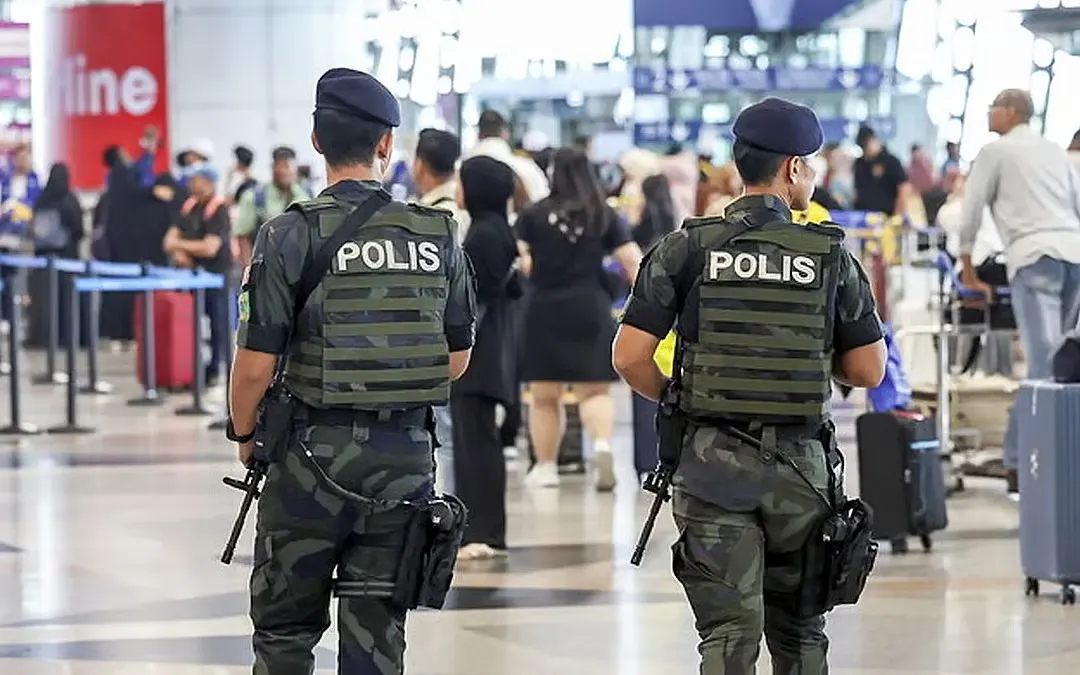
Saifuddin added that the police were also strengthening cooperation with international law enforcement agencies and tightening security controls at airports, ports and land borders to curb drug smuggling.
He was responding to a question from Kota Melaka MP Khoo Poay Tiong on whether Malaysia had been identified as a transit hub for international drug trafficking and distribution syndicates.
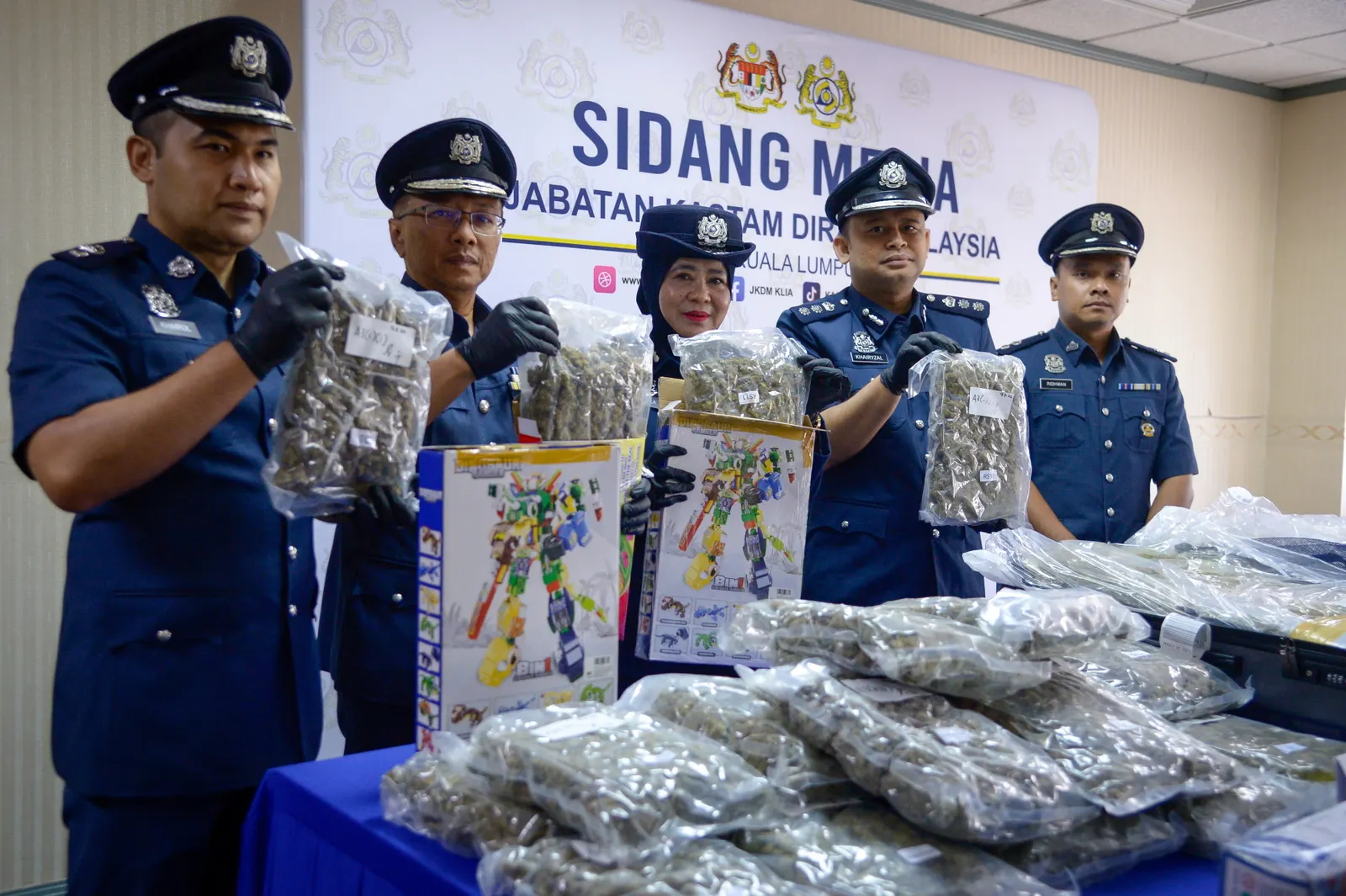
The Pakatan Harapan lawmaker also wanted to know what measures were being taken to strengthen security protocols at Kuala Lumpur International Airport (KLIA) following an increase in drug seizures in the first seven months of this year.

Saifuddin said the government continued to prioritise security measures at all national entry points, including KLIA, and had approved a joint ministerial memorandum between the Home Ministry and Transport Ministry on August 19.
He said the memorandum endorsed a National Entry Point Security Improvement and Mitigation Action Plan comprising 17 recommendations covering short-, medium- and long-term measures.
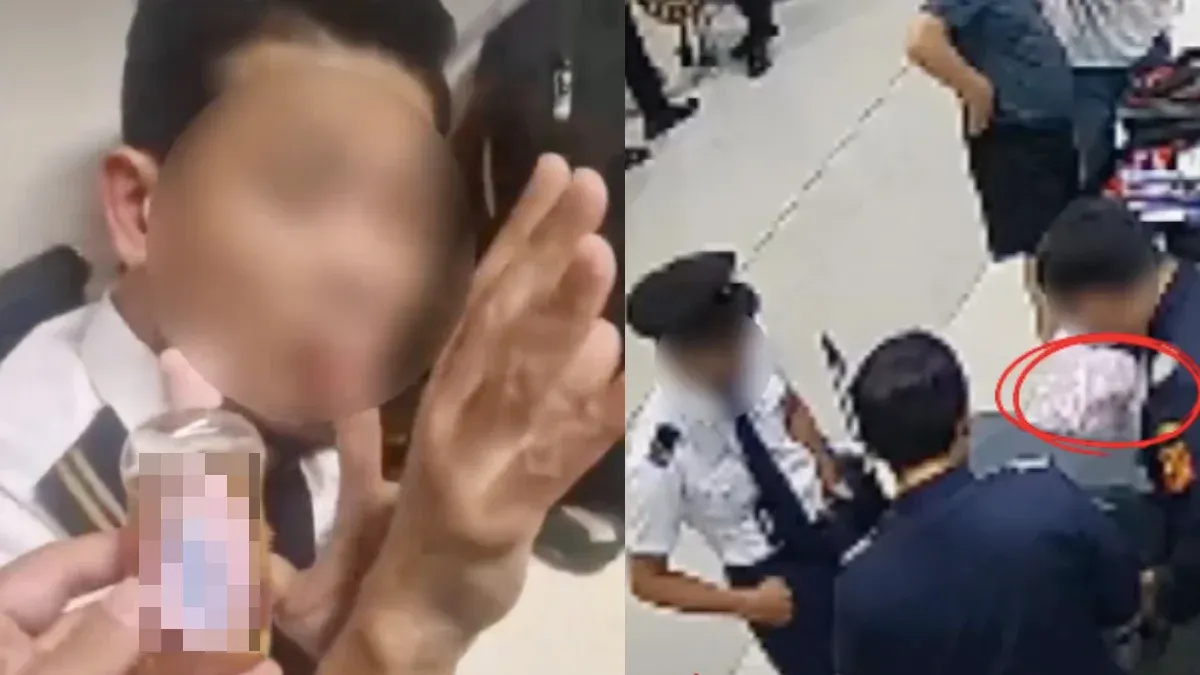
Short-term measures include tightening security screening, conducting random drug tests on pilots and flight crew, increasing police presence and redeploying narcotics detection K9 units to high-risk areas.
Medium-term measures focus on acquiring high-powered baggage and body scanners, installing AI-powered CCTV systems, strengthening K9 units, integrating intelligence data and enhancing specialised staff training.
Long-term measures include replacing existing scanners with next-generation AI-powered systems, upgrading terminal and cargo infrastructure based on risk levels, establishing the National Immigration Command Centre (NICC) and standardising security controls across all air, land and sea entry points.