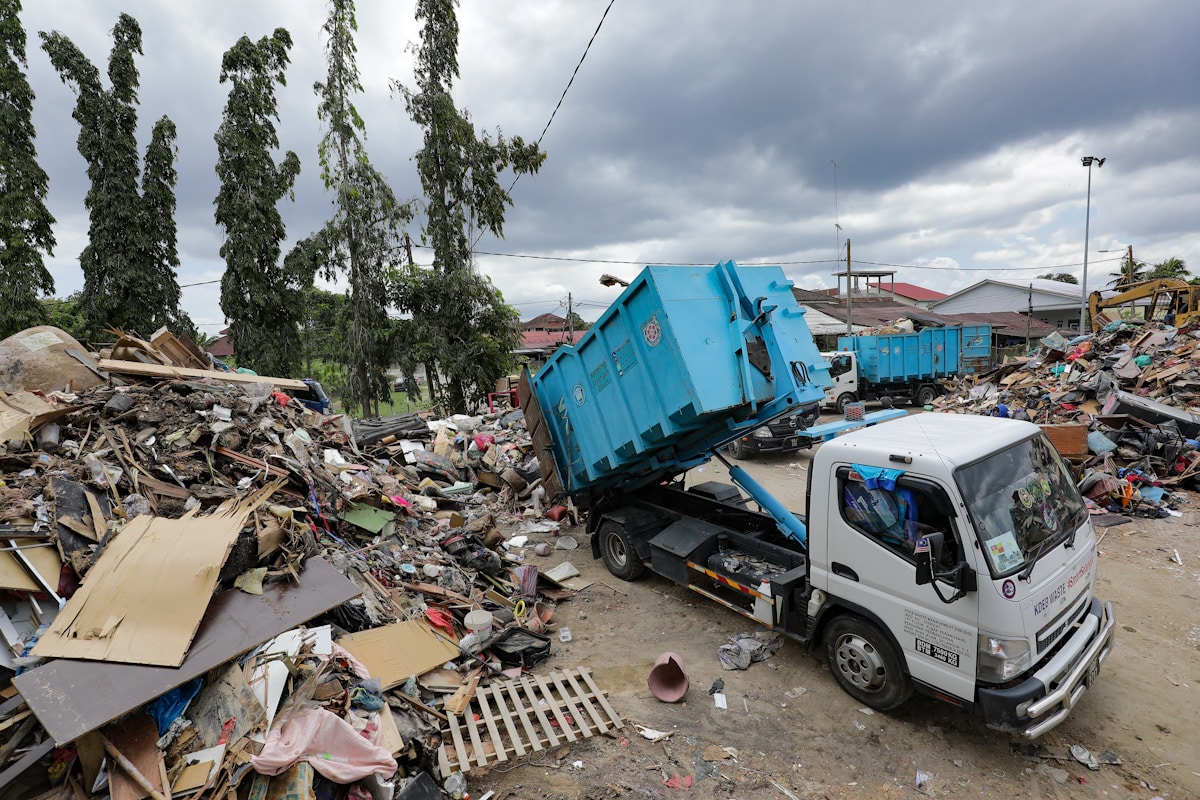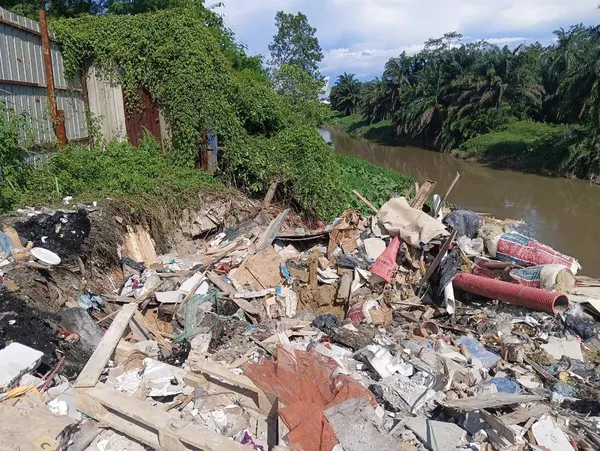


KUALA LUMPUR, 5 Nov — More than 6,000 illegal waste dumping sites nationwide have been shut down over the past three years, said Housing and Local Government Minister Nga Kor Ming.
Of the total, the Solid Waste and Public Cleansing Management Corporation (SWCorp) shut down 3,600 sites last year as part of enforcement efforts to curb illegal waste dumping.
SWCorp strengthened its enforcement capabilities last year by acquiring more than 100 motorcycles to support operations, particularly in areas prone to illegal dumping.
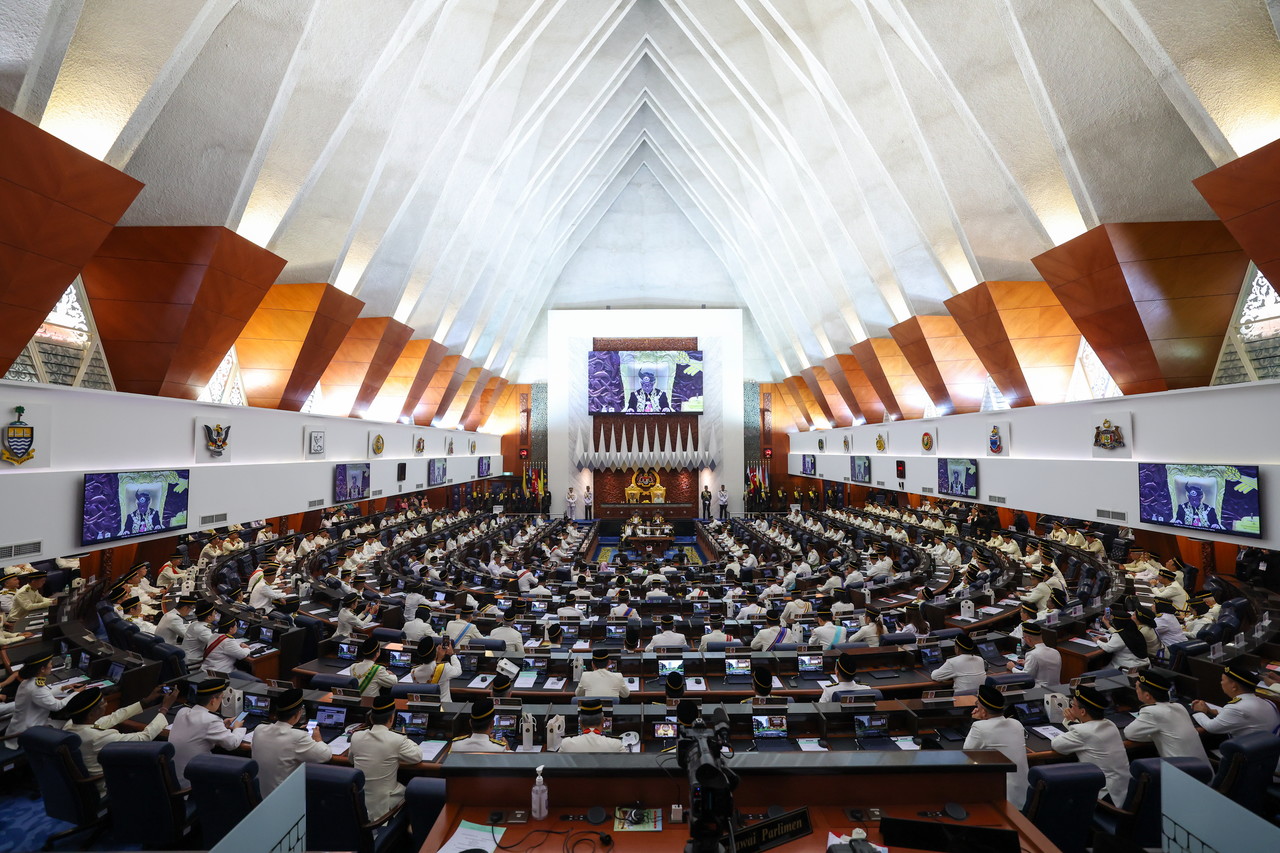
“Solid waste management is a key priority in keeping our country clean and ensuring the well-being of the people. It is crucial that we protect and preserve our environment,” he said during the Minister's Question Time session in the Dewan Rakyat today.
Nga was responding to Kulim Bandar Baharu MP Roslan Hashim's supplementary query on the ministry’s measures to tackle illegal waste dumping, including in remote areas and on private land, as well as plans to turn waste into an economic resource.
Those involved in illegal waste-dumping syndicates could face up to five years' imprisonment and a fine of up to RM100,000 upon conviction under the Solid Waste and Public Cleansing Management Act 2007.
He added that enforcement efforts have also been stepped up through community service orders, with more than 17,000 compound notices issued and over 2,000 individuals ordered by the courts to perform community service as of this morning.
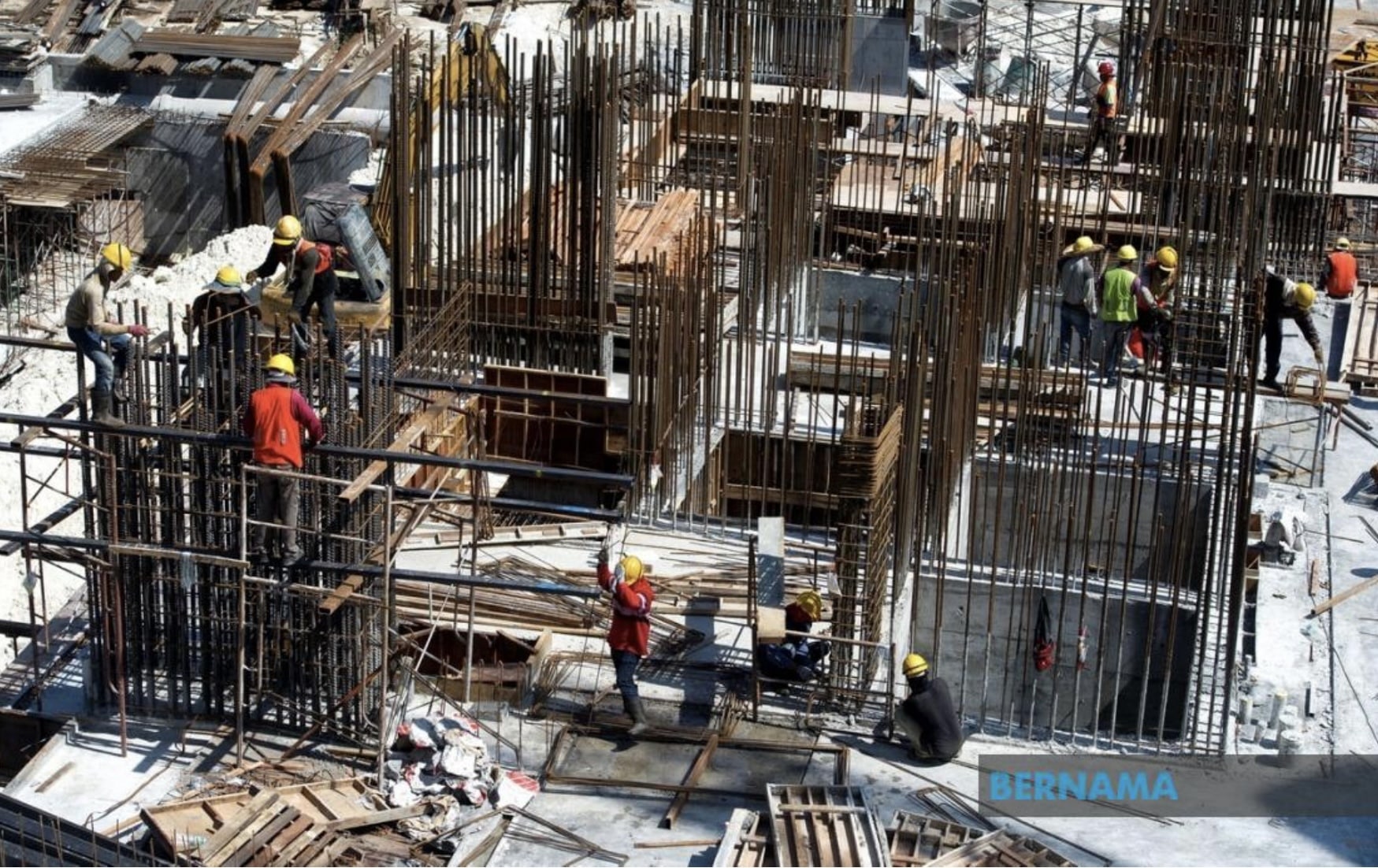
Earlier, in response to Betong MP Datuk Dr Richard Rapu @ Aman Begri's query about long-term measures to address critical open dumping sites, Nga said the government planned to build 18 waste-to-energy (WTE) plants by 2040 to reduce the country's reliance on landfills.
The plan includes 16 waste transfer stations and 10 sanitary landfills, along with efforts to raise the national recycling rate from 37.9 per cent to more than 40 per cent.
However, WTE plant construction must account for the daily volume of waste generated in each area to ensure financial and technical viability.
“A WTE plant requires a minimum daily tipping load of about 600 to 1,000 tonnes of waste to be financially and technically viable,” he said.