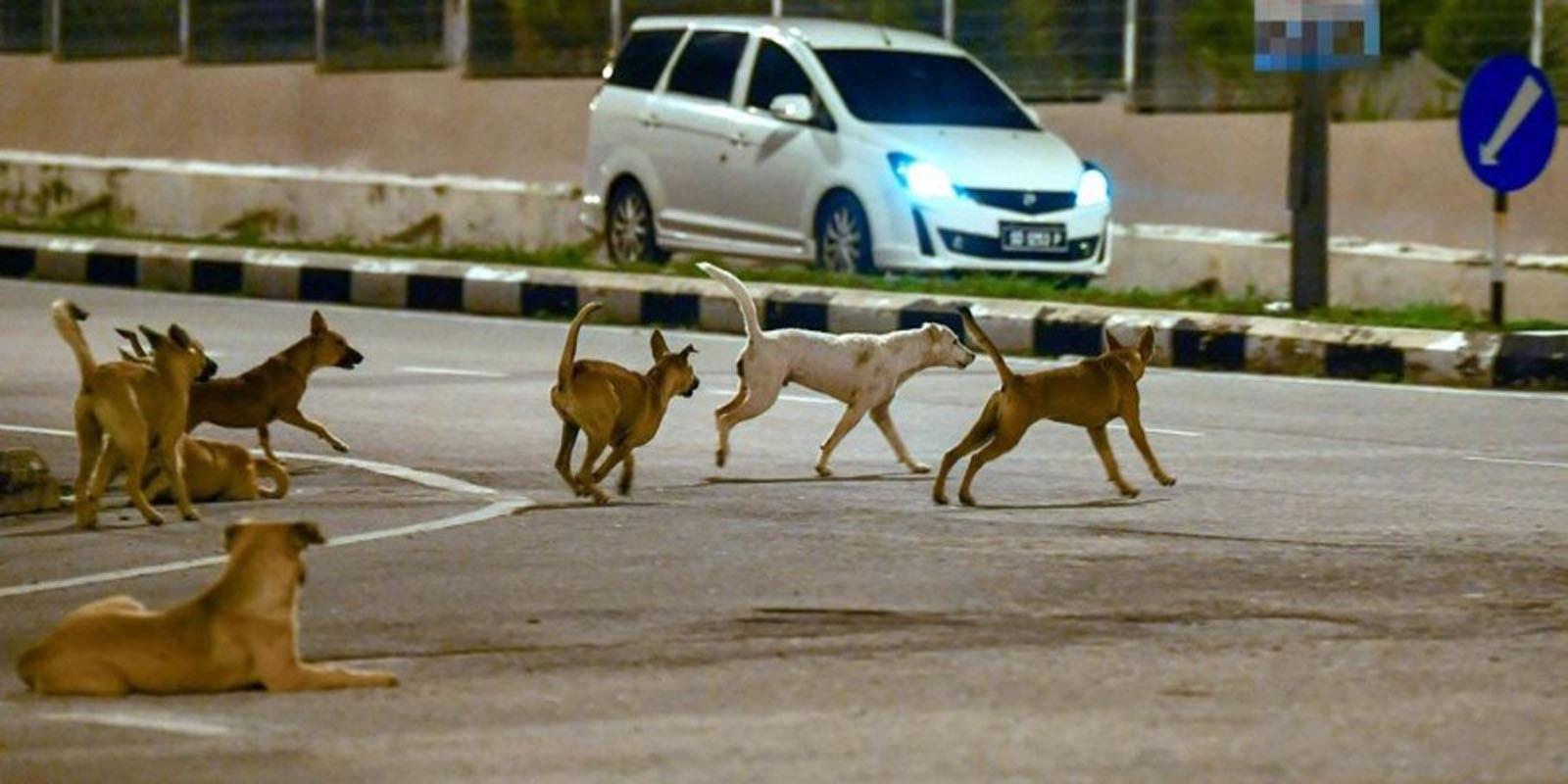

SHAH ALAM, Oct 30 — More than 80,000 stray dogs were captured by local authorities nationwide last year in an effort to curb their growing population and ensure public safety.
Housing and Local Government (KPKT) Minister Nga Kor Ming said focus is given to high-risk hotspots based on public complaints and incident records, including residential areas, schools, and high-traffic locations.
Throughout 2025, approximately 45,804 complaints were received and 24,195 operations conducted, resulting in the capture of 80,412 stray dogs.
“Of these, 22,228 dogs were handed over to the Veterinary Services Department (DVS), reclaimed by their owners or adopted through dog adoption programmes,” he said in a written Parliamentary reply yesterday.
Nga was responding to Tumpat MP Dato’ Hajah Mumtaz Md Nawi’s query on the enforcement actions taken against dog owners whose pet cause serious injuries to the public, as well as the immediate measures and long-term strategies to address the growing stray dog population, particularly in residential areas and schools.
He said his ministry had also instructed local authorities nationwide on September 9 to intensify stray dog control operations, particularly in high risk areas such as residential neighbourhoods, schools and other public locations.
Other measures taken include conducting inspections on dog breeding and licensing in residential areas to ensure compliance with existing regulations.
“Enforcement action, including the issuance of compound fines, will be taken against owners who fail to comply with dog ownership and licensing requirements.
“This includes allowing dogs to roam freely outside their premises without supervision, resulting in disturbances or risks to public safety,” Nga said.
Under the Licensing and Dog Breeding By-Laws, dog owners may be issued compounds if their dogs chase, attack or bite members of the public, regardless of whether injuries are sustained.
Dog owners are also responsible for compensating victims for injuries caused by their pets, while local authorities may capture and euthanise dogs involved in biting incidents.
As part of its long-term strategies, KPKT, through the Local Government Department, is focusing on preventive measures such as responsible pet ownership, sterilisation, microchipping, adoption, and community involvement.
He added that it has implemented the Stray Animal Management Campaign in collaboration with local authorities since 2024 to raise public awareness and encourage responsible pet ownership.
“The campaign particularly aims to prevent the abandonment and neglect of pet dogs, which can contribute to the increasing stray dog population,” Nga said.
Among the activities implemented under the campaign are on-site dog licensing during enforcement operations, the establishment of licensing counters at public locations such as markets and shopping centres, and the promotion of microchipping to improve dog identification and owner traceability.
Other initiatives include public awareness campaigns on responsible pet ownership, community engagement programmes, and educational activities for school students on preventing dog bites, rabies awareness, and safe interactions with animals.