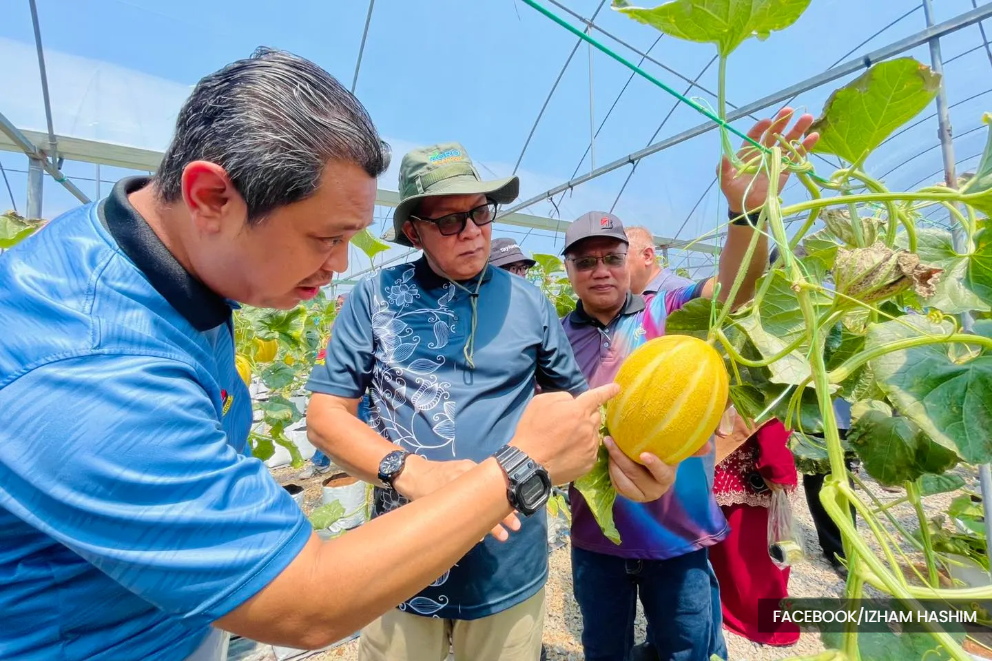
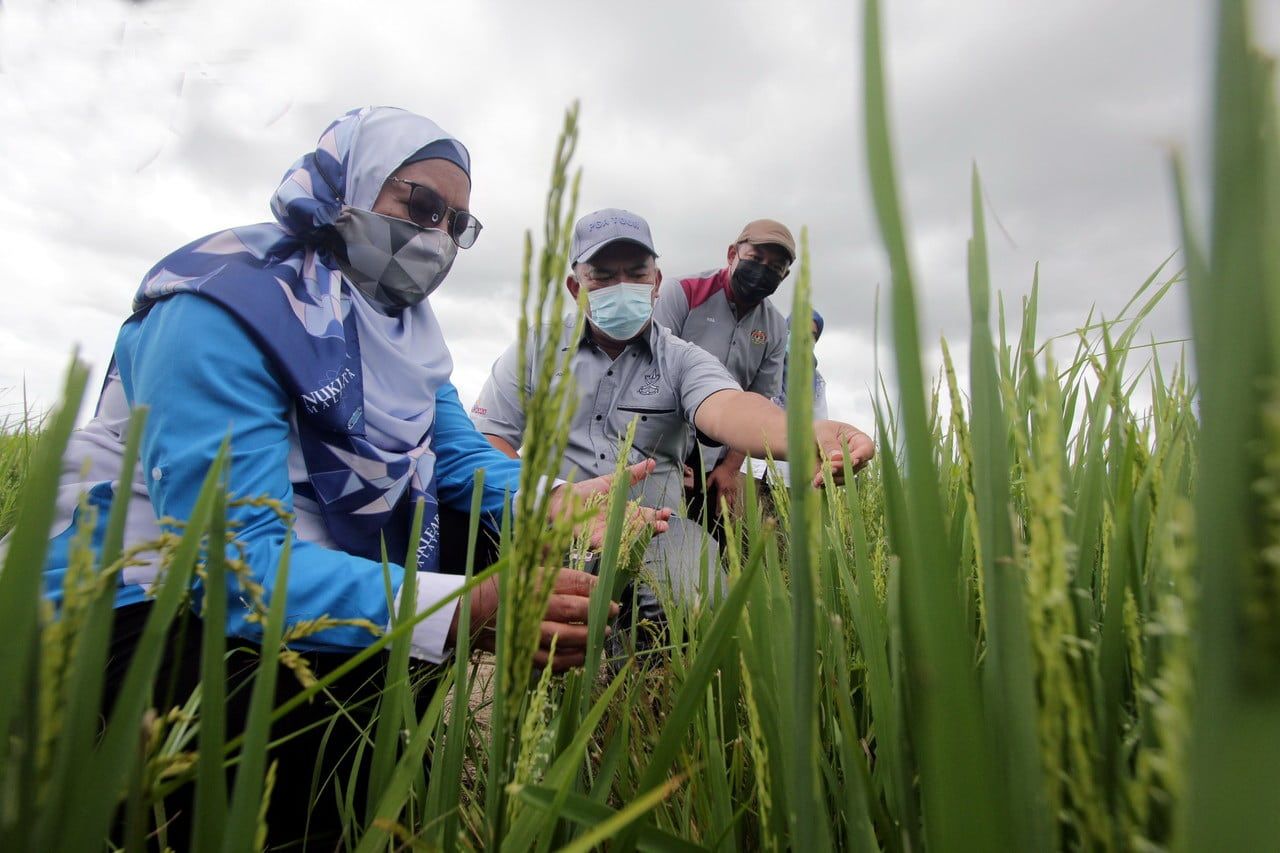

KLANG, Oct 18 — The second phase of the Selangor Agro Transformation Plan (PeTA) focuses on the development of high value agriculture and modernization to enhance competitiveness, while also expanding the participation of the younger generation, particularly women.
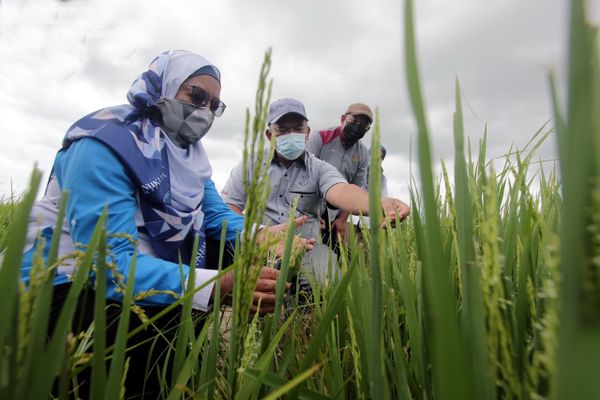
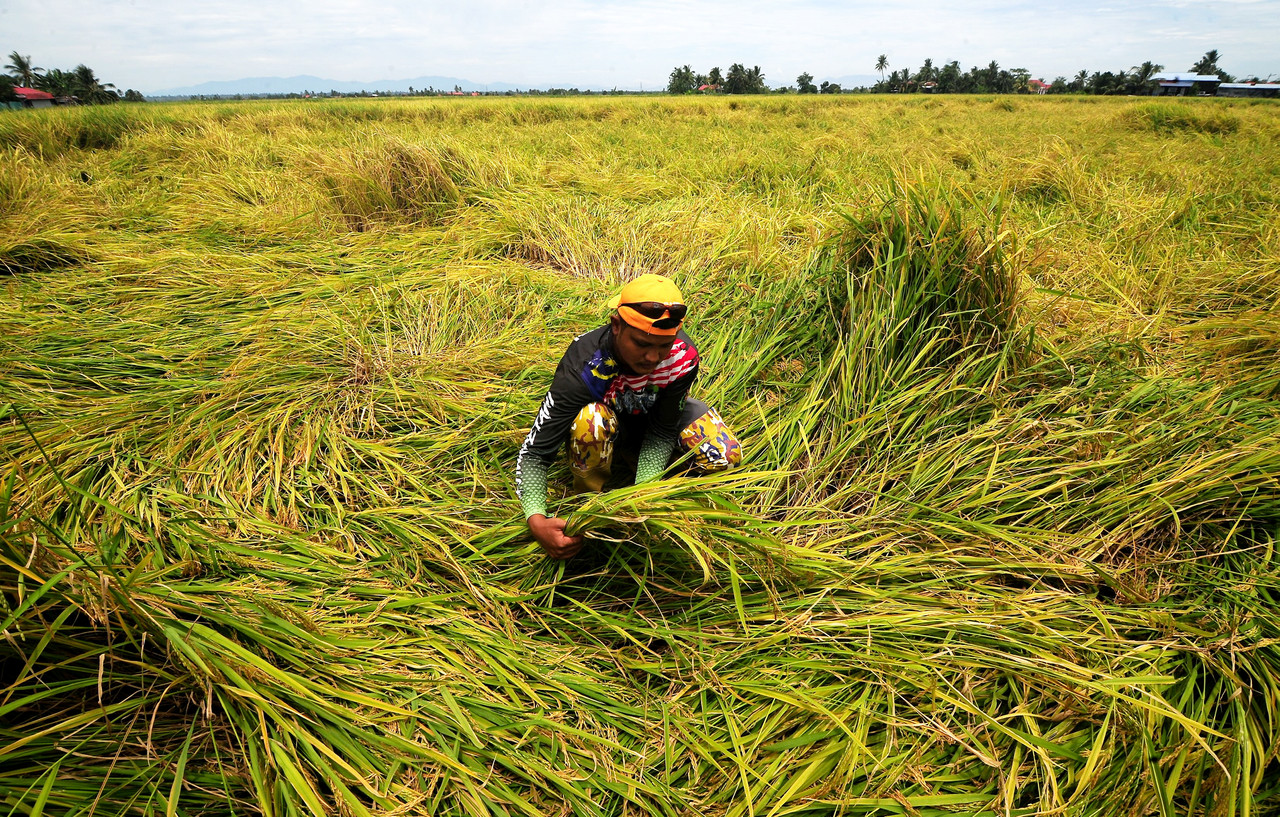
State executive councillor for infrastructure and agriculture Dato' Izham Hashim said focus is also given to the paddy cultivation sector, particularly in efforts to increase crop productivity in the northwestern region of Selangor.
“PeTA has entered its second phase this year, continuing to focus on the policies we have established, high-value agriculture and modernization.
“We will increase the involvement of more young people, especially young women, and add a greater focus on areas previously handled mainly by the federal government, particularly issues related to paddy fields.
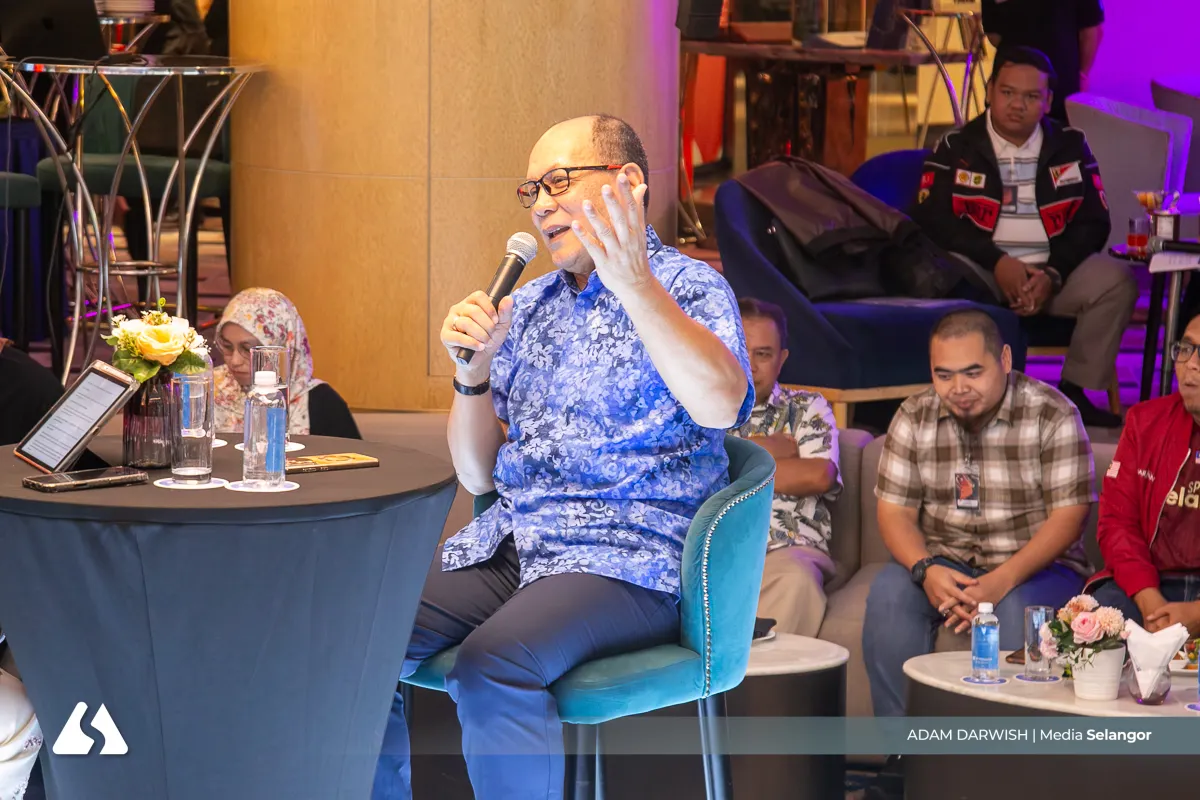
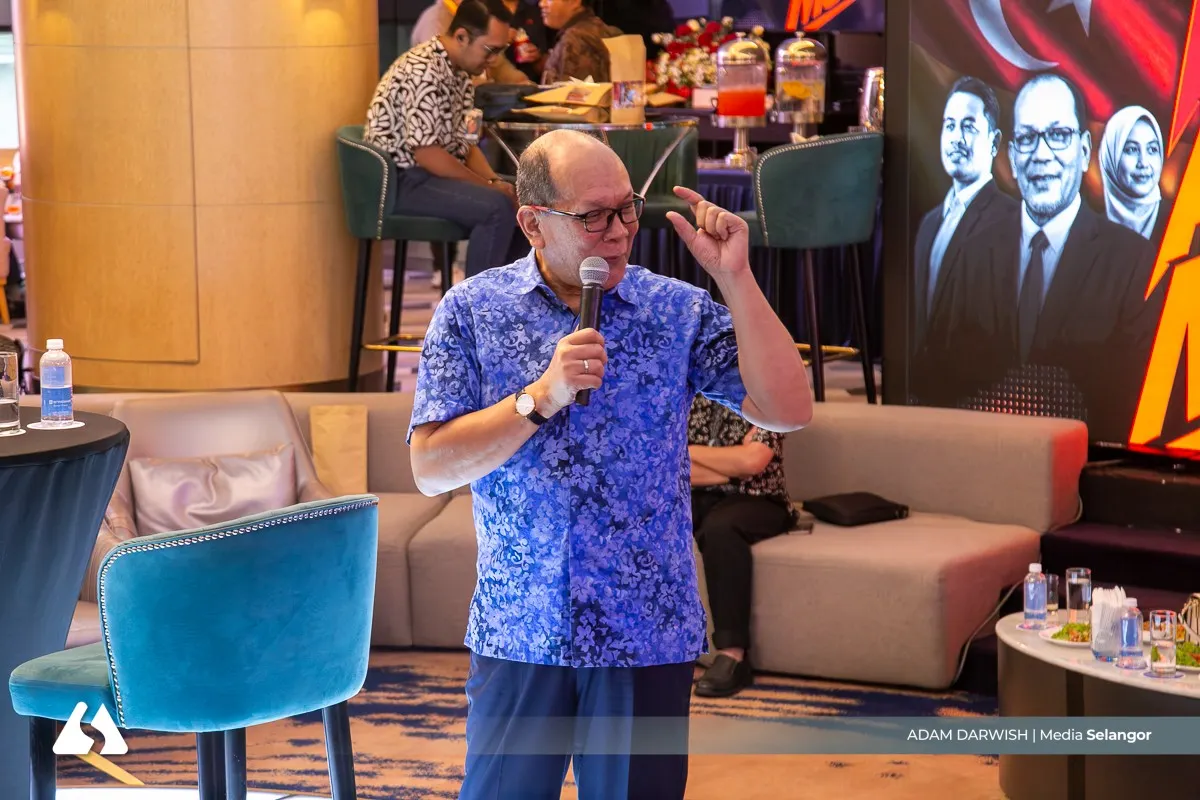
“Paddy farming is currently a critical area requiring attention, as there is very little youth participation. We are increasing our focus on this for the current year to improve paddy yield productivity in the Northwest region,” he said during the Townhall Belanjawan Negeri Kita Anak Muda programme yesterday.
Earlier, Izham noted that all proposals submitted by youths through the programme will be presented to the State Executive Council (MMKN) for consideration in the upcoming 2027 Selangor Budget.
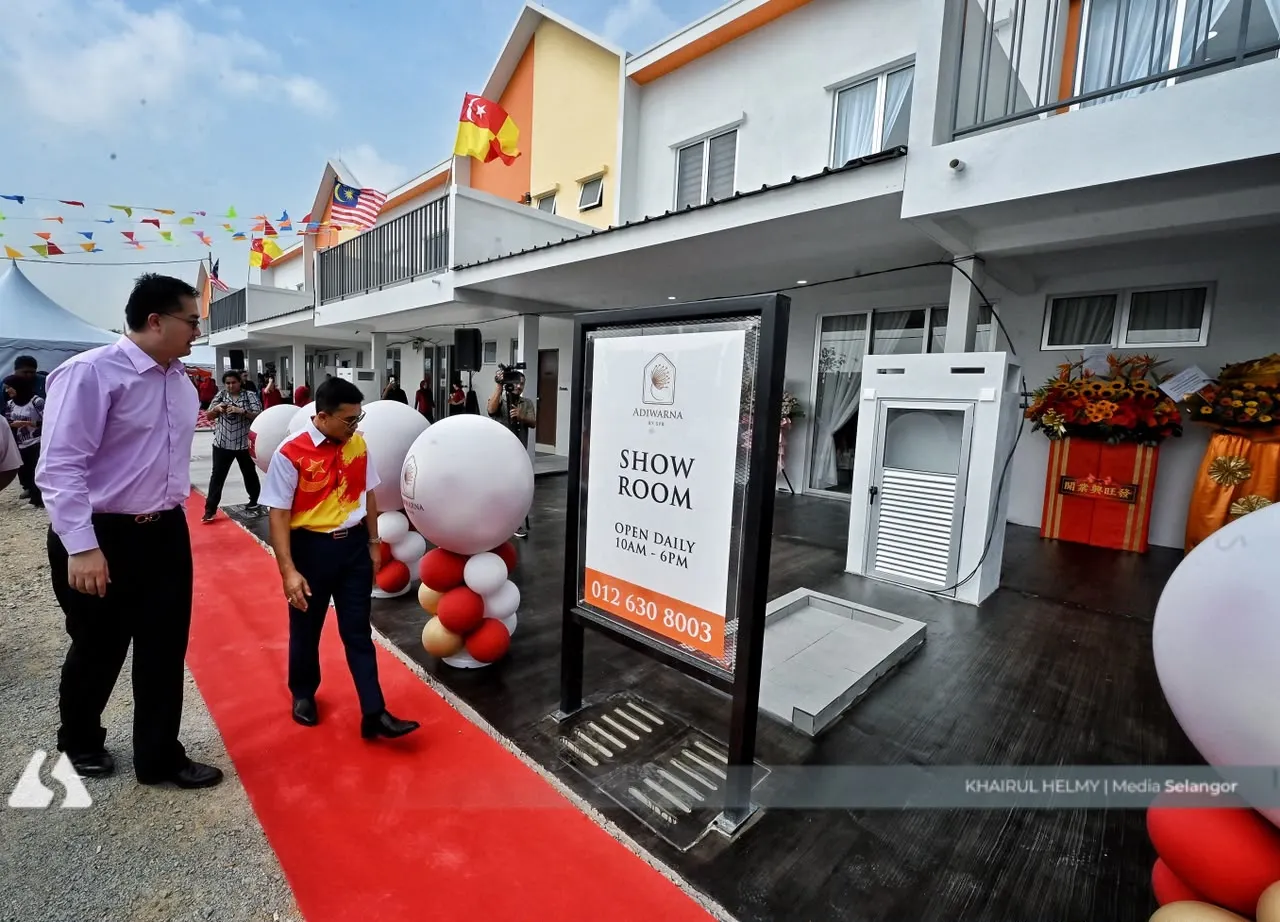
Areas such as housing and entrepreneur development could be prioritised to ensure that the needs of the younger generation are addressed more effectively.
“There are matters that can be brought to MMKN, particularly concerning youths, such as issues related to housing and entrepreneurship development, which could be handled more effectively.
“That said, for the time being, coordination with the federal government is thankfully already good. However, there are still areas that require improvement, such as the involvement of young people in high value agriculture,” he said.
Meanwhile, Batu Tiga state assemblyman Danial Al-Rashid Haron expressed his hope that the state government will implement more effective youth development programmes, rather than focusing solely on the provision of infrastructure.
Youths require more development initiatives that can enhance their personal potential, alongside support to cope with the pressures of the cost of living.
“We do not just want futsal courts; we want development programs for the youth. Furthermore, I hope attention will be given to the cost of living, even though this falls under the federal government’s agenda.
“I also hope to see the reinstatement of initiatives specifically for the youth much like the ‘MamaKerja’ programme, which is tailored for women,” he said.