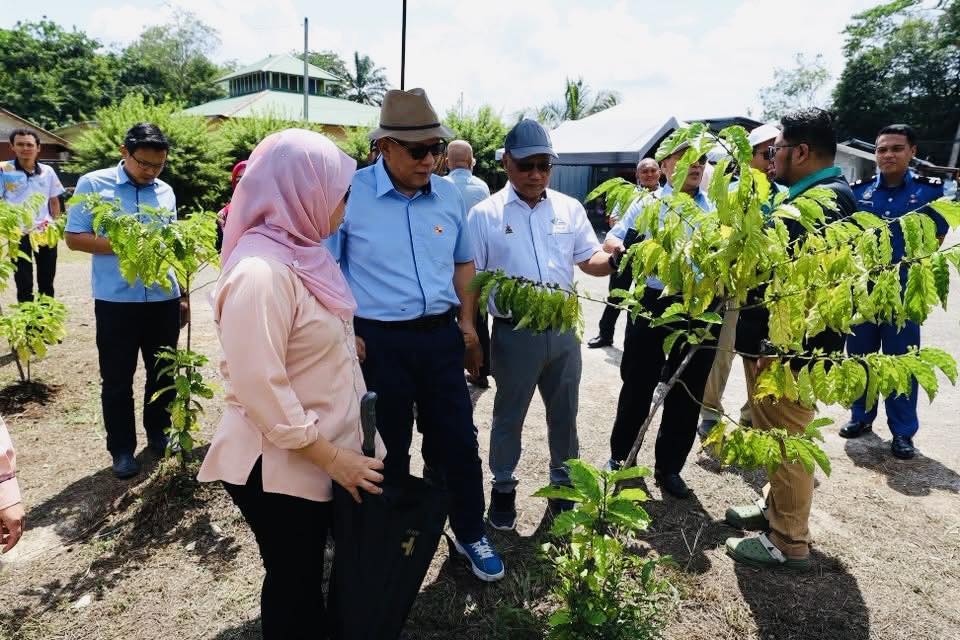
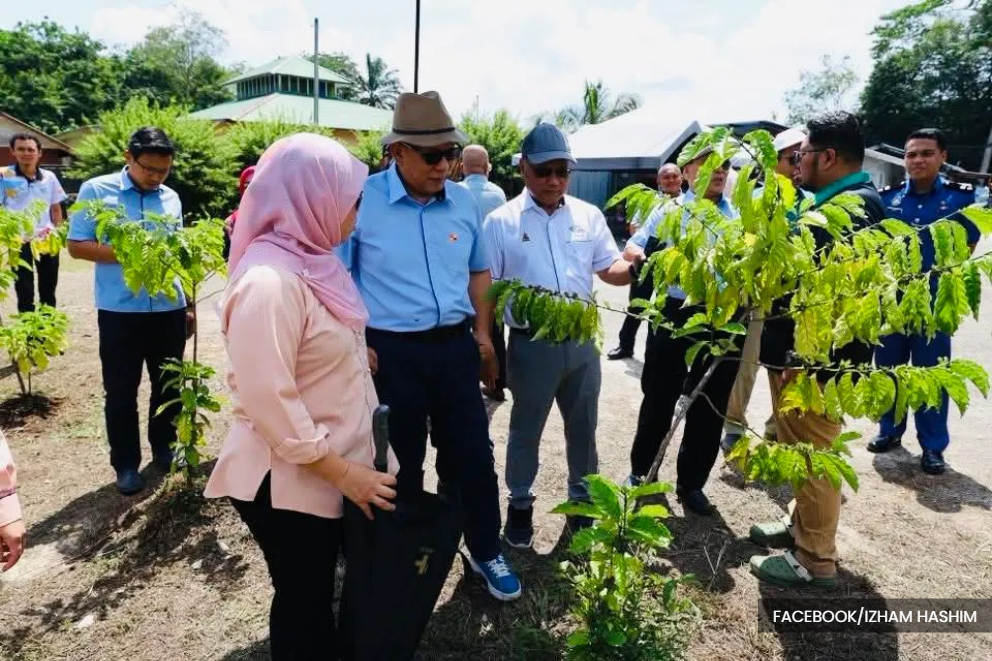
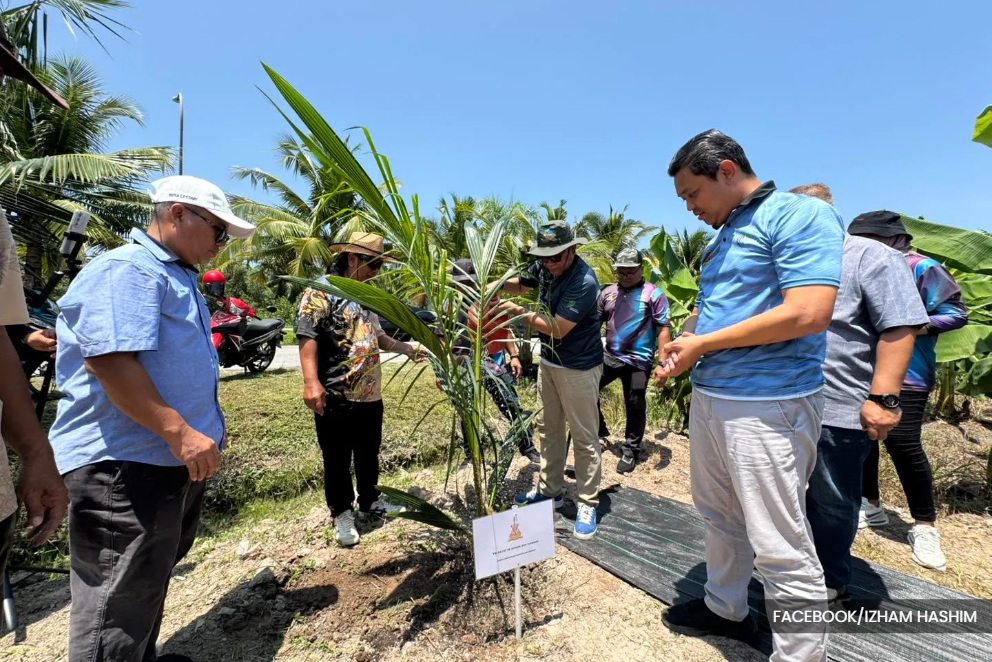
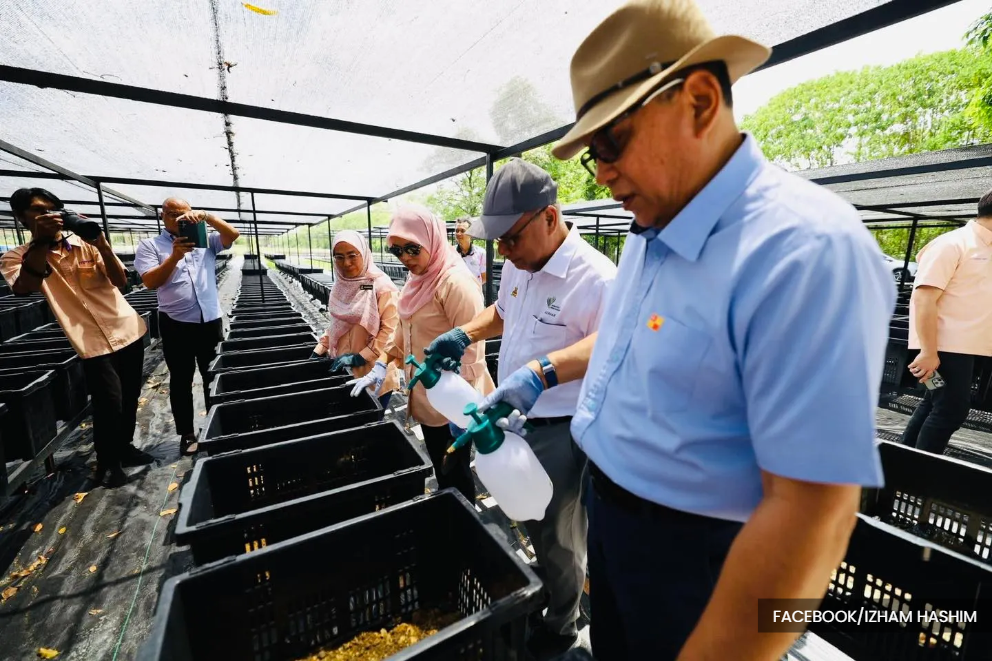
SHAH ALAM, Jan 12 — Selangor is expanding its community garden programme to strengthen food security and promote urban agriculture, especially in densely populated areas, The Star reported.
State executive councillor for agriculture Datuk Izham Hashim said the initiative aligns with the Selangor Agro Transformation Plan (PeTA), which aims to secure the food supply chain “from seed and breeding to marketing”, while improving productivity and farmers’ incomes.
“Community gardens encourage residents to produce their own food while strengthening neighbourly bonds,” he told the English daily.
He added that the initiative also helps reduce reliance on external food sources.
As of last year, Selangor recorded 391 registered community gardens monitored by local councils and the Selangor Agriculture Department, with 86 per cent located in urban areas.
To support these efforts, the state allocated RM1.295 million to assist 150 community gardens through the provision of seeds, tools, and equipment.
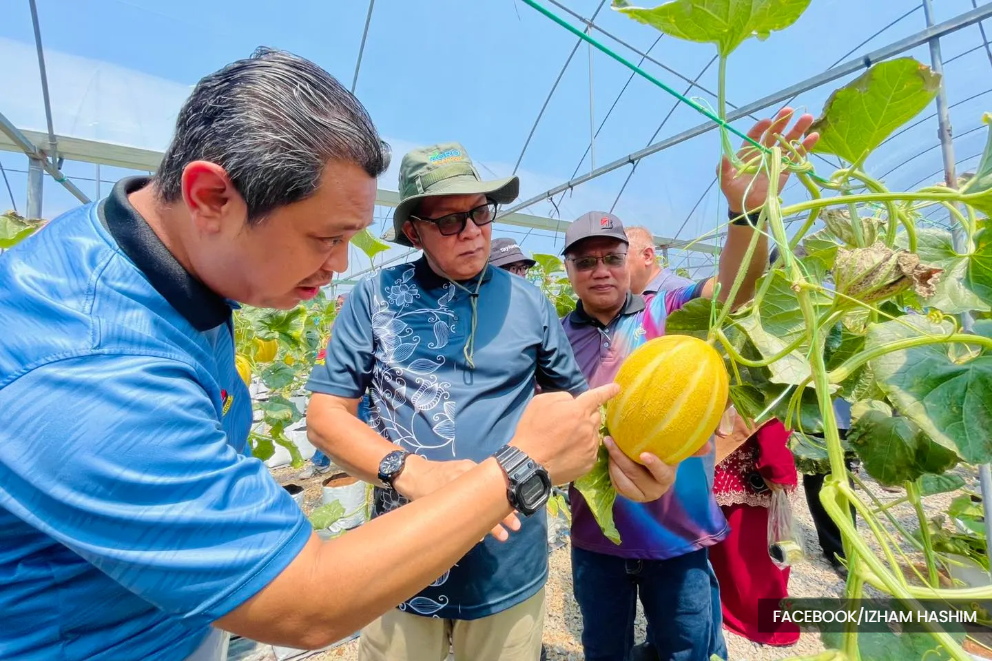
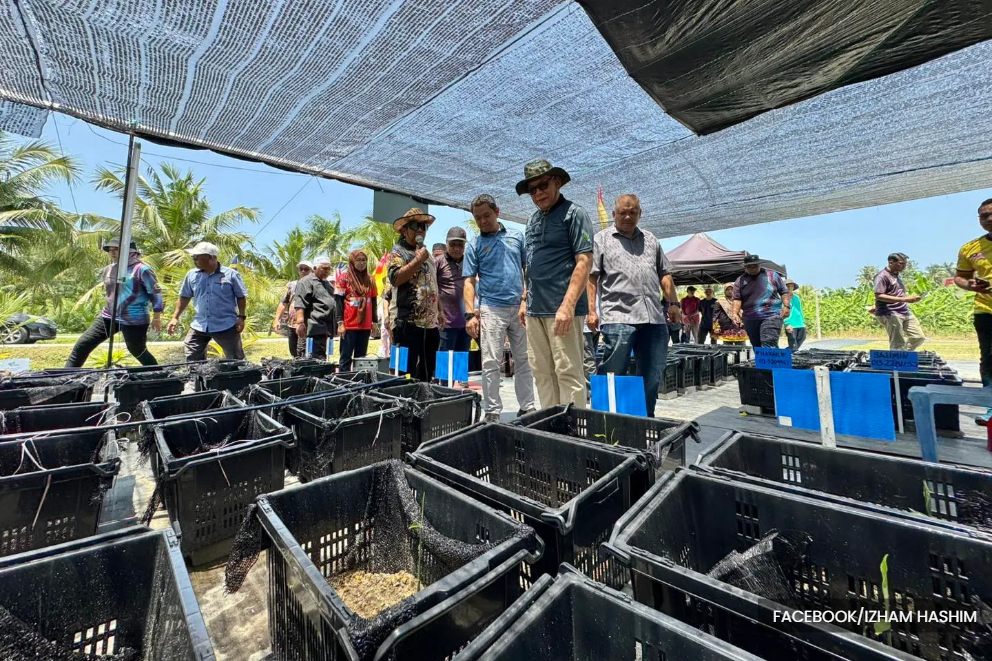
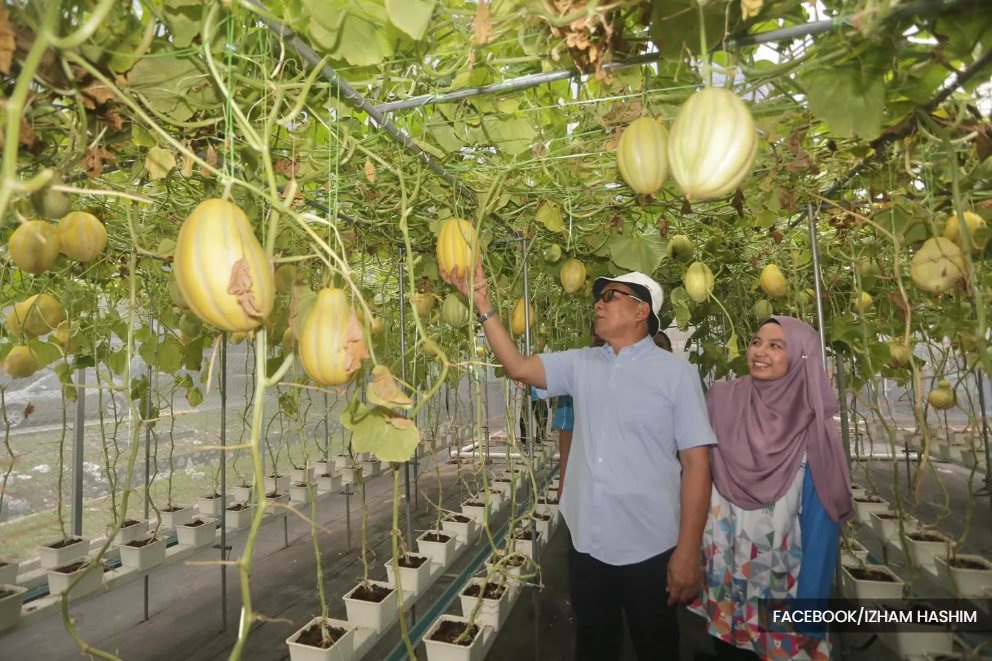
Izham said the department has also constructed 13 rain-shelter systems under the Melon Selangor (MeloSel) programme to support the cultivation of high-value melons at the community level.
Residents of flats and public housing projects (PPRs) are encouraged to apply to start community gardens, provided suitable land is identified and projects are registered with local authorities.
“The government is open to assisting any community that wants to begin urban farming,” Izham said, adding the PeTA programme also involves educational institutions.
He cited a successful example in Shah Alam, where students from Universiti Teknologi Mara’s Kolej Melati are running an aquaponics project combining tilapia farming with leafy vegetable cultivation.
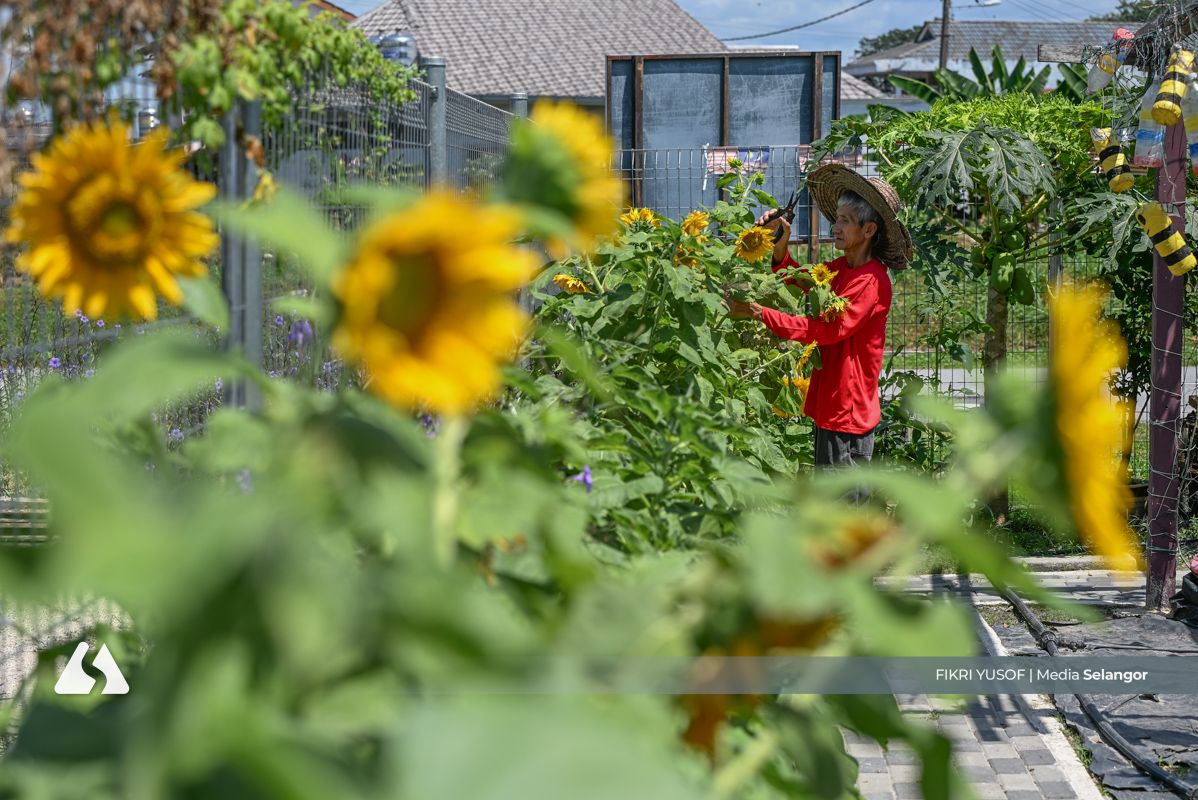
Izham also cited the Jalan Tuntung Community Garden in Section 20, Shah Alam, as a successful model. The garden is managed largely by retirees, which has been recognised nationally for its organisation and productivity, and has won multiple state-level community garden competitions.
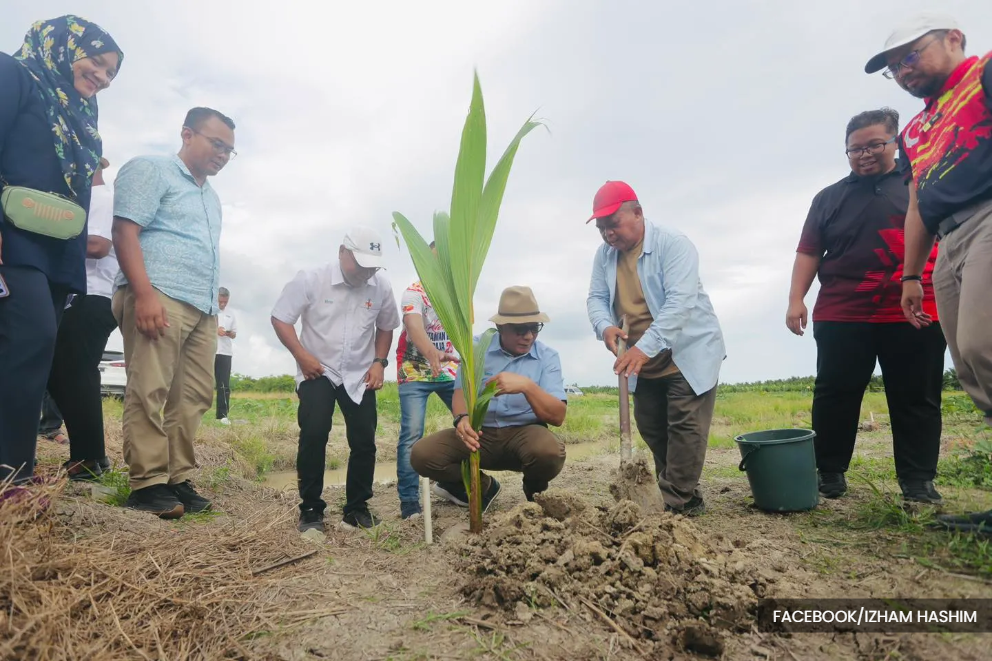
To further support the initiative, several local councils have also introduced competitions to recognise active community gardens, including Klang’s Green Circular Economy (Community Garden) contest.
Izham said the state is planning a Selangor-wide competition and periodic community produce markets to help gardens promote their harvests.
“Even a small garden behind a flat can make a big difference. It improves the environment, builds community spirit and contributes to our food security goals,” he said.
He acknowledged challenges faced by community gardens, including limited space, funding and manpower, especially in high-density residential areas.
“We are studying modern, compact agricultural systems requiring less land but produce higher returns,” he said.