KUALA LUMPUR, Oct 17 — Indonesia’s proposed downgrade from emerging market to standalone status by global index provider MSCI presents an opportunity for Selangor to attract investors reconsidering their regional investment strategies, said Invest Selangor Bhd chief executive officer Dato’ Hasan Azhari Idris.
He said this is given Selangor’s competitive advantages, including established infrastructure, industrial ecosystem and skilled workforce.
“We believe every country has its own strengths, and Malaysia has its own distinct advantages, including its infrastructure, connectivity, road networks, industrial areas and talent availability, supported by skills training institutions and higher learning institutions.
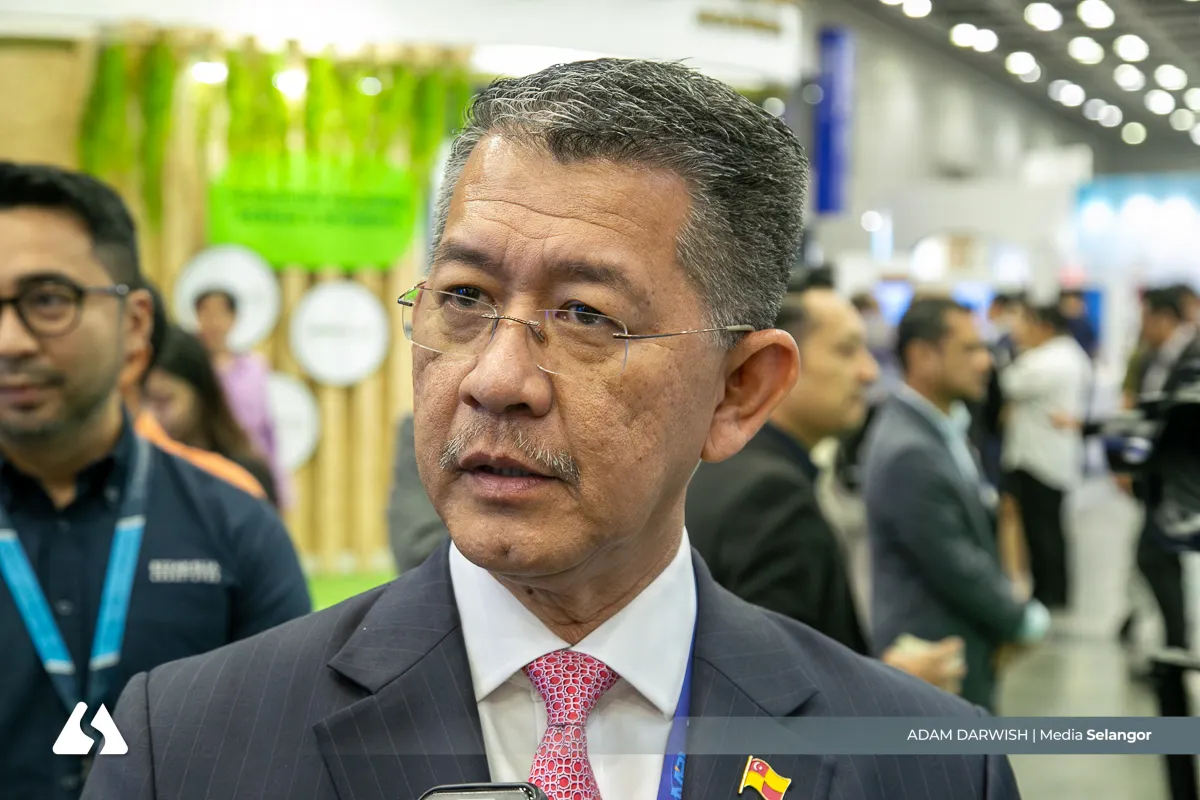
“(Selangor’s) ecosystem is almost complete when it comes to attracting investments,” he told Media Selangor after the Selangor International Business Summit (SIBS) closing ceremony at Kuala Lumpur Convention Centre today.
“One of our advantages that many people may not realise is our talent’s ability to communicate in English, which sets us apart from other ASEAN countries.”
MSCI yesterday announced it would remove Indonesia from its suite of emerging market indices, saying it is no longer worthy of the status and citing concerns over the investability of the country’s equity market.
The benchmark stock index, already the world’s worst performer this year, closed down 11.57 per cent, in its biggest single-day drop since January 1998.
The rupiah slid as much as 0.8 per cent to 18,070 to the US dollar, its weakest since late July, but it has since recovered some ground.
MSCI cited insufficient reforms to tackle the problems and said even a downgrade to frontier status would not reflect the severity of the issues. It proposed instead to move beyond that to standalone status.
The lower standalone status would exclude Indonesian stocks from global indices tracked by billions of dollars in passive investment, forcing funds that follow, or are ranked against, the indexes, to sell.
Financial services provided UBS estimated such a move could trigger about US$4 billion of passive outflows from Indonesia, with active investors potentially adding further US$15 billion in outflow.