
KUALA LUMPUR, Oct 15 — The Advanced Semiconductor Academy of Malaysia (ASEM) has trained 850 engineers, all of whom have secured jobs with expected salaries exceeding RM5,000, said state executive councillor for investment, trade and mobility Ng Sze Han.
He said the achievement reflected Selangor’s efforts to develop skilled talent to support the growth of the semiconductor industry.
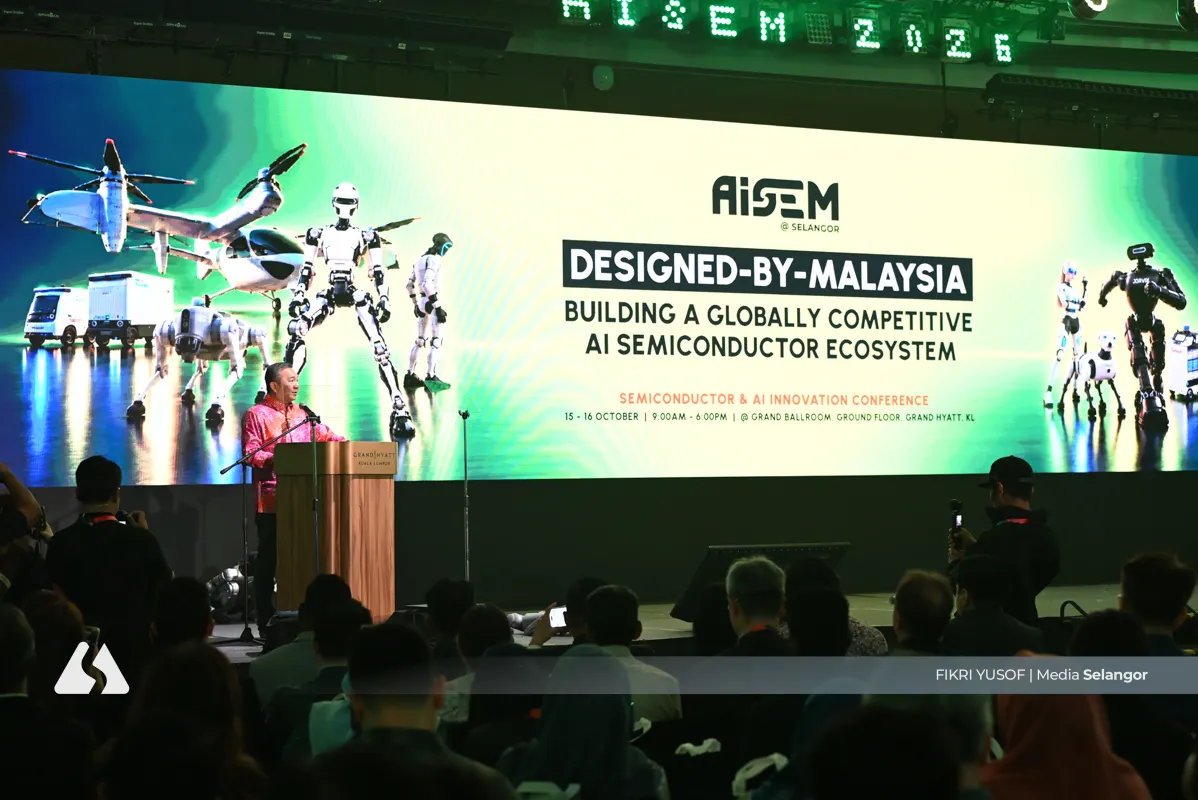
“A total of 850 engineers trained through the National Semiconductor Excellence Programme (NSEP) and Global Semiconductor Excellence Programme (GSEP) have 100 per cent job placements and expected salary above RM5,000,” he said in his remarks at the opening ceremony of the Selangor AI & Semiconductor Summit (AiSEM) at Grand Hyatt Kuala Lumpur today.
ASEM, formerly known as AI Nusantara, is a state-driven initiative to serve as the primary talent engine for Malaysia’s semiconductor industry.
Ng said Selangor is strengthening its semiconductor ecosystem through the development of talent, access to capital and infrastructure.
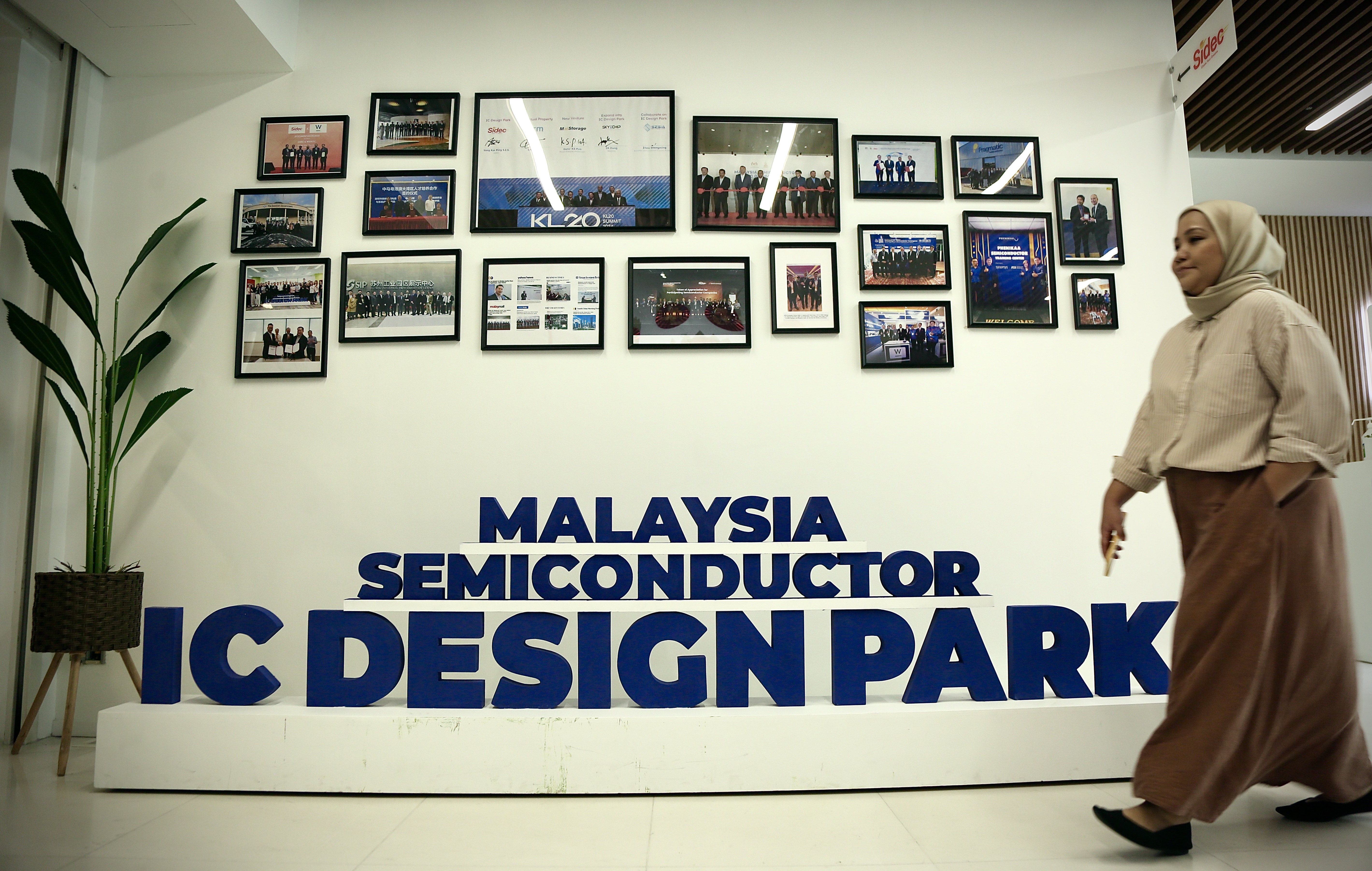
“Our Integrated Circuit (IC) Design Parks 1 and 2 now host 20 companies and 409 engineers, exceeding the 400 engineers target set for this year.”
He reiterated that Selangor would contribute RM50 million to the National Strategic Investment Fund, joining Khazanah Nasional Bhd and the Penang government in the RM150 million initiative to accelerate the growth of Malaysian semiconductor and advanced technology companies.
On claims that Selangor is competing with Penang in the semiconductor industry, Ng said the two states focus on different segments while complementing each other’s strengths.
"Selangor and Penang are forever good teammates. Penang leads in manufacturing, assembly and testing. Selangor leads in front-end IC design and chip innovations.
“Together, the National Semiconductor Strategy will build Malaysia’s chip companies that (can) compete globally,” he said.
Meanwhile, Deputy Investment, Trade and Industry Minister Liew Chin Tong said it is time Malaysia move beyond manufacturing for multinational companies towards developing and designing its own semiconductor technology.
“We want to see Malaysia moving from ‘Made in Malaysia’ to ‘Made by Malaysia’,” he said.
He stressed the importance of creating better-paying jobs to retain skilled Malaysians and encourage those working abroad to come home.
“Malaysia never had a talent problem; Malaysia only has a pay problem,” he said.
Liew added that greater cooperation between states, industries and the federal government is essential to strengthen Malaysia’s semiconductor ecosystem and help local companies compete internationally.