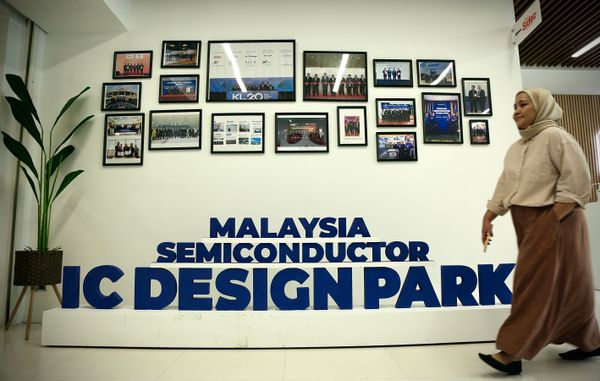
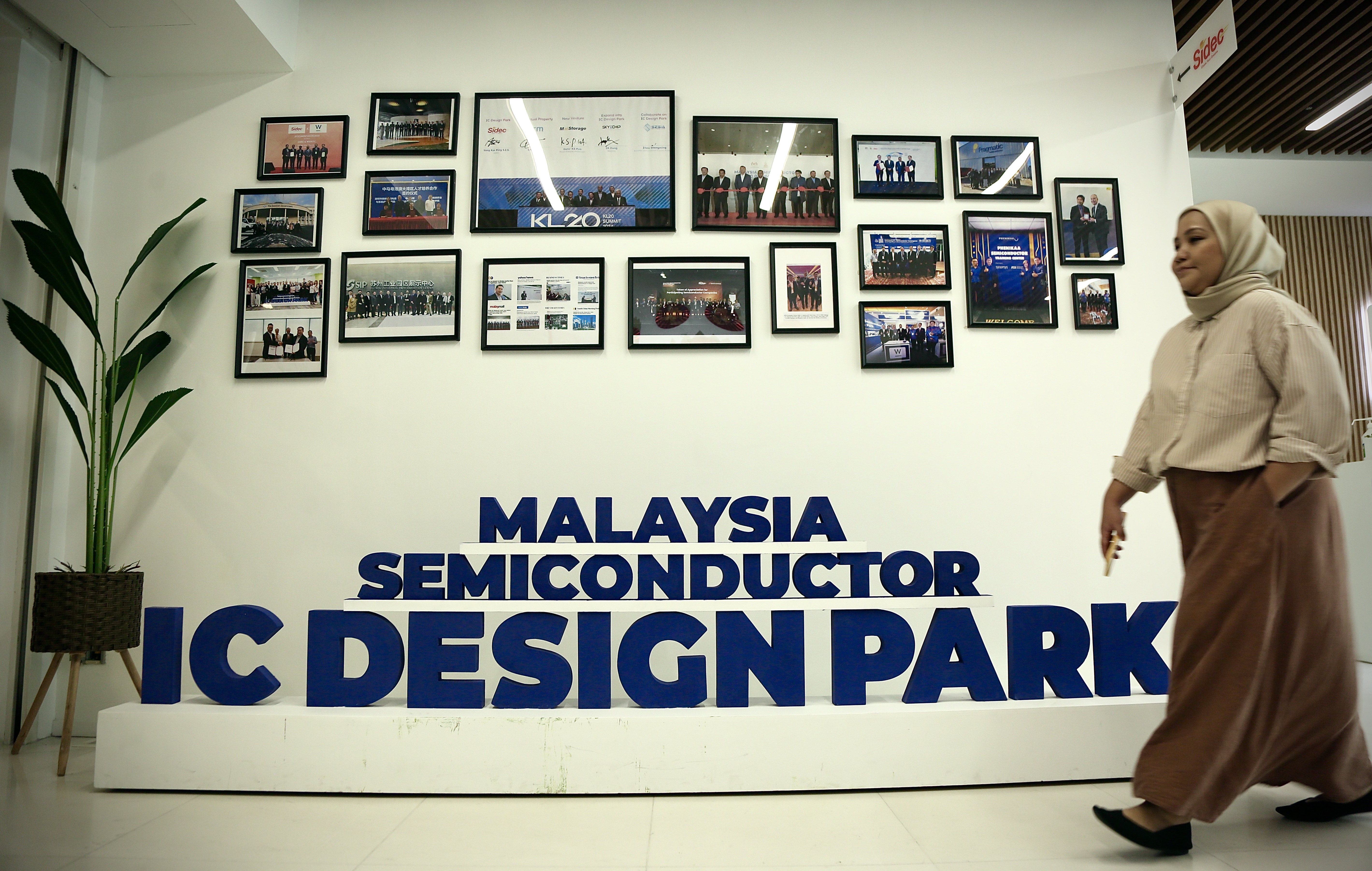
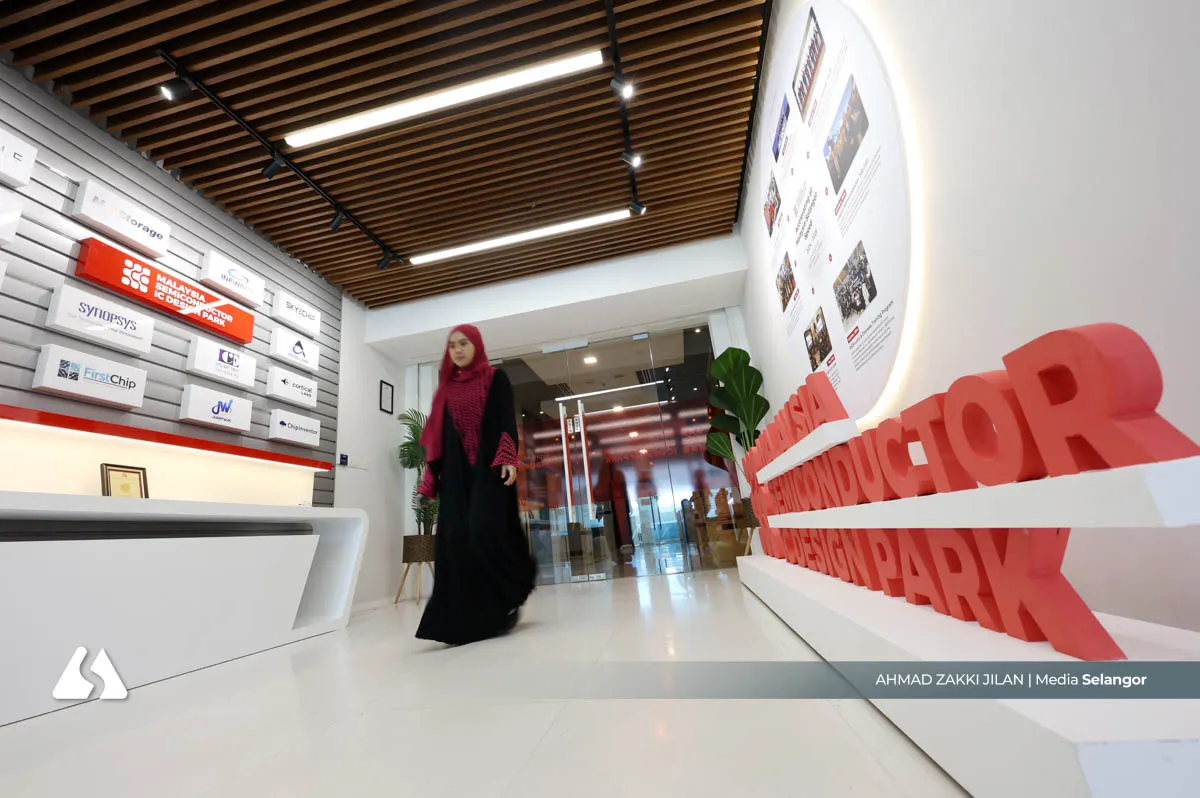
PUCHONG, July 28 — The Malaysia Semiconductor IC Design Park in Puchong, Selangor was never intended to be merely a physical development, but a comprehensive ecosystem to nurture semiconductor talent, create high paying jobs, and strengthen front-end chip design capabilities.
State executive councillor for investment, trade, and mobility Ng Sze Han said the park is designed to support engineers throughout their careers, from training and employment to product development and continuous upskilling, without having to leave the ecosystem.
This enables engineers to train, secure employment, develop real products, and continue learning while contributing to the next generation of technology.
"When we set out to build the IC Design Park, our focus was never just to put up buildings. Our focus was to build a living ecosystem for the engineers who come through these doors.
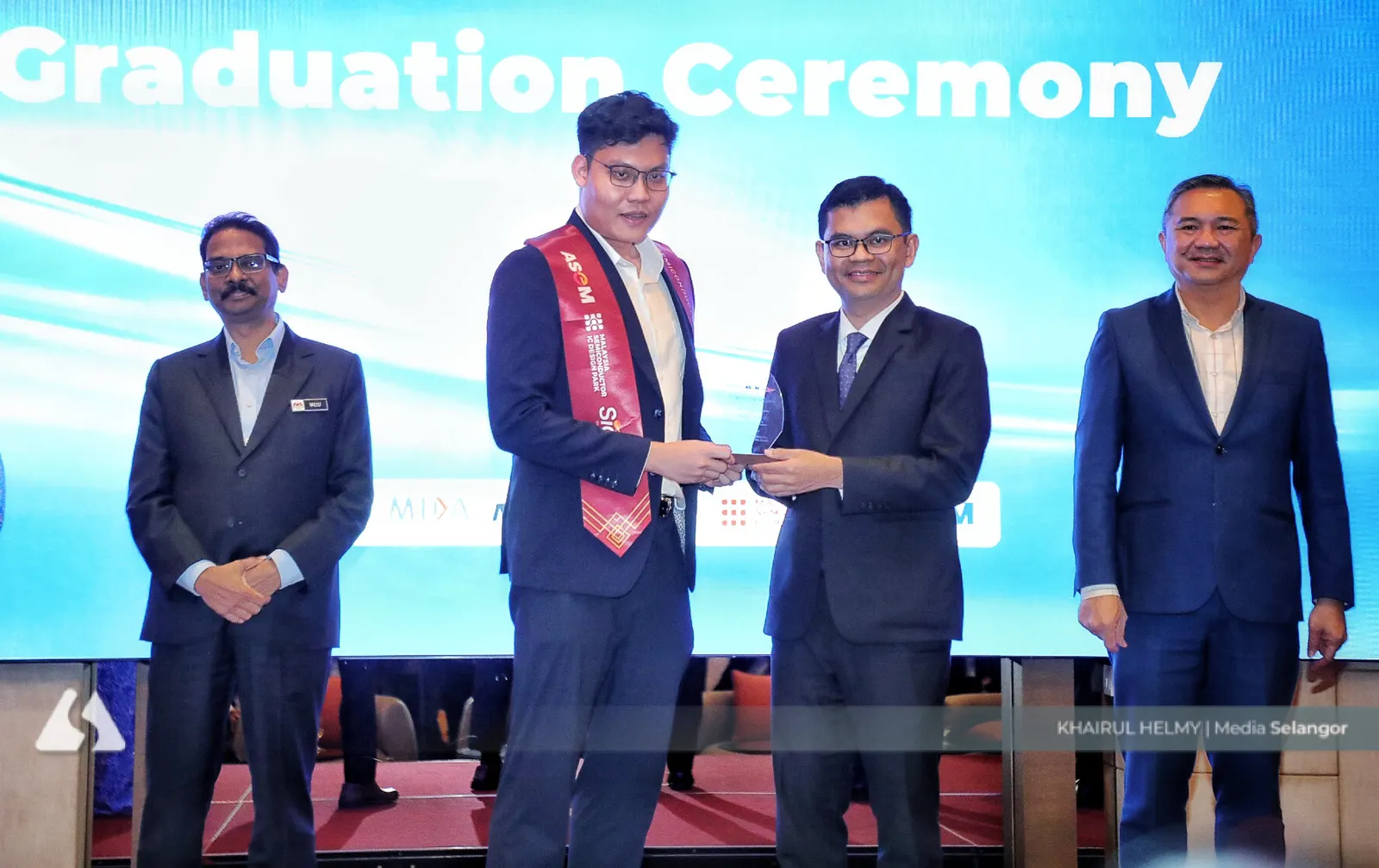
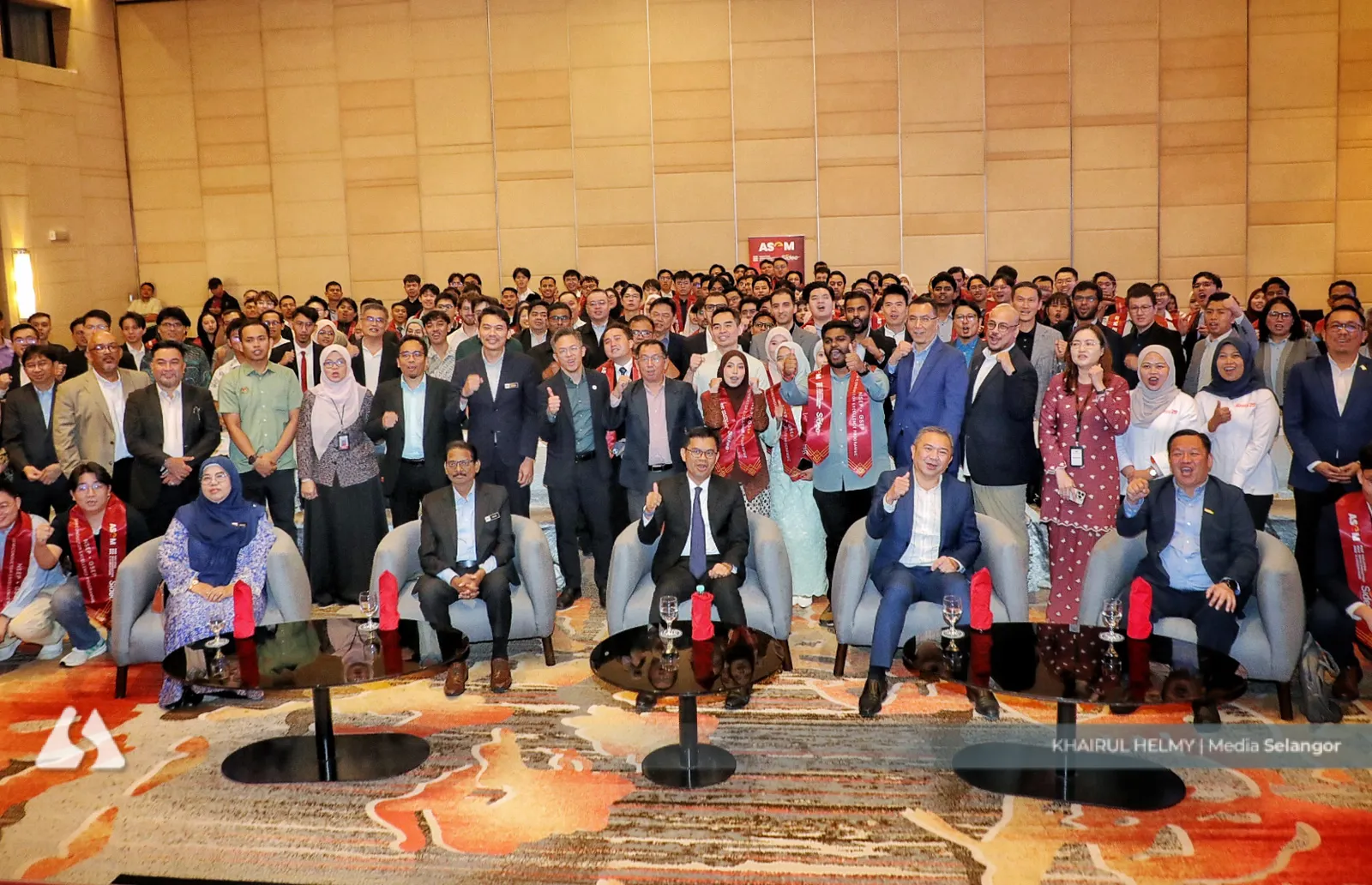
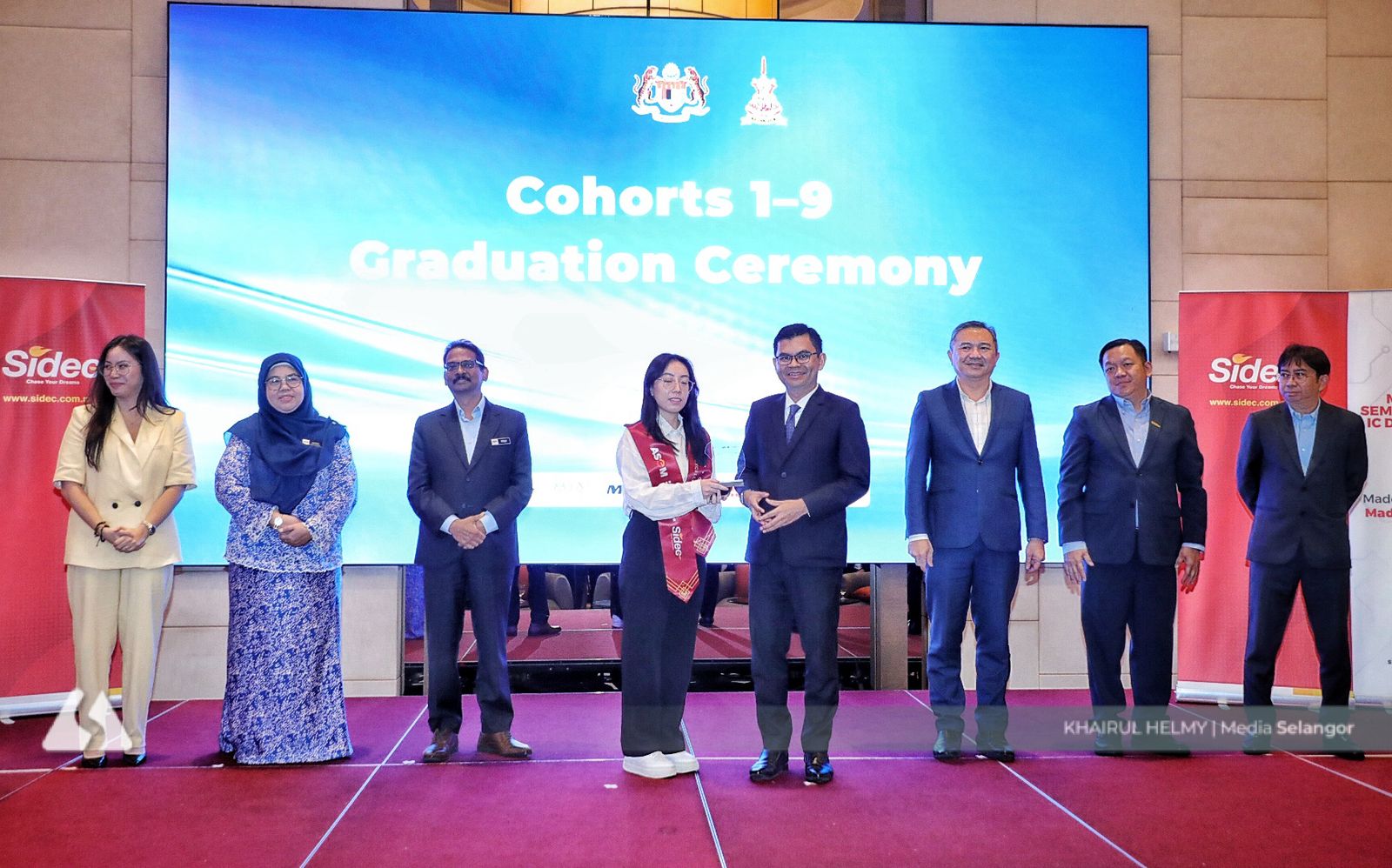
"A place where they can train, get hired, ship real products, keep learning and eventually help build the next frontier of technology, all without ever having to leave this ecosystem," he said during the Malaysian IC Design Talents Graduation and Appreciation Ceremony, held in conjunction with the Arm Flexible Access (AFA) briefing at the Four Points by Sheraton Hotel today.
Ng added that the IC Design Park ecosystem has trained 850 engineers over the past two years, with the trainees securing either on-the-job training placements or permanent employment.
Companies operating within the ecosystem have also directly hired 400 fresh engineers, with graduates earning starting salaries of about RM5,000 a month.
The ecosystem is supported by more than 100 local and international university partners, while 50 lecturers have been upskilled through its programmes.
It is also backed by the RM100 million Ehsan Semiconductor Fund that was established in November 2025 to support semiconductor companies within the ecosystem.
He said the IC Design Park currently houses 18 companies, with two more expected to join, while its engineering workforce is projected to increase from the current 380 to about 520 engineers, surpassing its original target of 450 engineers by 2026.
"Every engineer who enters is finding a place to land, a company to grow with and a wage that lets them build a life around this work.
"This is what a living ecosystem looks like from the inside. Not just training and document approvals, but engineers seeing their own work reach the market,” Ng said.
The IC Design Park in Puchong was launched in August 2024, while a second facility in Cyberjaya opened in November 2025.

Next generation of IC designers
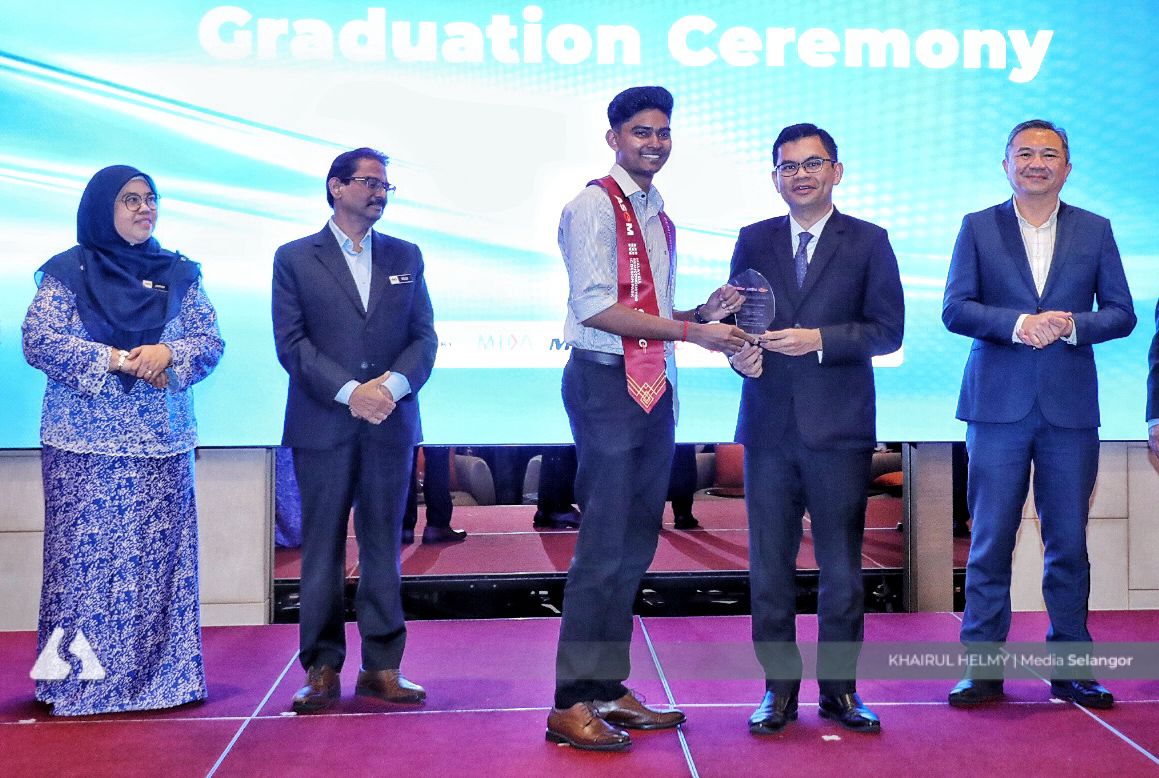
During the Malaysian Talents Graduation and Appreciation Ceremony, 454 participants were recognised for completing IC design training under the Advanced Semiconductor Academy Malaysia (ASEM) across nine cohorts.
The graduates, comprising engineering undergraduates, fresh graduates, and working professionals, underwent specialised training in Digital IC Design, Analog IC Design, Embedded System Firmware, Embedded Internet of Things, and Artificial Intelligence Robotics to prepare them for careers in semiconductor and technology industries.
They were trained between February 2025 and June 2026 through the National Semiconductor Excellence Programme and the Global Semiconductor Exchange Programme, which together provided technical training, practical industry exposure, and international learning opportunities to strengthen Malaysia's semiconductor talent pipeline.
Ng noted that ASEM has now produced more than 723 alumni, partnered with over 10 global universities and research institutes and collaborated with more than 150 industry partners. Women also accounted for 28 per cent of its graduate engineers.
Today’s event also featured an AFA briefing by the Malaysian Investment Development Authority, which introduced local IC design companies and graduates to the programme.
It provides affordable early access to Arm's semiconductor intellectual property portfolio to accelerate chip development and lower barriers to innovation.
An AFA Token Application Clinic was also held to guide participating companies through the application process, helping them access design tools needed to develop homegrown semiconductor intellectual property and move Malaysia further up the semiconductor value chain.