
KUALA LUMPUR, Oct 15 — Selangor must adopt a more people-centric approach to public transport, prioritising reliable and integrated services that meet commuters' daily needs rather than focusing primarily on vehicles and traffic congestion.
Speaking at the Selangor Mobility Symposium, state executive councillor for investment, trade and mobility Ng Sze Han said urban and mobility planning in Selangor should address the entire commuter journey.
“The timing of this symposium could not be more perfect. Mobility is the ultimate enabler of both business growth and human productivity. While we all inherently understand this truth, we sometimes overlook just how critical it is to our daily lives and economy.
“Let me begin with a simple message: it is time to refocus our discussions on city planning around people, not just vehicles.
“For too long, our mobility discussions have focused heavily on private vehicles, road capacity and traffic congestion,” he said in his opening remarks at the symposium, held in conjunction with the Selangor International Business Summit (SIBS) 2026 at the Kuala Lumpur Convention Centre today.

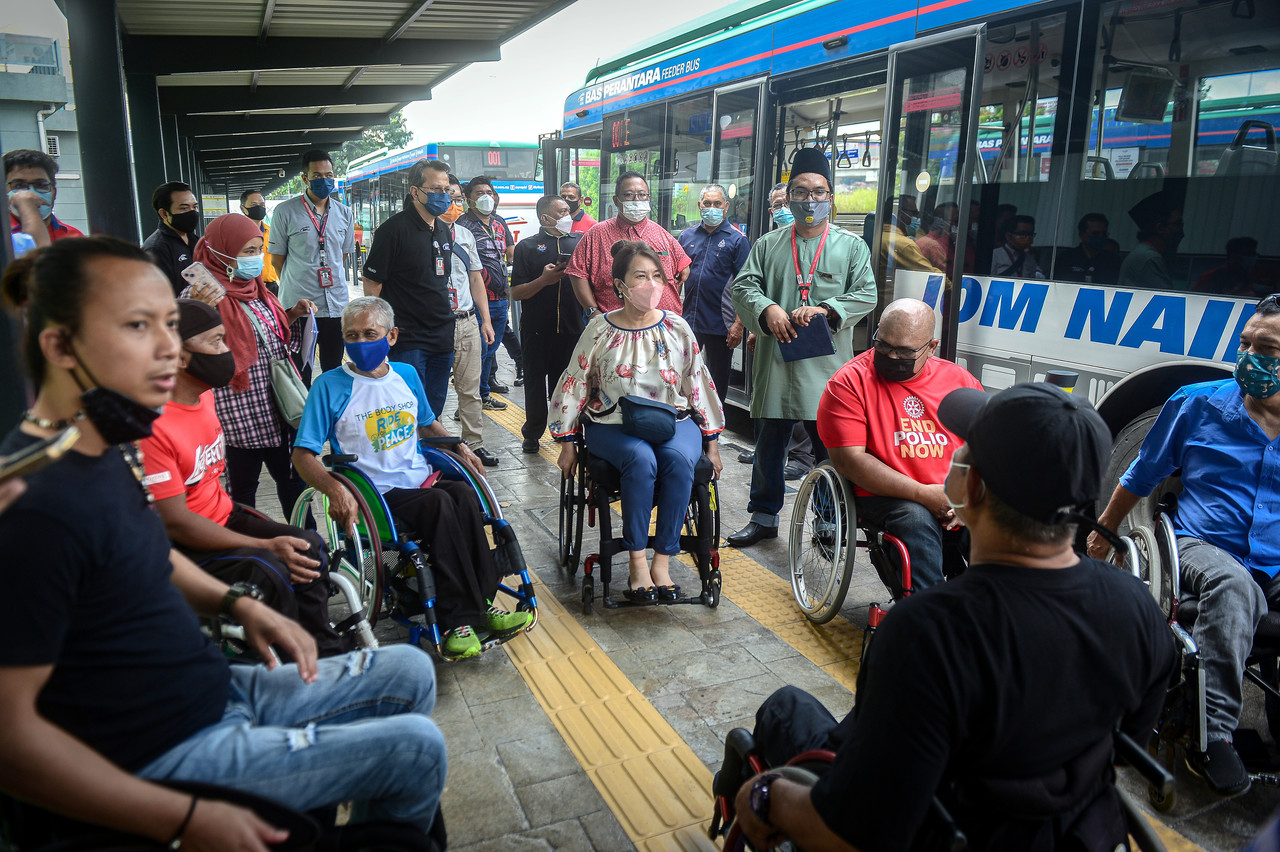
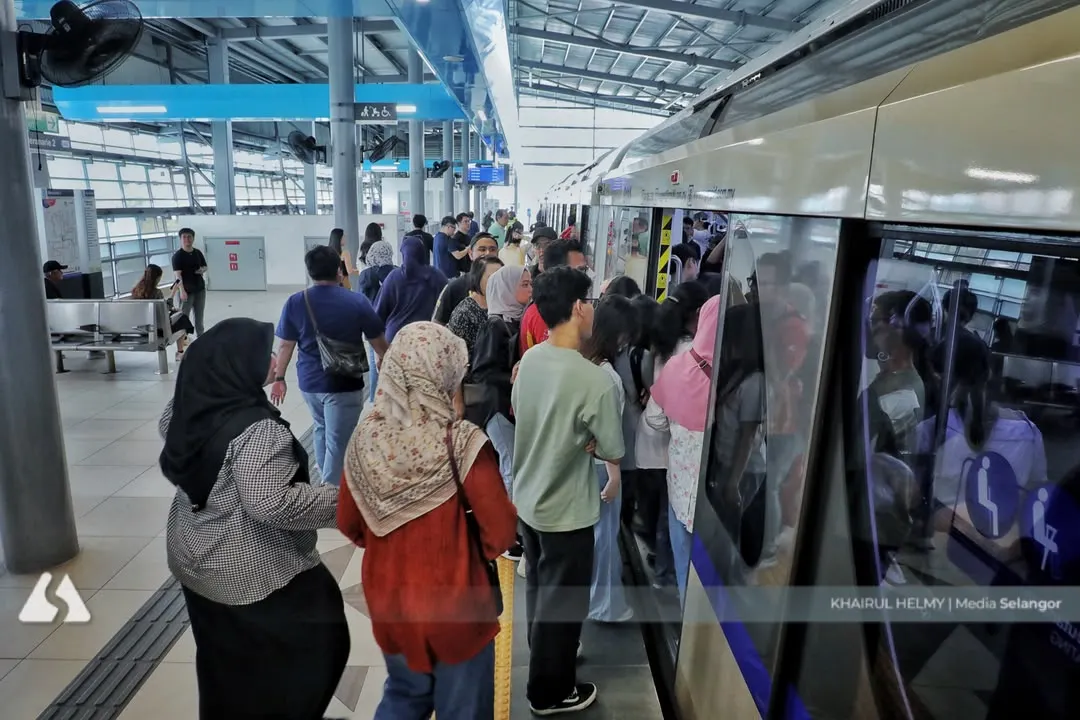
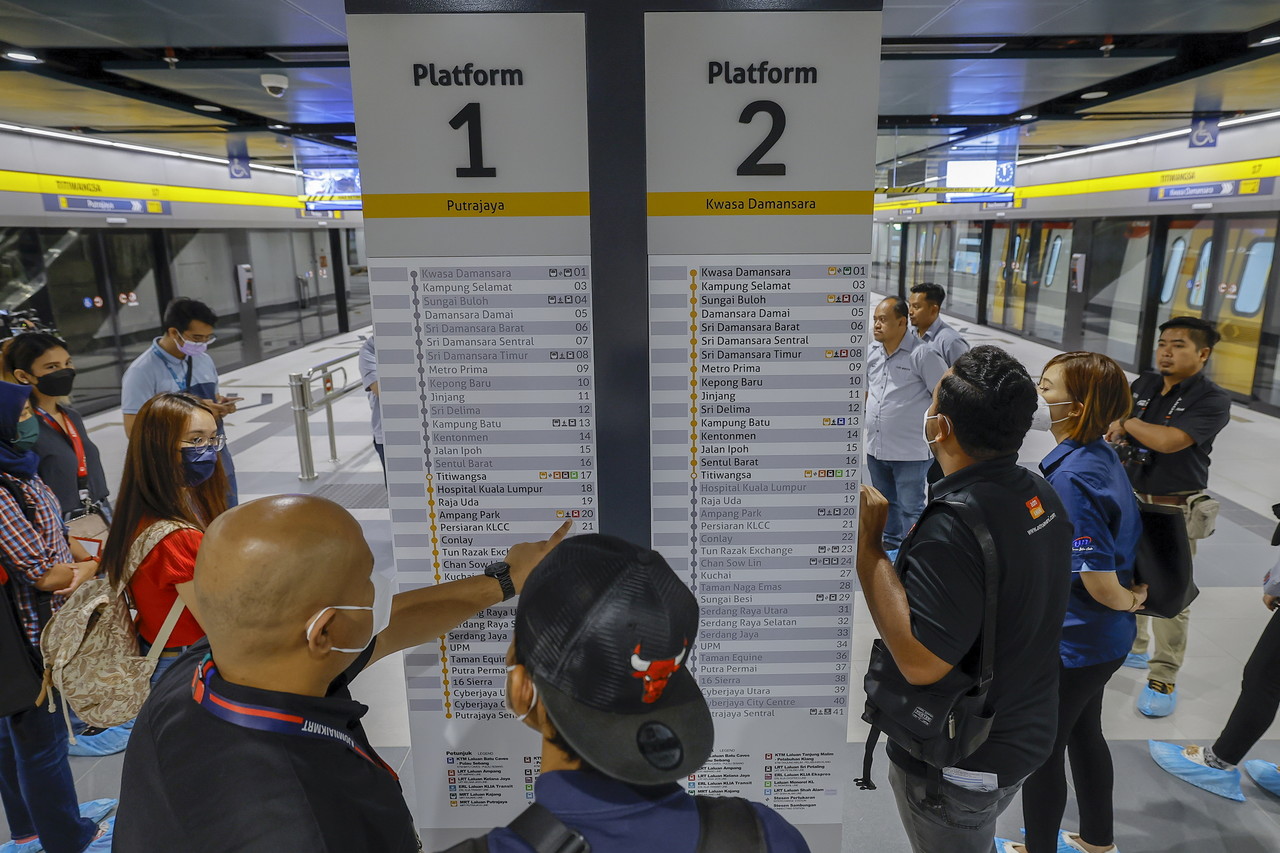
Ng said the focus should shift towards moving people efficiently, particularly in Selangor, by improving the entire commuting experience across different modes of transport, from buses and trains to walking to stations and waiting at bus stops.
“Malaysia has invested substantially in rail infrastructure, from the LRT to the MRT. Yet, for many commuters, the daily journey remains frustrating.
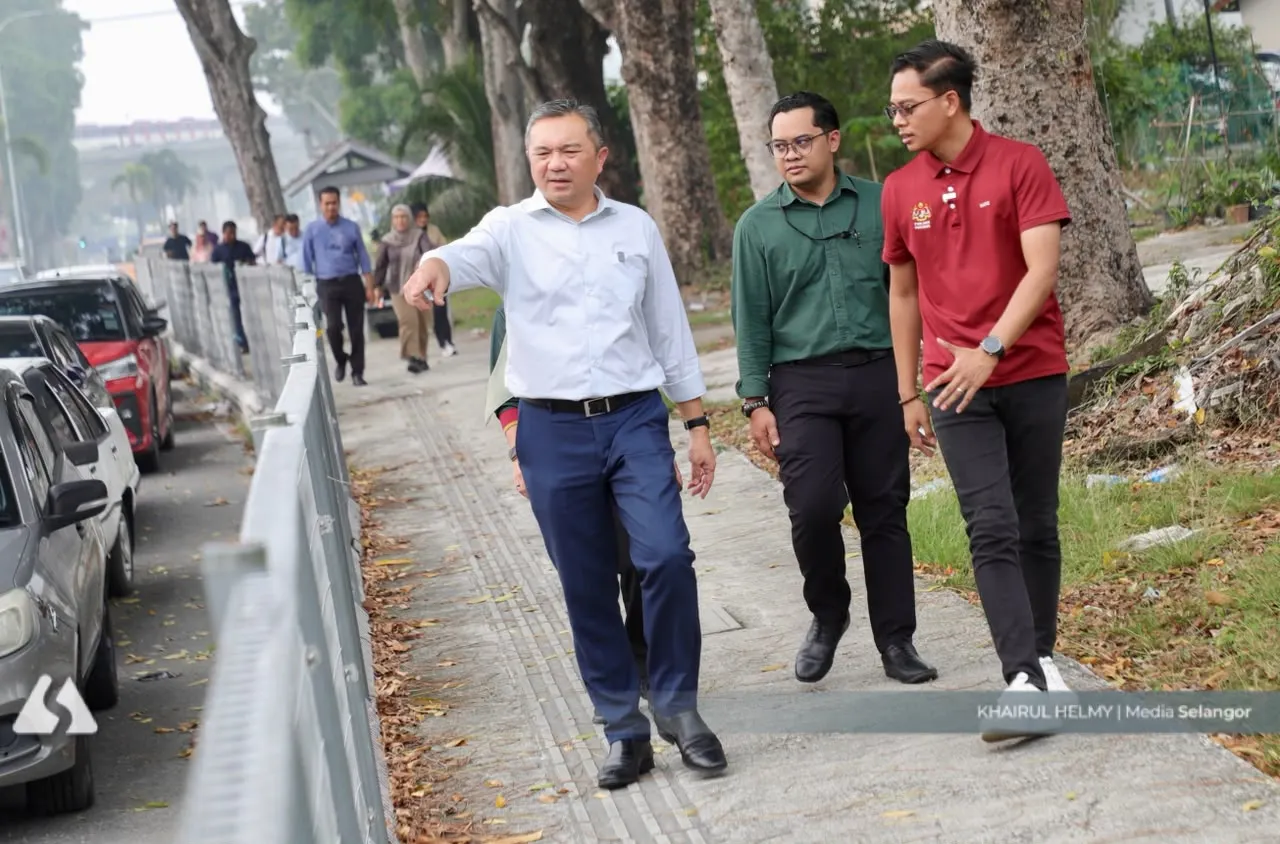
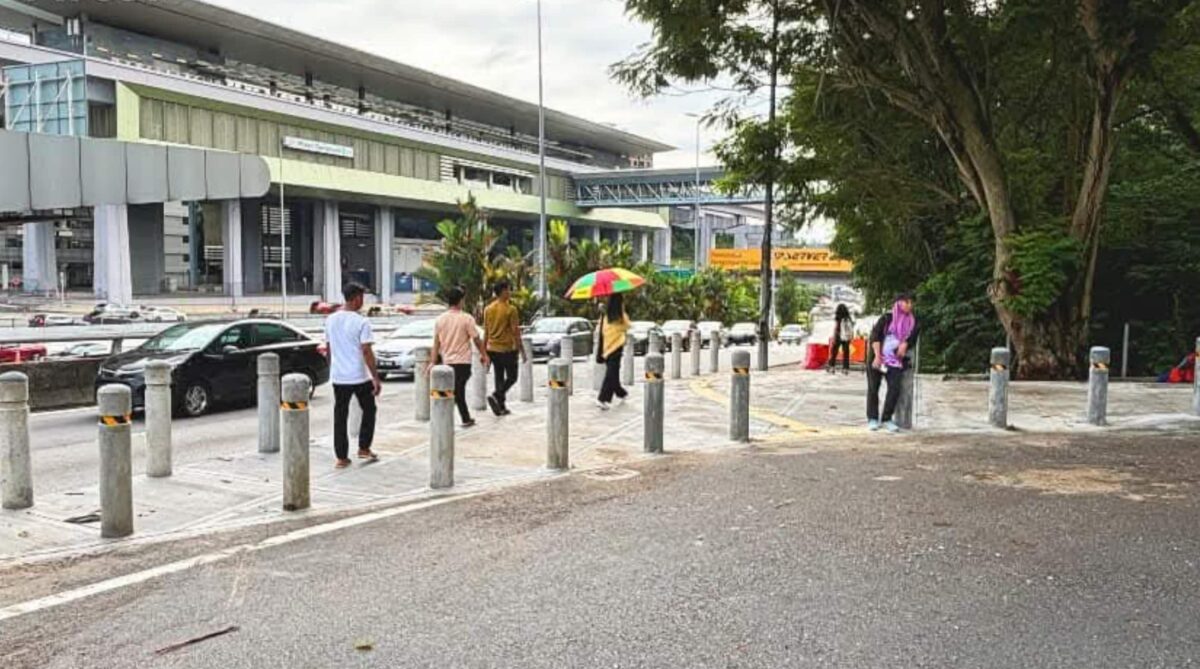
“Getting to a station, transferring between transport modes, finding a safe walking route or waiting for a reliable bus is still an ongoing challenge.
“Thus, the question isn’t just how we move vehicles more efficiently, but how we make the entire journey work for people, especially for public transportation.”
Ng added that coordination remained one of the main challenges faced by both federal and state governments, stressing that responsibility should be shared among all stakeholders, including local authorities, government agencies and transport operators.
He also acknowledged that achieving integrated mobility would be complex, requiring patience, coordination and sustained cooperation among stakeholders.

Vision for integrated mobility
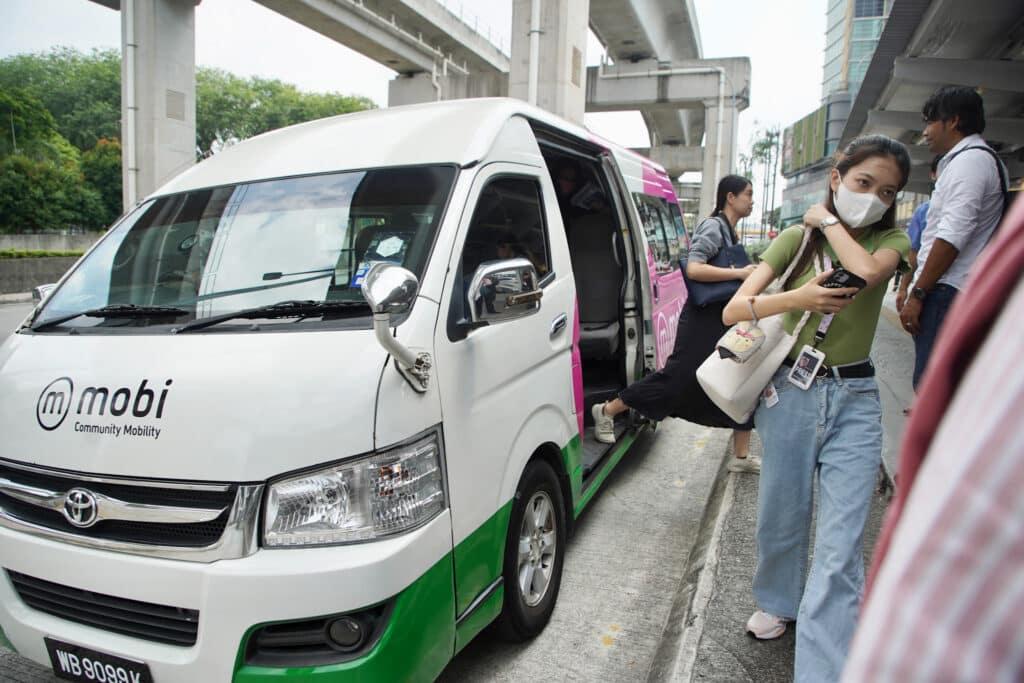
To address these challenges, Ng said Selangor needed to connect different modes of transport, including buses, rail and on-demand services, to provide commuters with seamless journeys from their starting points to their destinations.
“Today, a passenger planning one trip across bus, rail and on-demand services still has to piece it together from several sources, each covering only part of the network. No single source tells them how to get from their doorstep to their destination across all the services they use.
“What Selangor should do about that, from a commuter perspective, is a question I want us to answer together. We cannot achieve integrated mobility if our planning, data, information and delivery remain fragmented.”
Ng said the symposium was important as it brought together international public transport experts and organisations to share insights on how Selangor could improve its transport network and adopt solutions suited to its needs rather than simply replicate approaches used in other cities.
Speakers at the symposium included representatives from the Institute for Transportation and Development Policy (ITDP) Indonesia, Arup Hong Kong, TransJakarta and the International Association of Public Transport (UITP).