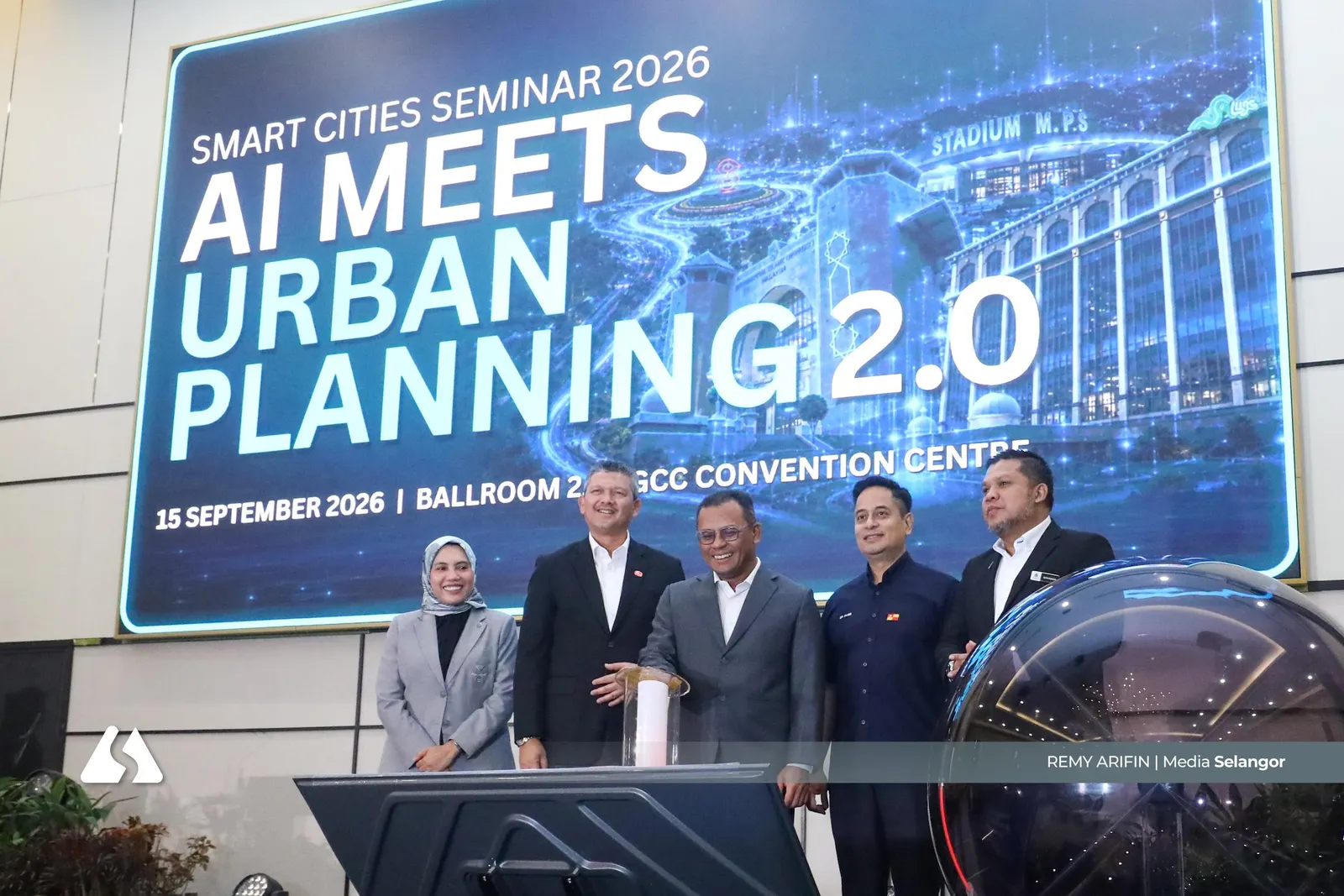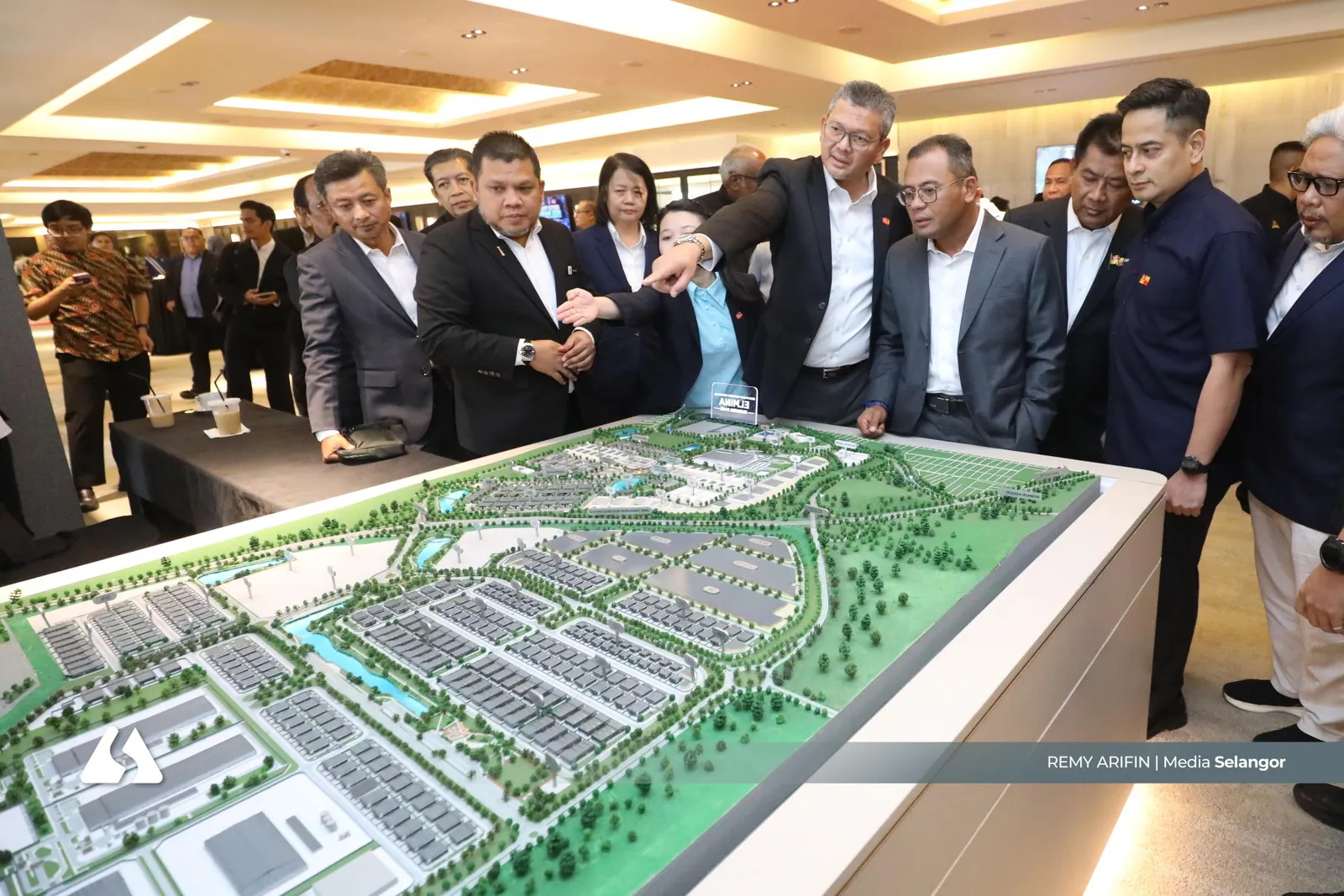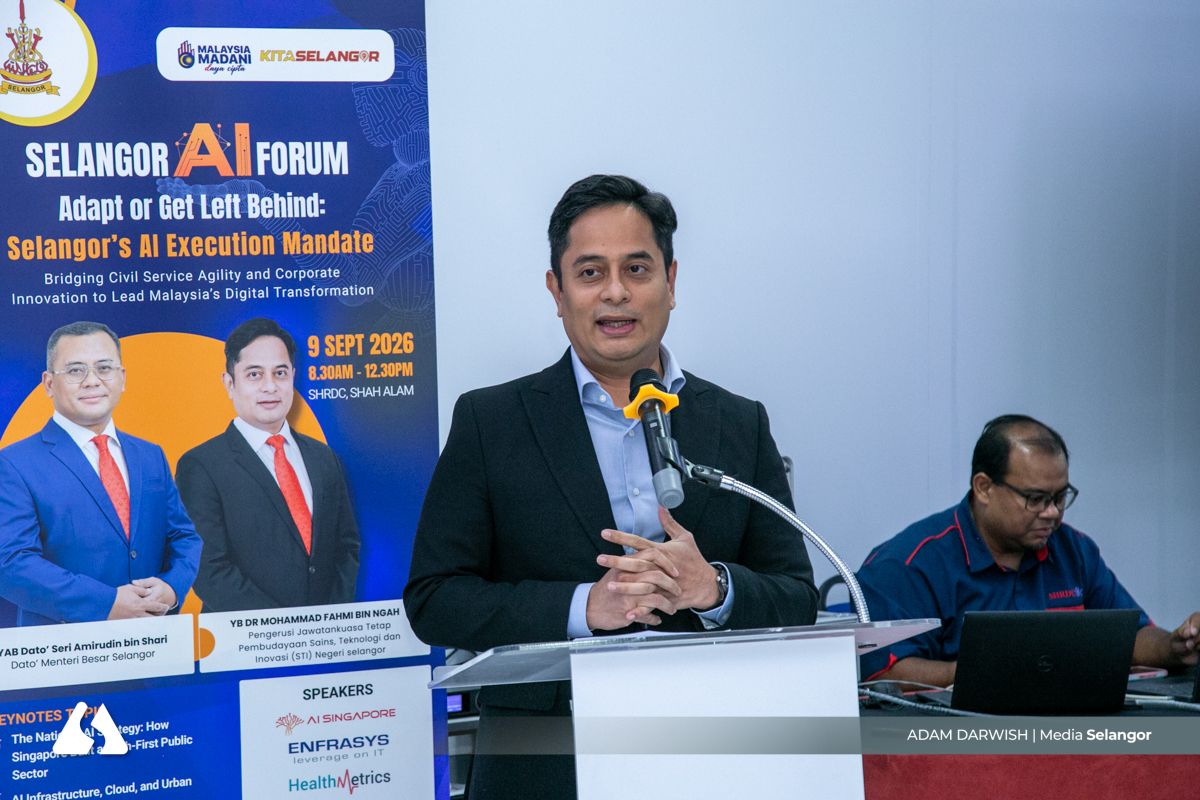

KUALA LUMPUR, Sept 16 – The industrial sector must also play a role in ensuring the agenda to expand smart city implementation as such efforts should not rely solely on the government.
Malaysia Smart Cities Alliance (MSCA) chairman Ts Dr Raslan Ahmad said the expansion of smart cities should involve the industrial sector.
Raslan said the industrial sector can contribute in various areas, including infrastructure provision, technology, financing, technical services, and talent development.
However, he noted that the industry faces challenges such as inconsistent policies and governance across different agencies and levels of government which can hinder coordination efforts.
Raslan cited reliance on government allocations and limited access to alternative financing sources as constraints in expanding smart city projects.
He explained that scaling up pilot projects to the city-wide level is difficult due to the presence of legacy systems, integration issues, and interoperability challenges arising from differing technologies.
"Another challenge is how to transition pilot projects to large-scale implementation, given the need to align existing systems and address technology integration issues," he said.
Raslan added that the shortage of skilled talent particularly in artificial intelligence (AI) and the Internet of Things (IoT), requires attention to reduce reliance on external consultants.
He said the knowledge and skills of local authority personnel also need to be enhanced so they are truly capable of understanding and managing smart cities.