KUALA LUMPUR, Sept 16 – Selangor’s ambition to become a smart state requires a comprehensive ecosystem that goes beyond technological advancement to include several other key areas.
Speakers at the Smart City Seminar 2026 said these included artificial intelligence (AI), data management, digital infrastructure, sustainable financing and government-industry collaboration.
PLANMalaysia Research and Development Division deputy director Dr Muhammad Hakimi said becoming a smart city was not simply about using AI applications, but also required interconnected data, appropriate processes and effective governance.
He stressed that AI implementation should begin by identifying a city’s actual needs rather than selecting a technology first and then seeking ways to implement and expand it.
“Smart cities require smarter planning, with human wisdom remaining at the core of decision-making,” he said.
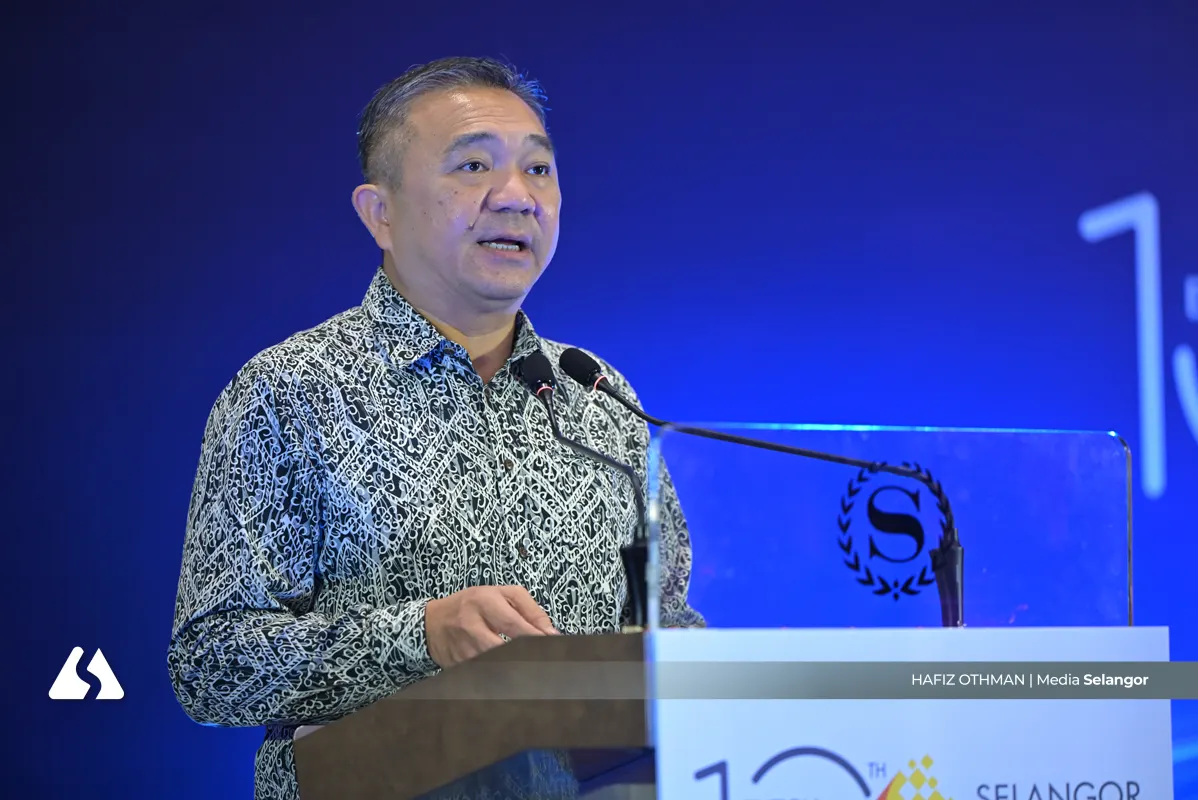
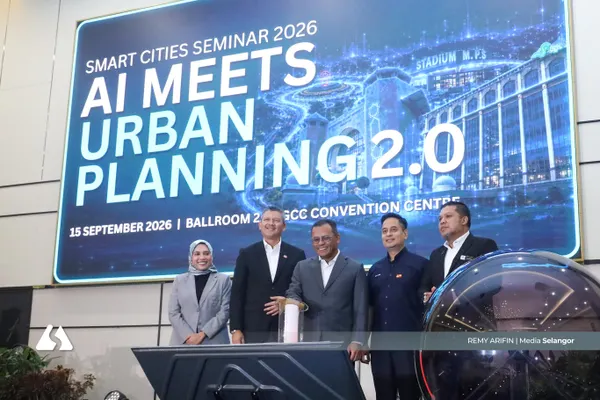
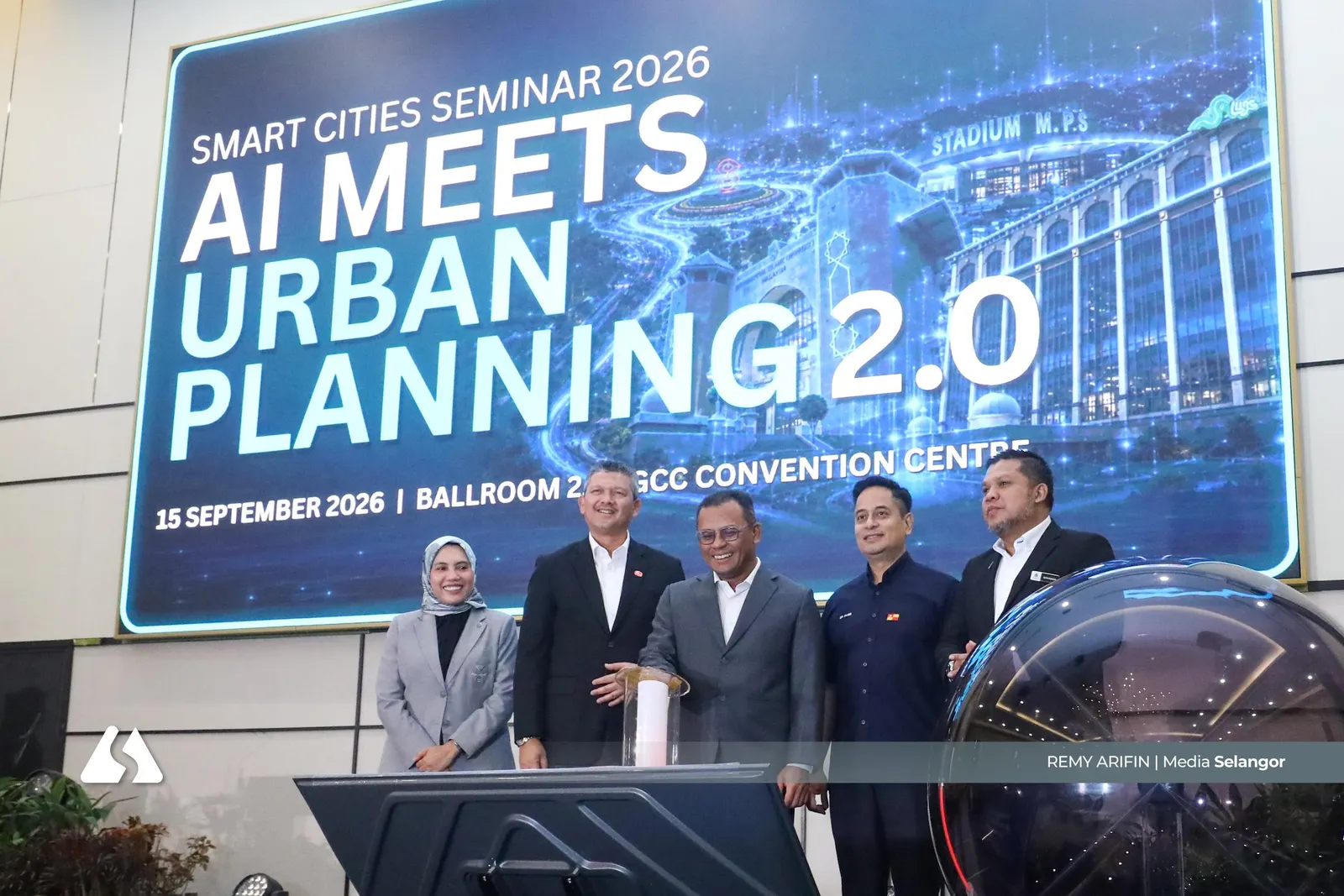
He was speaking at the Smart City Seminar 2026: AI Meets Urban Planning 2.0 at the Kuala Lumpur Golf and Country Club (KLGCC) Convention Centre here yesterday.
The seminar featured six speakers who discussed the need to strengthen the foundations of smart cities to ensure technology has a meaningful impact on urban planning and management.
ITMAX System Bhd chief commercial officer Michael Fun said smart city development should begin at the planning stage as AI requires data and supporting infrastructure, including electricity supply.
“AI requires data, data requires sensors, while sensors require poles and electricity supply. Poles, in turn, require land, permits and financing. These are planning issues before they become technology issues,” he said.
He also recommended that digital infrastructure be incorporated into local plans and planning approvals, alongside the establishment of state-level standards for all relevant parties to adopt.
Meanwhile, Esri Malaysia empowerment success strategist Ramlan Salim said he had highlighted GeoAI, which combines geospatial data with AI to automate mapping and pattern recognition.
He said GeoAI also supported forecasting, monitoring and scenario analysis, helping to improve the accuracy and efficiency of urban planning.
“Smart city implementation allows cities to be monitored and digitally simulated, including assessing land use and development impacts, predicting flood risks and supporting traffic management and emergency response,” he said.
Synergia Asia Group Strategy and Growth director Datuk Nuraslina Zainal Abidin said smart city financing should be viewed comprehensively rather than focusing solely on initial installation costs.
She said the full lifecycle costs should also be considered, including operating expenses, maintenance and technology upgrades.