
SHAH ALAM, Aug 17 — Malaysia may face hotter weather and prolonged dry spells sooner than usual as El Nino intensifies, with an 81 per cent probability of the phenomenon reaching strong to extremely strong levels from October.
The Malaysian Meteorological Department (MetMalaysia) said there is also a 97 per cent likelihood that the phenomenon could continue into early next year.
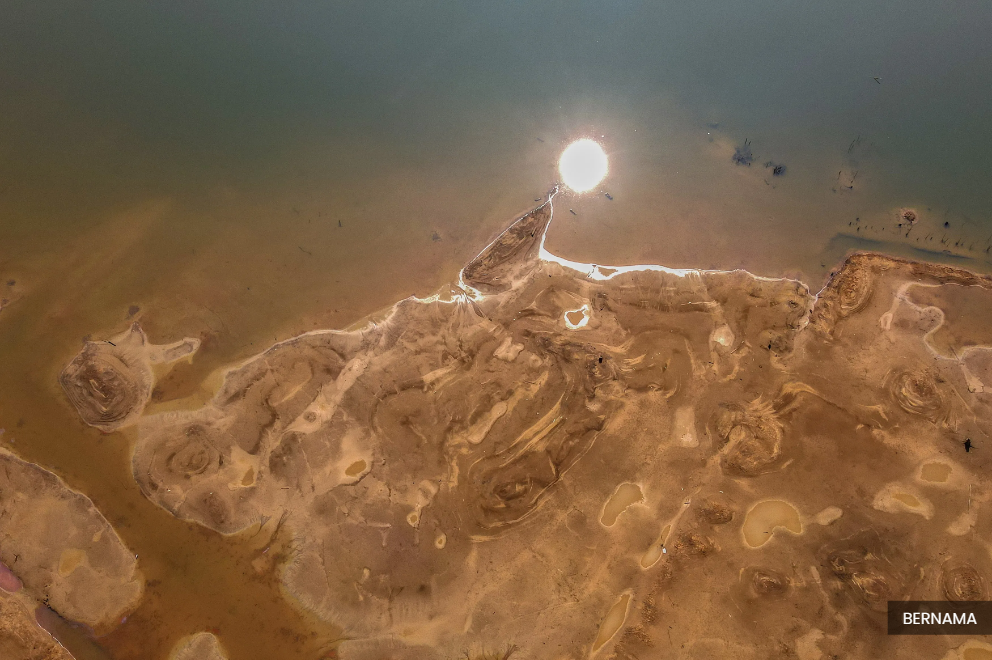
The country could also see its rainfall deficit peak this month as the southwest monsoon continues alongside the El Nino.
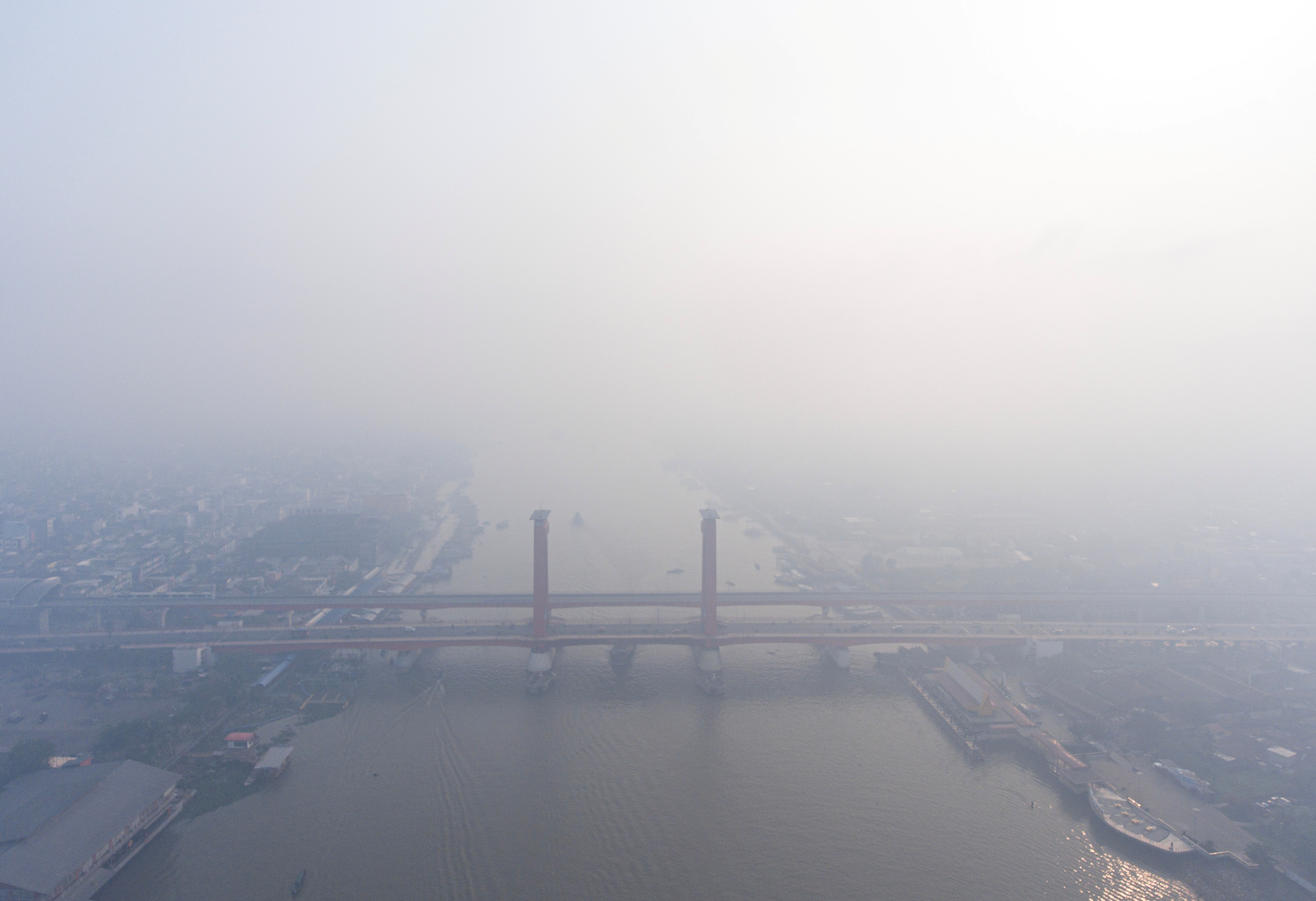
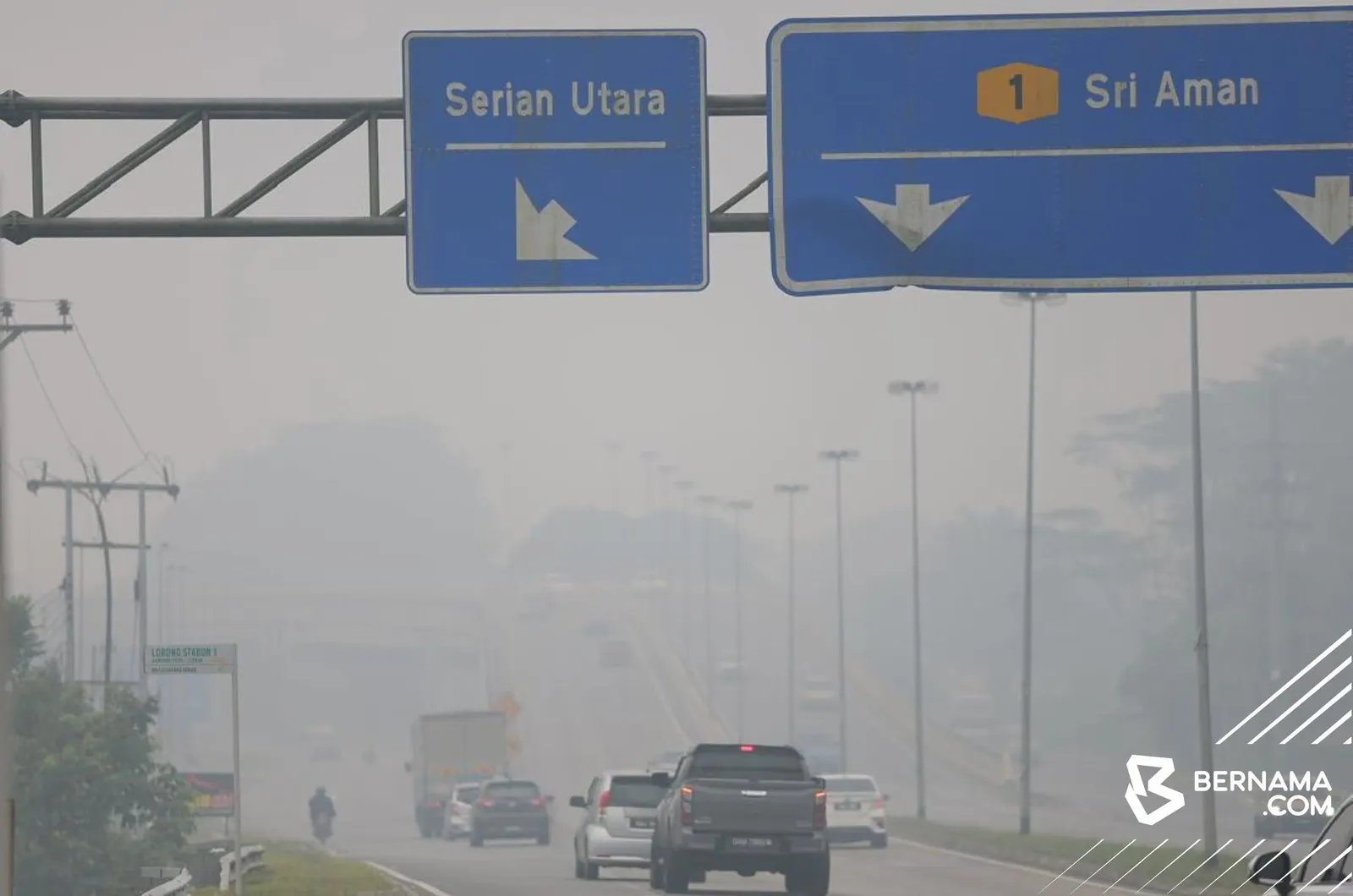
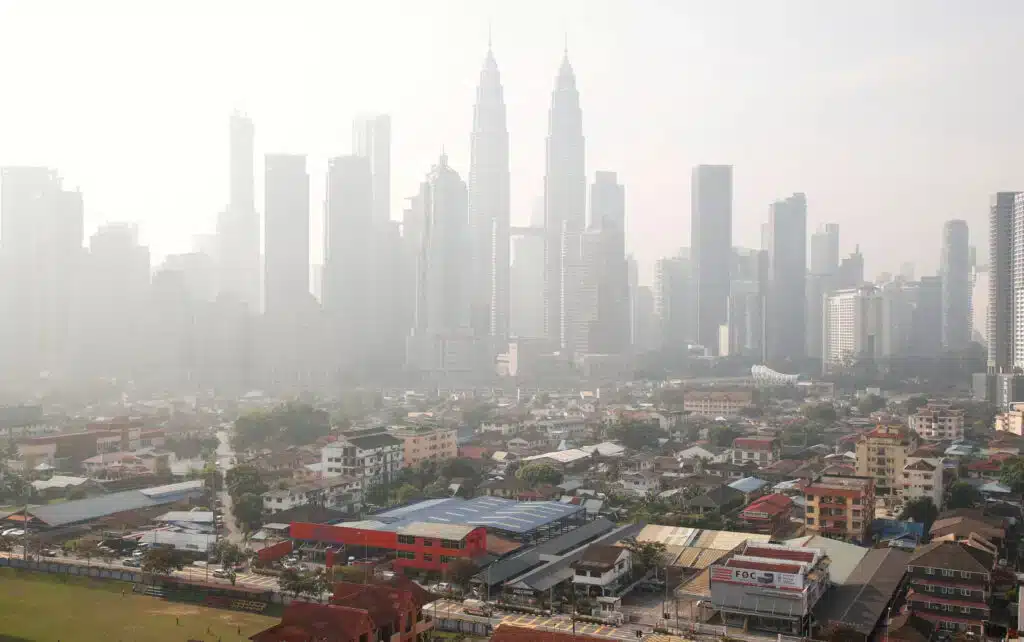
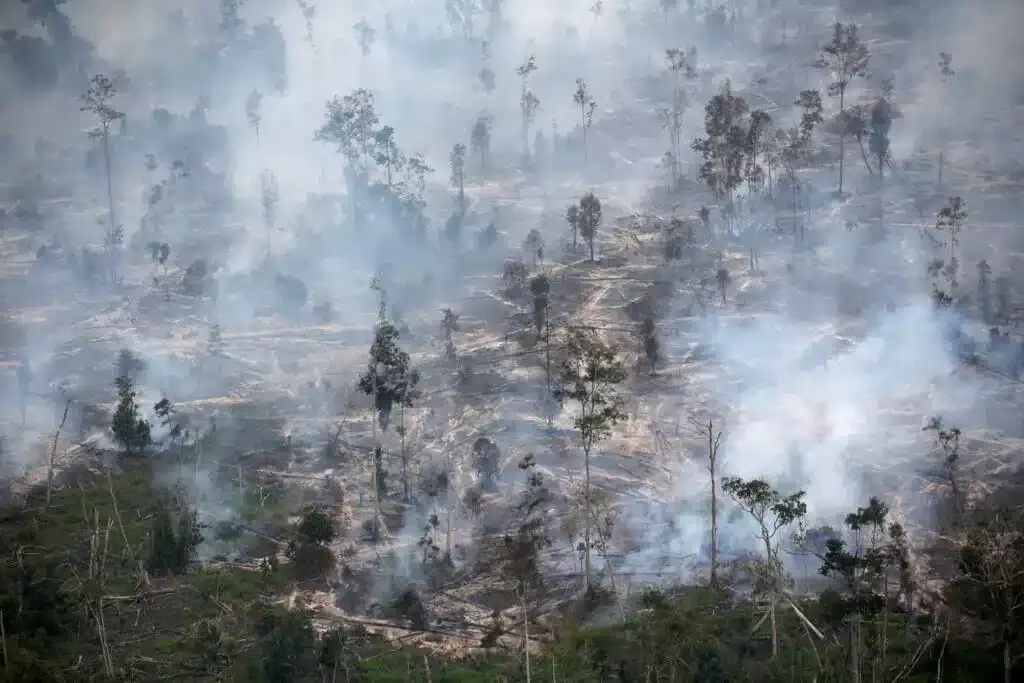
“The haze risk is also raised when compared to neutral years, due to drier atmospheric conditions and lesser rainfall.
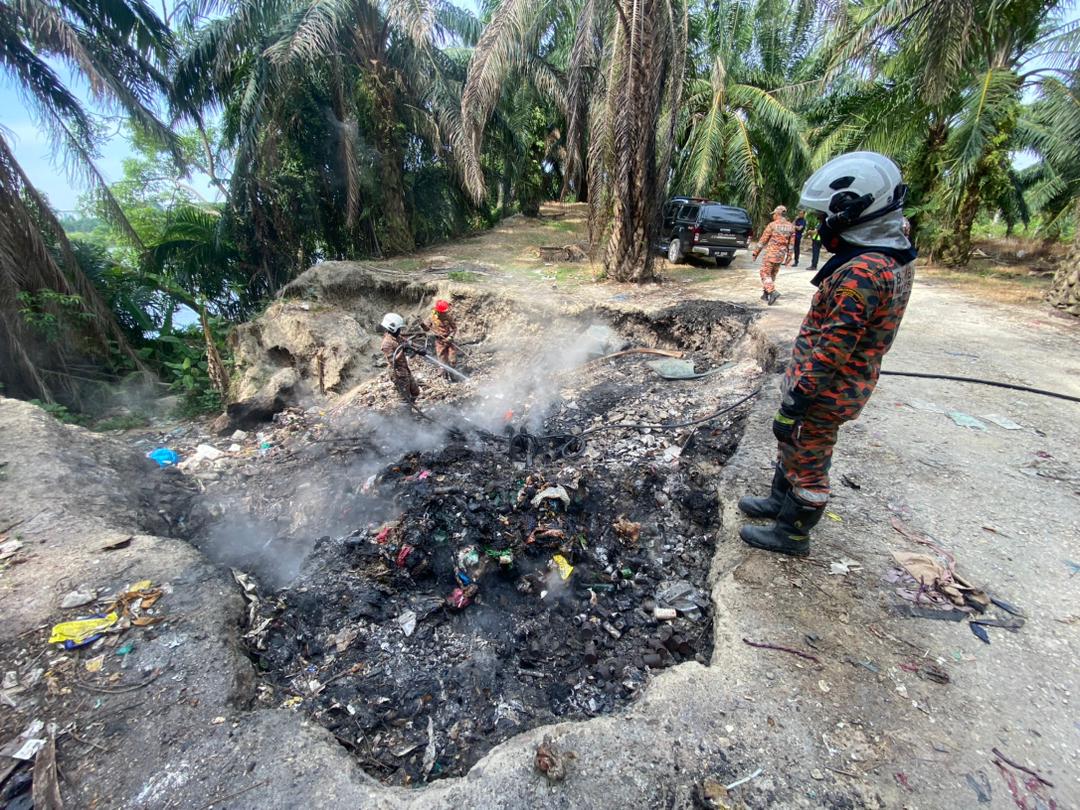
“This dry spell increases the risk of both localised and transboundary haze, especially if there is uncontrolled open burning,” it said in its long-term weather outlook for August to January next year.
MetMalaysia’s drought monitoring report also indicated that some areas could experience rainfall deficits of more than 35 per cent over a three- to six-month period as drier conditions persist.
The affected areas comprise Negeri Sembilan, Melaka, southern Pahang and Johor, along with large parts of central and western Sarawak.
Previously, it cautioned that temperatures could climb to as high as 40°C early next year if the forecast Super El Nino materialises.
The expected conditions have been likened to the severe El Nino episode between 1997 and 1998, which brought widespread haze, water shortages, and disruptions to airport operations across Southeast Asia.
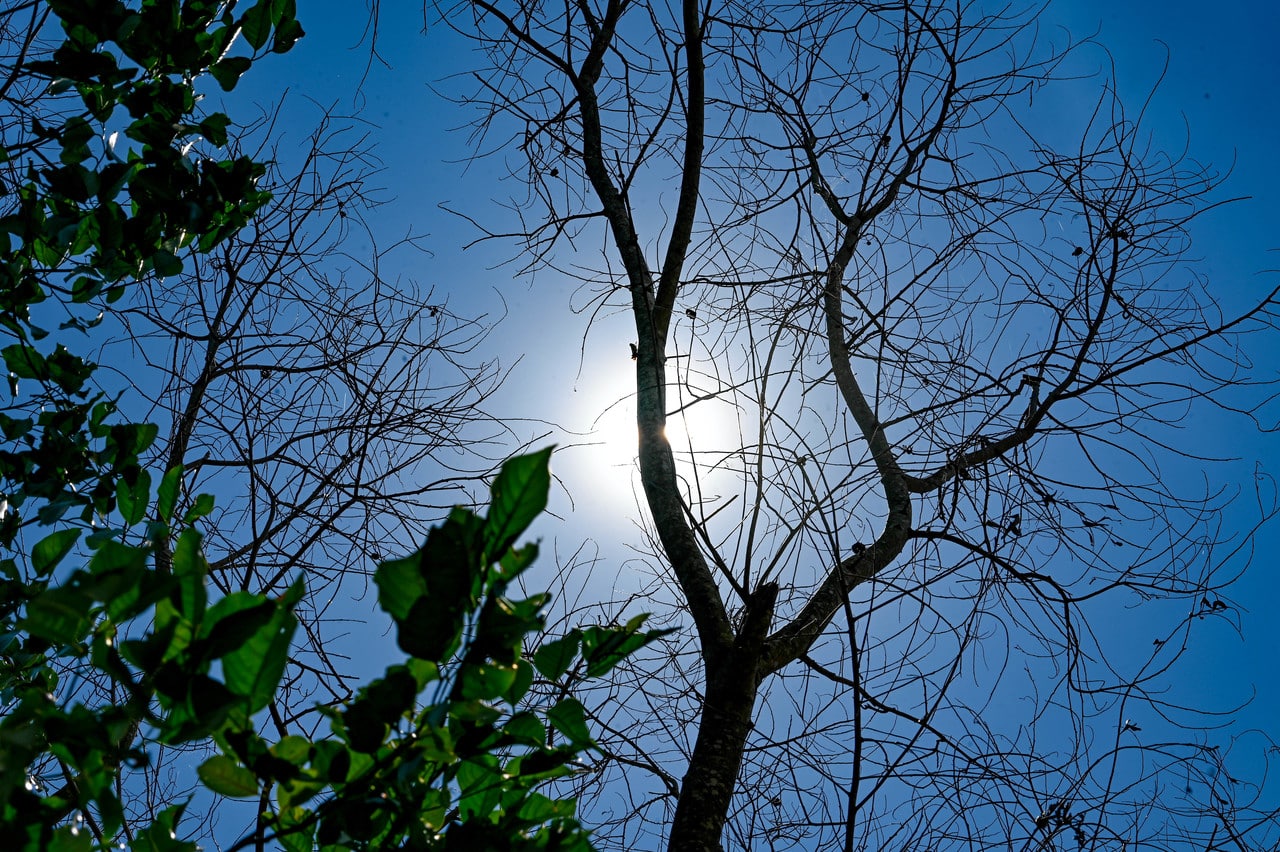
Meanwhile, The Star reported that MetMalaysia director-general Mohd Hisham Mohd Anip urged the public to limit prolonged and excessive exposure to ultraviolet (UV) radiation when spending time outdoors between 11am and 4pm.
The nation’s tropical climate means the country receives sunlight throughout the day, while UV intensity can fluctuate depending on factors such as the sun’s position, ozone levels, cloud cover, rainfall, and atmospheric conditions.
“Generally, all states have the potential of receiving a high concentration of UV rays depending on the season,” he said.
Hisham added that El Nino could further strengthen the effects of the southwest monsoon, which typically brings hotter and drier weather to the country.
He noted that Malaysia usually records reduced cloud cover and more days without rainfall towards the latter part of the northeast monsoon, which normally occurs from January to March.
“These conditions can possibly turn more extreme in line with the forecasted strong El Nino early next year,” Hisham said.