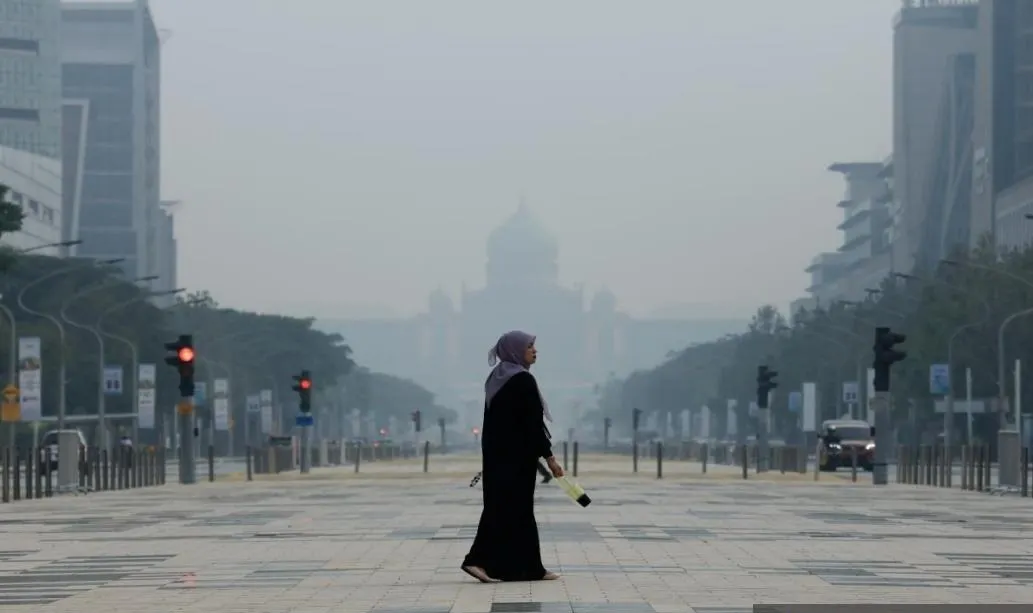


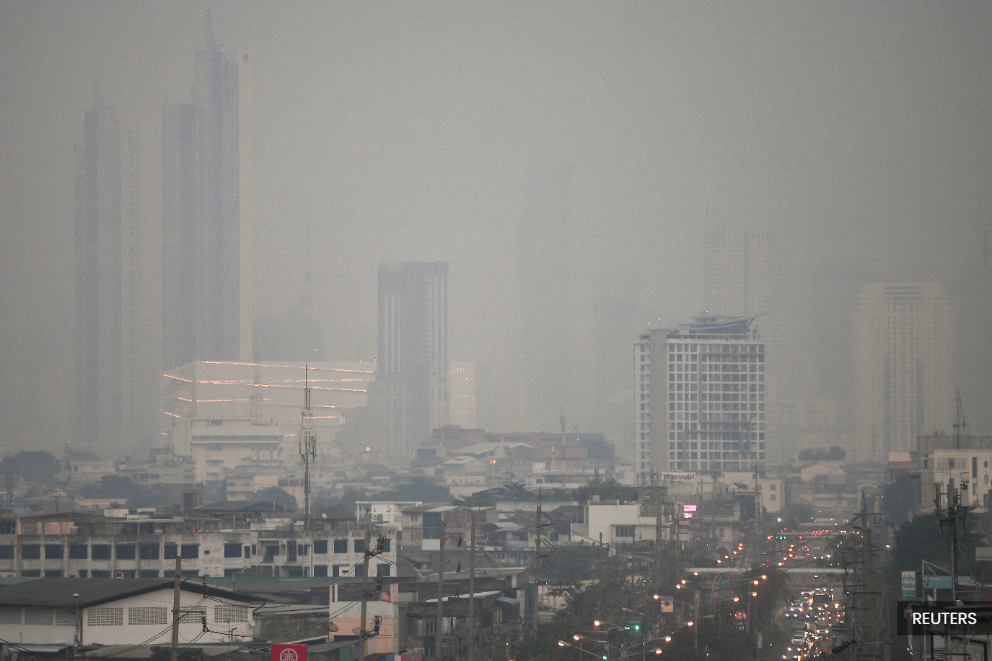

PUTRAJAYA, Aug 22 — Malaysia is calling for collective action from all ASEAN member states to improve preparedness to address the risk of transboundary haze through preventive measures, national preparedness, and continuous monitoring, based on the principles of the ASEAN Agreement on Transboundary Haze Pollution (AATHP).
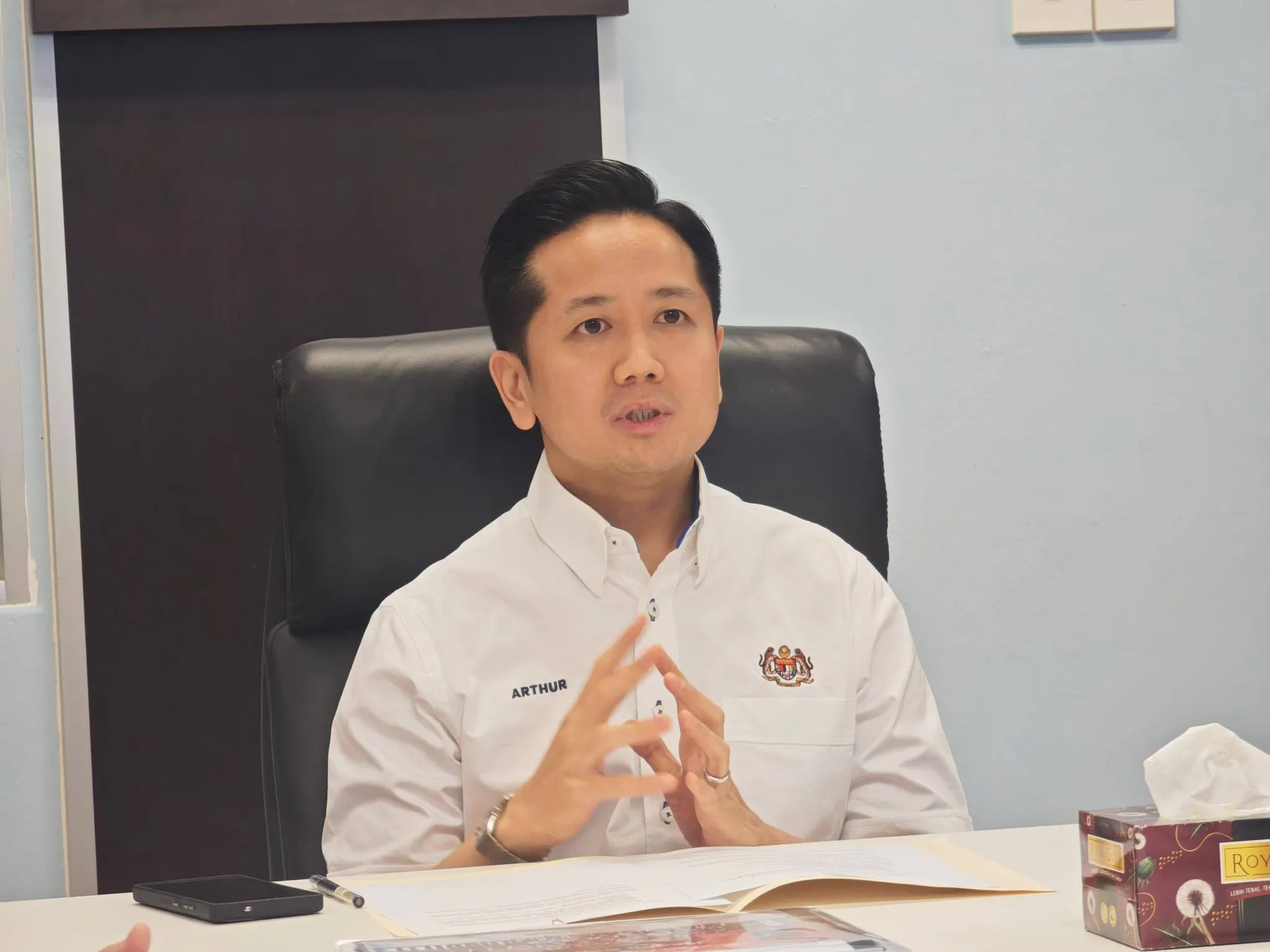
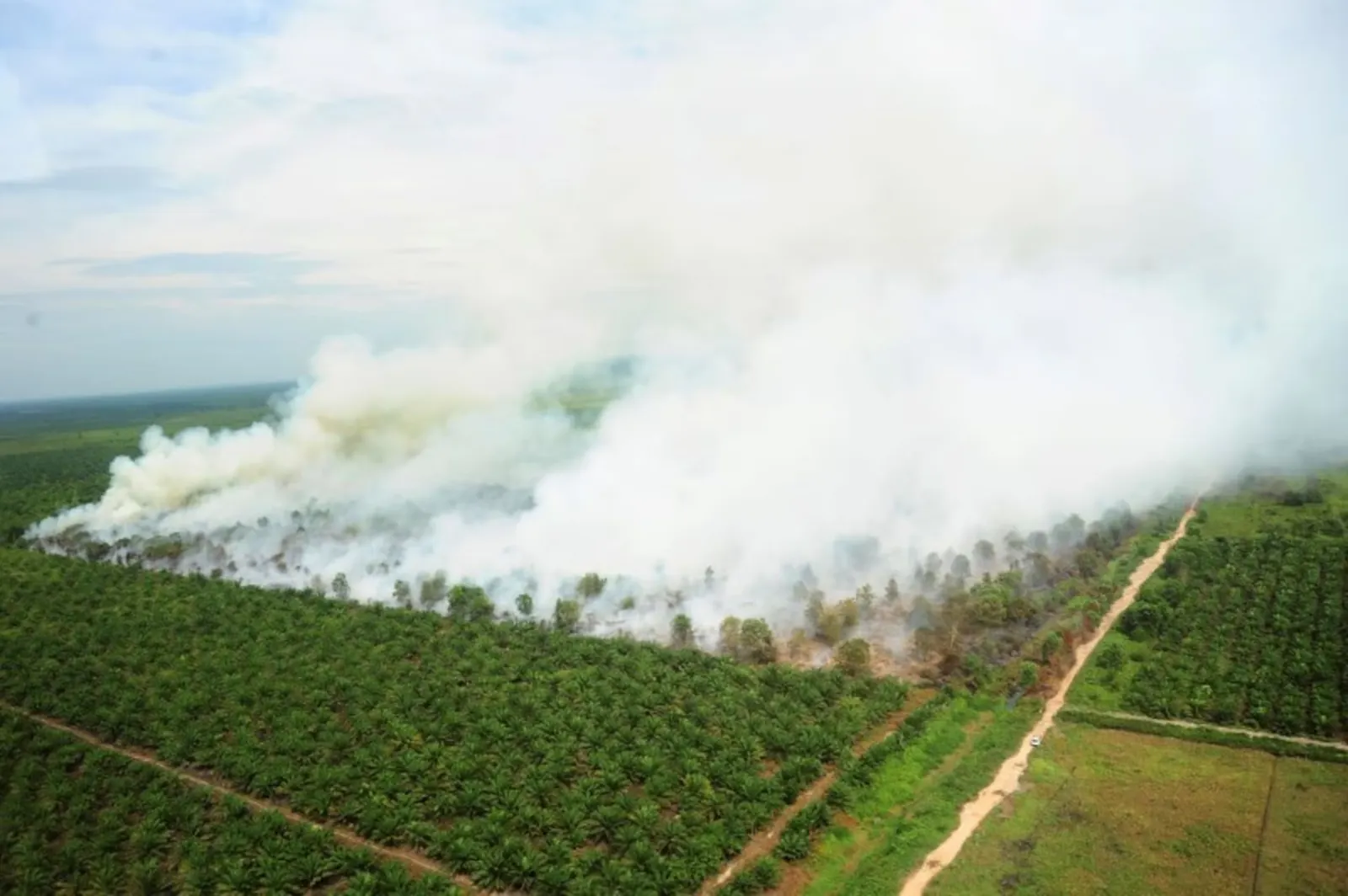
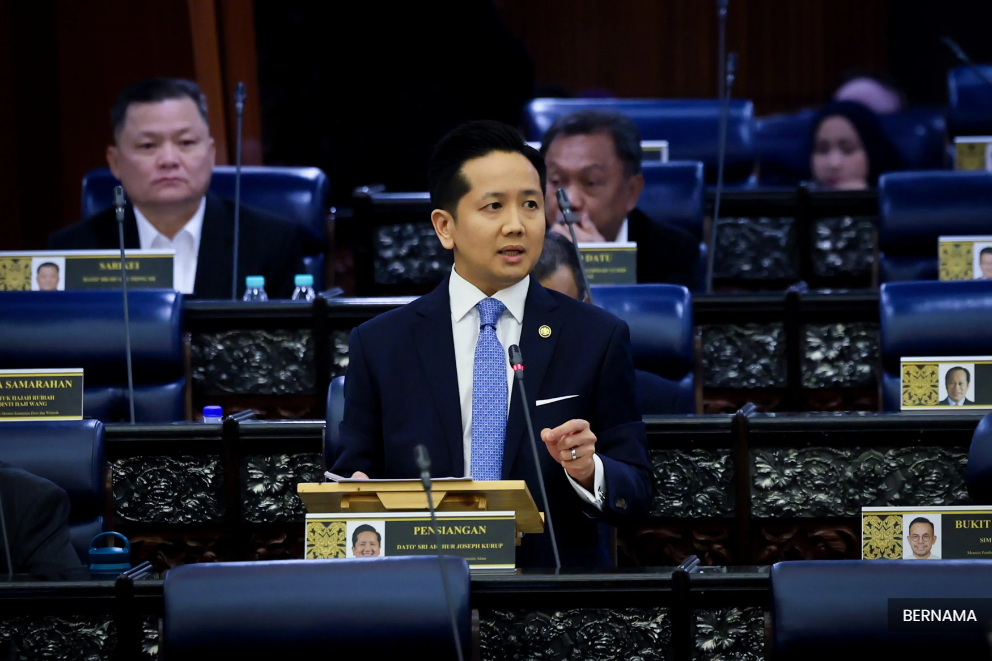
Natural Resources and Environmental Sustainability Minister Datuk Seri Arthur Joseph Kurup said all member states need to strengthen control measures and preparedness by closely monitoring high-risk areas, enhancing hotspot surveillance, strengthening enforcement of the ban on open burning, and ensuring efficient firefighting operational readiness.
The position was conveyed through an official message to ASEAN secretary-general Kao Kim Hourn yesterday.
He added that although fire incidents remained under control within member states' borders, the risk of transboundary haze called for collective preparedness and heightened vigilance at the regional level.
“The implementation of early interventions, accurate information exchange, and close regional coordination are fundamental elements in addressing the haze issue effectively,” Arthur said in a statement today.
Monitoring current weather developments has indicated that prolonged dry conditions in southern areas of the ASEAN region have increased hotspot activity and haze.
“This situation risks becoming more widespread as the El Nino phenomenon is expected to gradually strengthen over the coming months,” he said.
Malaysia also welcomed the proactive role of the ASEAN Secretariat as the Interim ASEAN Coordinating Centre for Transboundary Haze Pollution Control (ACC THPC) in disseminating information, coordinating preparedness measures among member states, and strengthening cooperation mechanisms under the AATHP.
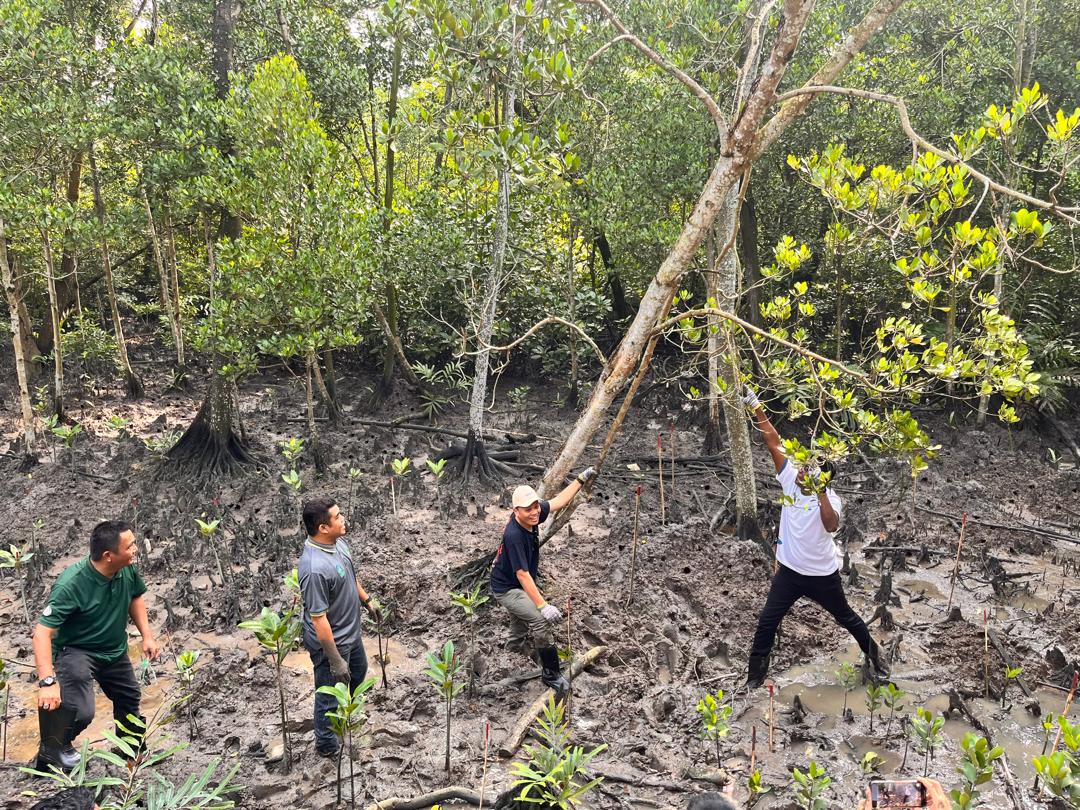
“Malaysia is confident that the strong commitment and proactive actions of all ASEAN member states will enhance regional resilience in confronting climate challenges, while safeguarding a sustainable, prosperous, and haze-free environment for the well-being of present and future generations,” Arthur said.