
SHAH ALAM, August 10 — A state government lawmaker has proposed establishing a new state executive council portfolio dedicated to overseeing economic development to drive efforts towards achieving the 6.1 per cent growth target under the Selangor Second Plan (RS-2).
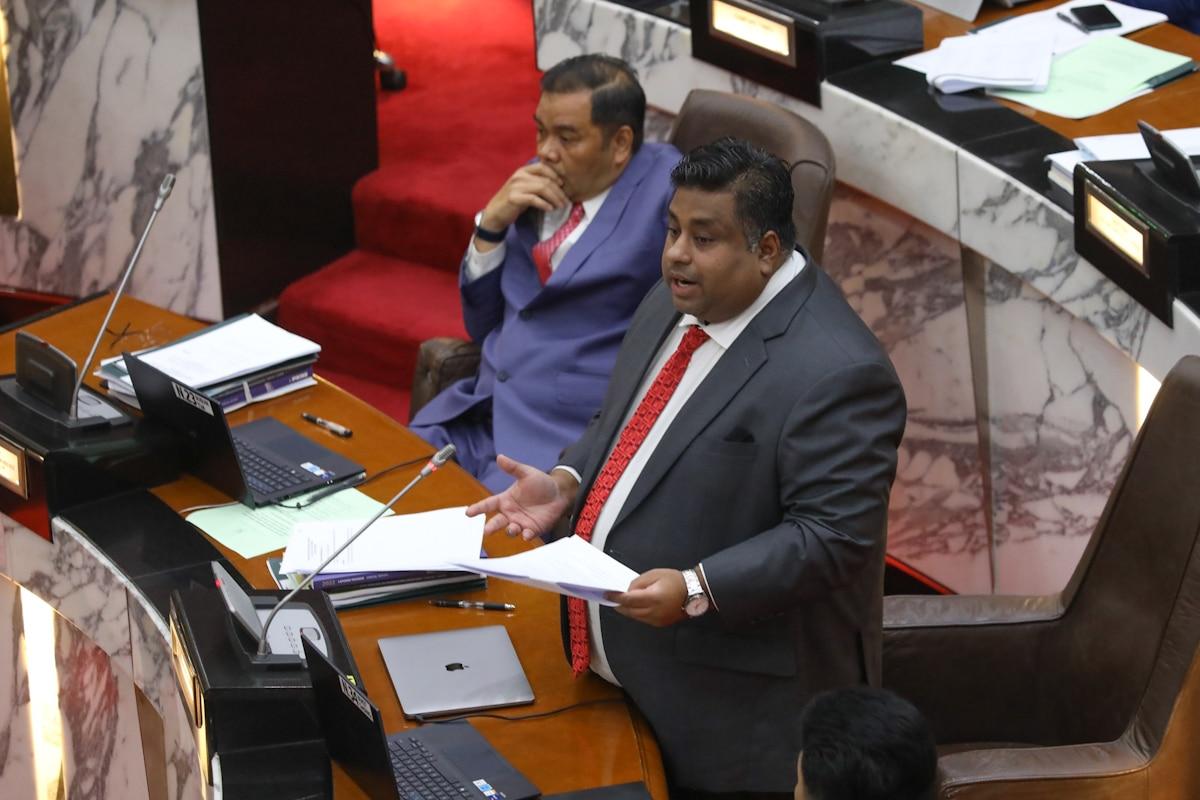
Bukit Gasing state assemblyman Rajiv Rishyakaran said the proposed portfolio would allow the state government to focus full-time on coordinating and driving economic initiatives, rather than treating them as a part-time responsibility.
“I would like to propose today that we establish a portfolio for economic development. Selangor has 10 state executive councillors assisting the Menteri Besar, but there is currently none specifically responsible for economic development.
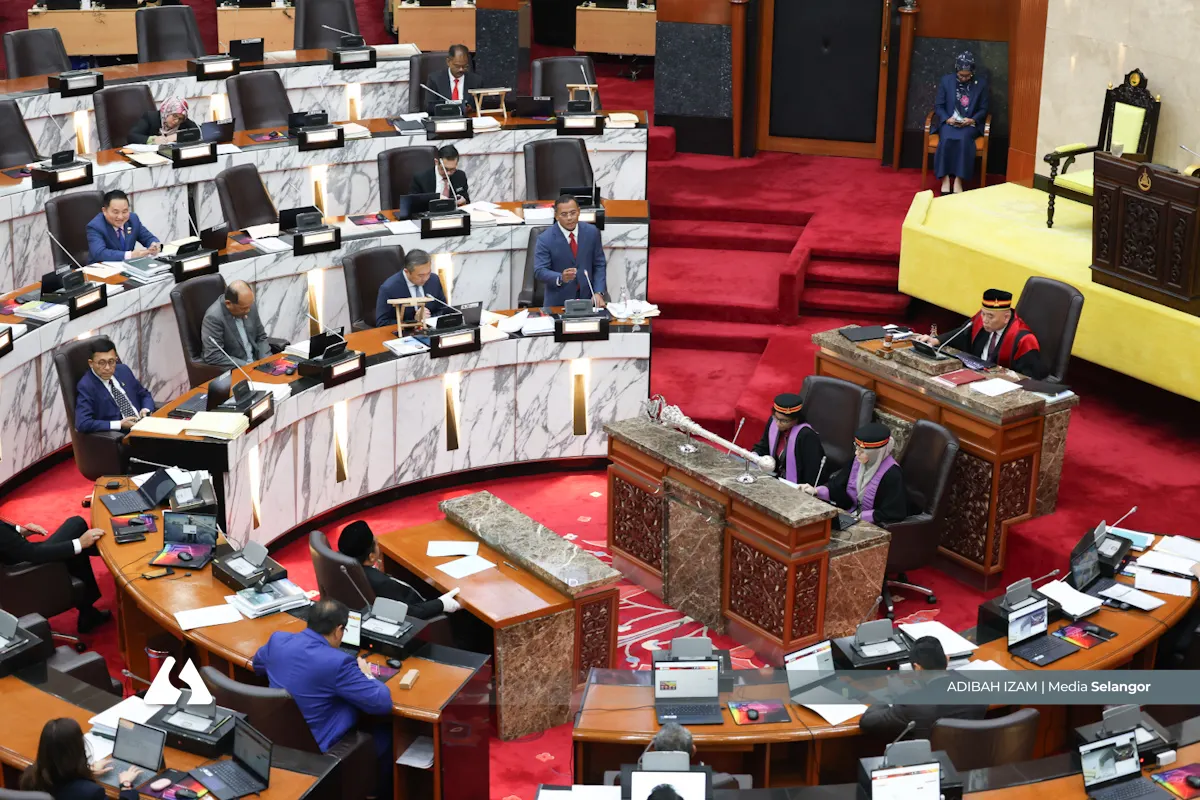
“If we are serious about achieving this ambitious economic growth target, I propose that we have an executive council member who focuses specifically on all the initiatives needed to achieve the 6.1 per cent growth target,” he said when debating the RS-2 during the Selangor State Legislative Assembly sitting today.
Rajiv added that it did not matter who is chosen to oversee the portfolio, including among the existing state executive councillors, as long as someone is specifically assigned to focus on economic development.
RS-2, tabled by Menteri Besar Dato’ Seri Amirudin Shari on Friday (August 7), is Selangor’s five-year development plan, outlining strategies from 2026 to 2030 to drive economic growth and improve people’s well-being.
Meanwhile, he also proposed establishing a state public spending portal to allow Selangor residents to monitor how the state government spends public funds, including on government contracts, projects, and allocations to local authorities.
The portal should provide spending details by agency and department, as well as information on awarded contracts and whether projects were completed on time.
“Every government expenditure, every government contract, should be made publicly available there. This way, Selangor residents can see what the Irrigation and Drainage Department and Public Works Department spend on, as well as how grants to local authorities are being used,” Rajiv said.
Separately, he called for clearer strategies and stronger support for the state’s creative economy, particularly as automation reduces the demand for workers in the manufacturing and services sectors.
Rajiv urged the state government to review the existing 25 per cent entertainment tax imposed on local artists and organisers, questioning whether it was appropriate for those who do not generate large profits.
He suggested allowing the tax to be paid after ticket sales rather than before an event to ease cash-flow pressures.