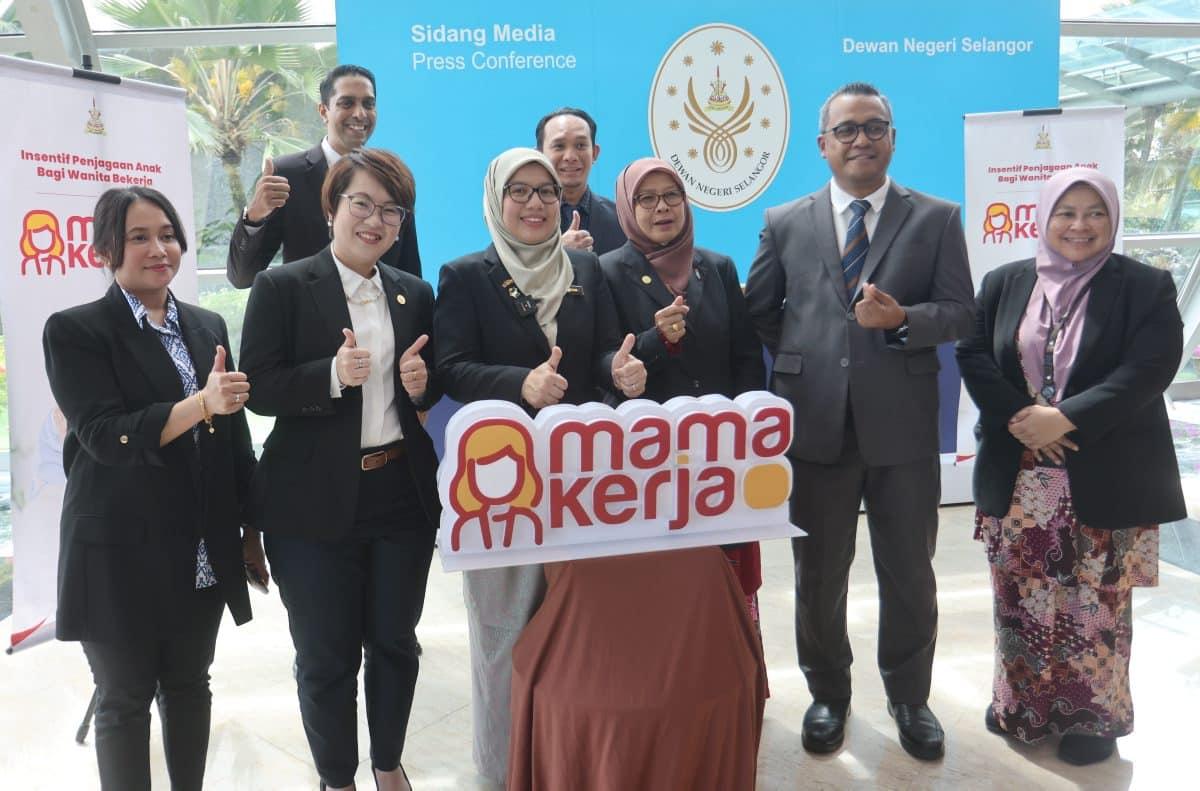
SHAH ALAM, June 23 — The Selangor government is considering expanding the MamaKerja initiative to include self-employed mothers, including those running online businesses, as long as they meet eligibility criteria, said state executive councillor for women development and social welfare Anfaal Saari.
She added that this is not only aimed at supporting working mothers, but also to ensure they can continue contributing to the state’s economy.
“For working mothers, I believe one of the required documents would be proof of income or income slips.
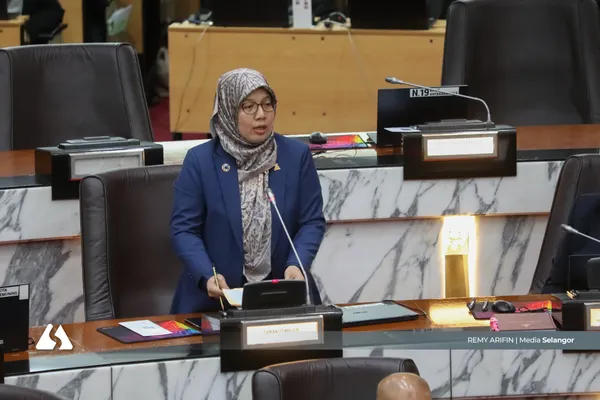
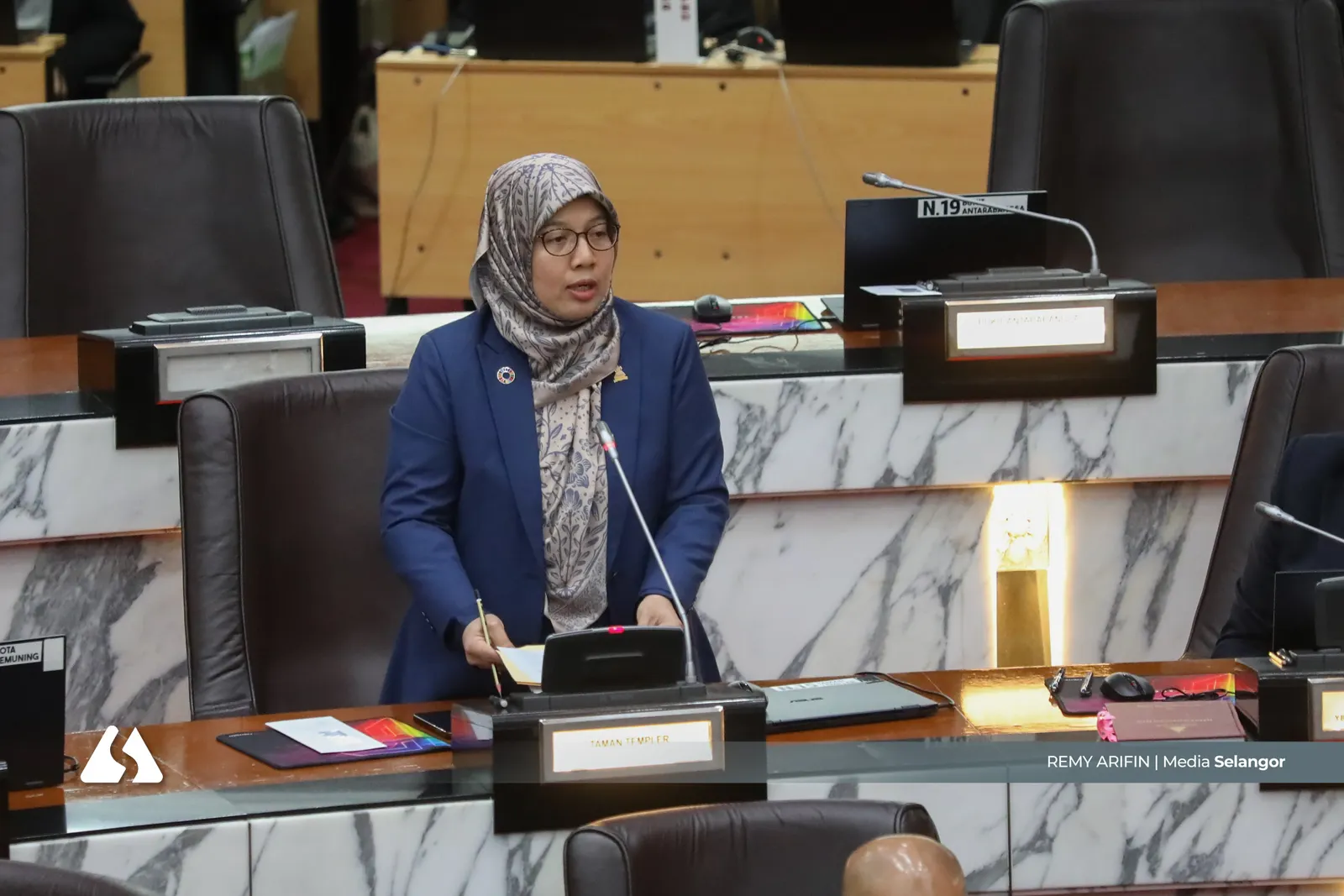
“If we include mothers who work online or through digital entrepreneurship, they have to prove their sales revenue,” she said in her wind-up speech on Phase 2 of the Selangor Resilience Enhancement Package (SREP) at the Selangor State Legislative Assembly sitting yesterday.
She added that eligibility criteria include having a household income of RM8,000 or below and children aged six and under, as the support is for childcare.
Anfaal also said MamaKerja should be linked with other SREP initiatives including employment programmes to empower working women, highlighting the Usahanita Digital plan that encourages women to venture into digital entrepreneurship to build long-term household resilience.
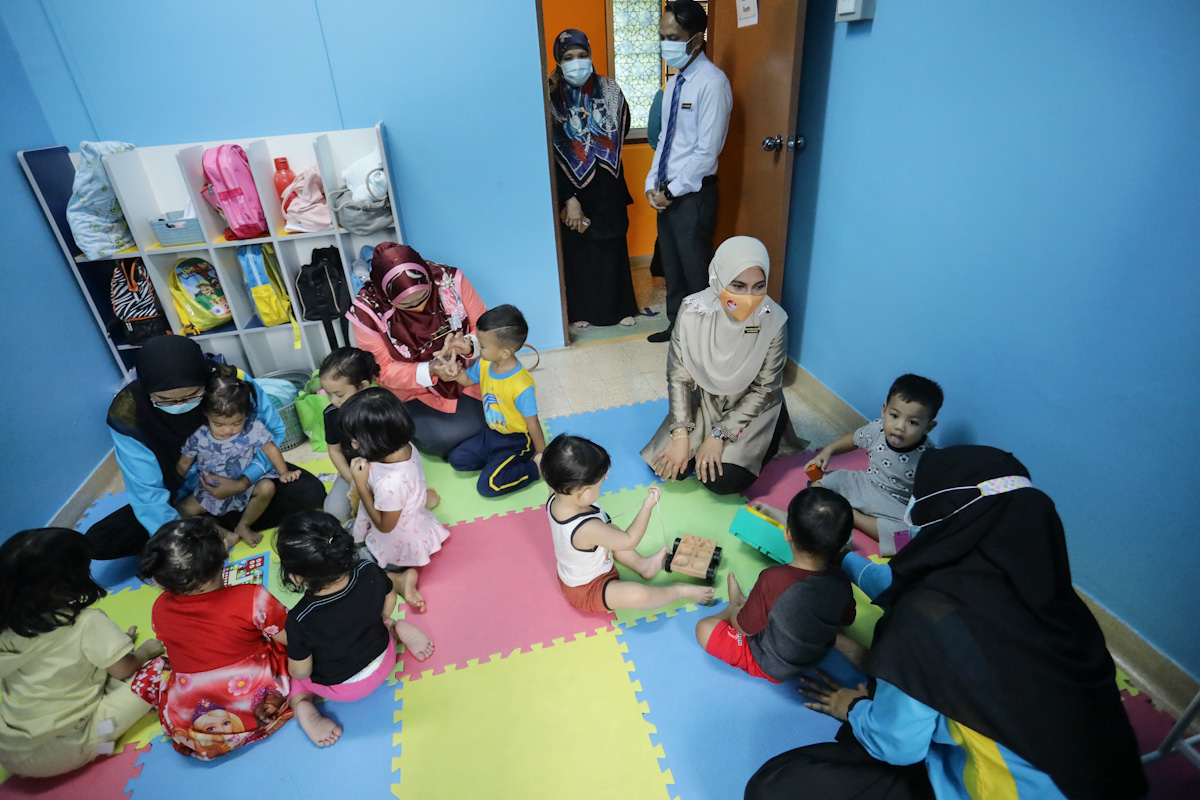
In response to a question from Permatang assemblyman Nurul Syazwani Noh to expand MamaKerja initiative during the debate session, she said the state government is also looking to strengthen the childcare ecosystem, including by setting up inclusive workplace childcare centres that can also care for children with disabilities.
She added that Selangor has introduced childcare centre guidelines to make it easier for childcare businesses to expand their services, as well as impact programmes to train caregivers.
“The suggestion to expand MamaKerja to single fathers will also be reviewed, God willing,” she said in response to a recommendation by Bukit Lanjan assemblyman Pua Pei Ling.
Anfaal said the Selangor government will keep improving access to aid programmes with wider outreach efforts, including working with service centres and community partners to ensure eligible residents are covered by the state’s social safety net.