SHAH ALAM, Nov 28 — Assessing whether six-year-olds are ready for Year 1 should depend on their individual developmental needs rather than just their age, and parents must help their children develop the independence, confidence and emotional resilience they need to start school, said experts.
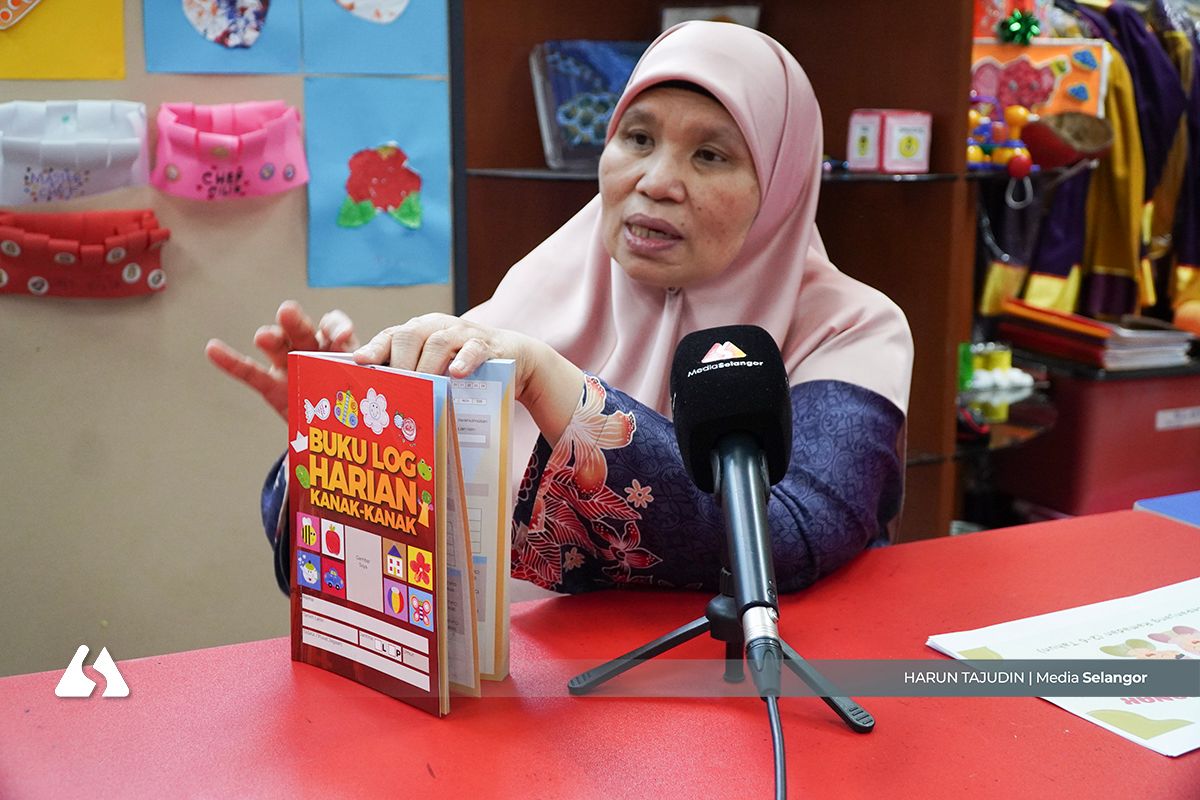
Early childhood education and care professional Mahanom Basri said that as children develop at different rates, it is crucial to assess their overall development rather than just their academic abilities.
She pointed out that a child’s readiness for formal schooling encompasses six developmental areas: physical, cognitive, language, social, emotional and spiritual.
“Some six-year-olds may demonstrate good cognitive, language and social skills, while others may need more time to strengthen their emotional regulation, communication, independence and social confidence,” she told Media Selangor.
Mahanom, who has 42 years of experience in early childhood education, said it goes beyond a child’s ability to read, write and count, and instead concerns their capacity to adapt to a structured learning environment and interact with others.
In October, Deputy Education Minister Wong Kah Woh said 73,498 six-year-olds and 418,151 seven-year-olds have been enrolled in Year 1 for the 2027 academic calendar.
Meanwhile, on November 24, Education Ministry (MOE) director-general Datuk Mohd Azam Ahmad said MOE plans to make Year 1 enrolment compulsory for six-year-olds from 2029. He said the transition period would allow the ministry to progressively strengthen preparations involving the curriculum, teacher training, infrastructure and classroom facilities before the policy becomes mandatory.
Practical skills, mental readiness
Parent Action Group for Education (PAGE) chairman Noor Azimah Abdul Rahim said families should focus on developing children’s practical skills and emotional readiness rather than pushing them to fulfil primary school expectations.
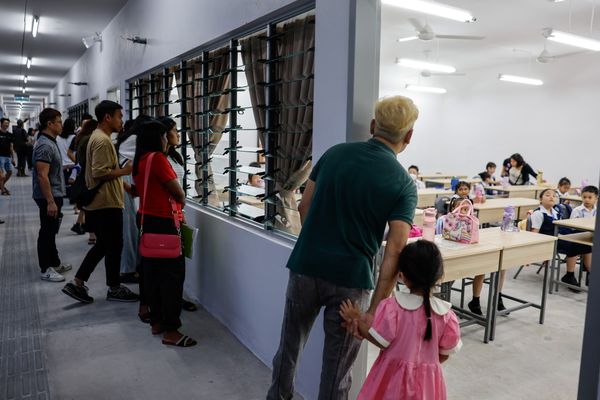
She said younger children could face difficulties adjusting to longer classroom sessions, following instructions, managing their belongings, and carrying out daily routines independently.
She added that they would also need to adapt to larger classrooms, different teachers, and potentially less individual attention.
“Parents should focus on building independence, confidence and emotional resilience rather than trying to turn preschool children into primary school pupils prematurely.
“Practical preparation can include helping children develop basic self-care skills, such as managing their school bags, using the toilet independently, eating without assistance, and looking after their personal belongings,” she told Media Selangor.

Azimah said the successful enrolment of younger children into Year 1 should be measured by their learning experiences, well-being, and ability to adapt, rather than just registration numbers or new curricula.
She added that the education system should be adapted to meet children’s developmental needs instead of expecting younger pupils to adjust to a system that might not be designed for them.
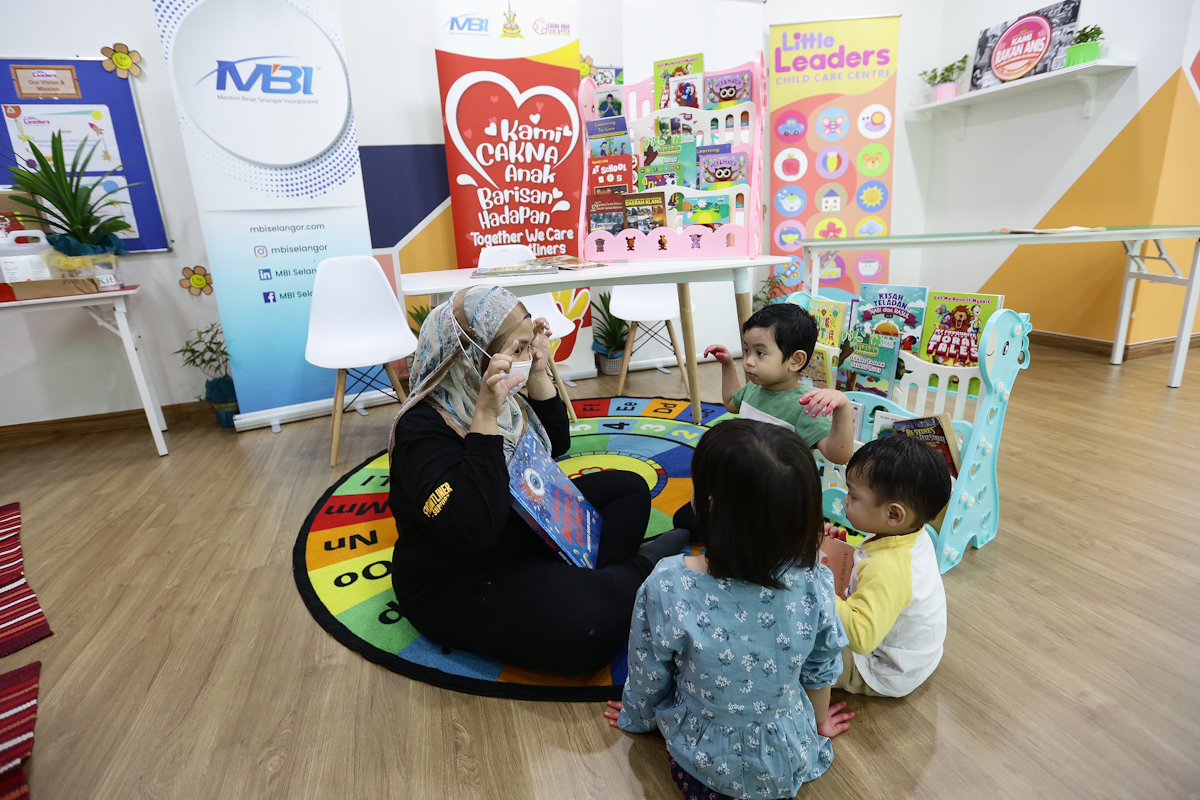
Meanwhile, Mahanom, who is also Selangor Association of Childcare Centres, Kindergartens and Care Centres (PTPJS) president, said preparing children for formal schooling should start with daily activities at home rather than just academic exercises.
She recommended that parents encourage communication through conversations, storytelling and singing, while providing opportunities for children to interact, share, take turns and cooperate with others.
She said establishing consistent sleeping, waking, eating and learning routines would also help children adjust to school life, adding that parents should nurture good values like kindness, respect, patience and confidence through everyday interactions.
“In Islam, nurturing children is not limited to academic preparation; it also involves building their character, values, manners, and relationship with God,” Mahanom said.