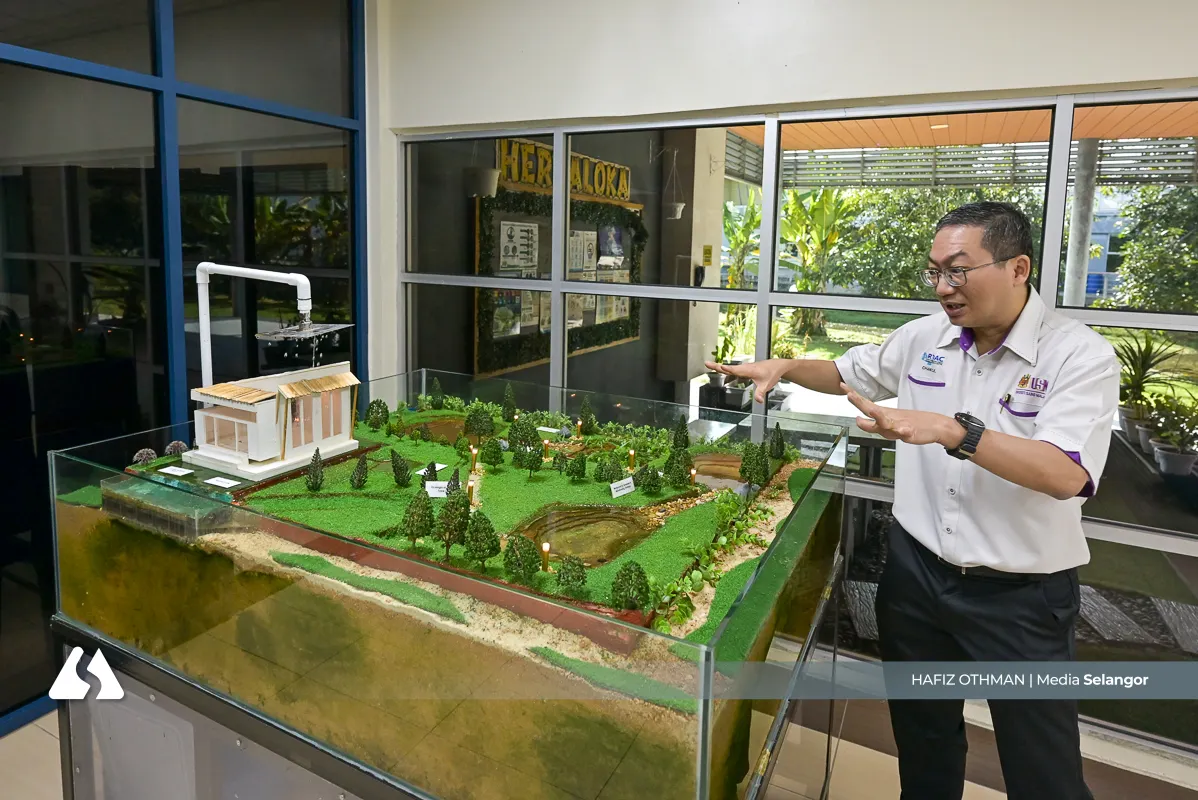
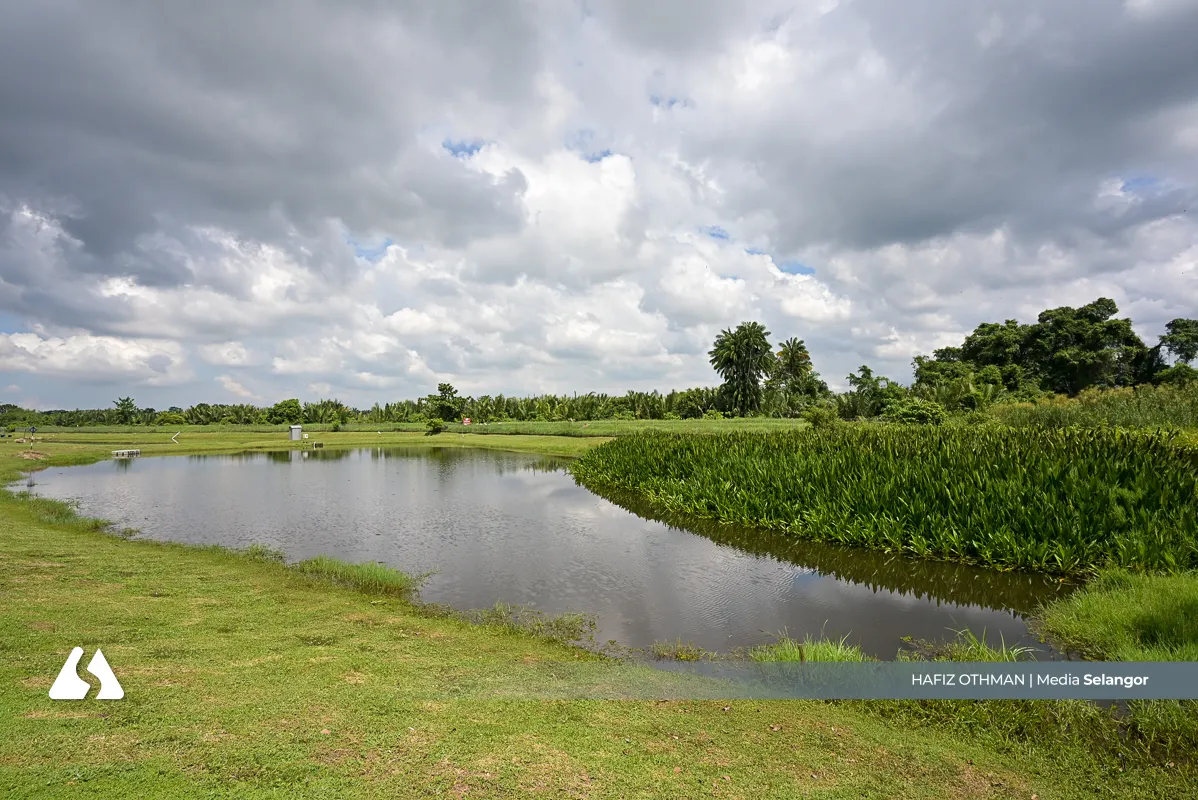
NIBONG TEBAL, Nov 27 — The Kwasa Damansara township development in Sungai Buloh, Selangor, has adopted the environmentally friendly Bio-Ecological Drainage System (BIOECODS) to manage stormwater through an integrated network of sustainable drainage infrastructure, urban parks and river corridors.
The approach incorporates natural elements into urban drainage systems to regulate stormwater flow, reduce the risk of flooding and create a greener environment.
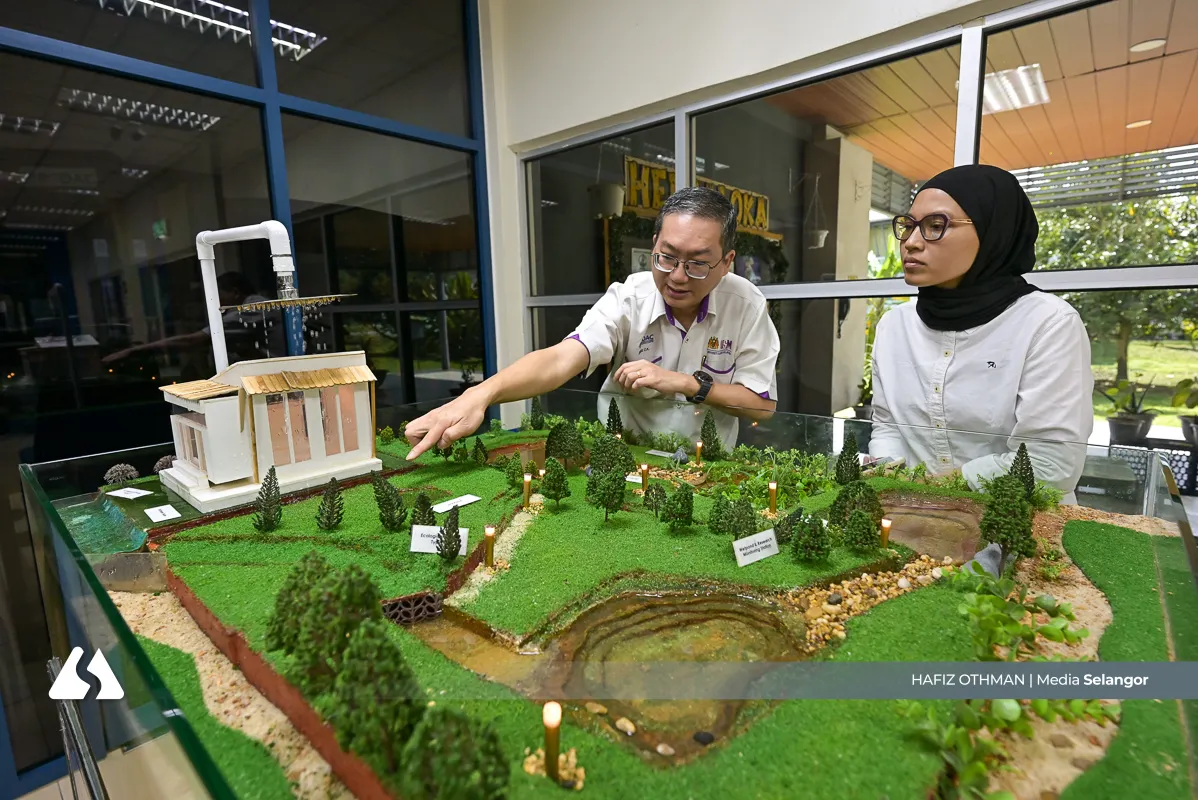
Universiti Sains Malaysia’s (USM) River Engineering and Urban Drainage Research Centre (REDAC) director Dr Chang Chun Kiat said the university serves as a subconsultant in designing the drainage system and improving rivers within the development, which began in 2013.
He said the main drainage system was planned first before being connected to individual drainage systems within each development plot.
“Kwasa Land Sdn Bhd uses this system for the Kwasa Damansara township development. It could be described as the largest BIOECODS project to date, covering an area of 2,330 acres.
“The development is progressing at various stages, with some components completed and others still under construction. BIOECODS is not limited to drainage systems but can also encompass the development of river corridors,” he said.

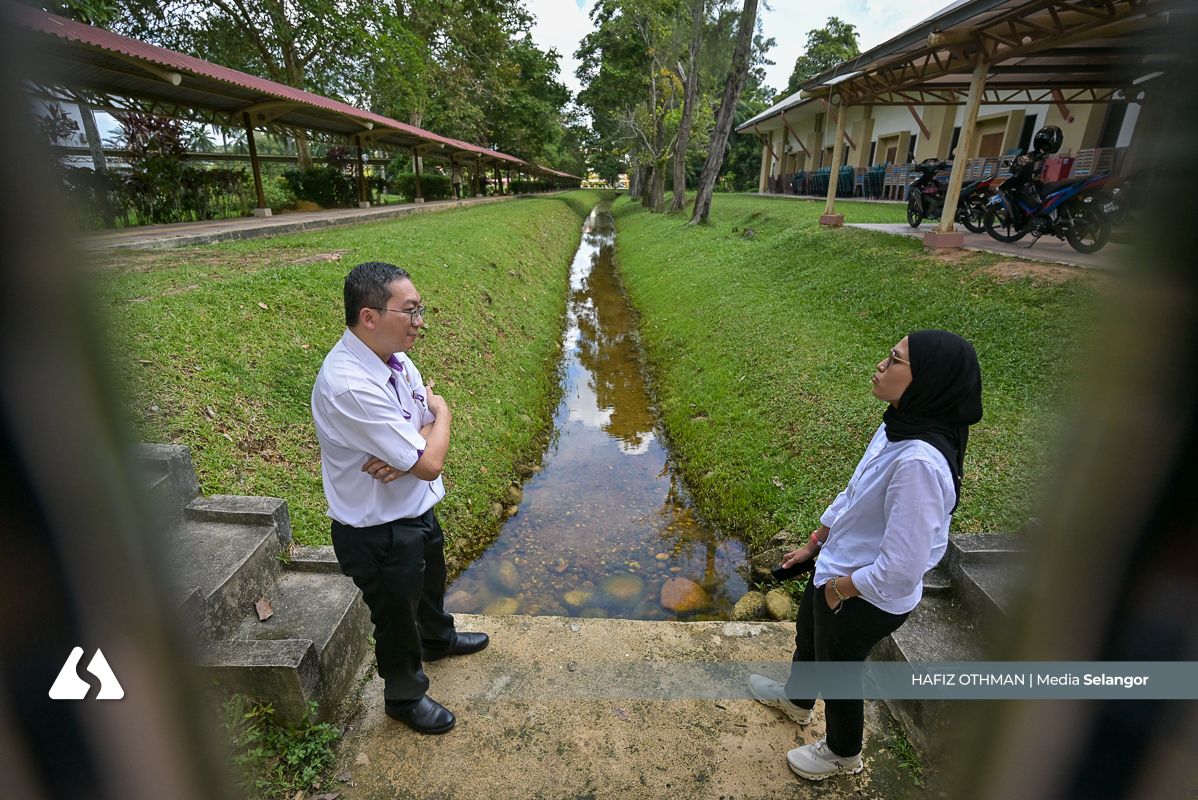
Rather than relying on concrete drains to channel stormwater into rivers, BIOECODS uses nature-based components to slow, filter and regulate the flow of water.
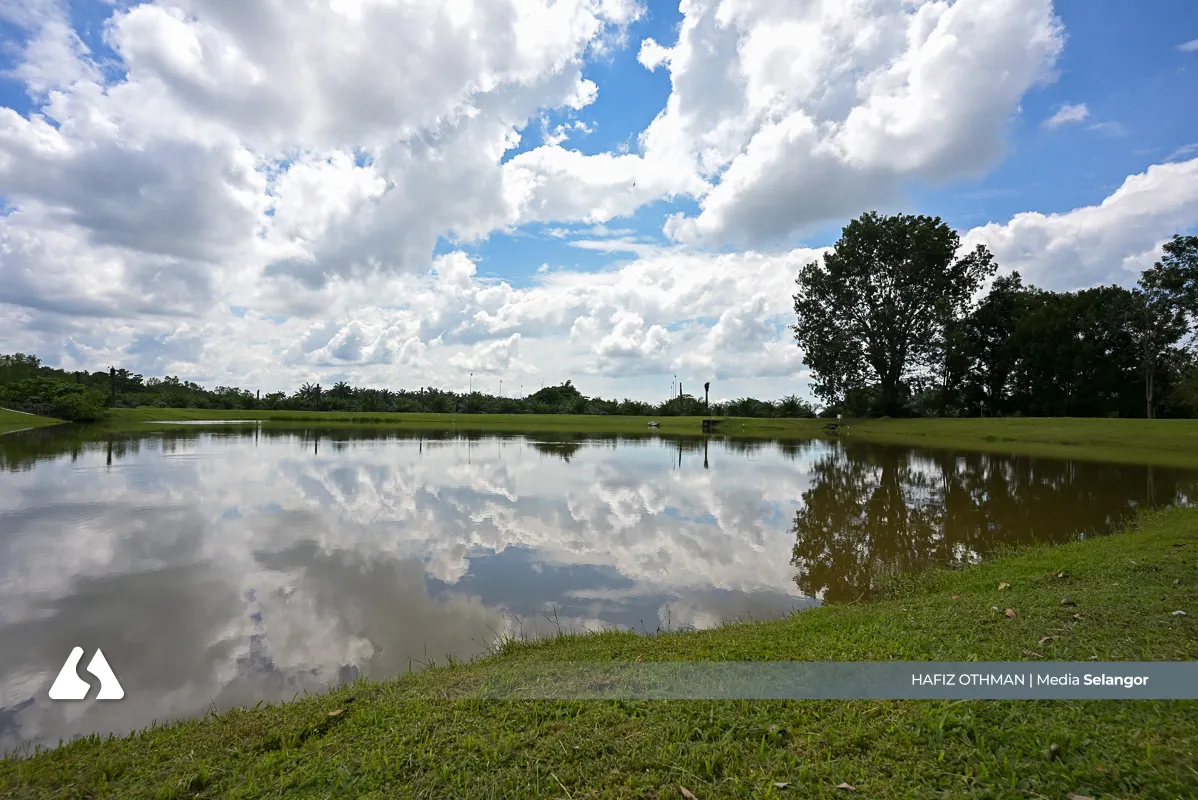
The system has also been incorporated into Kwasa Damansara’s urban parks, combining drainage functions with green and recreational spaces to create green corridors.
The development also incorporates on-site detention (OSD) systems, or underground stormwater detention tanks, beneath the park-and-ride facilities at the Kwasa Sentral and Kwasa Damansara stations.
These tanks temporarily store stormwater before releasing it into the main drainage system at a controlled rate, reducing the rate of water flow during heavy rain.
“If we look at the surface, it is entirely occupied by parking spaces. Beneath them are OSD systems that serve as temporary storage tanks to reduce the flow rate and retain water,” he said.
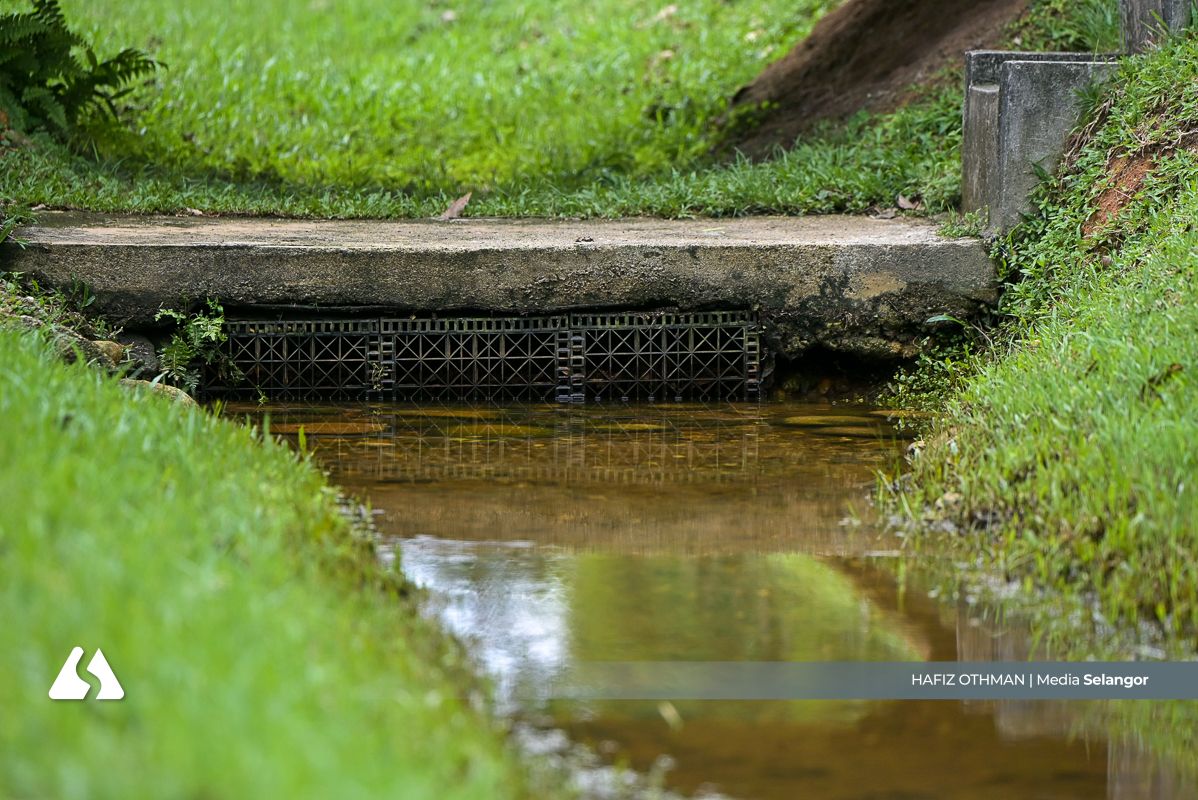
According to Dr Chang, stormwater also passes through BIOECODS components for filtration before entering the detention tanks and being channelled into the main drainage system.
The system has proven effective in regulating water flow, demonstrating that nature-based drainage infrastructure can be incorporated into large-scale urban developments.
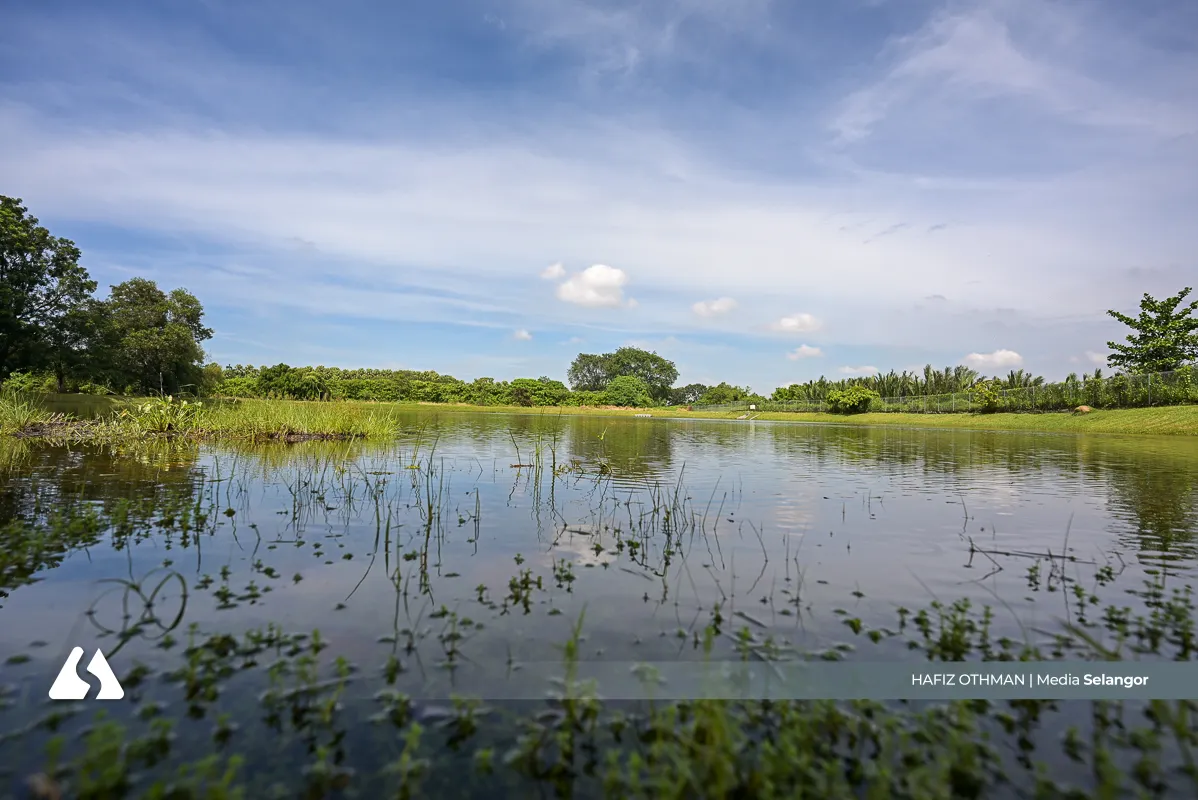
The implementation of BIOECODS at Kwasa Damansara demonstrates how stormwater management can be incorporated into urban design from the earliest planning stages, rather than being treated merely as a drainage provision after development is completed.
“Developers and infrastructure consultants could consider this approach when drawing up master plans for new developments to balance the needs of physical development with water management and the preservation of the natural environment,” he said.