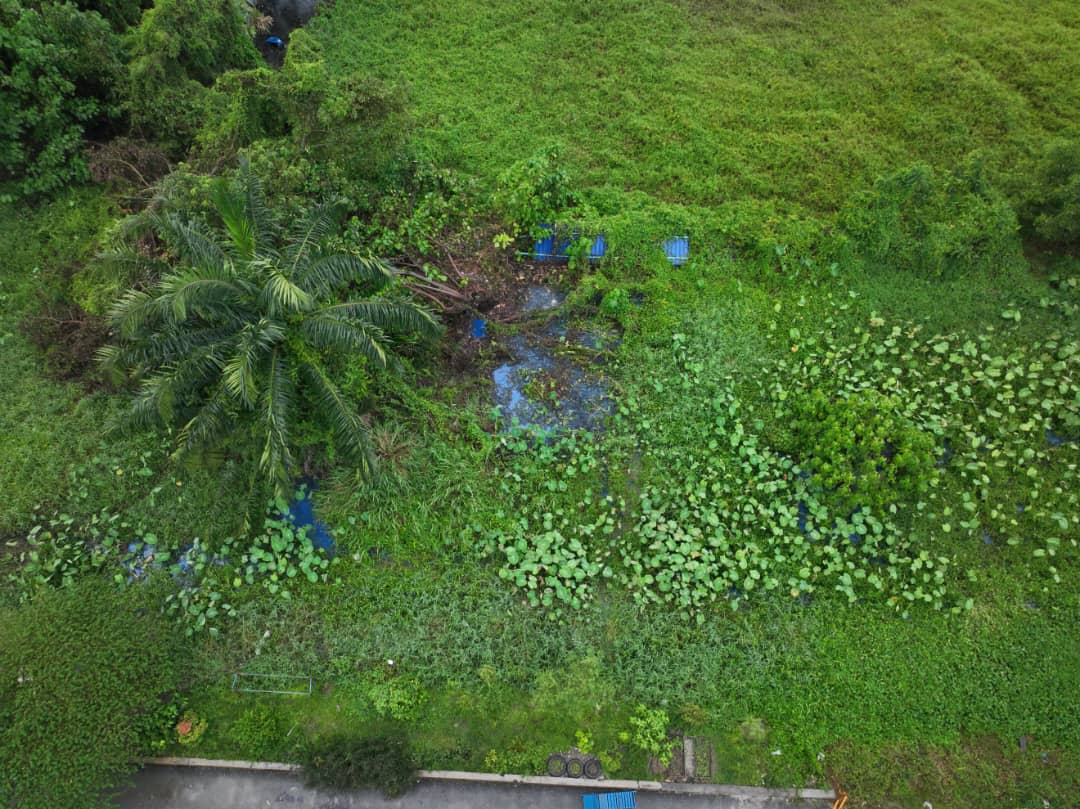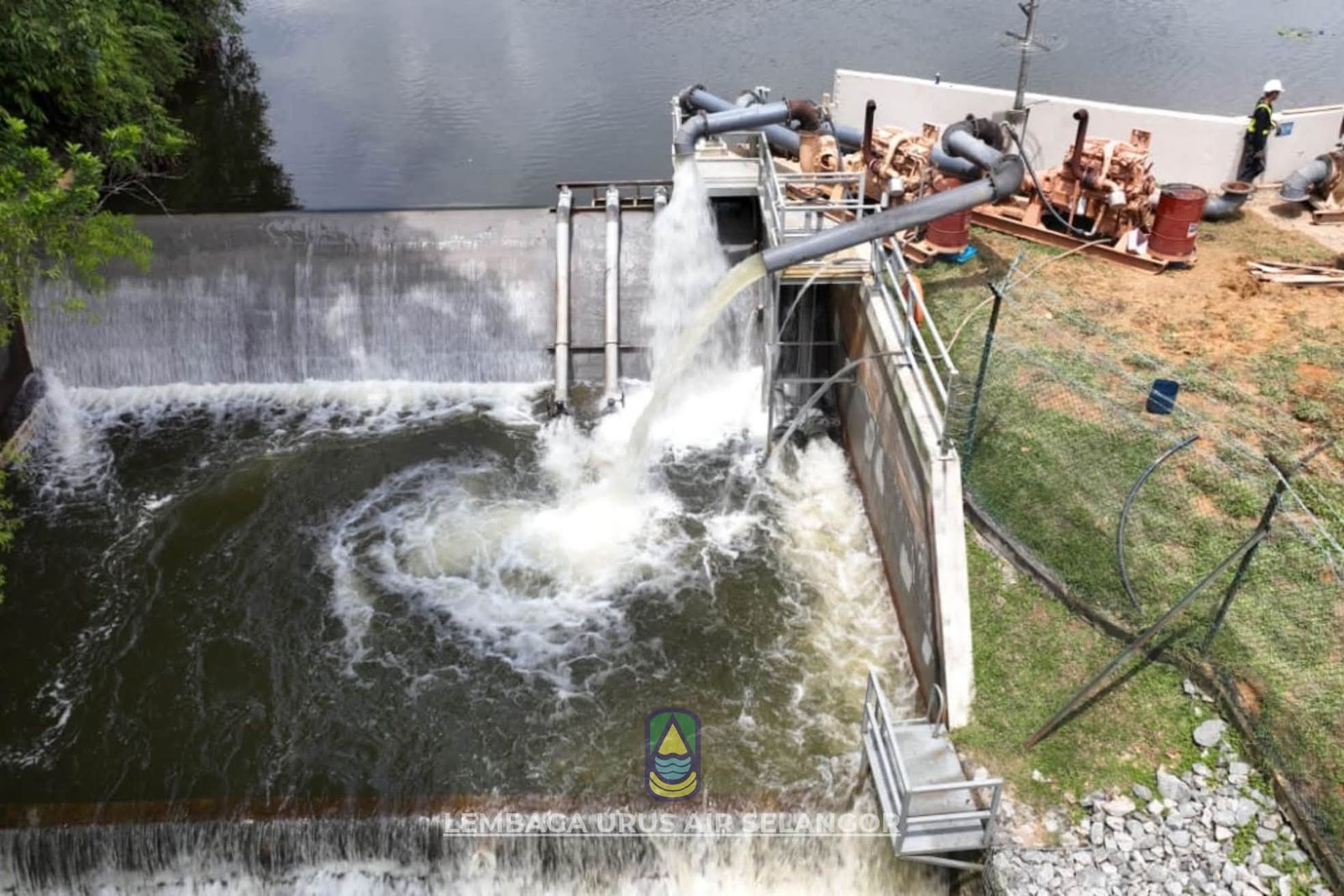
SHAH ALAM, Nov 24 — The Selangor government regularly monitors and collects water samples from Sungai Kandis to assess its quality and detect potential pollution, said state executive councillor for environment and public health Jamaliah Jamaluddin.
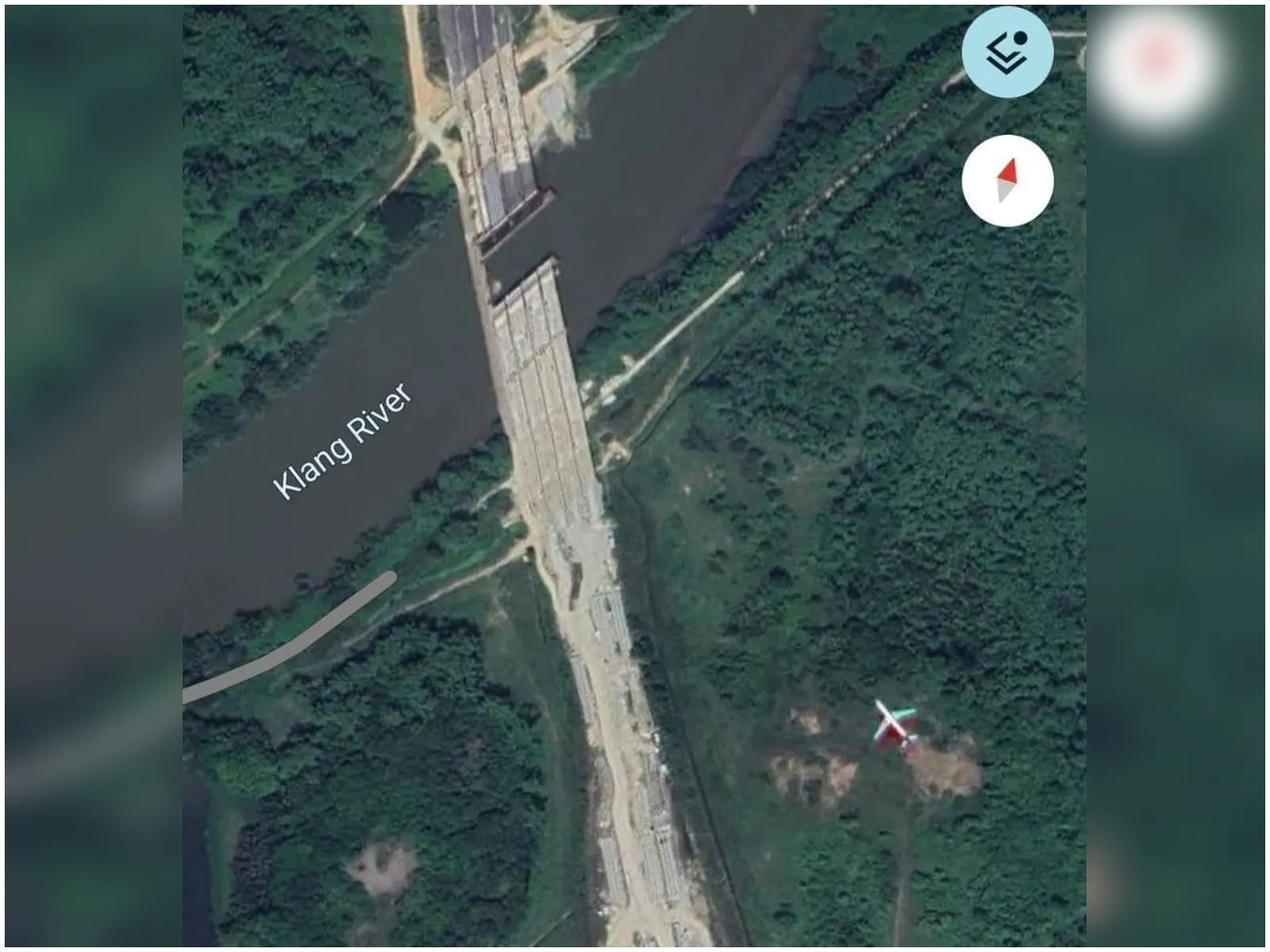
Jamaliah said the Selangor Water Management Authority (LUAS), together with relevant agencies, including the Department of Environment (DOE) and Department of Irrigation and Drainage (DID), monitors Sungai Klang and its tributaries, including Sungai Kandis.
"From time to time, LUAS conducts regular monitoring and on-site sampling, as well as investigations based on complaints received concerning tributaries flowing into Sungai Klang, including Sungai Kandis," she said during the question-and-answer session at the Selangor State Legislative Assembly today.
Jamaliah said the monitoring took into account surrounding land use, including residential, industrial and commercial areas.
She said LUAS had also conducted land-use mapping and inventory studies along the Sungai Klang river reserve and its tributaries, as well as water quality monitoring at various points where tributaries flow into the main river.
Other measures include river water quality rehabilitation projects, licensing to regulate the quantity and quality of water resources, and stronger integrated monitoring and enforcement under the LUAS Enactment 1999.
She said the state had also implemented the Zero Discharge Policy (ZDP), based on the Polluter Pays Principle (PPP), to strengthen efforts to prevent river pollution.
Meanwhile, the DOE monitors river water quality and inspects industrial premises that could potentially contribute to pollution in Sungai Kandis under the Environmental Quality Act 1974.
Jamaliah added that the department's Environmental Quality Monitoring Programme (EQMP) covers 100 river water quality monitoring stations across Selangor, comprising 95 manual and five automatic stations.
"Under this programme, river water samples are collected six times a year to assess water quality and identify changes that may indicate pollution," she said.
Jamaliah said additional inspections and sampling would be conducted following complaints or unusual changes in river conditions, such as discoloured or foul-smelling water and the deaths of aquatic animals.
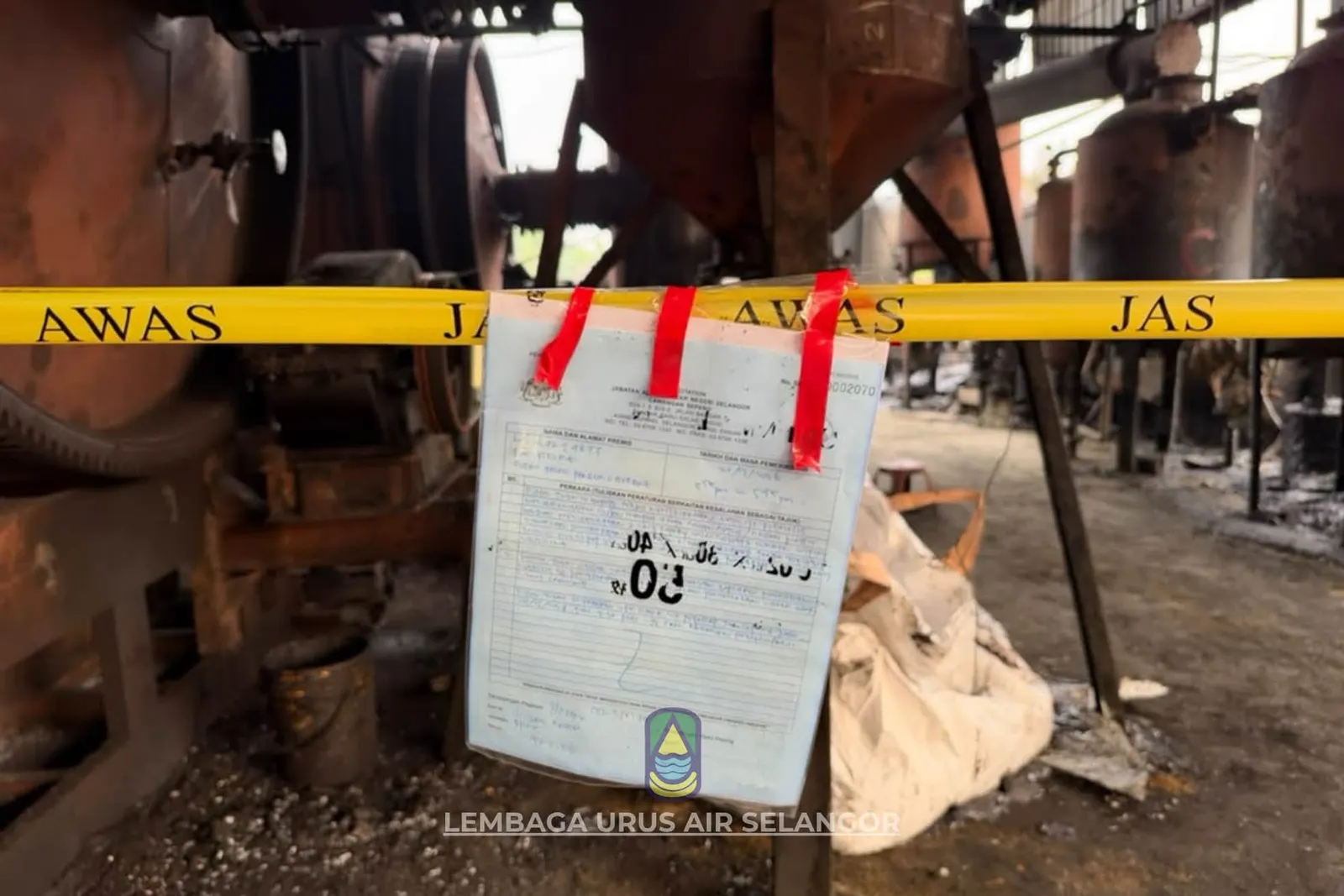
She explained that the DOE also inspects industrial premises to ensure compliance with environmental regulations, including requirements for industrial effluent treatment systems and discharge channels.
Jamaliah stressed that premises found discharging pollutants into rivers could face action under Section 25 of the Environmental Quality Act 1974, which provides for fines of up to RM10 million and imprisonment of up to five years.