KLANG, Nov 6 — Efficient land administration and management procedures are crucial to preventing Selangor's finances from being burdened by compensation claims arising from negligence, while safeguarding funds allocated for development and public welfare.
Selangor State Secretary Dato' Dr Ahmad Fadzli Ahmad Tajuddin said failure to comply with procedures and maintain proper documentation could expose the state government to compensation claims and penalties amounting to tens or even hundreds of millions of ringgit following court cases.
He said funds used to pay such compensation could otherwise be channelled towards infrastructure development and public welfare.
"Compensation amounting to hundreds of millions of ringgit is not merely a figure on an audit report.
"The reality is that every ringgit lost to compensation payments due to procedural negligence or poor file documentation is a ringgit taken away from budgets meant for road construction, drainage repairs, clinic upgrades and welfare assistance," he said.

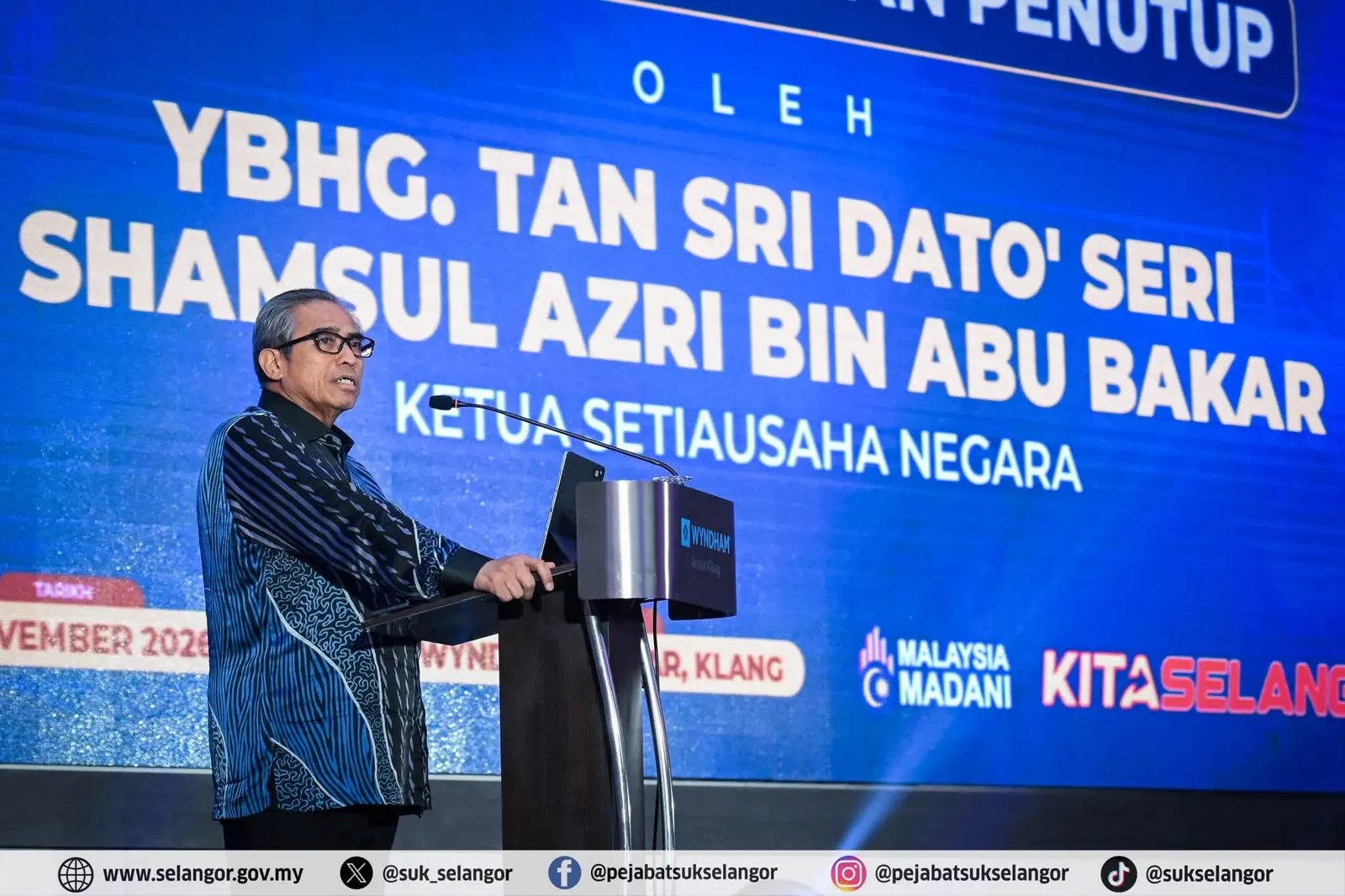
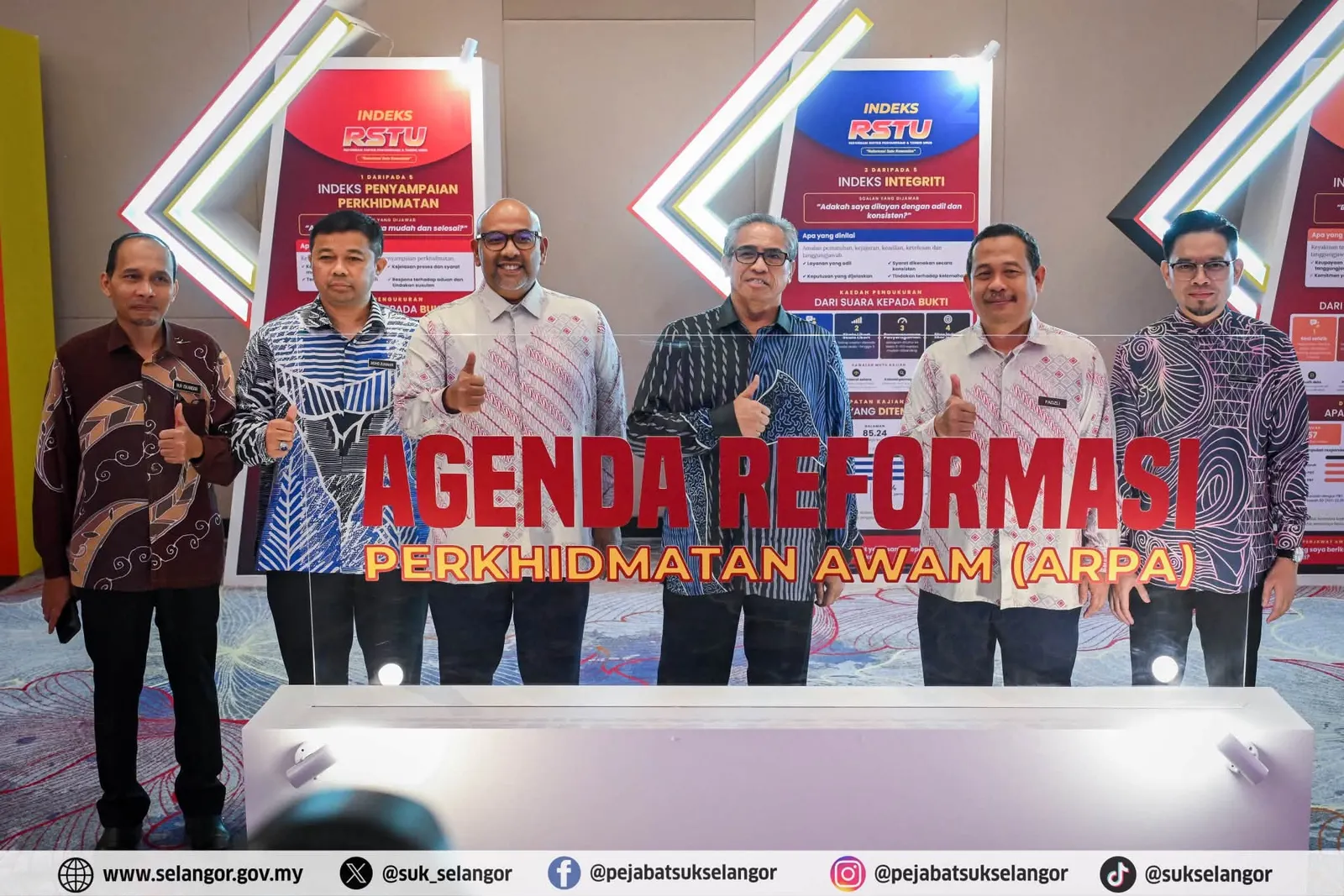
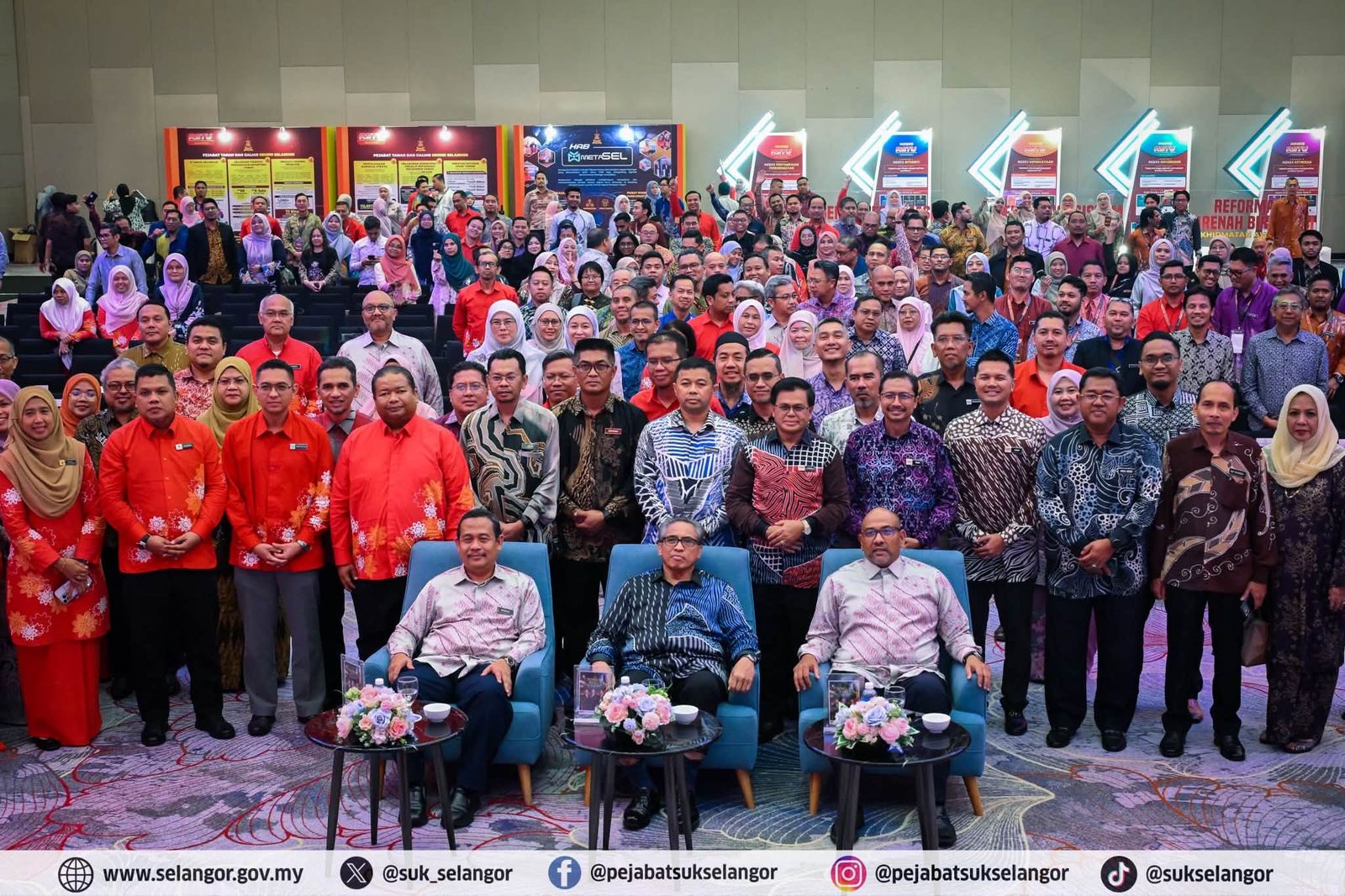
Ahmad Fadzli said this when delivering his speech at the Service Delivery and Governance Reform Seminar (RSTU), themed ‘Lessons from Court Cases: Strengthening Governance and Preventing Repeated Mistakes’, at Wyndham Acmar Klang yesterday.
The seminar's closing ceremony was officiated by Chief Secretary to the Government Tan Sri Shamsul Azri Abu Bakar.
Apart from affecting state finances, weaknesses in land management also undermine productivity, as officers, including assistant land officers and lawyers from the State Legal Adviser's Chambers, must spend hundreds of working hours tracing old files, preparing affidavits and attending court proceedings.

"Time that should be spent approving land titles for the people and stimulating the economy is instead wasted 'putting out fires' that could have been prevented in the first place," he said.
Meanwhile, Shamsul Azri said land administration was among the key pillars of a state's physical and economic development, but processes such as land acquisition, title registration and land alienation were also exposed to legal risks.
He said officers handling land matters must therefore possess a thorough understanding of legal requirements, in addition to mastering the National Land Code (NLC), to ensure every process is carried out carefully and in accordance with the law.
"Land officers and administrators may be experts in the National Land Code, but we must ask whether they are truly proficient and have been equipped with a sufficient understanding of the legal perspective.
"This is the challenge and commitment that everyone, particularly those working in land offices, must embrace," he said.