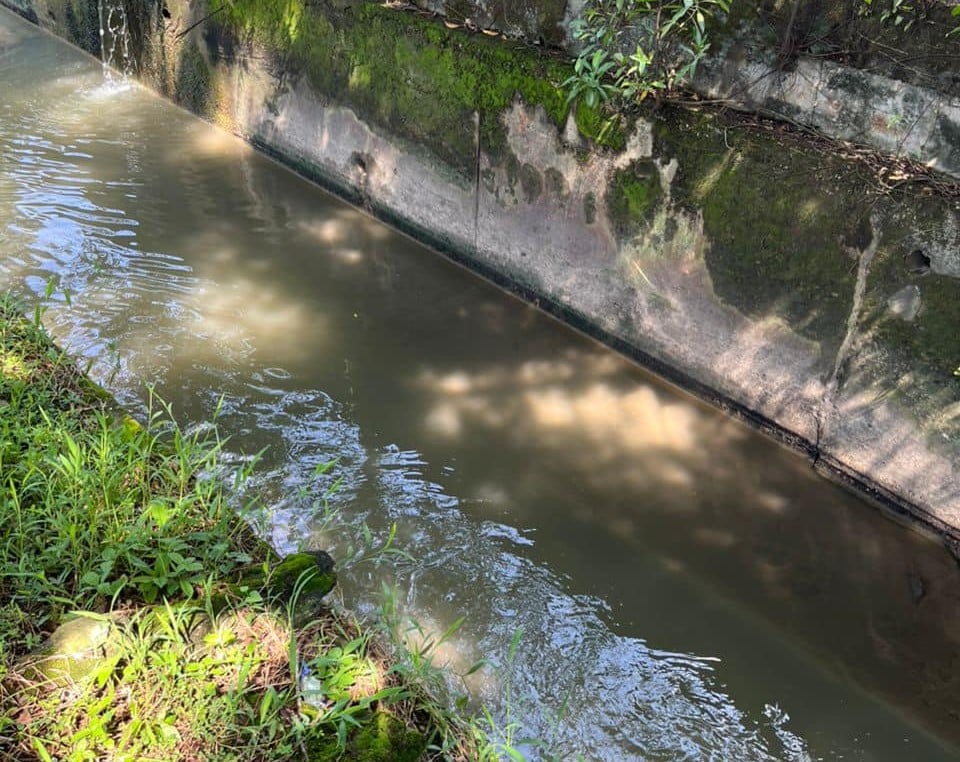
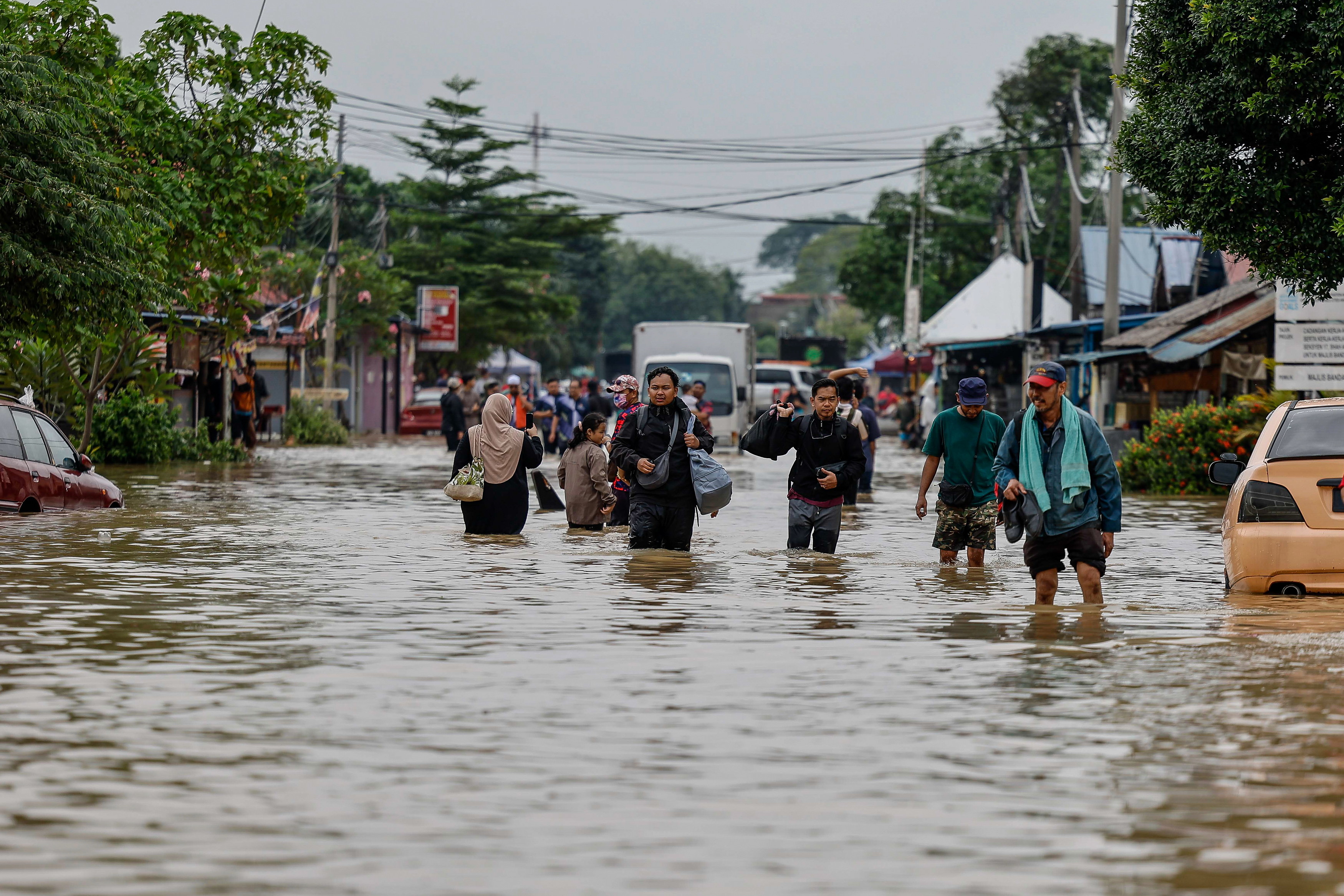

SHAH ALAM, Nov 5 — Integrated drainage maintenance involving local authorities and relevant agencies need to be strengthened to ensure smooth water flow from upstream to downstream areas and reduce the risk of flooding.
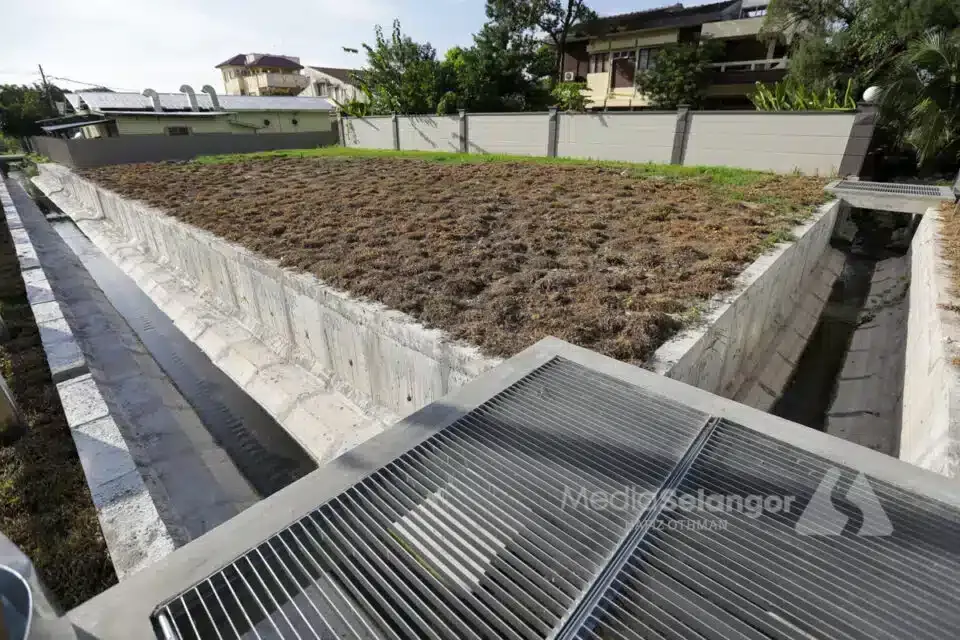
Malaysian Institute of Planners president and urban planning expert Mazrina Abdul Khalid said drainage management should be coordinated comprehensively as drainage systems are interconnected and often cross the administrative boundaries of different local authorities.
“Our drainage system is from upstream to downstream. So we need to have joint management because our drainage usually goes from one local authority to another.
“This maintenance needs to be continuous. It cannot be carried out seasonally or only when flooding occurs, but instead needs to be done continuously to ensure the drainage system functions properly,” she told Media Selangor.
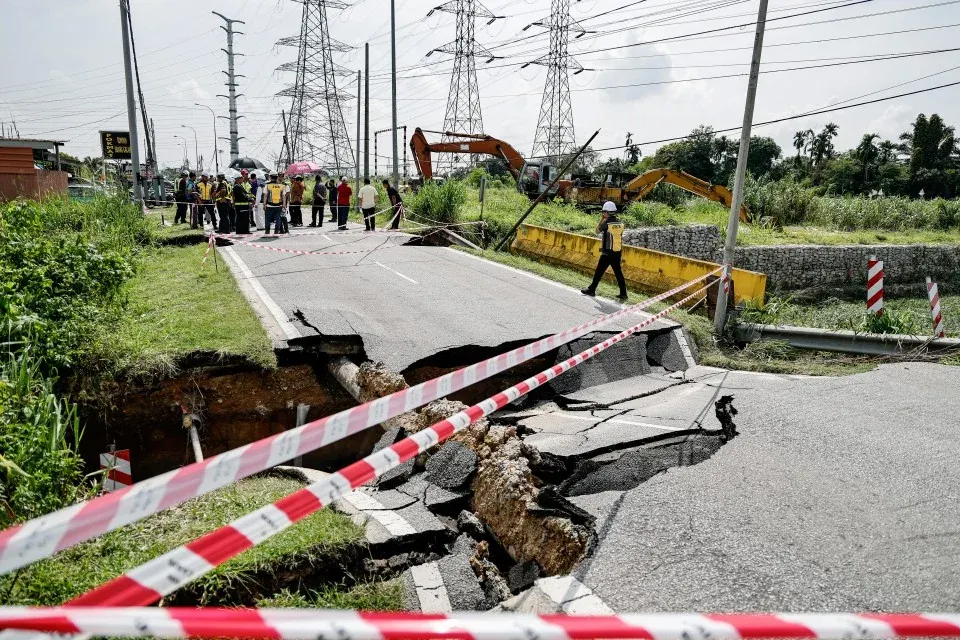
Heavy rain is not the only factor contributing to floods, as water retention areas that have already reached capacity following prolonged rainfall could further increase the risk of overflow.
“Sometimes water retention areas resulting from heavy and prolonged rainfall beforehand are already full. Therefore, maintenance that is not carried out according to a scheduled and regular basis can worsen the situation when heavy rain occurs, resulting in flooding,” Mazrina said.
She also called for wider use of digital monitoring systems to enable authorities to detect rising water levels earlier and take immediate action, particularly in flood-prone areas.
“Information from the monitoring system enables maintenance work to be carried out immediately, besides providing warnings to residents living near risk areas. It helps residents make early preparations to reduce losses and the impact of floods.

“Digital monitoring implemented by local authorities and agencies is important because this will help us address and reduce losses caused by floods, as well as reduce the impact,” Mazrina said.
On claims that flooding was caused by unplanned development, including lot lidi, she said the preparation of special area planning schemes can help to ensure basic infrastructure such as roads, drainage systems, and utilities are planned more systematically.
“The provision of roads and drainage systems needs to be planned more systematically to prevent problems in the future. Landowners also need to be involved in discussions to find solutions to the issue of providing basic infrastructure in the affected areas,” Mazrina said.
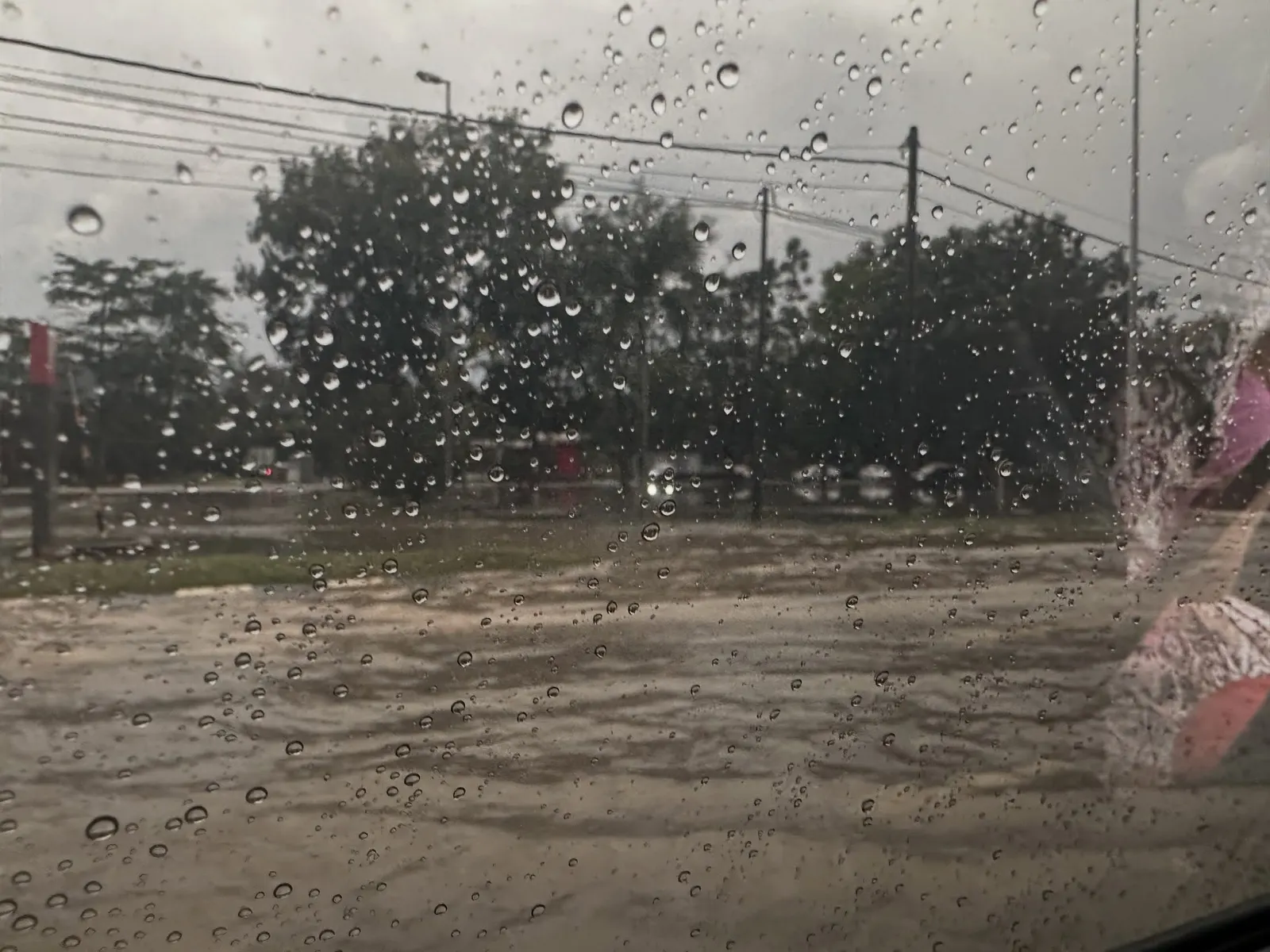
Previously, Sungai Buloh MP Datuk Seri Ramanan Ramakrishnan said nearly 550 homes were affected by flash floods in Kampung Melayu Subang following four recurring flood incidents within a 30-day period.
Three flash floods occurred throughout October, while another hit the area in early November.
Meanwhile, state executive councillor for public health and the environment Jamaliah Jamaluddin said the Selangor Irrigation and Drainage Department has identified 56 flood hotspots and 232 flood-risk areas statewide based on baseline data from last year.
Klang recorded the highest number of hotspots with 13 locations, including Kampung Rantau Panjang, Kampung Jalan Kebun, Taman Rashna, Taman Sri Muda, and Kampung Bukit Kapar.
Petaling recorded 11 hotspots, followed by Gombak with 10, Hulu Langat with nine, Kuala Selangor with six, Sepang with three, while Hulu Selangor and Kuala Langat recorded two each.