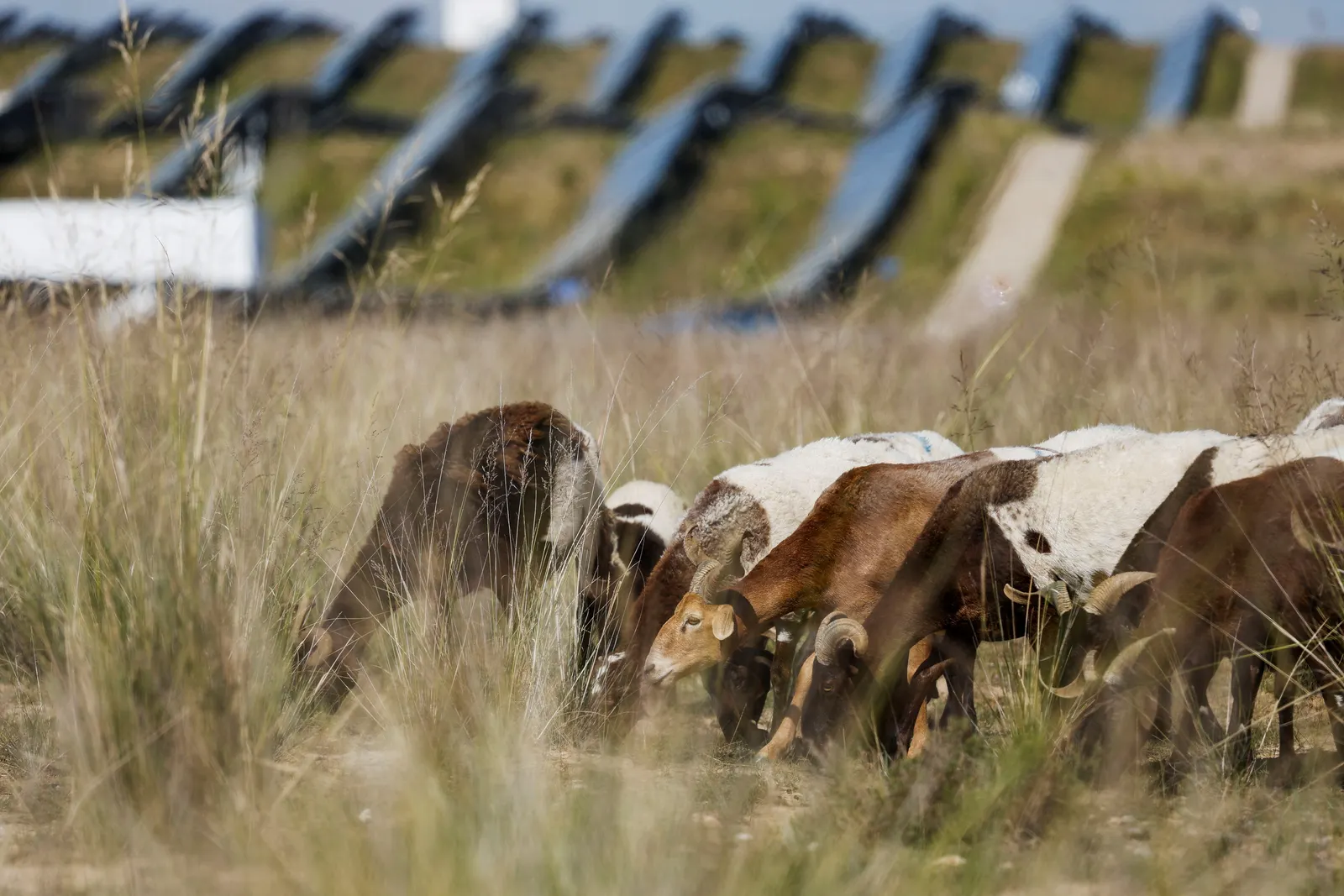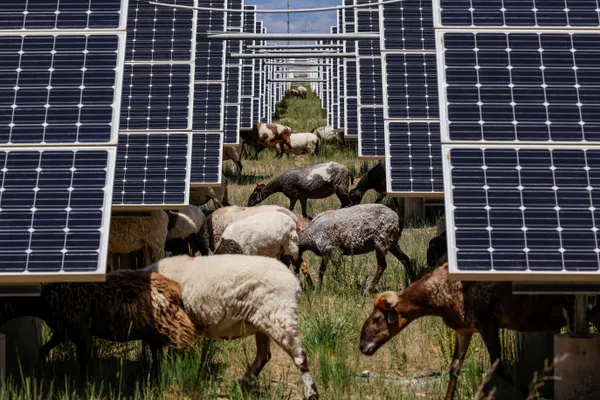
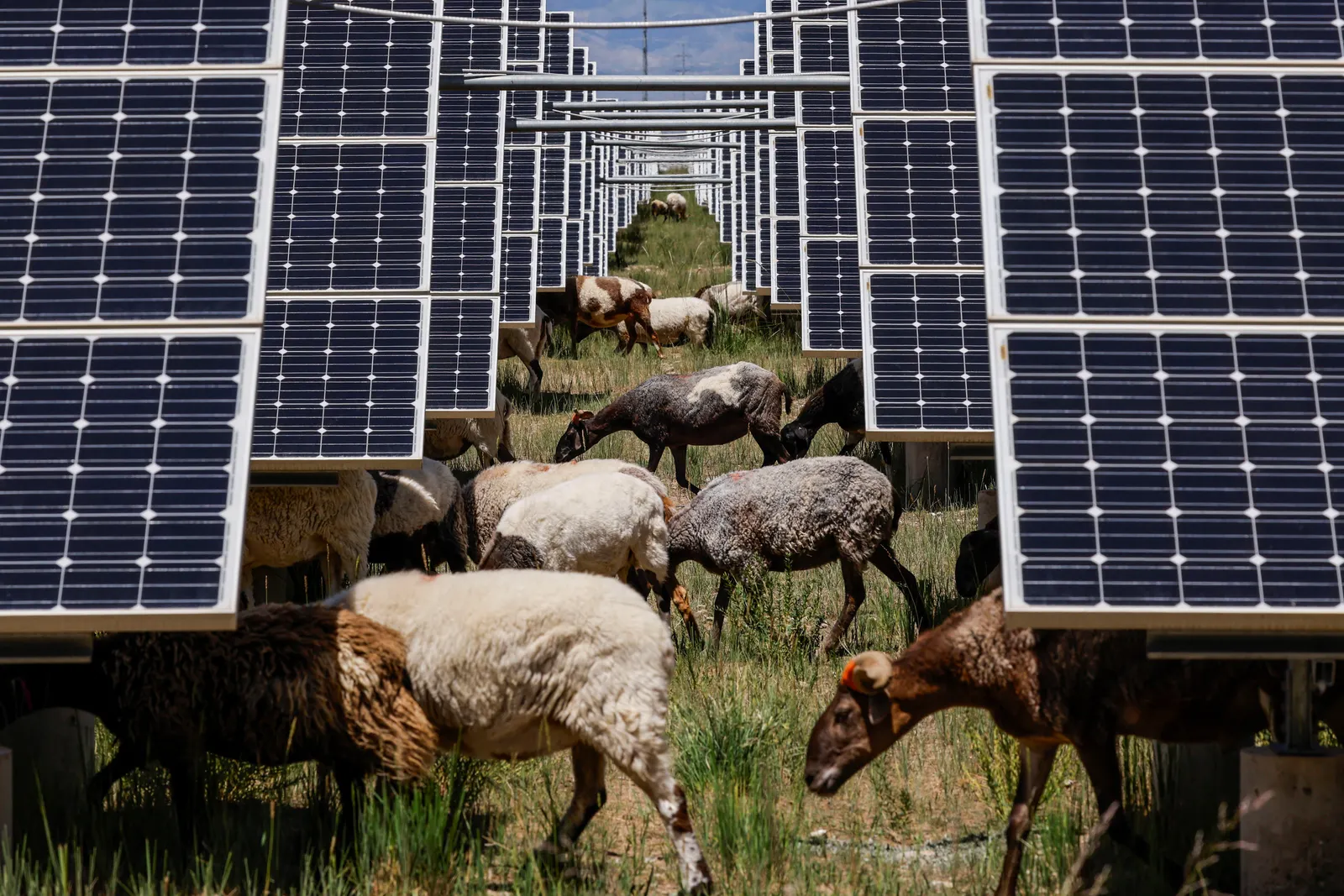
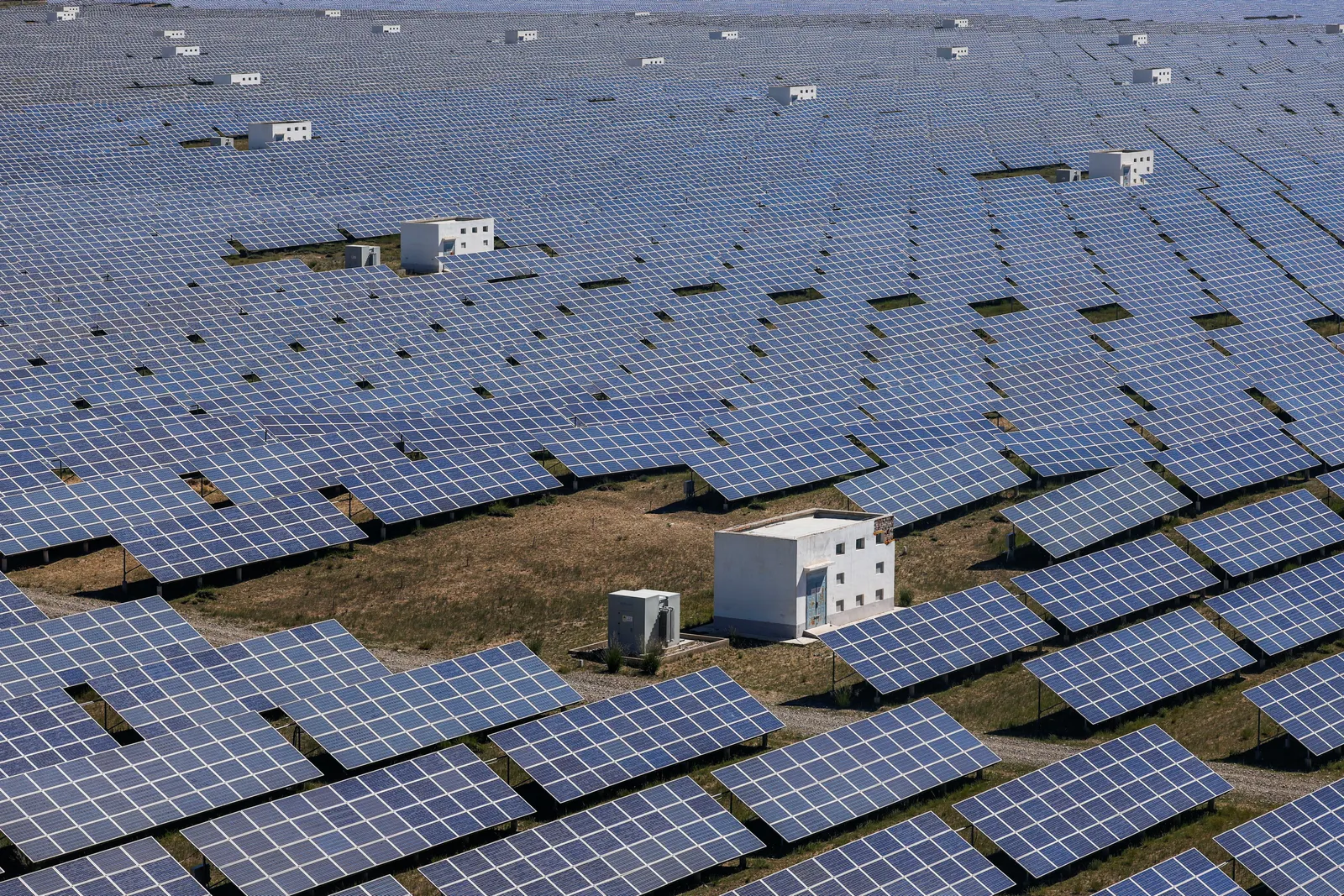
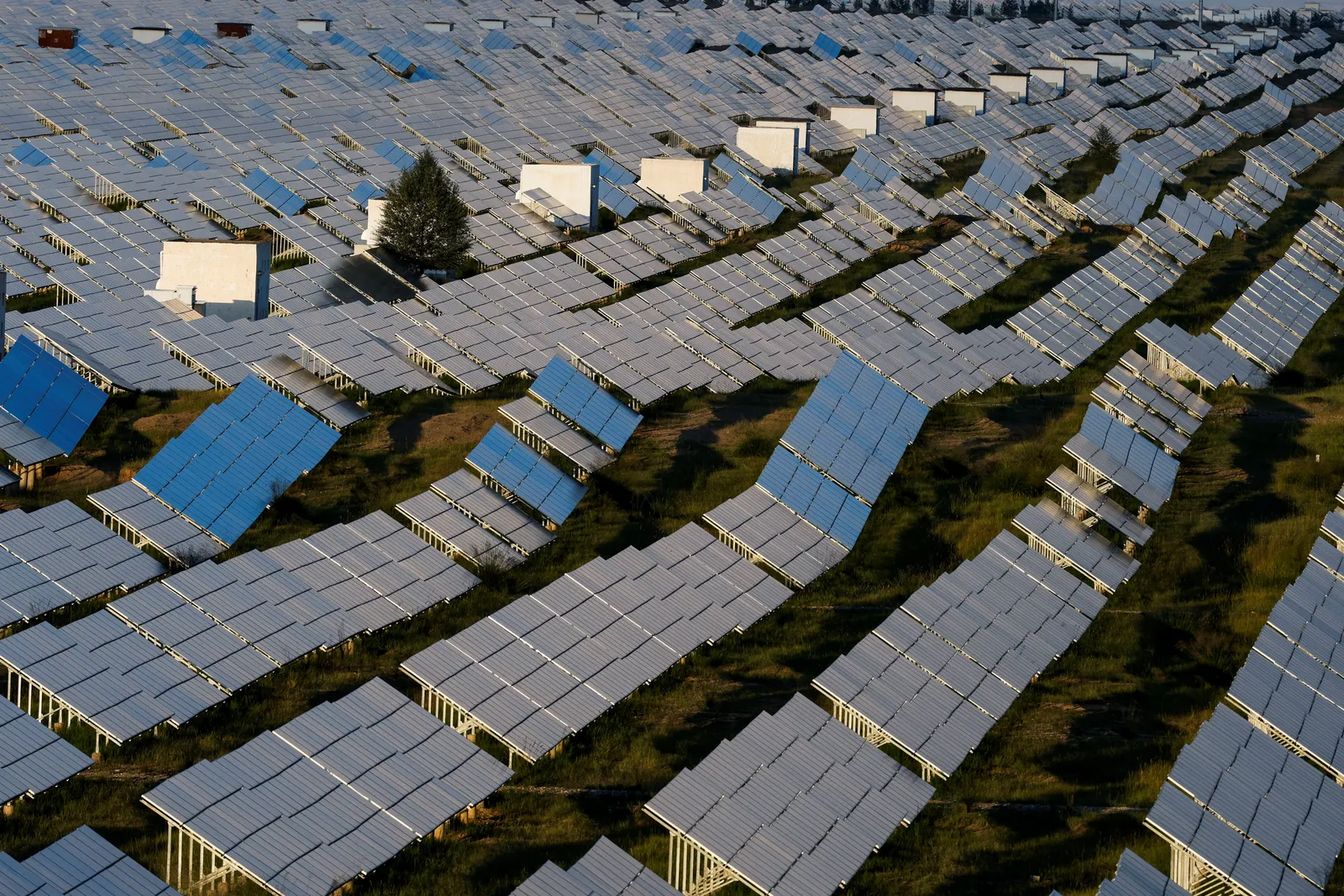
GONGHE, Nov 4 — Life has become unexpectedly easier and more lucrative for some shepherds on the world's highest plateau, after China began carpeting the area with solar panels in a drive to diversify its energy mix.
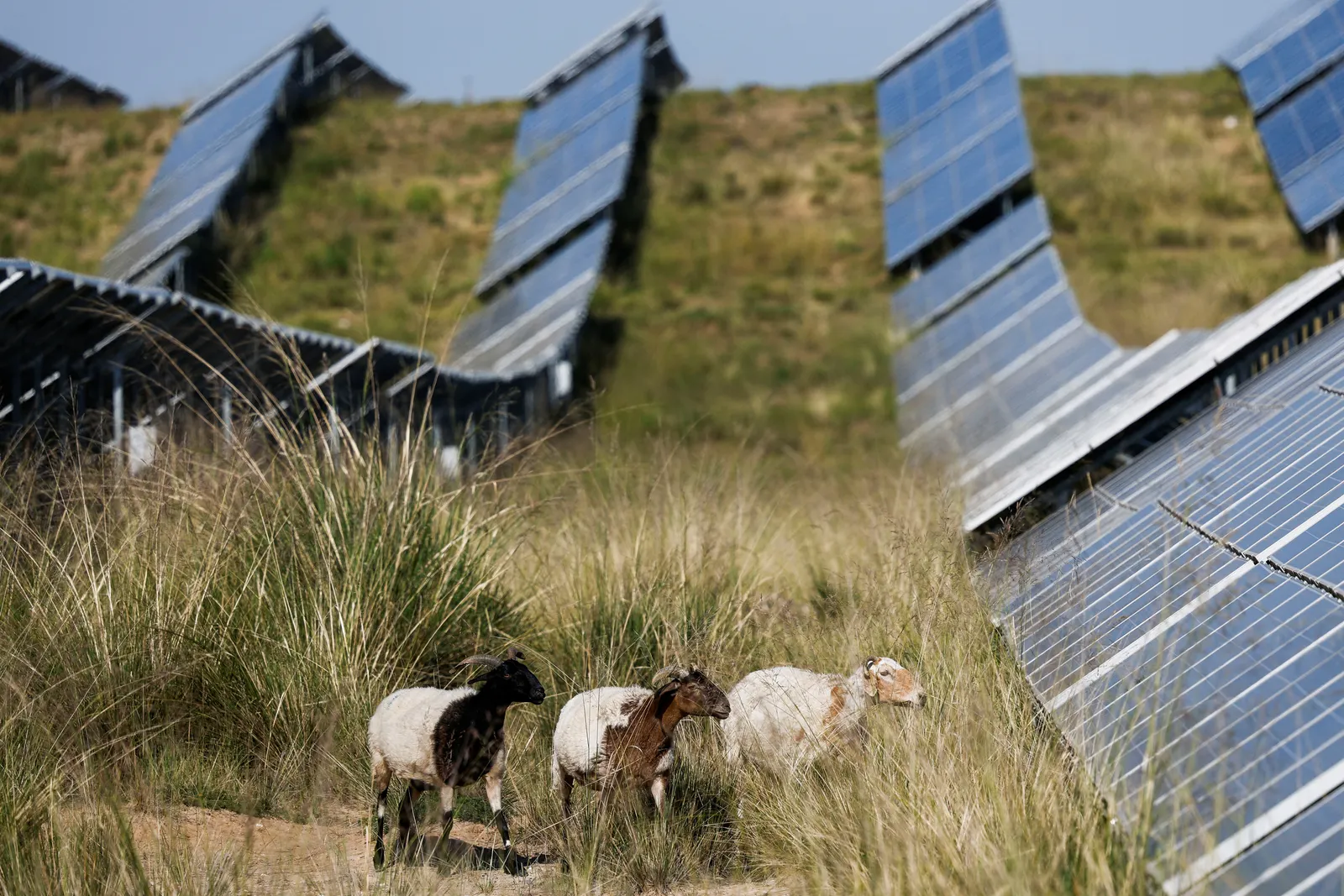
"It has made grazing much easier for us. In the morning, we simply open the gate to the sheep pen and do not really need to look after them.
"They come back on their own in the evening, and we just pen them up," said Li Yonglin, 25, one of those allowed to freely graze their sheep in a fenced solar park in Gonghe, a county in the northwestern province of Qinghai.
He estimated the new approach boosted his earnings from CN¥10,000 to CN¥20,000 (RM6,096 to RM12,192) to CN¥50,000 to CN¥60,000 (RM30,481 to RM36,578) when he followed the old way.
According to state media, by July this year, 6,330 households in five townships had benefited from 56 grazing sites in Hainan, a culturally Tibetan area that encompasses Gonghe, but did not disclose how many got grazing access.
Higher incomes but traditions at risk
These early signs suggest China's projects, sprawling over hundreds of acres on the vast Qinghai-Tibet plateau, are boosting incomes for some, though researchers and others warn they are also eroding traditional ways of life.
One study estimated the region, sometimes called "the roof of the world", where nomadic communities have grazed livestock for millennia, holds almost half of China's solar energy potential, making it a focal point for renewable energy efforts.
Solar overtook coal in July as the country's biggest source of installed power capacity, and authorities plan to expand wind and solar power generation by a further 53 per cent in the next five years.
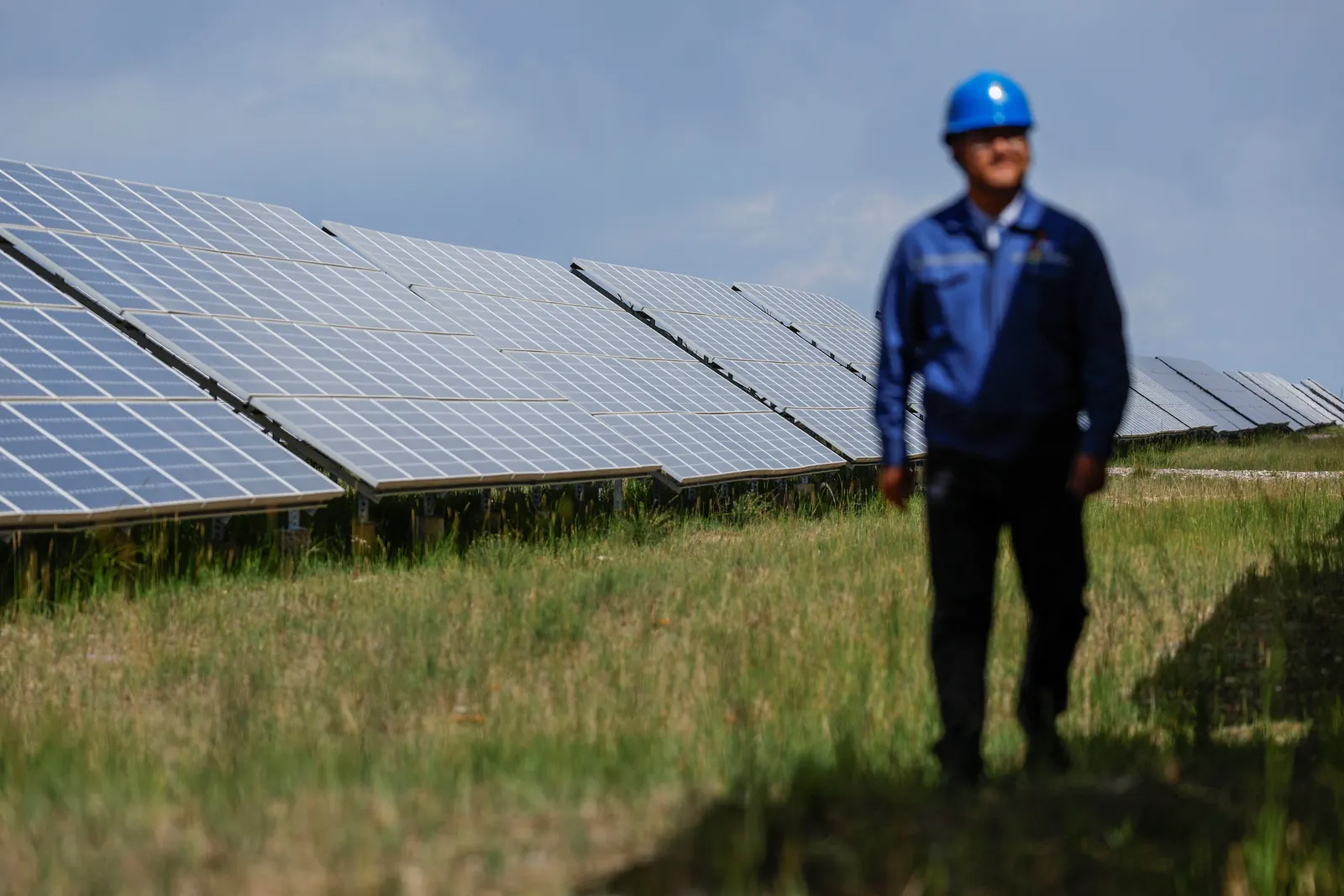
The complex Li visits, sprawling over 60,000 hectares, uses grazing sheep to reduce mowing costs, said Cao Jun, a safety supervisor for a State Power Investment Corporation (SPIC) project in Hainan.
He told Reuters that it leads to a "win-win situation", with power generated by the plant sent nationwide to cities such as the capital Beijing and the commercial hub of Shanghai.
But the integration of livestock and solar infrastructure has not been universally welcomed.
Researchers say solar projects are transforming life on the plateau, where thousands of Tibetan nomads were resettled into rural townships in the early 2000s as the government sought to reverse ecological degradation.
"You can find some places (to graze) around the solar panels, but these are not suitable for nomads and shepherds to hold their livelihood," said the Tibet Policy Institute's researcher Tsewang Dorji, based in India's hill town of Dharamsala.
One researcher studying environmental conservation and new energy infrastructure there noted that plateau dwellers get little say in the conversion of pastures to solar power projects.
Projects fragment once-open grazing space
Speaking anonymously to protect collaborators, the researcher added that such installations fragment once-open grazing lands, making herders' task of watching over livestock harder.
The government in Gonghe said in 2024 that sheep from 16 households were allowed to graze in a solar park for part of the year.
United Kingdom-based environmental charity Foundation for Gaia's advocacy director Mandie McKeown said a small number of nomads are "tokenistically employed to graze sheep", but goats and yaks are generally excluded.
She told Reuters that evidence shows "this is not pastoralism as it has traditionally been practised".
In a June article, University of Colorado Boulder anthropology researcher Sanggay Tashi said wind rattling through solar farm posts and wires produced "persistent and unsettling" sounds that disturbed both people and animals, citing people in Qinghai.
Online government records in 2017 showed one undated complaint that Gonghe's photovoltaic power stations had damaged grasslands, leaving sheep and cattle little grass to eat.
The records, which cited Hainan as the administrative region for the case without identifying the aggrieved person, said an investigation found no truth to the accusation and added that grazing was not permitted in the area.
Authorities in Qinghai did not respond to requests for comment.
However, not everyone in Gonghe is complaining.
"Life has changed tremendously," said another shepherd, Wen Yujun, who now manages a herd of 700 to 800 largely on his own.
"I never could have imagined it before," added the 43-year-old, who estimated his annual income had risen eight-fold to about CN¥80,000 (RM48,770).