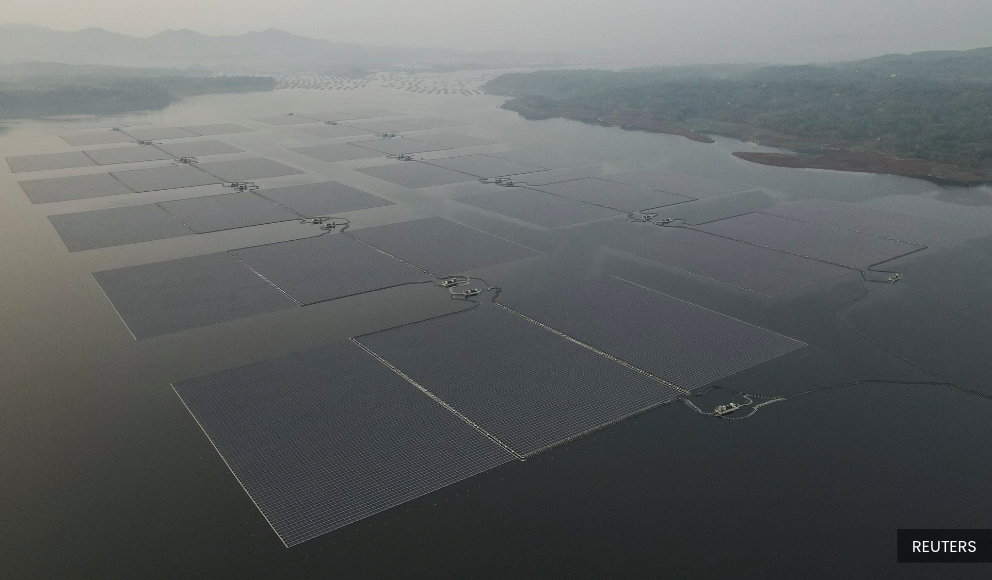

SINGAPORE, Oct 27 — The concentration of clean energy supply chains in a small number of countries is an emerging challenge for Southeast Asian countries, amid fast-rising power demand in the region.
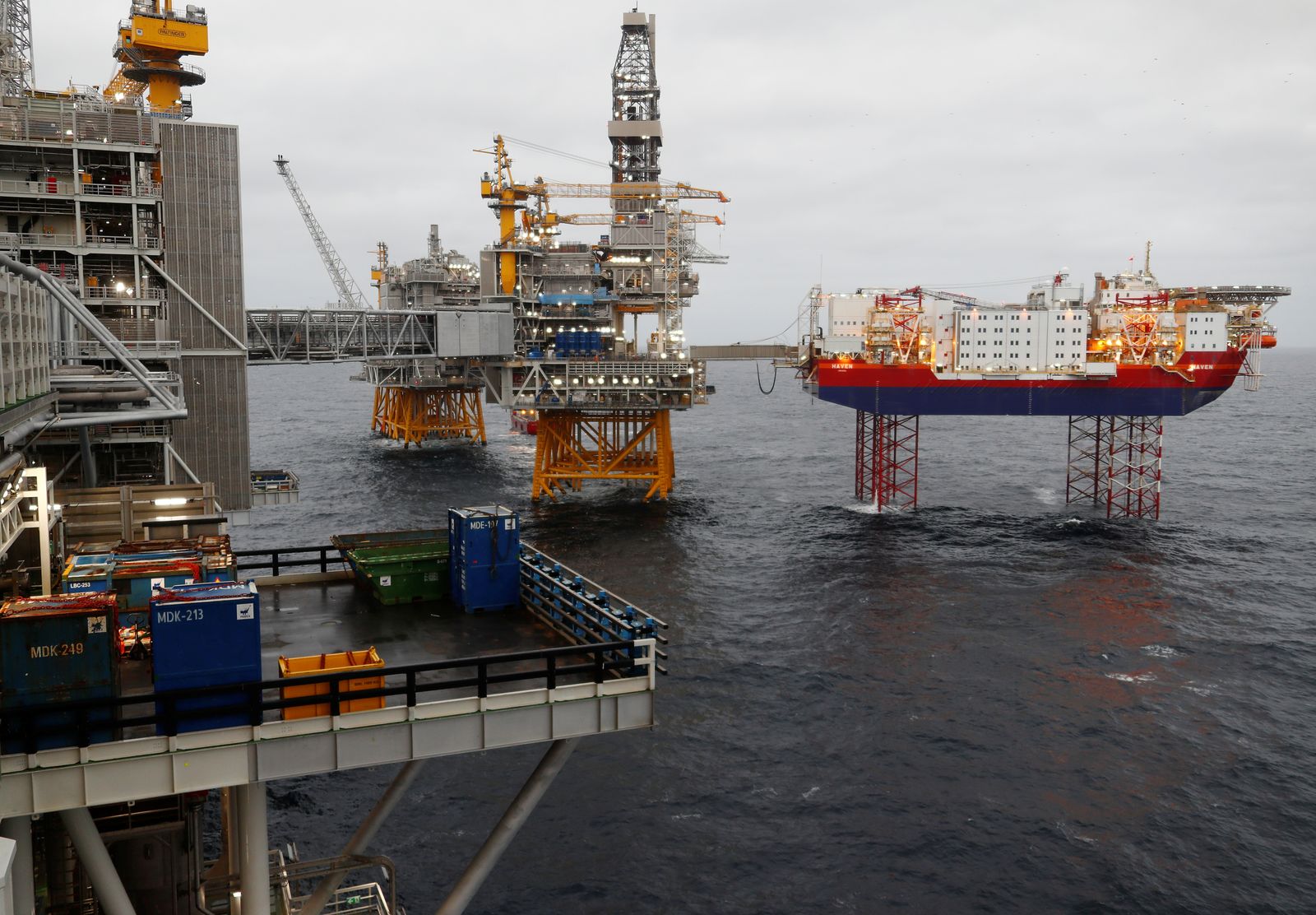
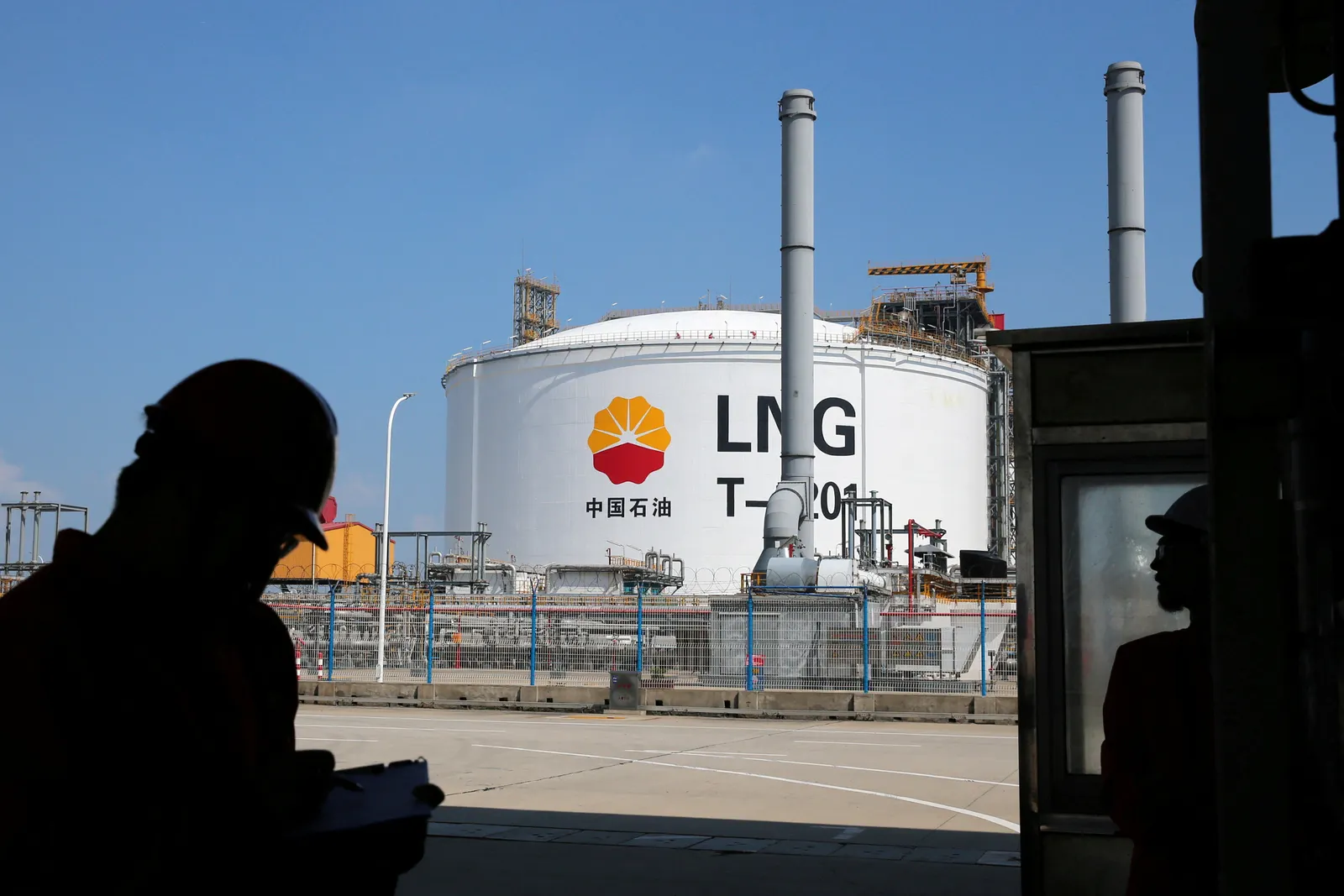
"The age of electricity is coming. We will still use oil, still use natural gas including LNG (liquefied natural gas), but electricity demand is growing very strongly," the International Energy Agency's (IEA) executive director Fatih Birol told delegates at the Singapore International Energy Week conference today.
He did not identify the countries dominating clean energy supplies, but China is by far the largest global supplier of renewable energy equipment, from solar panels to wind turbines, electric vehicles and batteries.
Electricity demand in ASEAN countries is rising at twice the pace of overall energy consumption, driven by industrial electrification, air-conditioning needs, electric vehicles, and data centres.
According to energy think tank Ember, Southeast Asian nations have emerged as key drivers of China's clean-energy export boom, spending over US$20 billion (RM81.71 billion) on Chinese-made clean-tech products so far in 2026.
Birol also warned that geopolitical tensions have become an increasingly dominant force in global energy markets.
"In my professional life, I have never, never, ever seen the dark and long shadow of geopolitics dominating the energy sector in such a way. I can only imagine that the role of geopolitics will be much more pronounced, and this means energy security is going to become even more important than it is today," he said.
The Middle East war has triggered fundamental changes in global energy consumption patterns, spurring growth in solar, coal, and nuclear power, as well as electric vehicle adoption.
"I see in the last eight months very strong growth of electric car sales," he said, noting that global electric vehicle sales outside China had risen 60 per cent above previous trends over the period because of the conflict.
Consumption of alternative energy sources has increased as diesel prices have jumped about 200 per cent and LNG prices have risen 250 per cent from pre-war levels.
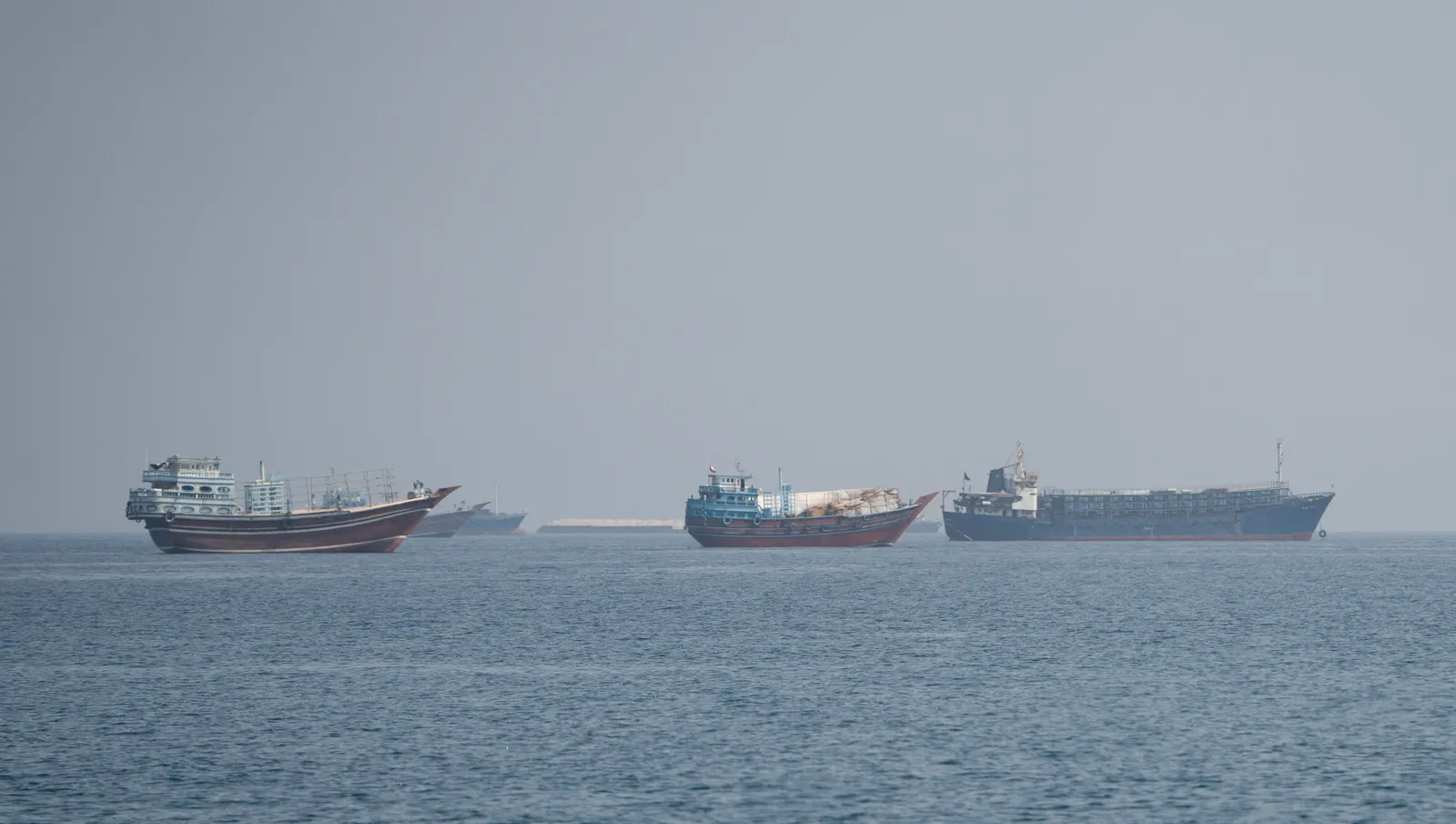
At the conference yesterday, Birol said he does not expect energy markets in 2027 to return to where they were before the United States-Israeli war on Iran began.